
Blog
Brundle Blasts FIA Over 2026 British GP Safety Car Finish
 123Helmets Editorial Team
Martin Brundle says race control owed the Silverstone crowd a green-flag finish after the 2026 British Grand Prix ended behind the safety car, arguing the FIA had no obligation to wait for lapped cars before restarting.
Key Takeaways
The 2026 British Grand Prix ended under safety car conditions after Max Verstappen spun into the gravel at Stowe on lap 48.
Martin Brundle argues race control was not obligated to wait for lapped cars to rejoin the pack before restarting on lap 51.
George Russell inherited second position when Leclerc and Hamilton pitted under the safety car, while Russell stayed out.
The finish leaves the 2026 British GP as one of the season’s most debated race-control decisions among fans and drivers alike.
What Happened at Silverstone
The 2026 British Grand Prix finished under safety car conditions after Max Verstappen spun into the gravel at Stowe corner on lap 48, directly in front of the Land Rover grandstand. Race control deployed the safety car immediately, triggering a scramble in the pit lane as strategies were reshuffled with only a handful of laps remaining. Race leader Charles Leclerc and his Ferrari team-mate Lewis Hamilton, who was running second at the time, both dived into the pits for fresh tyres under the safety car. Mercedes’ George Russell chose to stay out, a decision that promoted him to second position as the field bunched up behind the safety car.
As the laps wound down, lapped cars were waved through to unlap themselves in the standard procedure meant to clear a path for a straight fight to the chequered flag. On lap 51, the ‘Safety Car In This Lap’ message appeared on timing screens, suggesting a final green-flag lap was imminent. Instead, the safety car remained out for the rest of the race, and the 2026 British Grand Prix ended without a single lap of unimpeded racing at the front.
Brundle’s Criticism Explained
Martin Brundle says the FIA had no need to wait for backmarkers to fully rejoin the pack before restarting the race. Speaking on the Sky Sports F1 broadcast, the former grand prix driver and long-time analyst said: “I am hoping there is a separate reason for not pitting the safety car and not just a change of mind, or a mistake, not to bring it in. We were all denied a proper end to the grand prix.”
Brundle’s core argument centers on timing and distance. He pointed out that lapped cars trailing by half a Silverstone lap posed no realistic threat of interfering with the leaders in the closing stages. “When they are half a Silverstone lap away, they are not going to get in the way with one lap to go. You don’t have to wait for them all to plod around to the back. Maybe something else happened,” he said, leaving open the possibility that an unseen factor, rather than a procedural oversight, kept the safety car out.
The FIA Regulation at the Center of the Debate
The relevant rule allows the race director to decide when it is safe to end the unlapping procedure and bring the safety car in. Brundle referenced the wording directly, noting the regulations say action can be taken “if the race director considers it safe for them to do so.” His argument is that safety, in this instance, was not genuinely in question by lap 51, given the gap already established between the lapped runners and the lead pack.
He also explained the broader purpose behind the unlapping procedure itself. “The whole reason that came in was to stop lapped runners getting in the way of a big grandstand finish, and it sometimes brings players back in and they are part of the race again, so there’s a show element to that as well,” Brundle said. In his view, the rule exists to protect the spectacle of a green-flag finish, not to justify extending safety car laps beyond what circumstances require. “Whatever the regulations say, it’s not right to wait, especially on a long circuit, for the lapped cars to get through,” he added.
A Race Weekend Collectors Will Remember
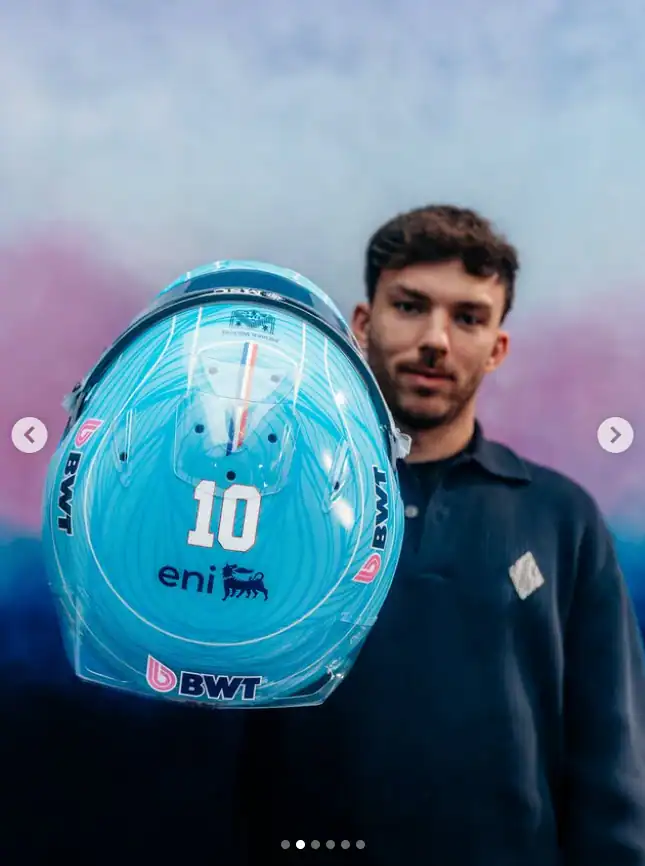
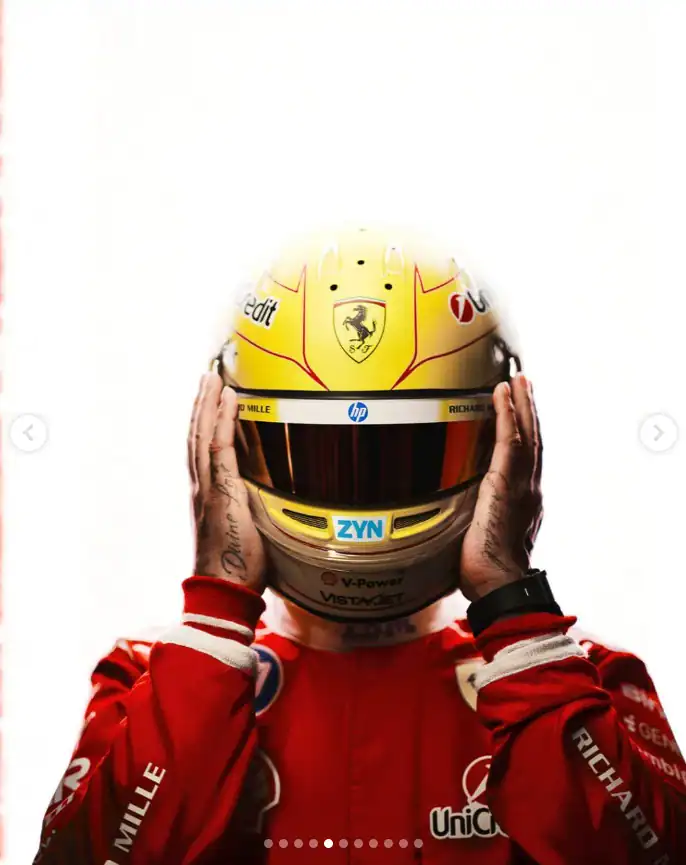
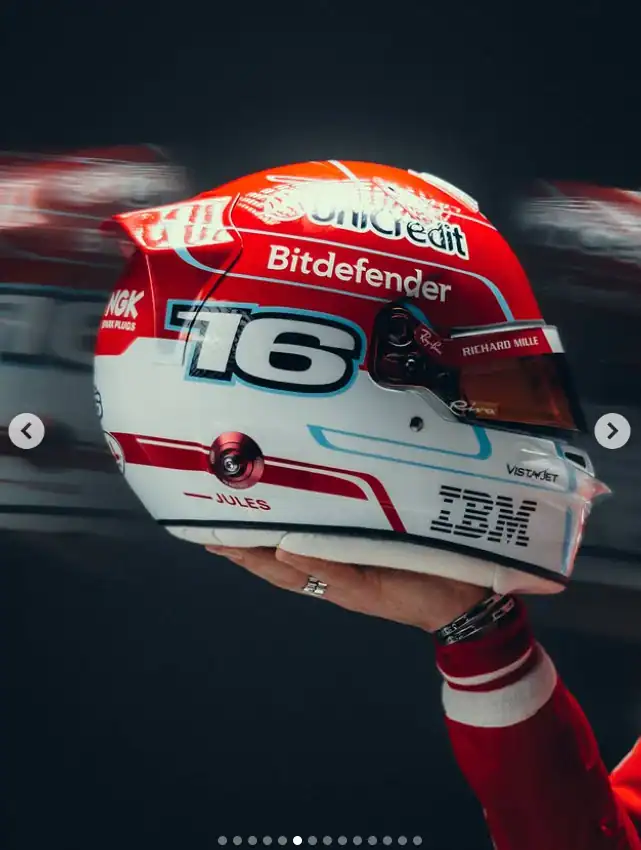
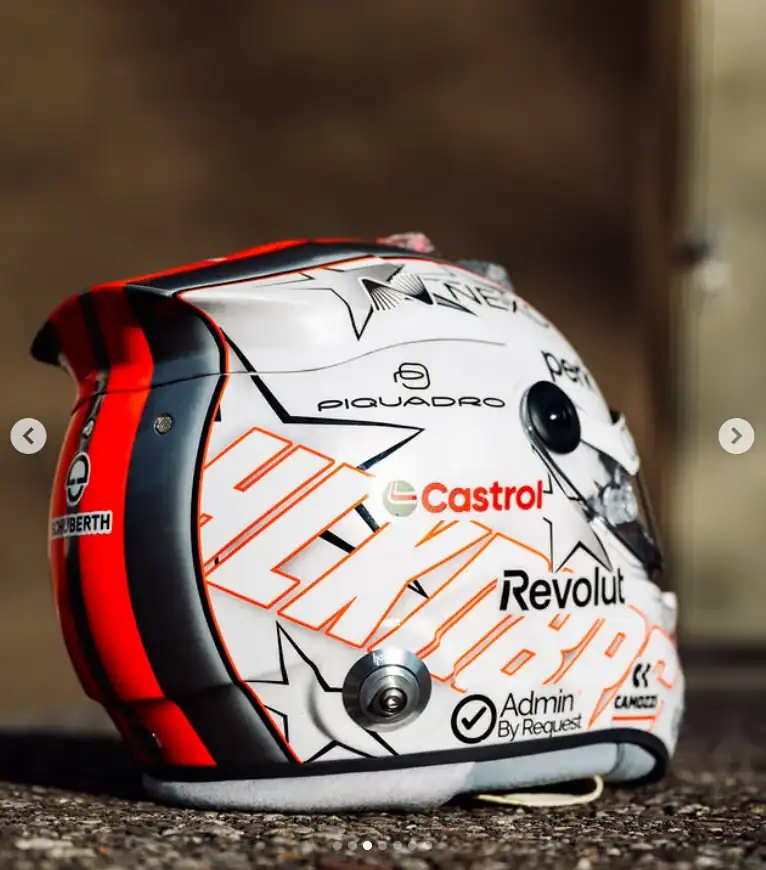
The 2026 British Grand Prix is already shaping up as one of the season’s most talked-about weekends, and that makes it a strong candidate for collector interest around the helmets and liveries associated with it. Silverstone carries outsized weight in F1 history, and a controversial finish involving Verstappen’s spin at Stowe, Leclerc’s race lead, and Russell’s inherited podium position adds a story worth preserving. Full-size 1:1 display helmets tied to a specific, talked-about race weekend tend to hold appeal precisely because they mark a moment fans can point to and explain.
For anyone building a collection around the 2026 season, race weekends with genuine controversy or late-race drama, like this one, often become reference points years later. A display-quality replica finished to match a driver’s 2026 Silverstone livery gives that context a permanent shelf presence, independent of how the stewards’ inquiry or any FIA review of the safety car procedure is eventually resolved.
What Comes Next for Race Control
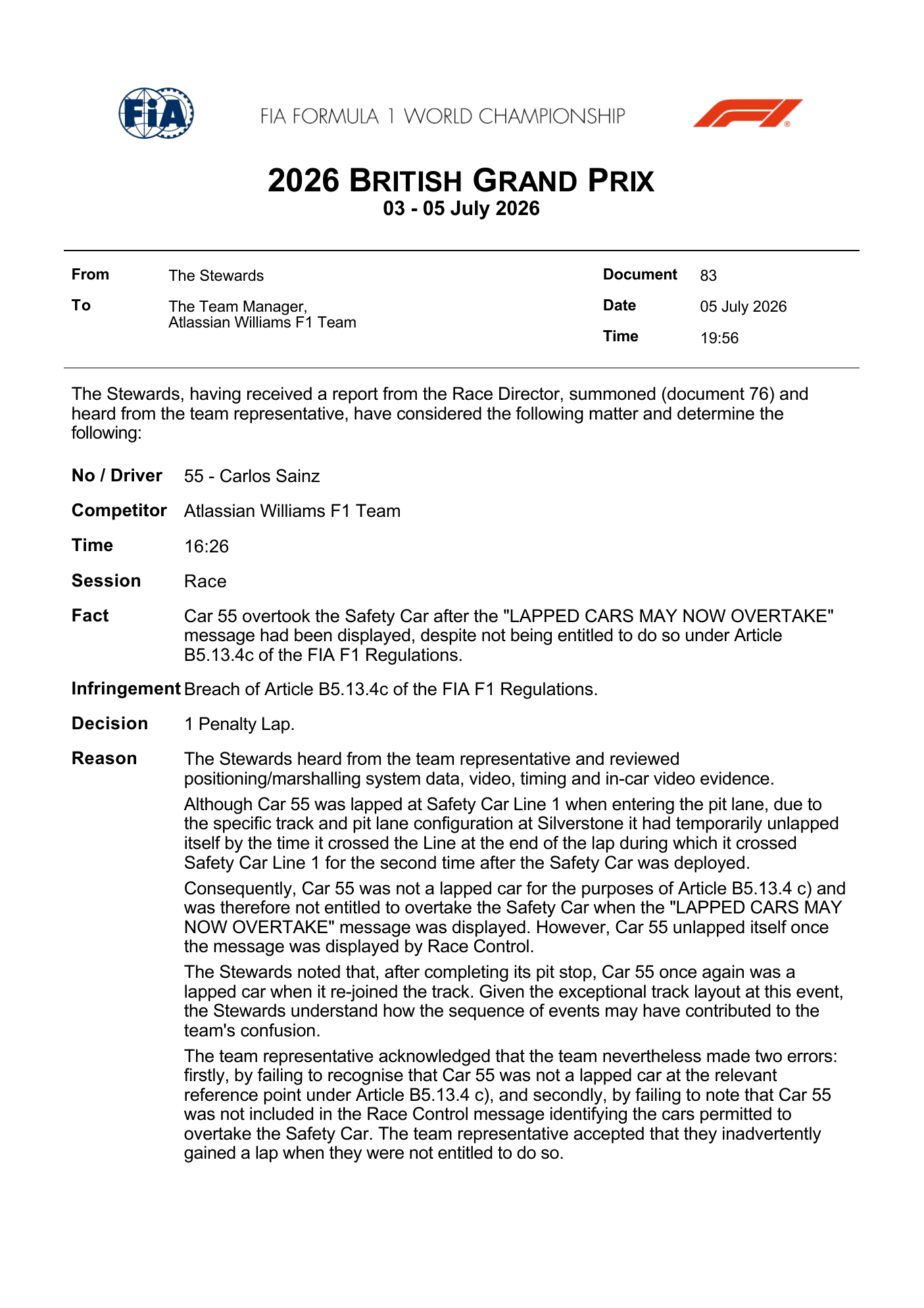
The FIA explained on race day that the message announcing the safety car’s return was a software error: the rules only allow the safety car to come in at the end of the lap after the last lapped car has passed, so no restart was possible. Even with that explanation, the finish is fueling debate among broadcasters, drivers, and fans about how consistently the unlapping and restart procedures are being applied at different circuits.
Silverstone’s layout, one of the longer circuits on the calendar, makes the gap between backmarkers and leaders especially pronounced, which is exactly the scenario Brundle says should have allowed for a clean restart. Whether the FIA addresses the incident through a technical directive or a statement clarifying race control’s reasoning, the 2026 British Grand Prix finish is likely to be cited in future discussions about safety car timing for the remainder of the season.
“I am hoping there is a separate reason for not pitting the safety car and not just a change of mind, or a mistake, not to bring it in. We were all denied a proper end to the grand prix.”
— Martin Brundle, Sky Sports F1
“Whatever the regulations say, it’s not right to wait, especially on a long circuit, for the lapped cars to get through.”
— Martin Brundle, Sky Sports F1
FAQ
Q: Why did the 2026 British Grand Prix end under safety car conditions?
The safety car was deployed on lap 48 after Max Verstappen spun into the gravel at Stowe corner, and race control did not bring it back in before the chequered flag, despite a ‘Safety Car In This Lap’ message appearing on lap 51.
Q: What is Martin Brundle’s criticism of the FIA’s decision?
Martin Brundle argues that race control was not required to wait for lapped cars to fully rejoin the pack before restarting the race, since the trailing cars posed no realistic risk of interfering with the leaders in the closing laps.
Q: Who was affected by the strategy calls during the safety car period?
Charles Leclerc and Lewis Hamilton, first and second at the time, both pitted under the safety car, while George Russell stayed out and inherited second position as a result.
Q: Does the FIA regulation require waiting for all lapped cars before restarting?
The regulation states action can be taken if the race director considers it safe to do so, giving race control discretion rather than a strict requirement to wait for every lapped car to rejoin the pack.
Q: Are these display helmets certified for on-track or protective use?
No, these are full-size 1:1 display and collector replicas intended for exhibition, not certified for protective or on-track use.
Browse F1 Helmet Collection
Display and collector replicas only. Not certified for protective use. Full-size 1:1 scale.
This article was written with the help of AI tools. Editorial policy