
Blog
Cadillac’s 2026 Livery Switch: Why the Design Evolved
 123Helmets Editorial Team
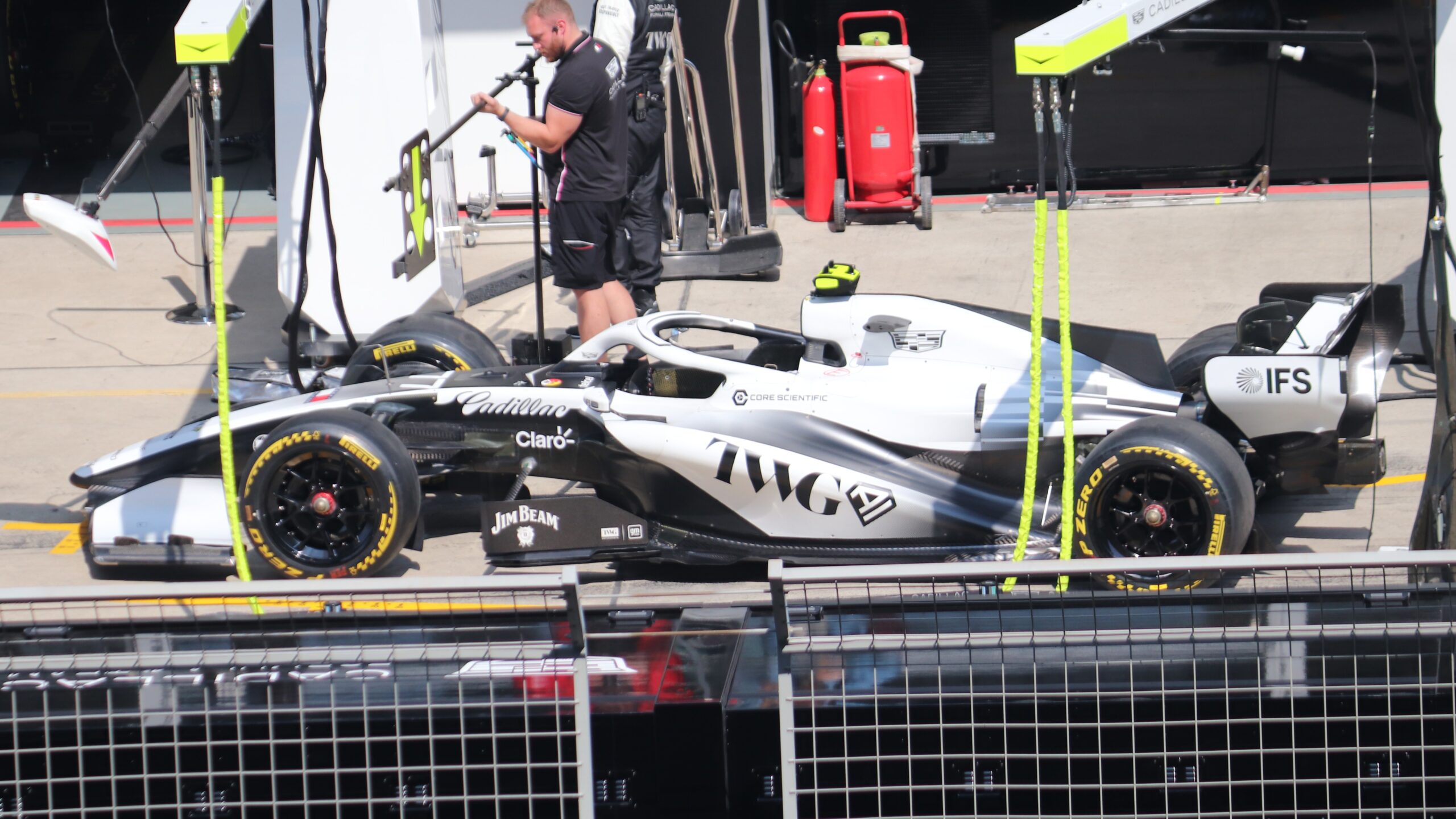
Cadillac Team Principal Graeme Lowdon has confirmed the American outfit’s decision to move away from its original split black-and-white design, explaining that the team’s fluid approach to livery reflects how it wants to do things differently in its debut Formula 1 campaign.
Key Takeaways
Cadillac has now run four distinct livery designs across its debut 2026 season, moving away from the original asymmetric black-and-white split look
Team Principal Graeme Lowdon says the changes reflect Cadillac’s intention to approach Formula 1 differently from established teams
The current livery, introduced at the Belgian Grand Prix, is closely related to the Stars and Stripes design first shown in Miami
Collectors now face a choice between four separate 2026 Cadillac liveries, each tied to a specific race weekend or milestone
A New Look Arrives in Belgium
Cadillac has dropped its original split black-and-white livery for a new design run at the Belgian Grand Prix weekend, marking the fourth distinct look the team has shown since entering Formula 1 in 2026. As the sport’s newest constructor, Cadillac’s debut season has drawn heavy attention, and the team has used that attention to treat its livery as something closer to a rotating showcase than a fixed identity.
The original asymmetric design, split cleanly between black on one side and white on the other, was unveiled during the Super Bowl halftime show ahead of the season and became one of the most talked-about reveals of the pre-season period. That design ran for a stretch of races before Cadillac introduced a special livery in Miami built around a Stars and Stripes motif, followed by a further variation at Silverstone marking the 250th anniversary of the signing of the Declaration of Independence. The Belgian Grand Prix look now replaces the split design entirely, and according to Team Principal Graeme Lowdon, it shares more in common with the Miami version than with the car Cadillac launched at the start of the year.
Graeme Lowdon Explains the Reasoning
Graeme Lowdon says Cadillac’s livery changes are rooted in a deliberate decision to approach Formula 1 differently from how established teams typically operate. Speaking in the Friday press conference at the Belgian Grand Prix, Lowdon addressed the question directly after being asked why the team had moved on from its original design.
“We’ve had quite a few liveries already,” Lowdon said. “We started, as you say, with an asymmetric livery and we launched that during the Super Bowl halftime show, which again we thought was another way of showing that the team wants to approach Formula 1 a little bit differently.” He added that the team had always intended to introduce variety rather than settle on one static look for the season, describing the original reveal as “a really positive move” that the team wanted to build on rather than repeat.
Lowdon’s comments point to a broader pattern in how Cadillac is using its cars as a visual platform throughout its maiden campaign, treating each livery as a moment tied to a specific event rather than a permanent brand fixture.
From Miami to Silverstone: Tracking the Evolution
Cadillac’s livery history in 2026 runs through three prior versions before arriving at the Belgian Grand Prix design. The sequence began with the asymmetric black-and-white split shown at the Super Bowl, moved to the Stars and Stripes design run in Miami, then shifted again for Silverstone to mark the 250th anniversary of the Declaration of Independence being signed. Lowdon confirmed that the current Belgian Grand Prix livery is closely related to the Miami design rather than a fresh departure.
“The livery that we have now is actually quite similar to that Miami livery,” Lowdon explained. “And then in the middle of that we introduced the [livery] to commemorate the 250th anniversary of the signing of the Declaration of Independence.” That description places the Belgian Grand Prix look as effectively a return to the Miami aesthetic, with the Silverstone commemorative design treated as a standalone, one-off appearance rather than a lasting shift in direction.
For a team just months into its first Formula 1 season, running four separate liveries by the midpoint of the calendar is an unusually high rate of visual change compared with how most constructors handle their car design across a season.
Pushing Boundaries as a New Team
Cadillac’s approach to livery design is being framed by Lowdon as part of a wider effort to push boundaries as a newly arrived constructor. Rather than treating the car’s paint scheme as fixed once launched, the team has used race weekends, national milestones, and fan reception as reasons to keep adjusting the design throughout its debut year.
Lowdon indicated that fan response has directly shaped decisions, pointing to how well the Miami design was received as a factor in the team returning to a similar look for Belgium. That willingness to let outside reaction influence the car’s appearance marks a different operating style from teams that lock in a single livery at pre-season launch and keep it unchanged for the full calendar.
The result is a season-long pattern that has kept Cadillac’s car visually current at nearly every major race weekend, whether tied to a cultural moment like the Super Bowl, a national holiday tie-in at Silverstone, or a fan-favorite design revival at Spa.
What It Means for Collectors
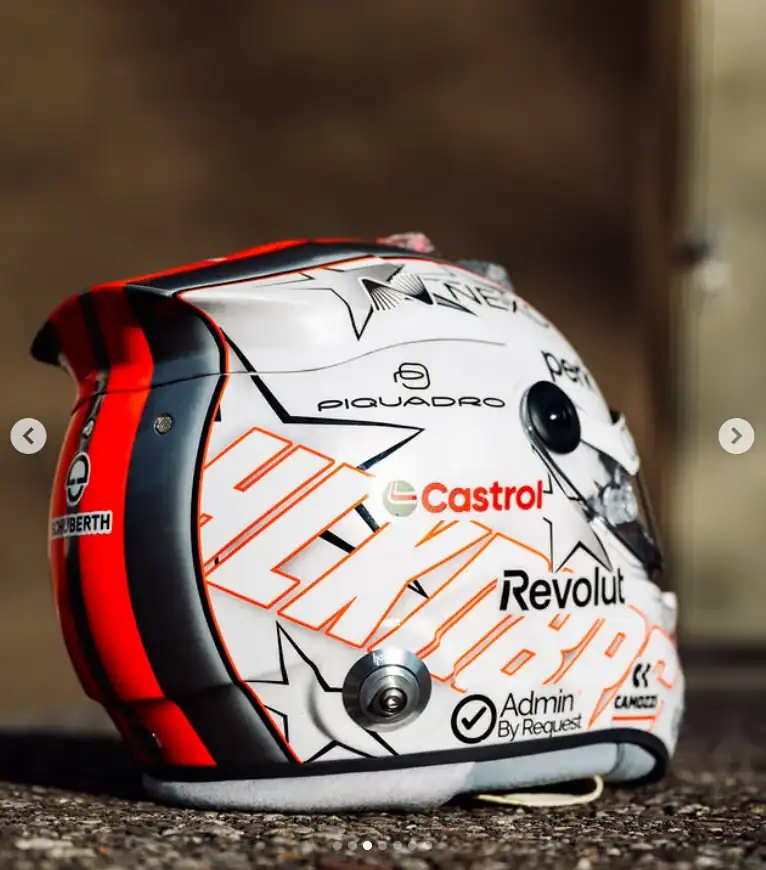
Four separate 2026 Cadillac liveries across one debut season gives collectors a genuinely varied set of designs to track from a single team’s first year in Formula 1. The original Super Bowl-launched asymmetric split, the Miami Stars and Stripes design, the Silverstone 250th-anniversary commemorative look, and now the Belgian Grand Prix version each represent a distinct chapter in the team’s opening campaign.
For anyone following Cadillac’s on-track lineup, drivers Valtteri Bottas and Sergio Perez have driven the car through each of these livery phases in 2026, giving each design a direct link to specific race weekends rather than a generic season-long look. Fans building a collection around Cadillac’s debut year now have a genuine choice between designs tied to distinct moments: a Super Bowl reveal, a Miami weekend, a Silverstone commemorative event, and the current Belgian Grand Prix look.
A team changing its livery four times in a single debut season is a rare occurrence in Formula 1, and it gives Cadillac’s first year a level of visual documentation that few rookie constructors have matched.
“We’ve had quite a few liveries already. We started with an asymmetric livery and we launched that during the Super Bowl halftime show, which again we thought was another way of showing that the team wants to approach Formula 1 a little bit differently.”
— Graeme Lowdon, Cadillac Team Principal
“The livery that we have now is actually quite similar to that Miami livery. And then in the middle of that we introduced the livery to commemorate the 250th anniversary of the signing of the Declaration of Independence.”
— Graeme Lowdon, Cadillac Team Principal
FAQ
Q: Why did Cadillac change its livery for the Belgian Grand Prix?
Cadillac moved away from its original split black-and-white livery because Team Principal Graeme Lowdon says the team wants to approach Formula 1 differently, using varied liveries tied to specific moments rather than one fixed design for the season.
Q: How many liveries has Cadillac run in its 2026 debut season?
Cadillac has run four distinct liveries in 2026: the original Super Bowl-launched asymmetric split, a Stars and Stripes design in Miami, a 250th-anniversary commemorative design at Silverstone, and the current design introduced at the Belgian Grand Prix.
Q: Is the new Belgian Grand Prix livery a completely new design?
No, Graeme Lowdon confirmed the current livery is closely related to the design Cadillac ran in Miami, rather than being an entirely new concept introduced for Belgium.
Q: What did the Silverstone livery commemorate?
Cadillac’s Silverstone livery marked the 250th anniversary of the signing of the Declaration of Independence, a one-off design distinct from the team’s Miami and Belgian Grand Prix looks.
Q: Who drives for Cadillac in its 2026 Formula 1 debut season?
Valtteri Bottas and Sergio Perez have driven for Cadillac through the 2026 season, appearing across each of the team’s four livery variations from the Super Bowl launch through to the Belgian Grand Prix.
Browse F1 Helmet Collection
Display and collector replicas only. Not certified for protective use. Full-size 1:1 scale.