Blog
F1 Drivers Brace for Low-Battery Racing at Monza 2026
 123Helmets Editorial Team
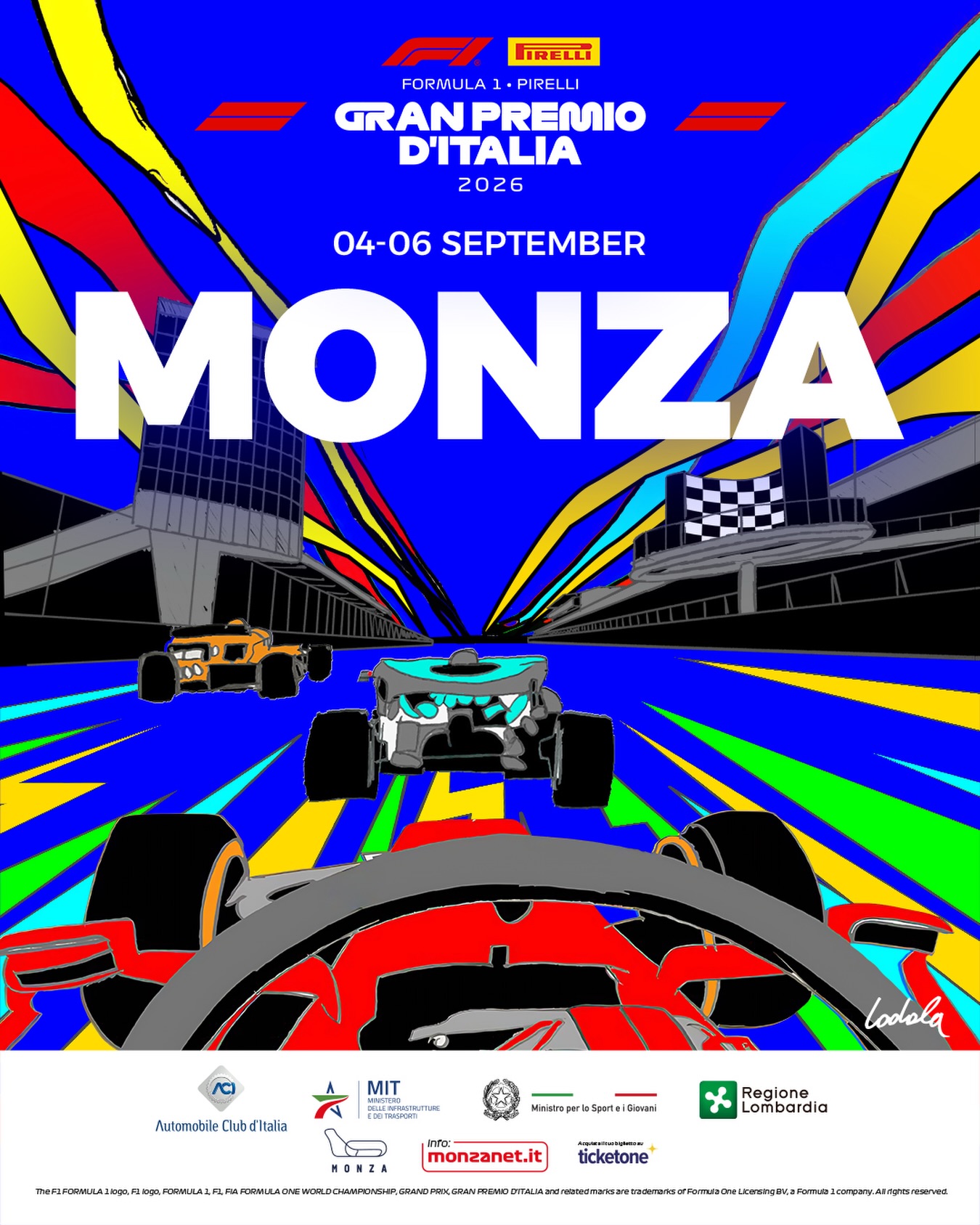
Formula 1 drivers head into the 2026 Monza weekend expecting the same energy-management struggles that hit Silverstone and Spa, even as the FIA trims the harvesting limit to try to soften the effect on the sport’s fastest circuit.
Key Takeaways
Lewis Hamilton says cars arrive 20-30km/h slower into braking zones than in previous years due to energy depletion
The FIA has cut the harvesting limit to 4MJ per lap for Monza, the lowest figure on the 2026 calendar so far
Monza’s 5.5km layout has fewer high-speed corners than Silverstone or Spa, reducing the risk of mid-corner speed drop-offs
Engineers expect less dangerous ‘super clipping’ at Monza because there is less energy available to spend in the first place
Why Monza Is Different From Silverstone and Spa
Monza shares the same core problem as Silverstone and Spa but not the same danger points. All three circuits carry a high percentage of full-throttle running, which strains the 2026 power units under the sport’s tighter energy rules. Monza’s 5.5km layout, though, has fewer high-speed corners that can be compromised by battery management, and its braking zones are larger than those found at Spa’s Pouhon or Silverstone’s Stowe. That structural difference means the optical impact of energy shortfalls should be less dramatic at Monza, even if the underlying deficit in power is just as real.
Engineers point out that a straight followed by a big braking zone is a very different challenge to a straight feeding directly into a high-speed corner. At Monza, drivers can absorb an early downshift without it turning into a corner-compromising moment, whereas at Spa or Silverstone the same energy drop mid-corner has produced visibly unsettled cars.
Lewis Hamilton’s Warning on Straight-Line Speed
Lewis Hamilton says cars will arrive into Monza’s braking zones 20 to 30km/h slower than in past seasons because of reduced battery deployment at the end of the straights. “Down the straights with the [drag] reduction system, it’s still quick, but then we lose this power,” the Ferrari driver said. “We arrive maybe 20km/h or 30km/h slower than we have in the past at the end going into the corners, which probably takes some getting used to.”
Hamilton, who has raced at Monza across multiple eras of engine regulation, also flagged the change to the circuit’s sound and sensation. “It was always amazing to arrive here and just hear the engine screaming at the end of the straight, and pulling just up to the braking zone. That won’t be the case this weekend,” he said. His comments echo concerns raised by drivers after difficult energy-management weekends at Silverstone and Spa earlier in the 2026 season.
The FIA’s 4MJ Harvesting Limit
The FIA has set a harvesting limit of 4MJ per lap for Monza, the lowest figure applied on the 2026 calendar so far. The reduction is a direct response to the energy problems seen at other high-speed venues this season, and it is designed to limit how much battery drivers can pull back from the engine while at full throttle. With less energy available to harvest in the first place, teams and drivers expect a reduction in what has been called “super clipping” — the practice of harvesting against the engine at full throttle, which can create sudden and dangerous speed differences between cars on the same straight.
Reducing the harvesting ceiling does not eliminate the underlying shortage of deployable energy. It simply changes where and how drivers feel it. Rather than a sharp mid-straight speed drop, the expectation at Monza is a smoother but still noticeable loss of pace on corner entry, in line with Hamilton’s 20-30km/h estimate.
What Less Energy Means for Racing at the Temple of Speed
Monza will still reward horsepower, but the margin for error created by battery deployment has narrowed compared with the circuit’s history. For 50 years Monza’s identity has rested on its long straights and minimal changes to a layout built for speed. The 2026 power unit rules do not touch the asphalt, but they do touch what a driver can extract from the engine at the point that has always defined the venue: the run to the first and second chicanes.
Because Monza lacks a fast, sweeping corner directly fed by a long straight, the sport may avoid the more alarming scenes witnessed at Spa’s Pouhon or Silverstone’s high-speed section this season. But drivers are treating this as a mitigation, not a solution. The energy deficit is calendar-wide in 2026, and Monza’s lower harvesting limit of 4MJ per lap is one of the clearest technical signals yet of how seriously the FIA is treating the issue heading into the final stretch of the season.
Monza’s Place in Helmet History
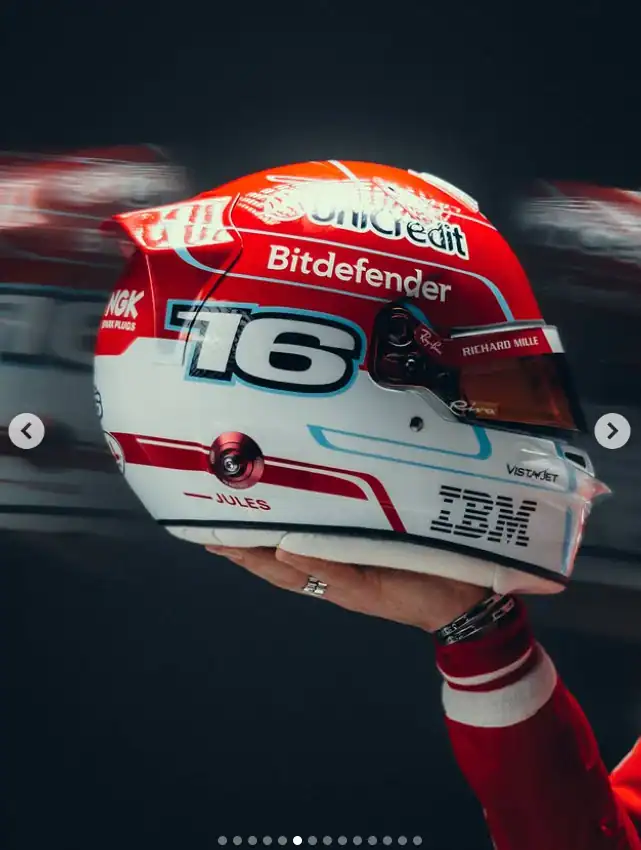
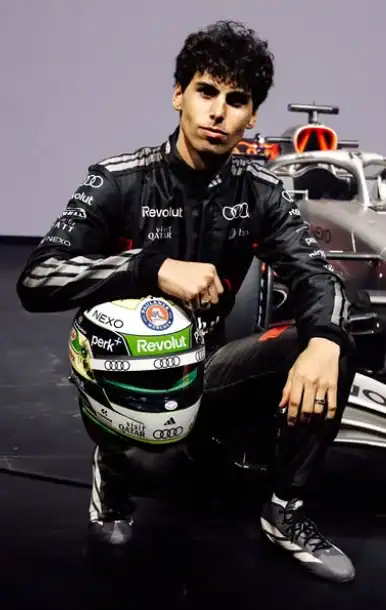
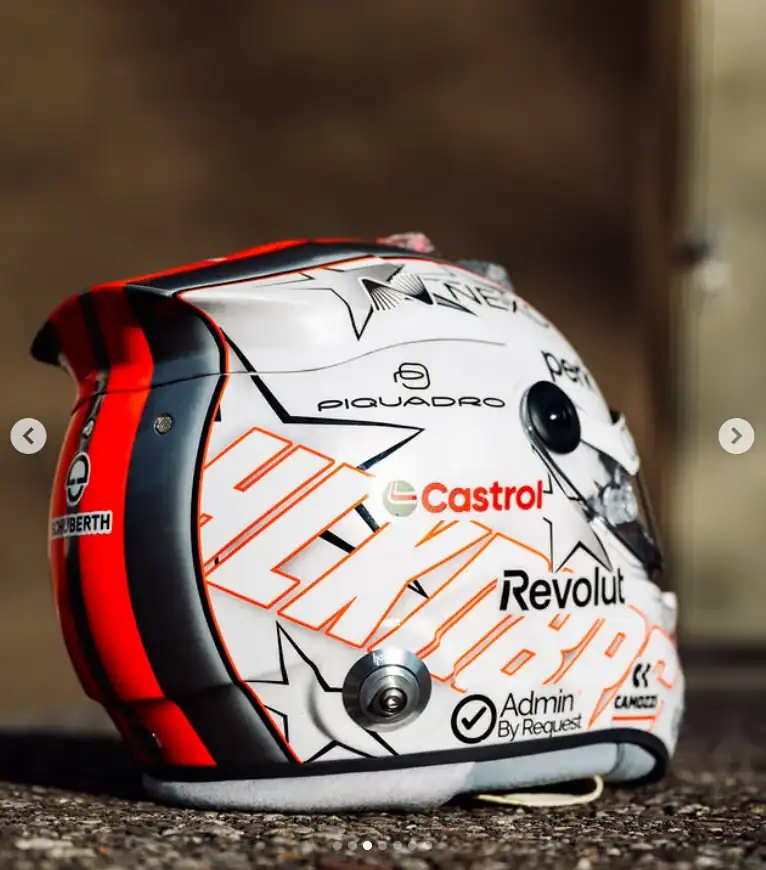
Monza has produced some of the most recognisable liveries in Formula 1 because of its status as the sport’s fastest and most historic circuit. Teams and drivers have used the Italian Grand Prix weekend for special-edition helmet designs across decades of engine regulation changes, from the screaming naturally aspirated era to today’s hybrid power units. For collectors, a full-size 1:1 display helmet tied to a Monza weekend carries that history regardless of how the on-track energy rules evolve season to season. 123Helmets.com carries exhibition-quality replicas inspired by drivers and teams who have raced at the Temple of Speed, built as display pieces for fans who want a physical link to Formula 1’s fastest venue.
“Down the straights with the [drag] reduction system, it’s still quick, but then we lose this power. We arrive maybe 20km/h or 30km/h slower than we have in the past at the end going into the corners, which probably takes some getting used to.”
— Lewis Hamilton, Ferrari
“It was always amazing to arrive here and just hear the engine screaming at the end of the straight, and pulling just up to the braking zone. That won’t be the case this weekend.”
— Lewis Hamilton, Ferrari
FAQ
Q: Why is energy management a problem at Monza in 2026?
Monza’s high percentage of full-throttle running exposes the same battery deployment limits that affected Silverstone and Spa earlier in the 2026 season, causing cars to lose speed before braking zones.
Q: How much slower are cars into Monza’s corners in 2026?
Lewis Hamilton estimates cars arrive 20 to 30km/h slower into braking zones compared with previous seasons, due to reduced power at the end of the straights.
Q: What harvesting limit has the FIA set for Monza?
The FIA has set a 4MJ per lap harvesting limit for the Monza weekend, the lowest figure applied anywhere on the 2026 calendar so far.
Q: Is Monza expected to be as badly affected as Spa or Silverstone?
Not as visibly, because Monza has fewer high-speed corners and bigger braking zones than Spa’s Pouhon or Silverstone’s Stowe, reducing the chance of a dramatic mid-corner speed drop.
Q: What is ‘super clipping’ in F1 energy management?
Super clipping is when drivers harvest battery energy against the engine while at full throttle, creating sudden speed differences between cars that can become dangerous on shared straights.
Browse F1 Helmet Collection
Display and collector replicas only. Not certified for protective use. Full-size 1:1 scale.