Blog
Franco Colapinto’s Paddock Pass Hunt: The Alpine Driver’s Race-Day Reality at Barcelona
 123Helmets Editorial Team
Franco Colapinto arrived at the Circuit de Barcelona-Catalunya on race morning with a backpack, a bum bag, and enough pockets to lose a paddock pass in all of them. A paddock photo shared on social media caught the moment — and the quiet scramble it represents for a driver still carving out his place in the Alpine garage.
Key Takeaways
Franco Colapinto starts the Barcelona Grand Prix from 13th on the grid, outside the points-paying top 10.
A paddock photo shared on social media captured Colapinto searching through multiple bags and pockets for his pass before reaching the garage.
Starting 13th requires Colapinto to pass at least 3 cars to reach the points, a significant task at a circuit known for limited overtaking opportunities.
The moment illustrates the unglamorous, human side of F1 race-day routine that collector replica displays are built to honour.
The Paddock Pass Panic That Started Colapinto’s Race Day
Franco Colapinto could not find his paddock pass on Barcelona GP race morning, turning a routine entry into a multi-bag search that was shared on social media. Colapinto checked through a backpack, a bum bag, and what the post described as “so many pockets” before the credential eventually turned up. Only then could the Argentine Alpine driver turn his attention to the 2026 Spanish Grand Prix itself.
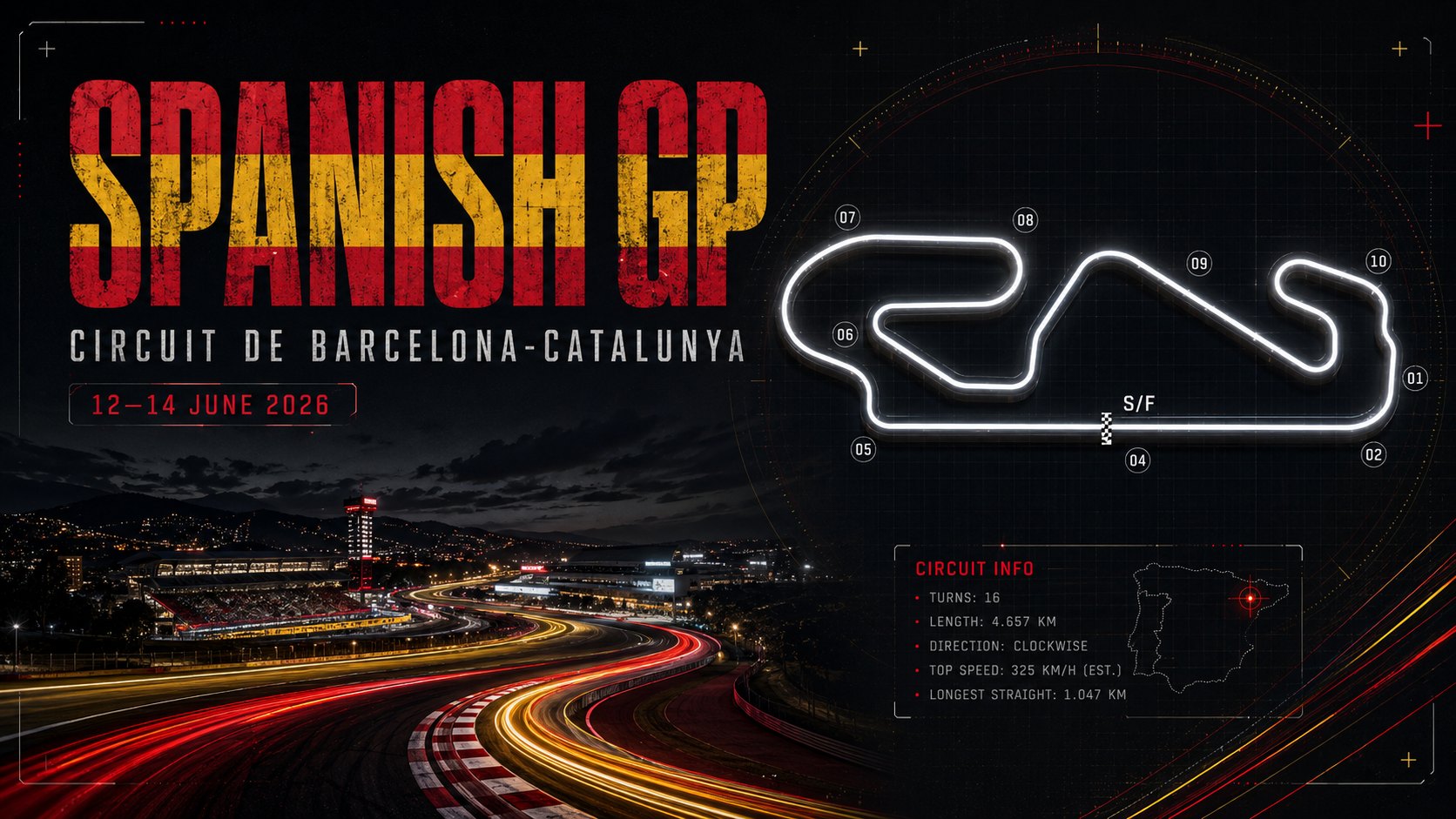
It is the kind of moment that never makes the highlight reel but lives permanently in the memory of anyone who has watched elite sport up close. A paddock pass at a Formula 1 race is not simply an access card — it is the physical token that separates the outside world from the 4.657-kilometre Circuit de Barcelona-Catalunya paddock, one of the most controlled sporting environments on the planet. Without it, rank and grid position count for nothing at the gate.
The scene was posted to X with the caption: “SEARCHING FOR HIS PASS — With so many pockets, a backpack, and a bum bag to check through, finding his paddock pass proved tricky this morning for Franco Colapinto. Once eventually located, attention quickly turned to the job ahead.” The post was tagged #f1news #alpinef1 #barcelonagp and landed ahead of a race that would ask far more of Colapinto than simply getting through the gate.
P13 on the Grid: What Colapinto Faces at Barcelona
Colapinto starts the 2026 Spanish Grand Prix from 13th position, meaning he must pass at least 3 cars to reach the points-paying top 10. That arithmetic sounds straightforward; the Circuit de Barcelona-Catalunya makes it anything but. The 4.657 km layout has historically produced some of the lowest overtaking rates on the calendar, with the medium-to-high-speed complex between Turn 3 and Turn 9 offering little room for committed side-by-side racing. The main DRS detection point on the main straight and the Zone along the pit-straight provide the clearest opportunity, but drivers defending that line know its value.
Barcelona is also a circuit where tyre degradation separates the strategic winners from the grid-order finishers. A driver starting 13th has two realistic paths to points: an undercut executed early enough to jump cars during the pit-stop window, or a long first stint that capitalises on rivals who cannot protect their rubber. Alpine’s race strategy team will have mapped both options before Colapinto even cleared the paddock gate.
For a driver in his first full campaign with Alpine after an impressive late-2024 cameo at Williams, Barcelona represents exactly the kind of measured, pressure-managed afternoon that builds a points-scoring record. The task is not spectacular — it is precise. Starting 13th at a circuit with 66 scheduled racing laps means every decision from lap 1 counts.
Franco Colapinto at Alpine: The Context Behind the Credential
Franco Colapinto joined Alpine for the 2026 F1 season after his late-2024 Williams appearances showed genuine single-lap pace and racecraft beyond his experience level. Born on 27 May 2003, Colapinto is one of the youngest drivers on the current grid and carries the weight of being Argentina’s first F1 race entrant in decades, a fact that generates intense media attention every race weekend.
The Barcelona paddock on any Grand Prix weekend holds roughly 4,000 credentialled personnel across all teams, broadcast partners, and commercial rights holders. Navigating that environment as a 22-year-old in your first full season, with paddock cameras somewhere nearby, is a different kind of performance pressure from qualifying. The pass-hunting moment is funny precisely because it is relatable — but it also frames how much mental bandwidth a race-day morning demands before the visor comes down.
Alpine itself is fighting for position in the midfield constructors’ battle in 2026, and every point Colapinto — or his team-mate — scores matters to the end-of-year prize fund that funds the following season’s development. A 13th-place start is not a disaster for a team in that position; it is a baseline from which gains can be extracted.
What a Moment Like This Means for Collector Culture
A paddock-pass search at 8:45 on a Barcelona race morning is exactly the kind of detail that transforms a driver from a television broadcast entity into a real, collectable figure in fan culture. Collector and display communities are built on moments of authentic connection — the knowledge that behind every helmet replica on a shelf, there is a person who also once stood at a paddock gate checking their pockets.
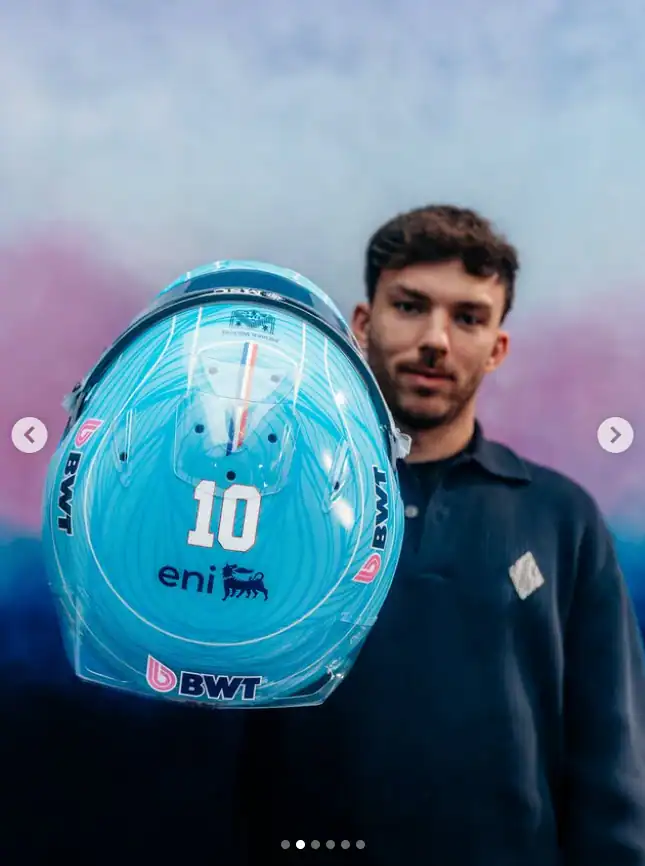
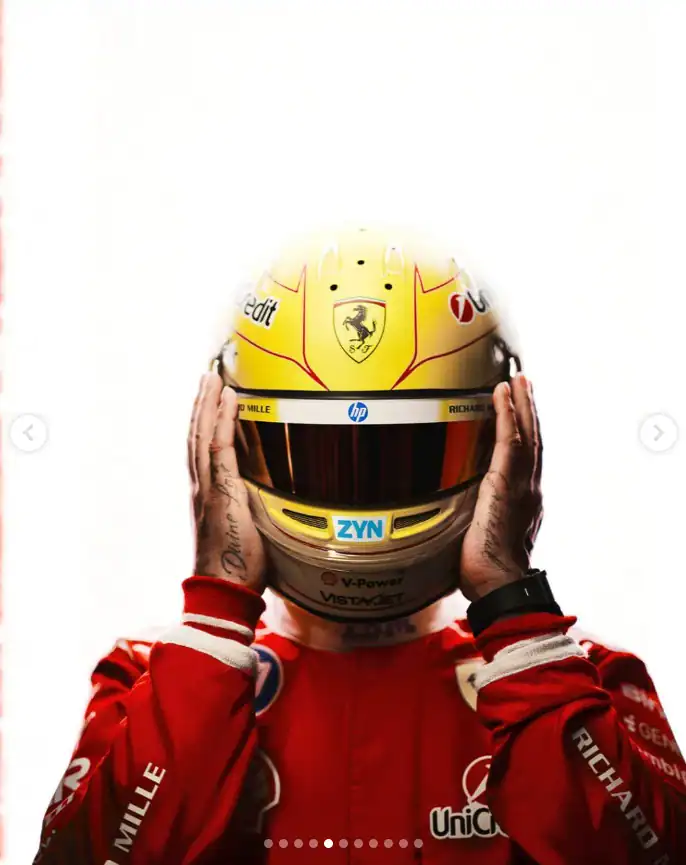
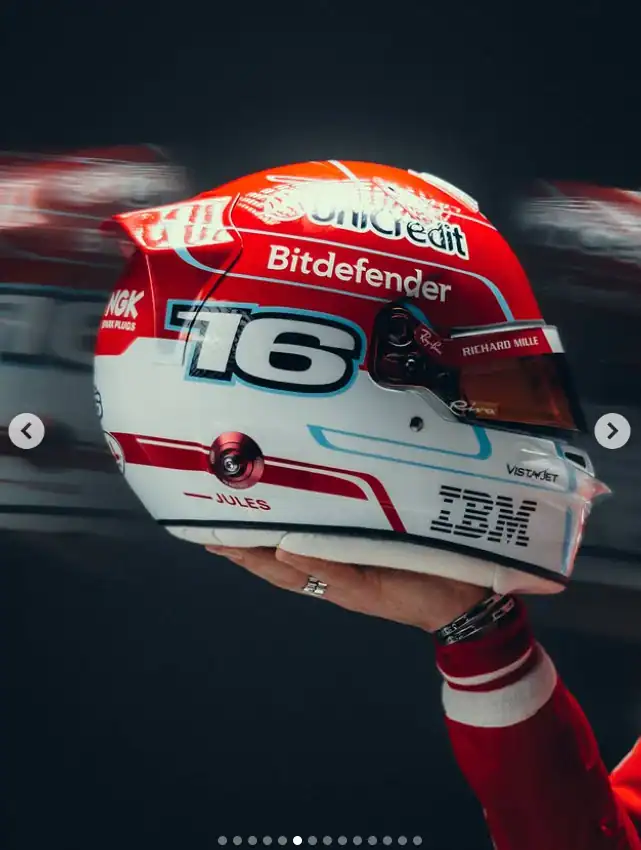
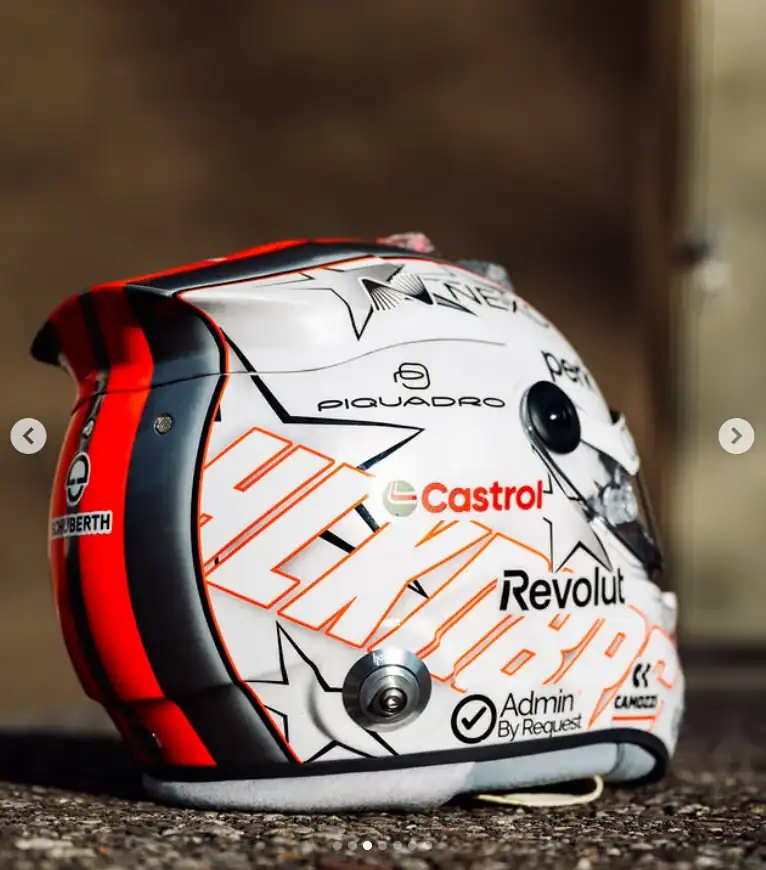
Full-size 1:1 display replicas of F1 helmets are exhibition-quality collector pieces, produced at the exact dimensions and weight of a race helmet — typically around 1.2–1.5 kg and scaled to 29 × 25 × 35 cm in overall profile — finished with the same graphic liveries worn by the drivers at race weekends. They are not functional safety items and carry no FIA, Snell, ECE, or DOT certification; they are display pieces designed to honour the sport’s visual identity and the drivers who carry those graphics into competition.
A Colapinto Barcelona-spec helmet display piece, for instance, connects directly to this race weekend — to the 66-lap Spanish Grand Prix, to a 13th-place grid slot, and yes, to a driver who once had to check three separate bags before he could get into the building. That is the context collectors value: not just the colour scheme, but the full story of a specific race weekend, however unglamorous parts of it turned out to be.
Collector culture in F1 has always been about specificity. A 2026 Alpine Colapinto Barcelona helmet is not interchangeable with any other — it is tied to this circuit, this grid position, this moment in the career of a 22-year-old Argentine who is still learning what it means to have 4,000 people and one photographer waiting for him on the other side of the gate.
Barcelona GP Race-Day Display and the Collector’s Record
Every F1 race weekend produces a fixed, permanent record: a starting grid, a set of lap times, a finishing order, and a clutch of images that define how that event is remembered. The 2026 Spanish Grand Prix at the 4.657 km Circuit de Barcelona-Catalunya adds to a race history that stretches back to 1991, and within it, Colapinto’s 13th-place start is now a data point that never changes.
Display collectors understand this permanence better than most. A replica helmet tied to a specific race weekend is a three-dimensional timestamp. It says: this driver, this season, this event. The full-size 1:1 format — built to match the dimensions of the actual race-worn piece — means the display reads as authentic in any room, a genuine artefact of a specific competitive moment rather than a generic souvenir.
For Alpine, Barcelona 2026 is one race in a long constructors’ campaign. For Colapinto, it is one Saturday grid result in a career that is still being written. For a collector, it is a fixed coordinate: the morning the credentials went missing, the afternoon when 66 laps of racing determined whether the scramble through the bum bag was worth it. That is the kind of story a display piece carries — quietly, on a shelf, in full 1:1 scale.
FAQ
Q: What grid position does Franco Colapinto start from at the 2026 Barcelona Grand Prix?
Colapinto starts 13th on the grid at the 2026 Spanish Grand Prix. That puts him 3 positions outside the points-paying top 10 on a circuit where overtaking requires either a strategic undercut or a tyre-management advantage over the cars ahead.
Q: How long is the Circuit de Barcelona-Catalunya where the 2026 Spanish Grand Prix is held?
The Circuit de Barcelona-Catalunya is 4.657 km per lap. The 2026 Spanish Grand Prix is scheduled for 66 laps, giving a total race distance of approximately 307 km.
Q: Are 1:1 F1 helmet replicas the same size and weight as a real race helmet?
Full-size 1:1 display replicas are built to match the dimensions of a race helmet — typically around 29 × 25 × 35 cm in profile and approximately 1.2–1.5 kg — with the same livery graphics as the race-worn version. They are exhibition-quality display and collector pieces only, with no FIA, Snell, ECE, or DOT certification, and are not intended for any protective or road/track use.
Q: Why do F1 collectors value race-specific helmet replicas over generic designs?
Race-specific replicas are tied to a fixed event record — a particular circuit, grid position, and season — making them precise historical objects rather than generic decorative items. A Colapinto Barcelona 2026 piece, for example, connects to a 13th-place start, a specific race-morning story, and a defined moment in the driver’s career that can never be altered.
Browse F1 Helmet Collection — explore our full range of full-size 1:1 display replica helmets from the 2026 season and beyond. Each piece is an exhibition-quality collector item, built to race dimensions and finished with authentic livery graphics. Visit the shop and find the driver and race weekend that matters most to you.
Display and collector replicas only. Not certified for protective use. Full-size 1:1 scale.
This article was written with the help of AI tools. Editorial policy