
Blog
George Russell Qualifies P4 Amid Straight-Line Speed Woes
 123Helmets Editorial Team
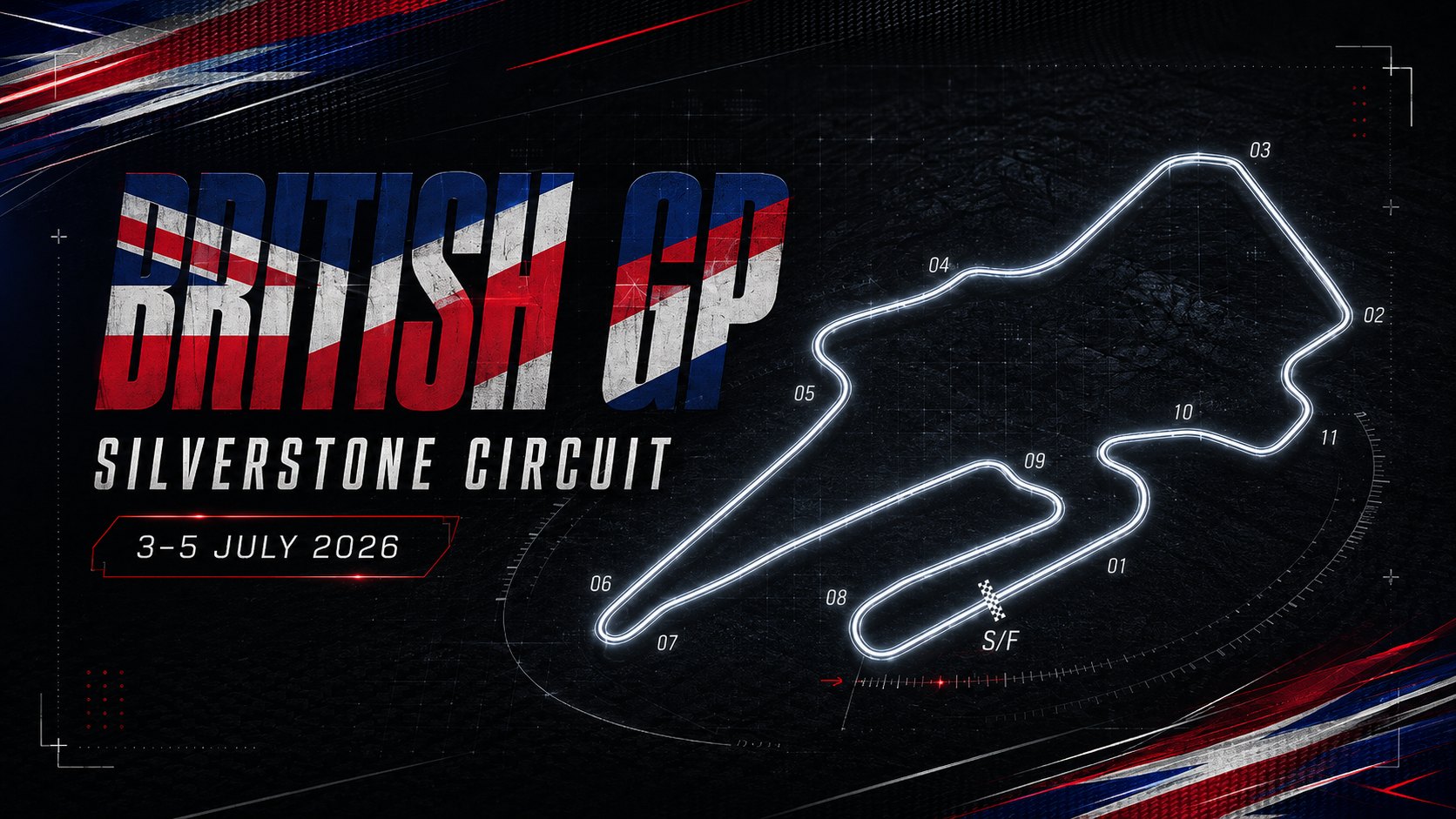
George Russell will start Sunday’s Grand Prix from P4 after a qualifying session defined by a straight-line speed deficit he says cost him close to three-tenths of a second in Q3 alone, with Mercedes now racing to find the cause before lights out.
Key Takeaways
George Russell qualified P4 for this weekend’s Grand Prix after reporting significant time loss on the straights.
Russell says he lost almost three-tenths of a second in the straights during Saturday’s Q3 run.
Speed trap data showed a 3 km/h deficit in the middle sector and 6 km/h in the final sector compared to his teammate and the McLaren cars.
Mercedes engineers believe a brake-related issue may explain the shortfall and worked through the morning to trace it.
Qualifying Result: Russell Locks In P4
George Russell will line up P4 for Sunday’s Grand Prix after a qualifying session he described as tricky from the opening runs. The Mercedes driver was competitive through the twisty sections but conceded significant ground on every straight, a pattern that repeated itself across both Saturday’s Q3 and an earlier session the day before.
Russell was direct about where the lap time went missing. Speaking after the session, he pointed to the speed traps as the clearest evidence of the problem, noting the gap opened up in the middle and final sectors specifically, the parts of the lap where raw straight-line pace matters most.
For a driver used to fighting for pole positions, starting fourth on the grid represents a lap compromised by a mechanical or aerodynamic shortfall rather than a driving error, and Russell made that distinction clear in his post-qualifying comments.
Where the Time Went: The Straight-Line Numbers
Russell says he lost almost three-tenths of a second in the straights during Q3 alone. “All weekend we’ve been losing lots of time in the straights,” he explained, adding that the same pattern showed up again in final qualifying when he checked the speed trap data.
The numbers he cited were specific: a 3 km/h deficit in the middle sector and a 6 km/h deficit in the last sector, measured against both his own teammate and the McLaren cars on track. For context, a gap of that size across two sectors on a single lap is enough to turn a potential front-row lockout into a P4 start, especially at a circuit where straight-line speed feeds directly into overtaking and defending positions on race day.
Sector-by-sector speed trap deltas like these are exactly the kind of hard data engineers use to isolate a problem, whether it originates from a setup choice, a power unit mode, or added drag somewhere on the car.
Mercedes Chases a Possible Brake-Related Cause
Mercedes engineers believe they may have identified a brake-related explanation for the straight-line shortfall. Russell revealed that the team thought they had found the problem during Saturday morning’s session, only for the same deficit to reappear once qualifying got underway in the afternoon.
That sequence, an early morning diagnosis followed by a repeat issue in competitive running, points to a fix that either wasn’t fully applied or didn’t address the root cause. Brake-related drag can quietly cost straight-line speed without an obvious symptom elsewhere on the lap, which is why it can take multiple sessions to isolate compared to a more visible aerodynamic issue.
With the team still working through the data, resolving the gap before Sunday’s race is now a priority, since a repeat of a 6 km/h deficit in the final sector would leave Russell vulnerable to being passed on the straights rather than in the corners.
Why Straight-Line Speed Matters So Much in 2026
Straight-line speed differences of a few km/h carry outsized weight in the current regulation cycle. The 2026 power unit and aerodynamic rules have shifted the balance of performance across the grid, and teams that nail the drag-versus-downforce trade-off on a given weekend can bank tenths purely on the straights, exactly the kind of margin Russell described losing to the McLaren cars.
That context matters for how this qualifying result should be read. A driver a few tenths off pole due to a straight-line deficit is not necessarily giving away lap time through driving; it is a car-side issue that engineers can, in principle, correct with a setup change or a mechanical fix once located. Mercedes will know that better than most given how tight the current midfield and front-running order has become through the 2026 season.
The Collector’s View: Race Weekends Worth Preserving
Qualifying sessions like this one are part of what makes a Grand Prix weekend worth documenting beyond the results sheet. A driver’s own breakdown of where time was lost, cited down to the sector and the speed trap, is the kind of detail that gives a race weekend its story, and it’s exactly the sort of moment collectors look to commemorate through full-size 1:1 replica helmets built to exhibition quality.
A display piece from a season like this one lets a fan mark a specific weekend, a specific quote, or a specific driver’s fight against the numbers, rather than just a generic result. For those following George Russell’s 2026 campaign, a collector helmet from the Mercedes lineup makes a natural centerpiece next to a shelf or cabinet, especially for a season already defined by tight margins between the top teams.
Fans of the McLaren cars referenced in Russell’s own comments may also want to look at replicas from the McLaren collection, given how central their straight-line advantage has been to the qualifying picture this weekend.
Looking Ahead to Race Day
Sunday’s race remains unresolved, and nothing about the final grid order guarantees how the afternoon will unfold. Russell starts P4 with a known straight-line deficit that Mercedes is still working to fix, and how much of that gap can be closed before lights out will shape whether he can hold position, gain ground, or find himself defending against faster McLaren cars down the straights.
What is confirmed is the qualifying order and the diagnosis so far: a three-tenths loss in Q3, a 3 km/h deficit in the middle sector, and a 6 km/h deficit in the final sector. Everything beyond that, from strategy calls to on-track battles, will play out once the race gets underway.
“All weekend we’ve been losing lots of time in the straights. Yesterday in Q3 it was almost three-tenths I lost in the straights, again today in qualifying, you look at the speed traps, it’s 3k down middle sector, 6k down in the last sector, compared to my team mate, and compared to the other McLaren cars.”
— George Russell, via Adam Cooper (@adamcooperF1)
FAQ
Q: What grid position did George Russell qualify in?
George Russell qualified P4 for this weekend’s Grand Prix after a session affected by a straight-line speed deficit on his Mercedes.
Q: How much time did Russell lose on the straights?
Russell said he lost almost three-tenths of a second in the straights during Q3, with speed trap data showing a 3 km/h deficit in the middle sector and 6 km/h in the final sector compared to his teammate and the McLaren cars.
Q: What is causing the Mercedes straight-line speed issue?
Mercedes engineers suspect a brake-related cause. Russell said the team believed they had found the problem during Saturday morning’s running, but the same deficit reappeared in qualifying.
Q: Does this qualifying result affect the race outcome?
It cannot be predicted from qualifying alone. Russell starts P4 with a known car issue, but Sunday’s race result depends on strategy, track conditions, and whether Mercedes resolves the straight-line deficit before the start.
Q: Are there collector helmets available for this season’s drivers?
Yes, full-size 1:1 display replica helmets covering current F1 drivers and teams are available to browse, offering exhibition-quality pieces for fans following the 2026 season.
Browse F1 Helmet Collection
Display and collector replicas only. Not certified for protective use. Full-size 1:1 scale.
This article was written with the help of AI tools. Editorial policy