Blog
Isack Hadjar’s Brutal Self-Critique: Inside the Rookie’s Honest Qualifying Verdict
 123Helmets Editorial Team
Isack Hadjar’s Brutal Self-Critique: Inside the Rookie’s Honest Qualifying Verdict
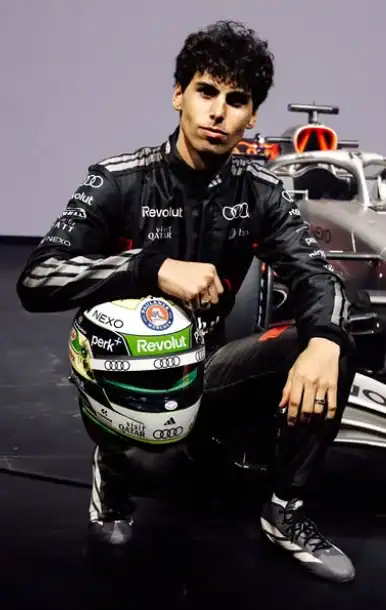
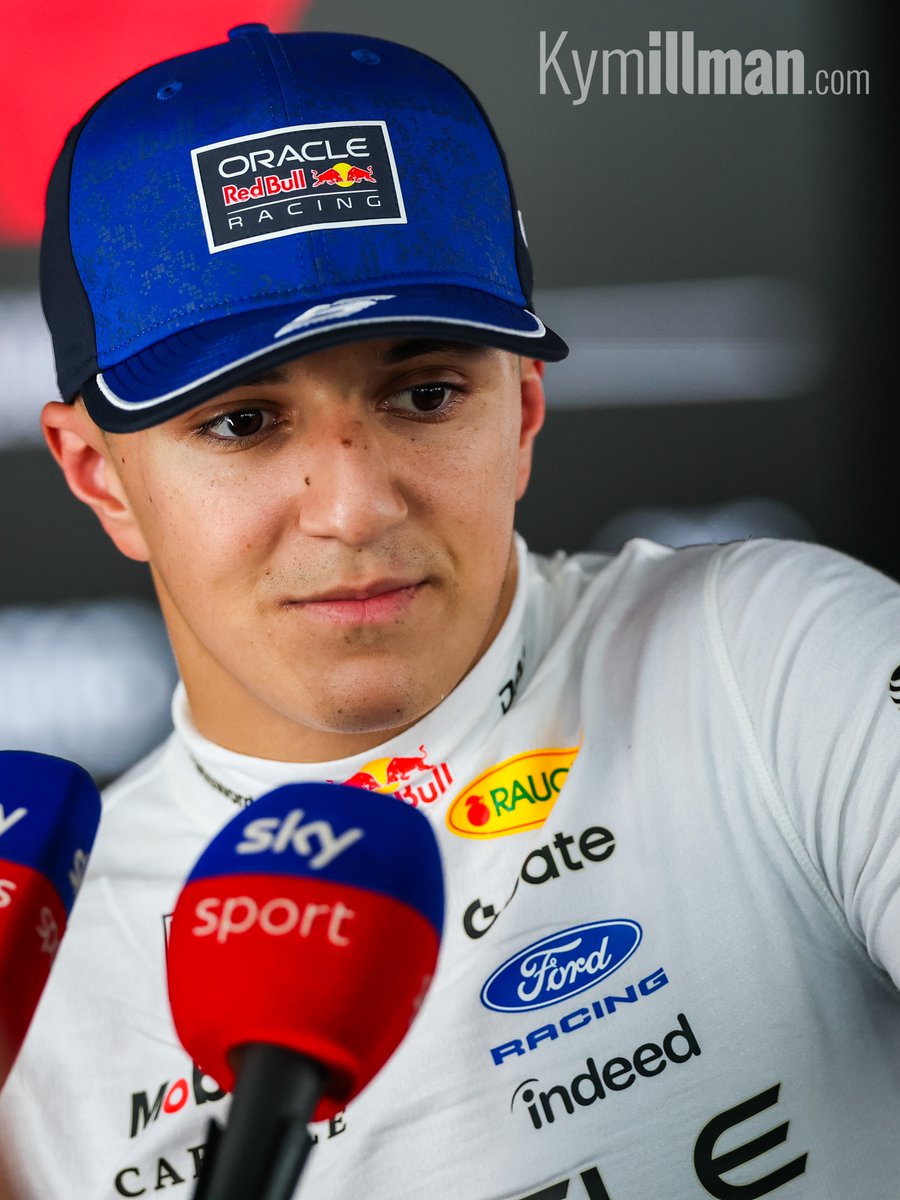
In an era where F1 drivers are media-trained to perfection, Isack Hadjar’s raw self-criticism in the qualifying media pen cuts through the noise. The Racing Bulls rookie didn’t sugarcoat his mistakes after locking in seventh on the grid — one position behind Max Verstappen — and his honesty has become a signature trait that collectors and fans are quickly learning to recognise.
Key Takeaways
Isack Hadjar qualified seventh, just behind Max Verstappen, after openly admitting errors in the media pen.
The rookie’s refusal to deflect blame has become a defining trait of his early F1 career.
Starting from the fourth row means strategy and tyre management will be critical on race day.
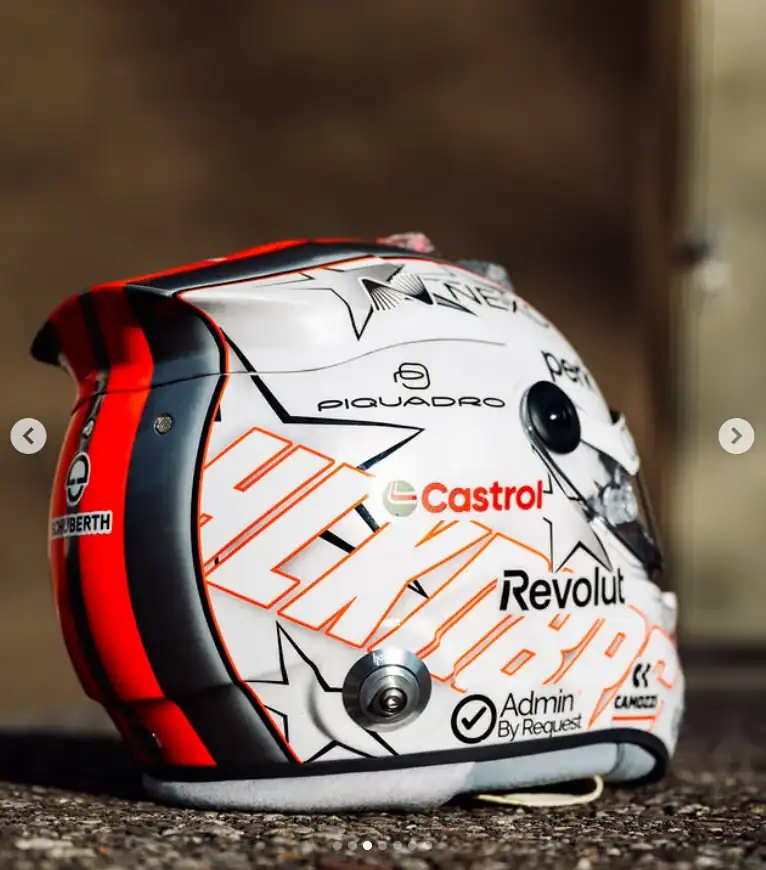
Hadjar’s emerging profile makes his helmet design an increasingly compelling addition to a full-size 1:1 replica display collection.
A Rookie Who Refuses to Hide
There is a specific moment after qualifying when drivers face the microphones, and it usually plays out the same way. The session is dissected through a filter of carefully chosen words: the car wasn’t quite right, the balance shifted, the tyres didn’t come in. It’s a familiar script. Isack Hadjar, increasingly, refuses to follow it.
After Saturday’s qualifying session, the Racing Bulls rookie stepped into the media pen and did something that still surprises some hardened paddock veterans — he openly admitted his own mistakes. No deflection, no convenient narrative about understeer at Turn 10, no vague references to balance. Just an honest, almost uncomfortably direct verdict on his own performance.
He’ll line up seventh on the grid, a single position behind Max Verstappen. On paper, that is an excellent result for a debutant. In Hadjar’s own assessment, it should have been better.
The Pattern Behind the Honesty
This isn’t a one-off. Throughout the season, Hadjar has shown a consistent willingness to point the finger inward. When things go wrong, his first instinct is to examine what he did, not what the car did. When things go right, he tends to credit the team and downplay his own contribution.
For a driver still in his first full Formula 1 campaign, that level of self-awareness is unusual. Most rookies, understandably, protect their position. They are still establishing their credibility, still negotiating their value within a team, still aware that every word becomes a clip. Hadjar appears to have decided early that honesty is his most useful tool — both for his own development and for his relationship with the engineers who need accurate feedback.
Seventh on the Grid — The Reality Check
Qualifying seventh, one row behind the front-runners and directly behind a four-time World Champion, is not a result to dismiss lightly. The fourth row of the grid has historically been one of the most strategically interesting positions in modern Formula 1. It offers genuine points potential, the possibility of an opportunistic strategy, and — crucially — the chance to capitalise on chaos ahead.
The Strategic Window
Starting seventh means Hadjar can observe the first-lap shuffle unfold ahead of him. If the front runners tangle, his upside is enormous. If they settle cleanly, he must defend against the cars behind, several of which qualified within tenths of him. The race becomes a question of patience, of tyre management, and of selecting the right moment to commit.
For a rookie who has already shown he can be self-critical without being self-destructive, this is precisely the kind of scenario where his temperament could pay off. Drivers who panic on the fourth row tend to fall back. Drivers who think clearly tend to find themselves in points.
Behind Verstappen — The Reference Point
Lining up behind Max Verstappen offers something else too: a live benchmark. Watching how the reigning multiple champion approaches the opening laps, how he manages his tyres in clean air, how he positions his car through traffic — these are masterclasses delivered in real time. Hadjar will be in the perfect classroom seat for the first stint.
Why Honesty Matters in the Modern F1 Era
Formula 1 in 2024 and 2025 is a media product as much as a sporting one. Every driver knows that their words travel further and faster than ever before. A clip from the media pen can be repackaged into a documentary moment, a social media reel, a meme, a podcast talking point. The temptation to manage one’s public image relentlessly is enormous.
Against that backdrop, Hadjar’s willingness to be hard on himself feels almost rebellious. It suggests a driver who has decided that authenticity will serve him better in the long run than polish.
The Engineering Benefit
Beyond public image, brutal honesty has a practical engineering benefit. Race engineers and performance analysts depend on accurate driver feedback to develop the car. A driver who consistently blames external factors makes their job harder. A driver who can separate “the car did this” from “I did this” gives the team a much cleaner data set to work from.
Within Racing Bulls, that kind of feedback loop is likely already paying dividends. Setup decisions become more precise when the driver’s input is reliable, and Hadjar’s reputation for self-honesty suggests his input is.
The Fan Connection
There is also a broader effect. Fans — particularly the kind of dedicated collectors who follow drivers closely enough to invest in helmet replicas and team memorabilia — respond strongly to authenticity. The drivers who become long-term icons of the sport are rarely the ones with the most polished media presence. They are the ones who feel real.
The Collector’s Angle — A Rookie Worth Following
For those who build serious Formula 1 display collections, the early career of a promising rookie is one of the most rewarding periods to follow. The helmet designs from these formative seasons often become the most coveted pieces years later, precisely because they capture a driver before stardom calcified their image.
Capturing the Formative Years
A full-size 1:1 replica helmet from a driver’s rookie season carries a specific kind of narrative weight. It represents the moment before the legend, the period when everything was still in motion. Collectors who recognised this with previous generations of rookies now own display pieces that have become centrepieces of their collections.
Hadjar’s emerging profile — the honest self-critic, the rookie who qualified ahead of his more experienced peers on multiple occasions, the driver lining up behind Verstappen on a Sunday afternoon — is exactly the kind of story that gives a helmet replica its long-term collector appeal. These are display pieces and exhibition-quality items, intended for the shelf, the cabinet, the dedicated room. Their value lies in what they represent: a captured moment in the ongoing narrative of the sport.
Display Considerations
A well-presented helmet collection tells a story across the years. Pairing a rookie-era replica with established champions creates a visual narrative of generations meeting on track. Lighting matters, mounting matters, and so does the context — a brief card or label noting the season, the team, and a memorable moment can transform a single display item into a conversation piece.
What to Watch on Race Day
With Hadjar starting seventh, several scenarios become genuinely plausible. A clean opening lap could see him hold position and apply pressure to the cars ahead through tyre strategy. A chaotic start could vault him into the top five. A poor launch could drop him into the midfield scrap, where his composure will be tested.
Key Battlegrounds
The opening sector of lap one will tell us almost everything. If Hadjar holds seventh through Turn 1, his race becomes about patience and timing. If he loses positions, the race becomes about recovery — and recovery drives are often where rookies either prove their maturity or expose their inexperience.
Tyre management in the middle stint is the second battleground. Drivers who burn their rubber chasing the cars ahead in the opening laps tend to pay for it later. Drivers who absorb the pace and play the long game tend to be rewarded. Based on his media pen demeanour — analytical, self-aware, unwilling to chase phantoms — Hadjar appears temperamentally suited to the latter approach.
The Verstappen Factor
Sixth place, occupied by Verstappen, is a fascinating reference. If Hadjar can stay within DRS range of the Dutchman in the opening stint, it becomes a genuine statement performance regardless of the final result. If Verstappen disappears up the road, that too is information — a reminder of the gap that still exists between an established multiple champion and a rookie in his first full season.
“The drivers who become long-term icons are rarely the most polished. They are the ones who feel real — and Hadjar feels very, very real.”
— 123Helmets Editorial
FAQ
Q: Where will Isack Hadjar start the race?
Hadjar qualified seventh, meaning he will line up on the fourth row of the grid, directly behind Max Verstappen in sixth.
Q: Why is Hadjar’s self-criticism considered notable?
In an era of heavily managed media output, his willingness to openly admit personal mistakes rather than deflect to the car or external factors stands out. It has become a defining trait of his rookie campaign.
Q: How does starting seventh affect race strategy?
The fourth row offers strong points potential and strategic flexibility. Hadjar can react to incidents ahead, choose his moment to attack, and benefit from any first-lap chaos involving the front runners.
Q: Are 123Helmets replicas suitable for racing or track use?
No. All 123Helmets pieces are full-size 1:1 replicas designed exclusively as display items and collector pieces of exhibition quality. They are not intended for protective use of any kind.
Q: Why are rookie-season helmet replicas appealing to collectors?
They capture a driver at a formative moment, before their image becomes fixed by later success. For collectors building a long-term display, rookie-era pieces often become some of the most narratively rich items in the collection.
Browse F1 Helmet Collection
Display and collector replicas only. Not certified for protective use. Full-size 1:1 scale.