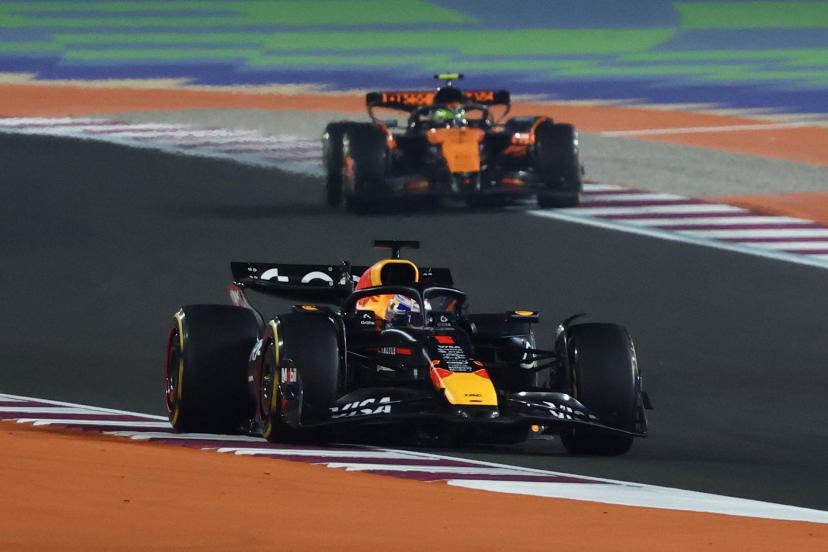
Racing Bulls Miami GP Livery Wins Over Fans: Calls to ‘Make It Permanent’ Echo Across the Paddock
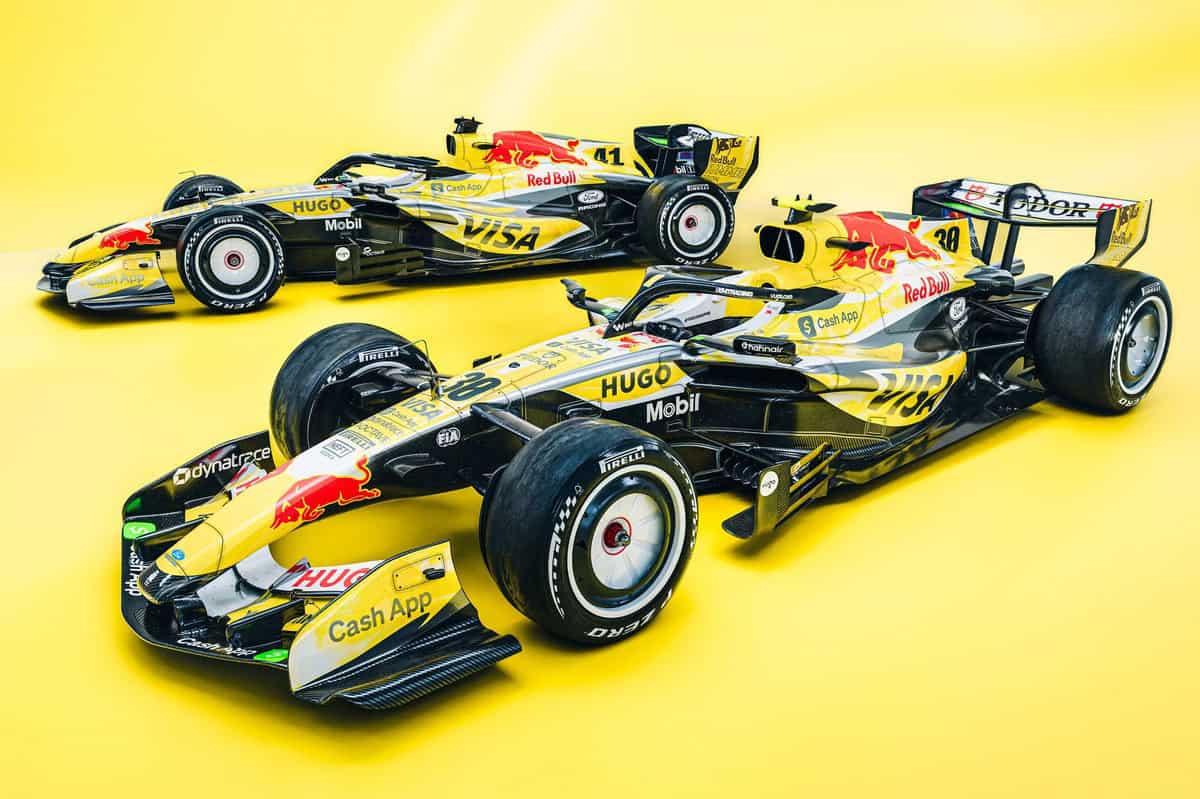
Racing Bulls arrived in Miami with one of the most talked-about visual statements of the season — a vibrant, neon-charged one-off livery that immediately split social feeds, dominated pit lane photography, and triggered an unexpected groundswell of fan demand. Within hours of the reveal, the chant was already loud: make it permanent. For collectors, designers, and display-piece enthusiasts, the Miami GP livery is more than a marketing exercise — it’s a snapshot of where modern F1 visual identity is heading.
Key Takeaways
Racing Bulls’ Miami GP livery represents the team’s boldest visual departure since rebranding from AlphaTauri.
Fan reaction has been overwhelmingly positive, with widespread calls to retain the design beyond the Miami weekend.
The livery’s neon-on-navy palette signals a clear strategic pivot toward youth-focused, lifestyle-driven F1 branding.
Special-event liveries are increasingly prized by collectors as full-size 1:1 display pieces and exhibition items.
The Miami design strengthens Racing Bulls’ standalone identity within the wider Red Bull motorsport ecosystem.
A Livery That Stopped the Paddock
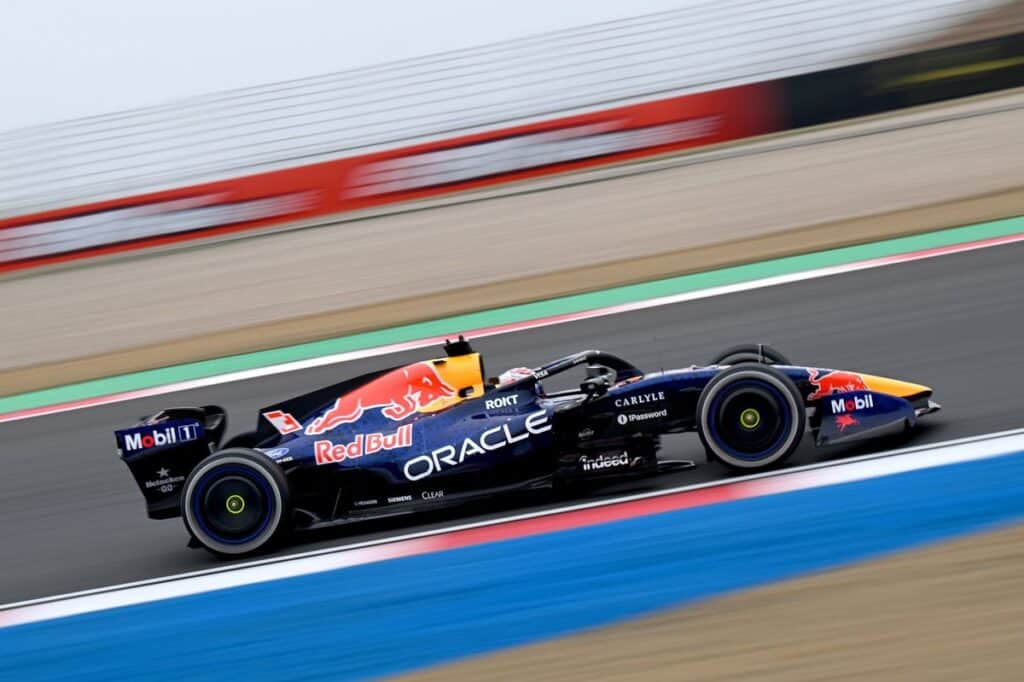
When Racing Bulls pulled the covers off their Miami Grand Prix livery, the reaction was instant and almost unanimous: this was something different. Gone was the familiar restrained blue of the team’s regular season look, replaced by a high-contrast composition that fused deep navy with electric pink, sharp white accents, and a graphic treatment closer to streetwear than traditional motorsport.
For a team that has spent its post-AlphaTauri rebrand carefully establishing a distinct visual voice, the Miami livery felt like an exclamation mark. It was confident, modern, and unmistakably designed for the Instagram era — yet it still respected the structural identity that ties Racing Bulls into the wider Red Bull family.
First impressions in the pit lane
Photographers reportedly crowded the Racing Bulls garage the moment the cars rolled out, and the social response mirrored that physical attention. Fan accounts, designers, and even rival team supporters shared side-by-side comparisons with the standard livery, almost universally giving the Miami iteration the edge. The phrase ‘make it permanent’ became a recurring caption across X, Instagram, and TikTok within the first 24 hours.
Breaking Down the Visual Identity
The Miami GP livery is built on three core elements: a saturated navy base, a vivid pink and magenta accent system, and a graphic motif that nods to the city’s art deco heritage and neon nightlife. The combination is deliberately loud, but the execution is disciplined — proportions are balanced, sponsor placements remain legible, and the overall composition reads cleanly even at speed.
Color strategy
Pink has historically been a difficult color to deploy in F1. It risks looking soft or out of place against the muscular geometry of a modern car. Racing Bulls solved that tension by anchoring the pink against deep navy, creating a high-contrast frame that pushes the brighter tones forward without overwhelming the silhouette.
Graphic language
The livery introduces angular, almost editorial typography across the engine cover and sidepods, paired with subtle geometric patterns that echo Miami’s architectural identity. These are not random flourishes — they form a cohesive system that could, with minor adjustments, scale across helmets, race suits, and merchandise.
Why fans connect with it
One of the reasons the design has resonated so strongly is that it feels intentional rather than gimmicky. Many one-off liveries lean on heavy sponsor takeovers or theme-park aesthetics. Racing Bulls instead delivered something that looks like a considered fashion drop — a livery that could exist as a standalone brand campaign, not just a weekend stunt.
The Branding Shift Behind the Design
To understand why Miami matters, you have to look at where Racing Bulls sits within the Red Bull motorsport structure. As the sister team to Red Bull Racing, the squad has always faced the challenge of carving out its own personality while operating in the shadow of one of the most dominant brands in the sport.
From AlphaTauri to Racing Bulls
The rebrand from AlphaTauri to Racing Bulls was always going to require visual experimentation. The team needed to honor its heritage as a development platform while signaling a more energetic, contemporary identity. Early-season liveries played it safe. Miami, by contrast, feels like the moment the new brand finally found its voice.
A youth-focused pivot
The aesthetic of the Miami livery — bold color blocking, streetwear-inspired graphics, lifestyle-driven photography — is squarely aimed at a younger, design-literate audience. This is the same demographic driving F1’s global growth, and the same audience that increasingly views team branding through the lens of fashion and culture rather than pure motorsport tradition.
By leaning into that audience, Racing Bulls is positioning itself as the design-forward alternative within the Red Bull ecosystem — a complementary identity rather than a competing one.
Why Collectors Are Paying Attention
Special-event liveries have become some of the most sought-after reference points in modern F1 collecting. Unlike season-long designs, one-offs carry built-in scarcity — they appear on track for a single weekend, generate concentrated media coverage, and then vanish, leaving only photography, broadcast footage, and physical memorabilia behind.
Display value of one-off designs
For enthusiasts who curate full-size 1:1 replica helmets and exhibition-quality display pieces, special liveries offer a uniquely powerful storytelling hook. A helmet or display item tied to a specific weekend, a specific city, and a specific design moment becomes a documented artifact of that era — far more evocative than a generic season-long piece.
The Miami effect
Miami in particular has emerged as one of the most design-influential rounds on the calendar. Teams now treat the weekend as a creative showcase, and the resulting liveries are often the visual highlights of the entire season. Racing Bulls’ 2024 contribution adds to that tradition, and the strong fan response suggests it will be remembered as one of the standout one-offs of the year.
Exhibition-quality considerations
For collectors planning a display, the appeal of a livery like this lies in its visual punch. The high-contrast palette photographs beautifully under gallery lighting, the graphic system reads cleanly from across a room, and the cultural context — Miami, neon, art deco, modern F1 — gives the piece narrative weight. These are exactly the qualities that elevate a display item from decoration to centerpiece.
Should It Become Permanent?
The ‘make it permanent’ chorus is understandable, but the answer is more nuanced than fans might expect. Permanent liveries operate under different constraints than one-offs. They have to survive an entire season of varied lighting, broadcast contexts, and sponsor activations. They have to age well. And they have to coexist with the wider brand architecture of the team and its parent organization.
What works long-term
The core color relationship — navy with pink accents — could absolutely sustain a full season. It’s distinctive, ownable, and visually differentiated from every other car on the grid. The graphic system, however, is more situational. The Miami-specific motifs would feel out of place at, say, Spa or Suzuka.
A blueprint, not a finished design
The smarter path forward is to treat the Miami livery as a creative blueprint rather than a finished product. The team could carry forward the palette, the typographic confidence, and the lifestyle-driven approach into future season liveries, while letting the Miami-specific elements remain a one-weekend statement. That way, the design’s impact is preserved, and its DNA influences the brand long after the trophies are handed out.
What This Means for the Rest of the Grid
Racing Bulls’ Miami success will not go unnoticed by other teams. Special liveries have already become a competitive arena in their own right, and the bar for visual ambition keeps rising. Expect to see more teams treat one-off weekends as full creative briefs rather than minor tweaks to the standard design.
The new livery economy
Liveries are now content. They drive merchandise drops, social engagement, and brand partnerships. A successful one-off can generate more cultural impact in a single weekend than months of standard race coverage. Racing Bulls has just demonstrated that with remarkable clarity.
Implications for collectors and display enthusiasts
For those building curated displays of full-size 1:1 replica helmets and exhibition pieces, the lesson is straightforward: special-event designs are increasingly central to the visual history of modern F1. Documenting them, celebrating them, and incorporating them into a collection is no longer a niche pursuit — it’s becoming the mainstream way fans engage with the sport’s design culture.
“This is the first time Racing Bulls has truly looked like its own brand rather than a quieter cousin to the main team — and fans have noticed.”
— 123Helmets editorial desk
“Make it permanent. Seriously, this is the best the team has ever looked.”
— Recurring fan reaction across social media
FAQ
Q: What makes the Racing Bulls Miami GP livery so different? The Miami livery moves away from the team’s restrained season palette and introduces a high-contrast combination of deep navy, vivid pink, and editorial-style graphics inspired by Miami’s art deco and neon heritage. It’s bolder, more lifestyle-driven, and more design-confident than any previous Racing Bulls look.
Q: Will Racing Bulls keep the Miami livery for future races? Special-event liveries are typically one-weekend designs. While fan demand to retain the look has been substantial, the Miami-specific graphic elements were created for that race only. The color palette and design language, however, could realistically influence future season liveries.
Q: Why are one-off liveries so popular with collectors? One-off liveries carry built-in scarcity and strong narrative context. They appear for a single weekend, generate concentrated media attention, and then disappear from active competition. That makes them especially powerful as full-size 1:1 replica display pieces and exhibition-quality collector items.
Q: How does the Miami livery fit into Racing Bulls’ broader rebrand? The transition from AlphaTauri to Racing Bulls required visual experimentation to establish a distinct identity. The Miami livery is widely seen as the moment the new brand found its confident, design-forward voice — appealing strongly to a younger, culture-driven F1 audience.
Q: Are special-livery helmets and display items worth collecting? For enthusiasts focused on exhibition-quality display pieces, special-event designs offer exceptional visual impact and storytelling value. A full-size 1:1 replica tied to a specific weekend and design moment becomes a documented artifact of that era, ideal as a centerpiece in a curated collection.
Explore full-size 1:1 collector replicas inspired by F1’s most striking liveries and design moments. Browse F1 Helmet Collection at /shop/ to find your next exhibition-quality display piece.
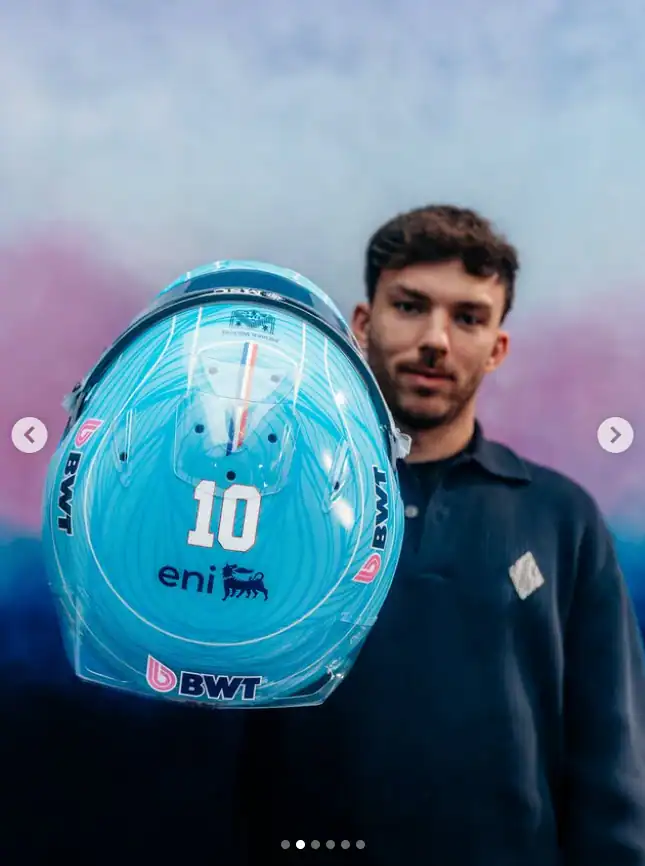
Pierre Gasly reveals his favourite 2026 Alpine helmet design in a dedicated Instagram carousel. Design breakdown, collector significance and display guide.
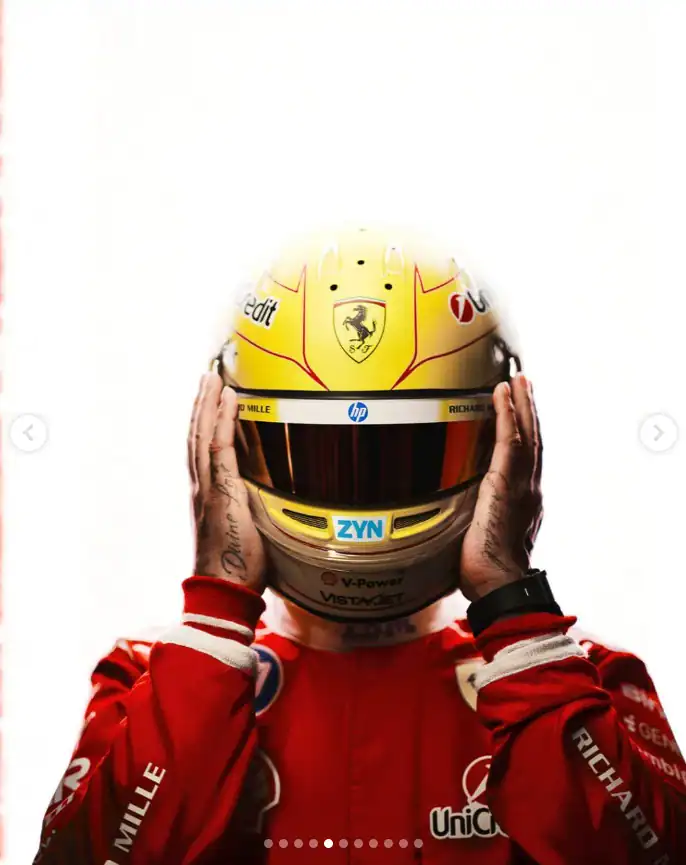
Lewis Hamilton’s first Ferrari-era helmet revealed in the official 2026 Instagram lookbook. Full collector context, design significance and display guide.
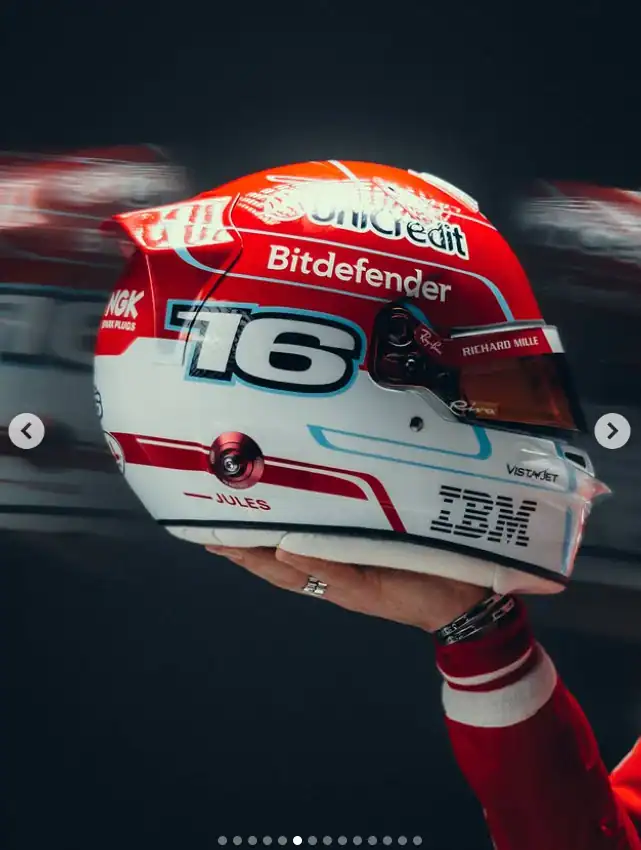
Charles Leclerc reveals his 2026 Ferrari helmet in an official Instagram carousel. Design features, collector significance and display reference guide.
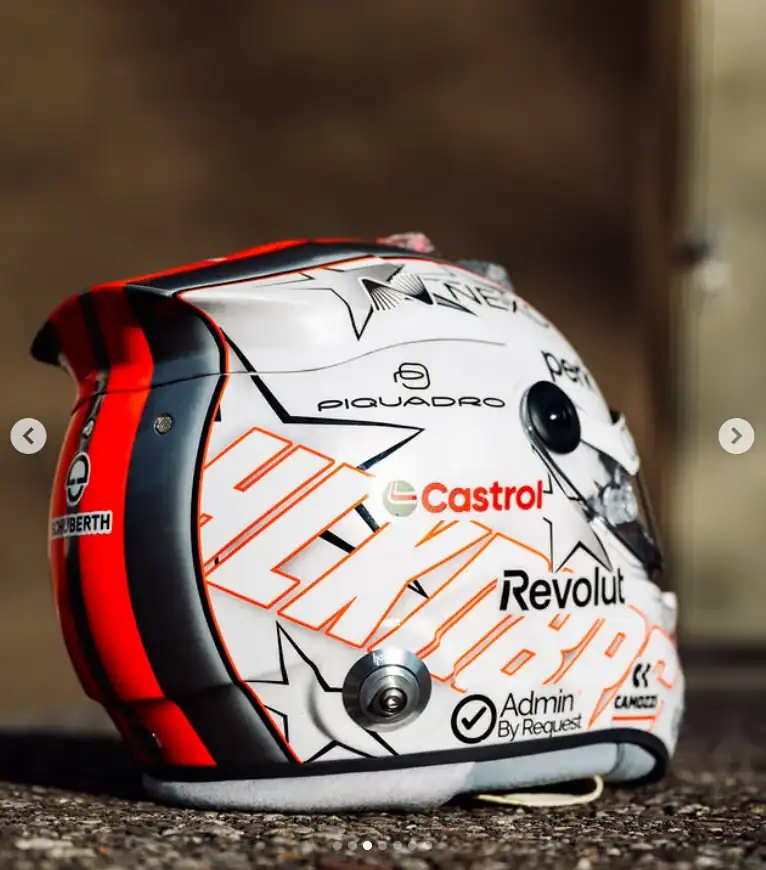
Gabriel Bortoleto shares his debut F1 helmet in an Instagram reel. Design features, collector significance and display reference for the 2024 F2 champion’s first season.
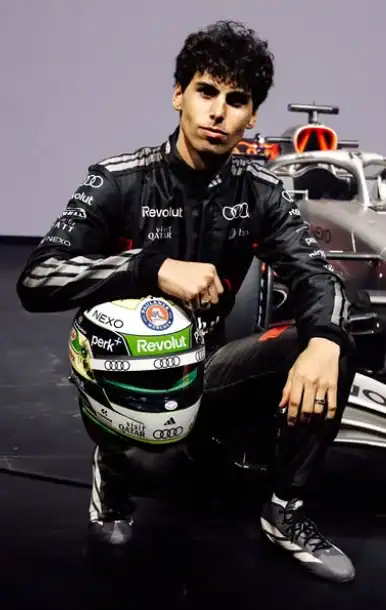
Nico Hülkenberg reveals his 2026 helmet at Sauber in Audi’s debut F1 season. Design features, collector significance and display reference for this transition.
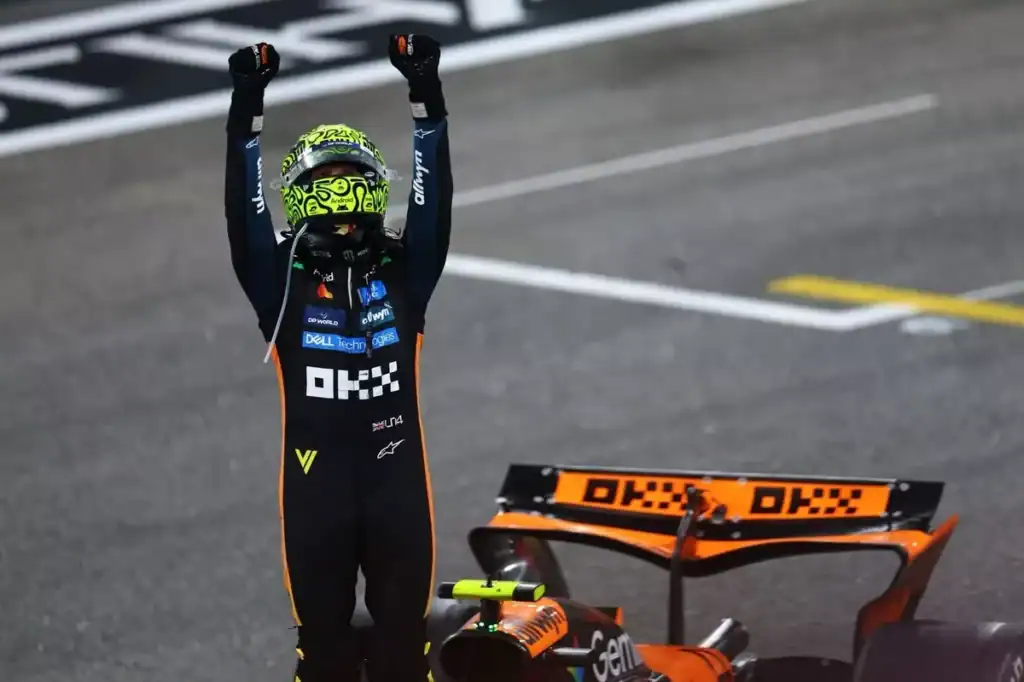
Lando Norris becomes 2025 Formula 1 World Champion at the Abu Dhabi GP, finishing third while Max Verstappen dominates from pole. Full race recap, strategy breakdown and championship impact.
Max Verstappen wins the 2025 Qatar Grand Prix at Lusail, with Carlos Sainz holding Lando Norris for a hard-fought P3. Full race recap, strategy breakdown and championship context.
To provide the best experiences, we use technologies like cookies to store and/or access device information. Consenting to these technologies will allow us to process data such as browsing behavior or unique IDs on this site. Not consenting or withdrawing consent, may adversely affect certain features and functions.
Functional
Always active
The technical storage or access is strictly necessary for the legitimate purpose of enabling the use of a specific service explicitly requested by the subscriber or user, or for the sole purpose of carrying out the transmission of a communication over an electronic communications network.
Preferences
The technical storage or access is necessary for the legitimate purpose of storing preferences that are not requested by the subscriber or user.
Statistics
The technical storage or access that is used exclusively for statistical purposes.The technical storage or access that is used exclusively for anonymous statistical purposes. Without a subpoena, voluntary compliance on the part of your Internet Service Provider, or additional records from a third party, information stored or retrieved for this purpose alone cannot usually be used to identify you.
Marketing
The technical storage or access is required to create user profiles to send advertising, or to track the user on a website or across several websites for similar marketing purposes.


 123Helmets Editorial Team