Blog
Tow Job: Red Bull’s Slipstream Trick at 2026 Quali
 123Helmets Editorial Team
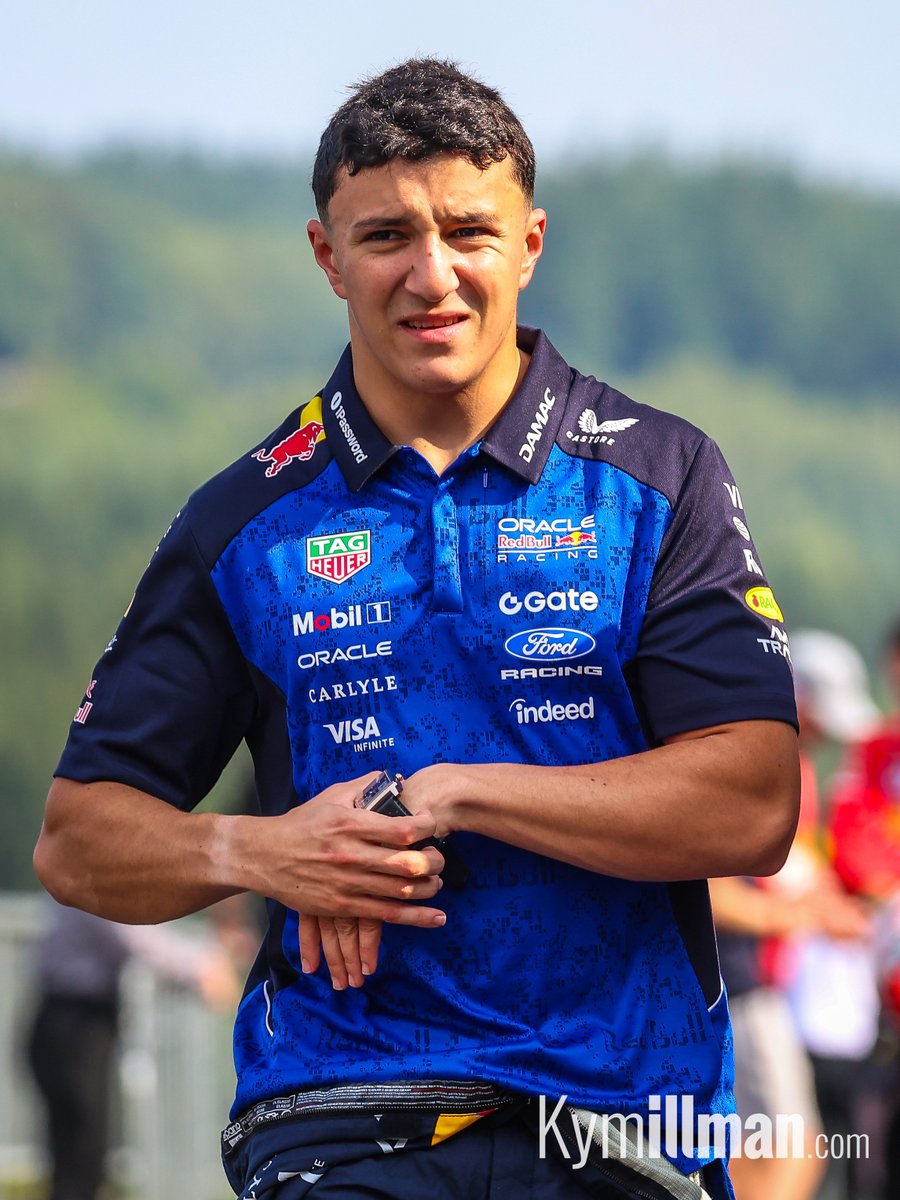
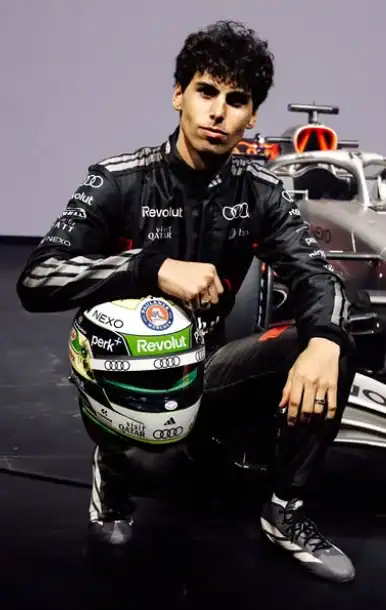
A grid penalty for Isack Hadjar turned into a tactical gift for Max Verstappen, as Red Bull used its second car as a tow on the final Q3 run — a move that briefly delivered provisional pole before Kimi Antonelli answered with a lap of his own.
Key Takeaways
Isack Hadjar’s grid penalty freed Red Bull to use his final Q3 lap purely as a slipstream tool for Max Verstappen.
Verstappen briefly took provisional pole on the back of the tow before Kimi Antonelli produced a faster answer late in the session.
Verstappen said post-session that the tow was decisive, suggesting a top-three lap would have been unlikely without it.
The moment underlines how far teams will push team orders inside a 20-car grid to shape a single flying lap.
What Happened in Q3
Red Bull used Isack Hadjar’s final Q3 run purely as a tow for Max Verstappen, rather than as an attempt to improve Hadjar’s own grid slot. With Hadjar already facing a grid penalty that would send him to the back regardless of his qualifying position, Red Bull had nothing to lose by sacrificing his lap to generate a slipstream for Verstappen instead. On a circuit where a well-timed tow can be worth several tenths on a single flying lap, that decision briefly reshaped the top of the timesheet.
The tactic is legal and increasingly common in modern Formula 1, where teams coordinate radio calls and out-lap timing to line up a tow partner ahead of a rival’s final attempt. It requires precise pit-lane timing across the 20-car grid, and Red Bull’s execution on this occasion produced an immediate, visible result: Verstappen went to the top of the provisional order.
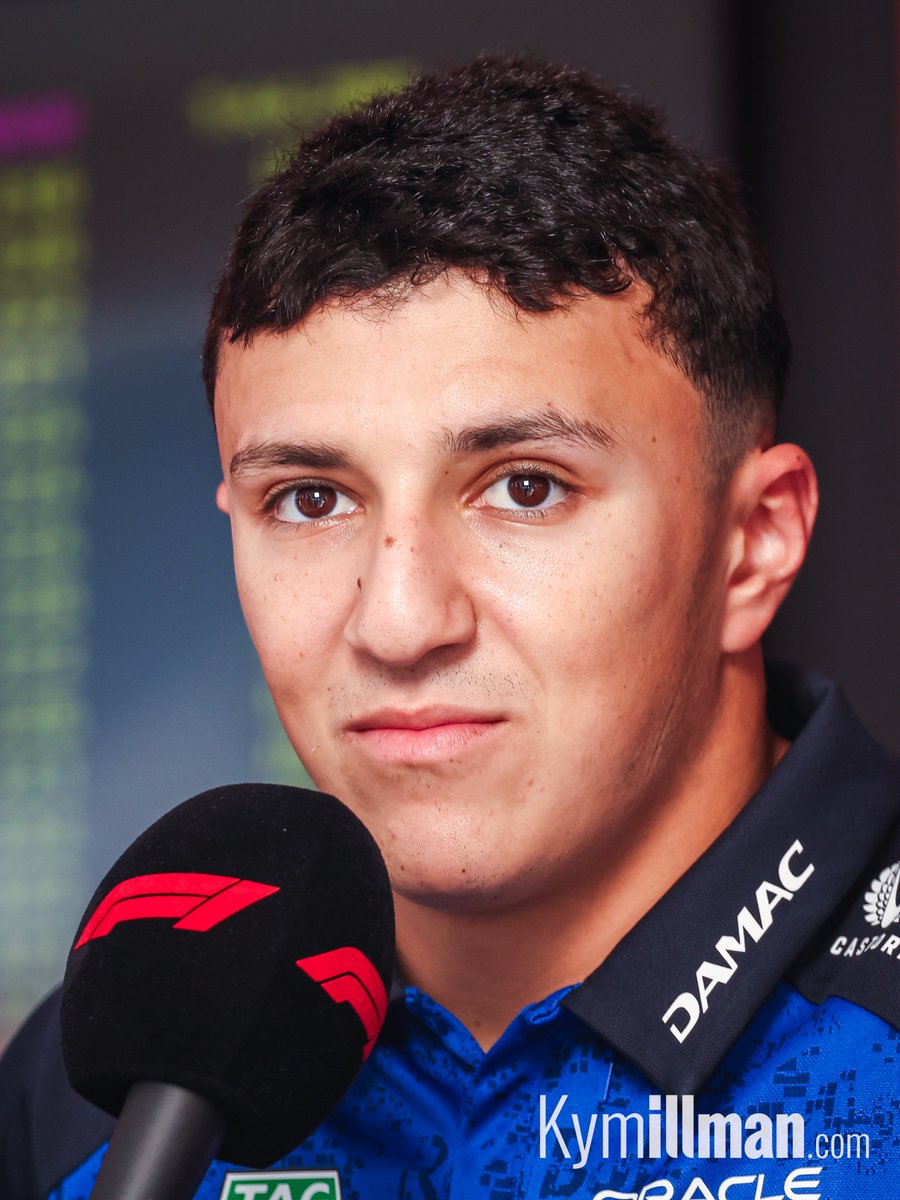
Why Hadjar’s Penalty Made the Move Possible
Hadjar’s grid penalty meant his own qualifying position carried no consequence, freeing Red Bull to redeploy his final lap as a team tool. Under normal circumstances, a driver fighting for grid position would never sacrifice a competitive lap to tow a teammate — but with Hadjar already locked to start from the back of the field, Red Bull effectively converted his car into a rolling wind-break for Verstappen’s benefit.
This kind of scenario has become a recognizable pattern across the 2026 season: once a driver’s grid slot is fixed by a penalty, teams frequently repurpose that car’s remaining running time to assist a title-contending teammate. It is a pragmatic use of a bad situation, and in this case it converted a penalty-affected Saturday into a net gain for the other side of the Red Bull garage.
Verstappen’s Provisional Pole
Max Verstappen moved to provisional pole immediately after benefiting from Hadjar’s tow, before Kimi Antonelli went quicker later in the Q3 order. Speaking after the session, Verstappen credited the tow directly, saying it pulled his Red Bull further up the order than he expected on a low-fuel, high-boost final run. He went further, suggesting that without the slipstream assistance he would have struggled to reach the top three at all.
“The tow helped pull the car further up the order. Honestly, I think it would have been difficult to get into the top three without it.” — Max Verstappen
That admission is notable. It confirms that the margin between a front-row lockout and a lower Q3 slot, in this instance, came down not to raw car pace alone but to a coordinated team tactic executed in the closing minutes of the session.
Antonelli’s Response
Kimi Antonelli answered Verstappen’s tow-assisted lap with a quicker run of his own later in Q3, pushing Verstappen back down the provisional order. The sequence played out inside the final minutes of the session, the period when tow strategy and track evolution tend to have the biggest effect on where laps land on the timesheet. Antonelli’s response reset the picture at the top, showing that a well-executed tow can move a car up the order, but it does not guarantee it stays there once every other driver has had their final crack at the lap.
For teams and fans tracking the 2026 championship battle, this kind of back-and-forth in the closing stages of qualifying has become one of the more closely watched features of race weekends, since it can swing grid positions by fractions of a second built entirely on tactical execution rather than pure pace.
A Collector’s-Eye View of the Moment
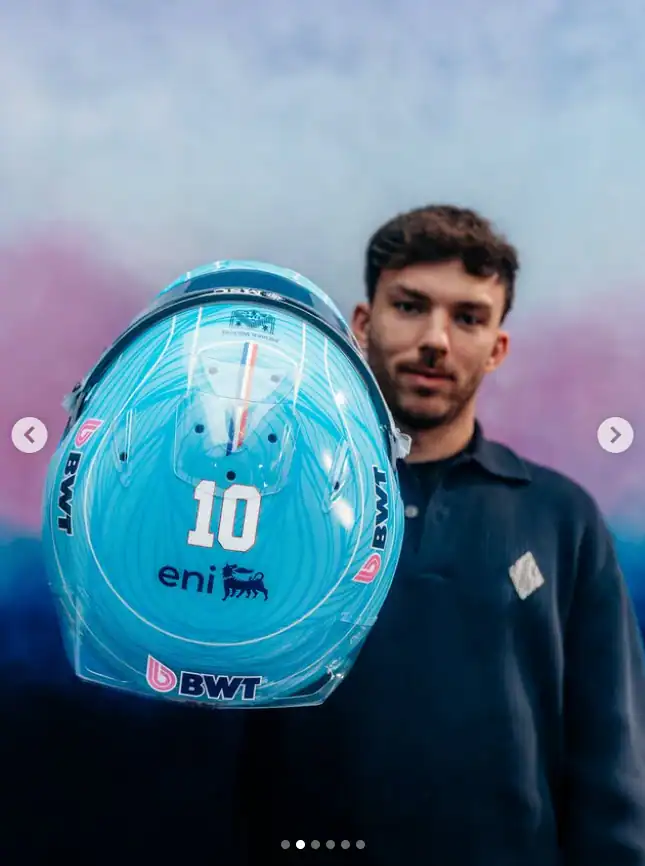
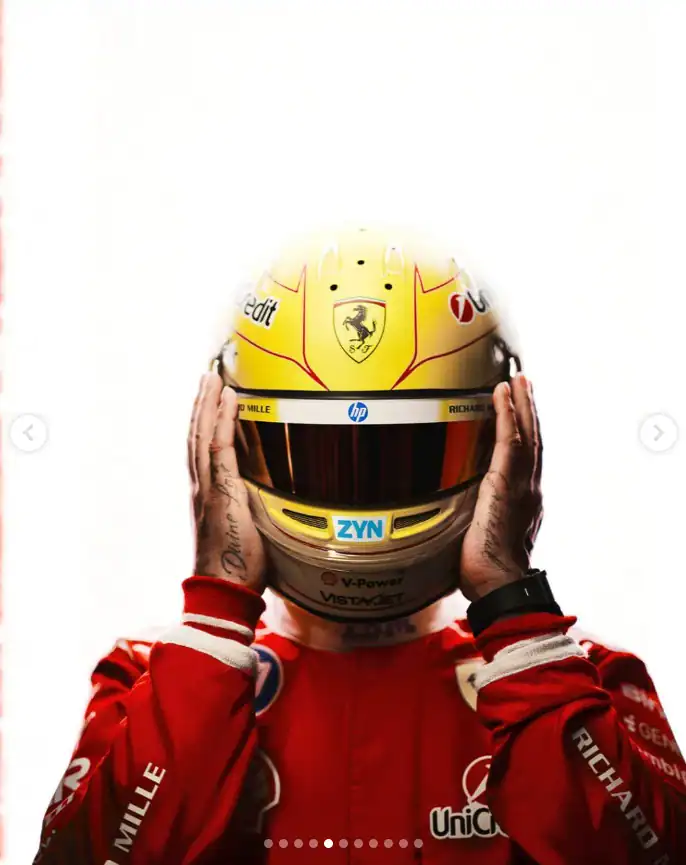
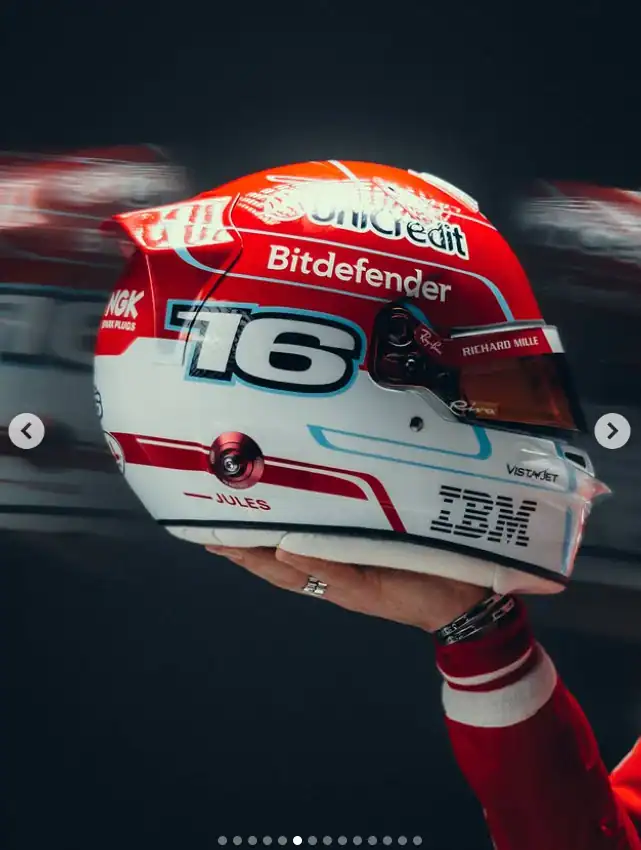
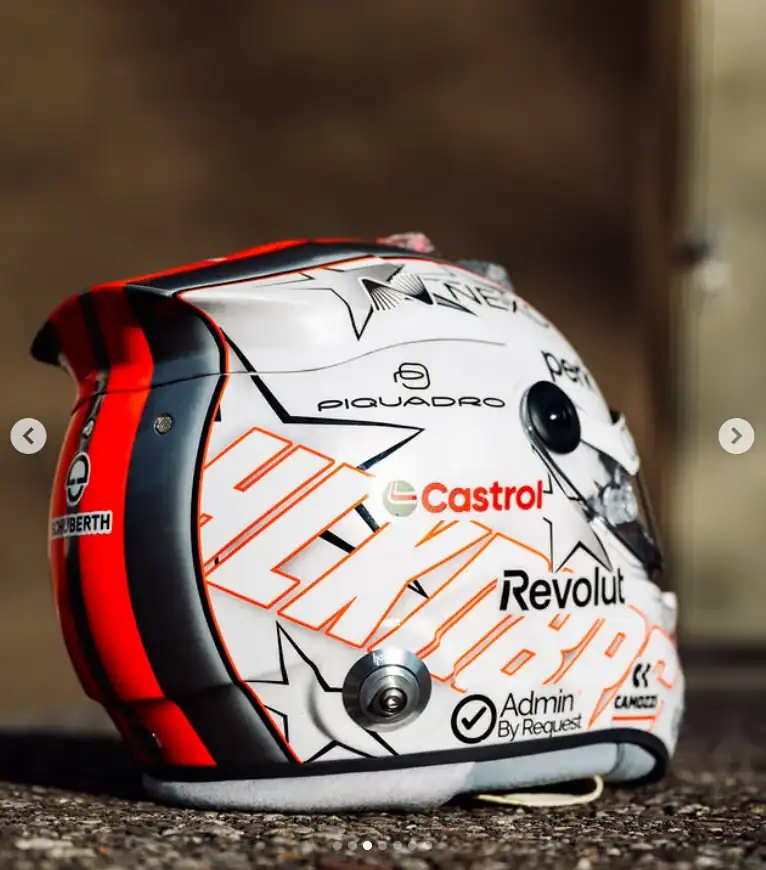
Moments like a tow-assisted provisional pole are exactly the kind of on-track story that collectors look to commemorate through full-size 1:1 display helmets. A qualifying session built around team strategy rather than a single dominant lap gives fans a genuine narrative to attach to a driver’s helmet design from that stretch of the 2026 season — the livery becomes a marker for the story, not just the paint scheme.
For display and collector pieces tied to drivers like Max Verstappen or teams such as Red Bull, exhibition-quality replicas are built to the same scale and finish standards fans expect from a serious collection — full-size 1:1 shells, layered paint finishes, and display-ready presentation rather than anything intended for on-track use. A qualifying story like this one, where strategy and driver skill intersect in a single lap, is the kind of detail that gives a shelf-mounted helmet real context beyond the livery itself.
What It Means for the Rest of the Weekend
The tow-assisted lap changes the qualifying story but not the underlying championship math on its own — that will be decided by the race itself. Hadjar starts from the back of the grid regardless of the tow tactic, since his penalty was fixed before the session began, while Verstappen’s grid slot depends on how Antonelli’s late lap, and any further runs from the rest of the field, settle out once the session is complete. With 10 teams and 20 cars competing across the 2026 calendar, moments like this are a reminder of how much tactical maneuvering happens inside the three qualifying segments — Q1, Q2 and Q3 — before a single green light falls on race day.
As of 2026-07-18, this kind of tow strategy remains one of the more talked-about tactical stories of the season, and it is likely to keep shaping how teams approach penalty situations for the remainder of the year.
“The tow helped pull the car further up the order. Honestly, I think it would have been difficult to get into the top three without it.”
— Max Verstappen, post-qualifying interview
FAQ
Q: What is a ‘tow’ in Formula 1 qualifying?
A tow is when one car runs closely ahead of another on a flying lap, reducing aerodynamic drag for the trailing car and allowing it to carry extra speed, particularly on long straights. Teams coordinate lap timing across the grid to set this up deliberately, especially in the closing minutes of Q3.
Q: Why did Red Bull sacrifice Isack Hadjar’s lap?
Hadjar was already facing a grid penalty that fixed his starting position at the back of the field regardless of how he qualified, so Red Bull had nothing to lose by using his final Q3 run purely to tow Max Verstappen instead of chasing his own lap time.
Q: Did the tow tactic actually work?
Yes, in the immediate sense — it lifted Verstappen to provisional pole. Kimi Antonelli then set a faster time later in the session, moving ahead of Verstappen before qualifying concluded.
Q: Is towing legal in Formula 1?
Yes, using a teammate or another car as a slipstream tow is a legal and increasingly common tactic in modern Formula 1, requiring precise coordination of out-lap timing rather than any rule-breaking maneuver.
Q: Are display helmets tied to specific race weekends like this one?
Yes, many collectors choose full-size 1:1 display helmets connected to a driver’s livery from a particular stretch of the season, using moments like a tow-assisted qualifying lap as the story behind the piece rather than focusing on the paint scheme alone.
Browse F1 Helmet Collection
Display and collector replicas only. Not certified for protective use. Full-size 1:1 scale.