
Blog
British GP Safety Car Finish: Should F1 Change Its Rules?
 123Helmets Editorial Team
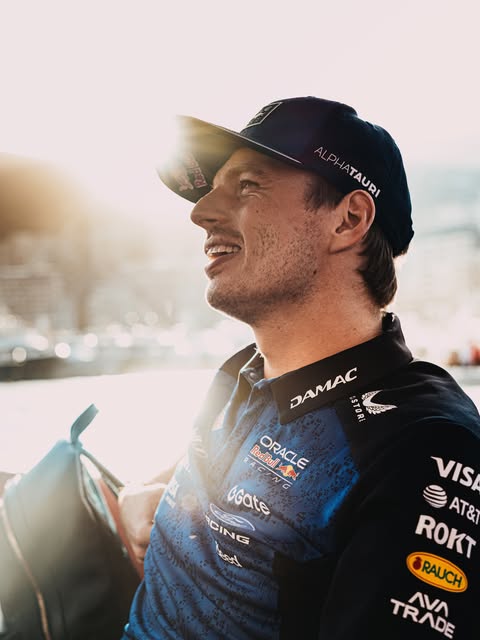
The 2026 British Grand Prix ended under safety car conditions after Max Verstappen’s Red Bull crashed at Stowe with six laps remaining, triggering boos from the Silverstone crowd and a fresh debate over whether F1’s safety car rules need rewriting.
Key Takeaways
Verstappen crashed at Stowe with six laps remaining, triggering the safety car period that decided the 2026 British Grand Prix finish
A software glitch displayed the ‘safety car in this lap’ message on the penultimate tour before being overruled just eight seconds later
Grands prix have finished behind the safety car on 12 occasions since the first instance in 1999, not counting the unresolved Abu Dhabi 2021 finish
Red Bull’s Silverstone-spec helmet and livery pieces remain popular display items for collectors marking Verstappen’s 2026 season
A Chaotic Finish at Silverstone
The 2026 British Grand Prix ended anticlimactically, with cars crossing the finish line under safety car conditions instead of a grandstand sprint. The trouble began when Max Verstappen crashed his Red Bull at Stowe with six laps remaining, bringing out the safety car and forcing race control to work through its standard unlapping procedure. Once the Red Bull was cleared and the lapped cars had unlapped themselves on the penultimate tour, F1’s own rules require one further lap to be completed behind the safety car before a restart can happen — and with no laps left to give, the race simply finished that way. Silverstone’s grandstands, packed for a home race, responded with audible boos as the chequered flag fell without a final green-flag dash.
For a circuit known for its high-speed corners and passionate crowd, an ending decided by procedure rather than racing felt flat to many watching trackside and on television. It is also the kind of moment that tends to stick in memory long after the on-track action fades — much like a driver’s helmet design from a specific weekend becomes a marker of that race in a collector’s mind.
The Software Glitch That Sparked Debate
A software glitch is what turned a straightforward procedural finish into a genuine controversy. Race control displayed the ‘safety car in this lap’ message on the penultimate tour, only for the FIA to overrule that signal just eight seconds later. That eight-second window was enough to create confusion in the pit lane, among fans following live timing, and in the immediate post-race analysis about what exactly race control intended to do and when.
The glitch did not change the outcome — the rules, as written, meant the race would end behind the safety car regardless of the messaging error — but it added a layer of doubt to an already unsatisfying conclusion. When a technical hiccup coincides with a rules-driven anticlimax, it naturally invites scrutiny of both the software and the regulation itself, even if the two issues are, strictly speaking, separate.
Verstappen’s Stowe Crash and the Red Bull Helmet on Display
Max Verstappen’s crash at Stowe with six laps remaining was the single incident that set the entire chain of events in motion. Stowe is one of Silverstone’s fastest corners, and an incident there late in a race carries real risk, which is exactly why race control’s safety car protocol exists in the first place — to manage recovery and debris clearance before drivers are sent back to racing speed.
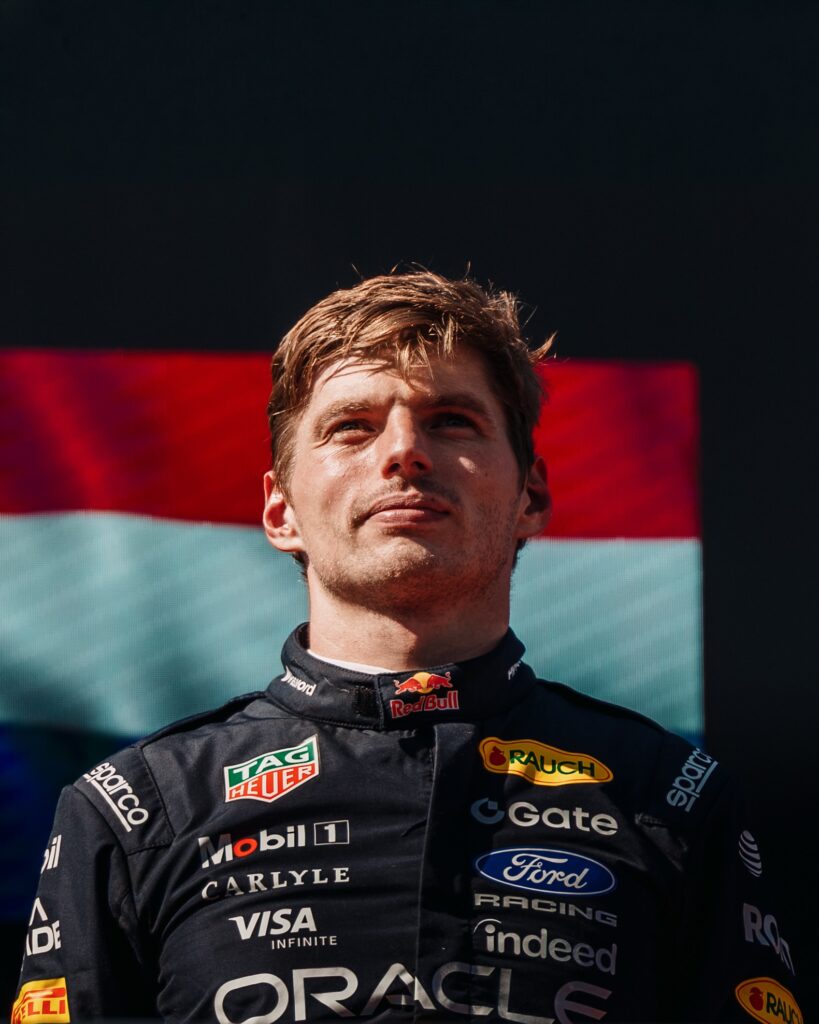
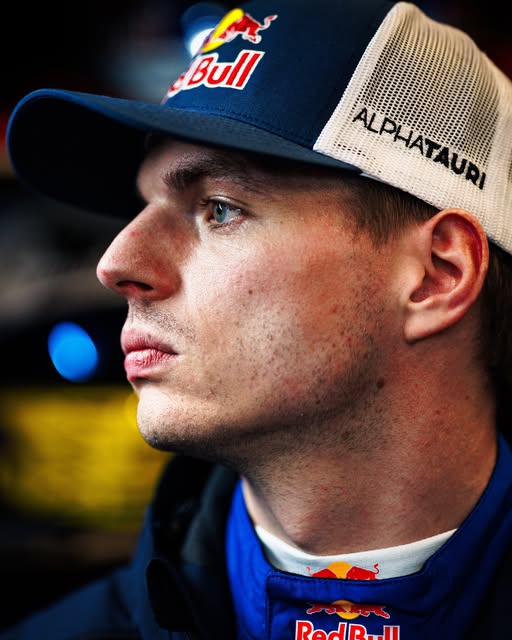
For collectors following the Max Verstappen program this season, the Silverstone weekend is now a talking point independent of the final classification. His Red Bull helmet and livery from the British Grand Prix carry the story of the corner where the race effectively decided itself, making display pieces from this round a natural focal point for anyone building out a 2026 season collection. A full-size 1:1 replica of the helmet worn that weekend works as an exhibition-quality centerpiece precisely because it ties directly to a specific, memorable moment — the Stowe incident — rather than a generic race weekend.
History of Safety Car Finishes: 12 Times Since 1999
Safety car finishes are statistically rare in Formula 1, having occurred on 12 occasions since the first instance in 1999. That frequency matters when judging whether the current rule is broken or simply doing its job in an uncommon scenario. Twelve finishes across more than two and a half decades of racing is a low rate compared to categories like oval racing in the United States, where cautions are frequent enough that the phrase ‘cautions breed cautions’ has become a common saying among fans and commentators.
The most infamous exception to how these situations are supposed to resolve remains Abu Dhabi 2021, when a race that should have finished behind the safety car instead saw a late restart that decided the championship. That single event still shapes much of the current debate, because it demonstrated how procedural decisions in the closing laps can carry consequences far beyond a single Sunday. The 2026 British Grand Prix, by contrast, followed the written procedure closely, even with the software glitch complicating the optics.
Paddock Reaction: From Ferrari’s Title Focus to Antonelli’s Wimbledon Trip
Paddock reaction to the Silverstone finish varied from measured to dismissive, reflecting how differently teams and drivers process a rules-driven ending. Ferrari’s Fred Vasseur was quick to steer attention away from title talk in the immediate aftermath, saying the team’s focus is squarely on the next round. His comment, “Let’s focus on Spa,” signals that for teams still building championship momentum, a procedural finish at Silverstone is a detail to move past rather than dwell on.
Elsewhere, the British Grand Prix weekend produced its own share of off-track storylines. Kimi Antonelli was spotted with Roger Federer at Wimbledon following his difficult Silverstone weekend, a reminder that for some drivers the best response to a frustrating race result is simply stepping away from the paddock. Tyler Reddick’s Chicagoland car also drew attention after debris was found lodged in the nose of his machine, a separate but similarly technical storyline running alongside the safety car debate. Together these threads show a sport working through multiple rules-and-reliability conversations at once, with Silverstone’s ending as the most visible flashpoint.
Should F1 Change the Rule?
The core question is whether F1 should scrap or amend the requirement that a race must run one additional lap behind the safety car after cars unlap themselves, even if that means finishing without a green-flag restart. Given that this scenario has arisen only 12 times since 1999, the rule is not malfunctioning in any statistical sense — it is simply being applied in one of its rarer trigger conditions, and it was applied correctly at the 2026 British Grand Prix despite the confusing software glitch.
The stronger argument for reconsideration centers on fan experience rather than procedural failure. A home crowd at Silverstone booing a chequered flag is a signal that the current balance between safety protocol and spectacle may need revisiting for late-race incidents with only a handful of laps remaining. Whether that means adjusting how many laps are required post-unlapping, changing when a safety car period can be called with laps running out, or simply accepting that a small number of races will end this way, is a conversation the FIA and teams are likely to continue having well beyond this single Silverstone weekend.
“Let’s focus on Spa.”
— Fred Vasseur, Ferrari Team Principal
FAQ
Q: Why did the 2026 British Grand Prix finish under safety car conditions?
Max Verstappen crashed his Red Bull at Stowe with six laps remaining, and once cars had unlapped themselves on the penultimate tour, F1 rules required one more lap behind the safety car — leaving no laps for a green-flag restart.
Q: What was the software glitch during the British GP finish?
Race control displayed the ‘safety car in this lap’ message on the penultimate lap, then the FIA overruled that signal just eight seconds later, creating confusion even though the final outcome followed the standard procedure.
Q: How often do F1 races finish behind the safety car?
Grands prix have ended under safety car conditions on 12 occasions since the first instance in 1999, making the 2026 British Grand Prix an uncommon but not unprecedented case.
Q: How does this compare to Abu Dhabi 2021?
Abu Dhabi 2021 is the reverse case — a race that should have finished behind the safety car under the written procedure instead saw a late restart, a decision that still shapes debate around F1’s late-race rules today.
Q: Is a full-size Verstappen Silverstone helmet replica available to collect?
Yes, full-size 1:1 display replicas inspired by Max Verstappen’s Red Bull helmet and livery are available as exhibition-quality collector pieces, ideal for marking the Stowe incident from the 2026 British Grand Prix.
Shop Max Verstappen Collection
Display and collector replicas only. Not certified for protective use. Full-size 1:1 scale.
This article was written with the help of AI tools. Editorial policy