
Blog
Komatsu: 2026 F1 Rules Blur True Driver Performance
 123Helmets Editorial Team
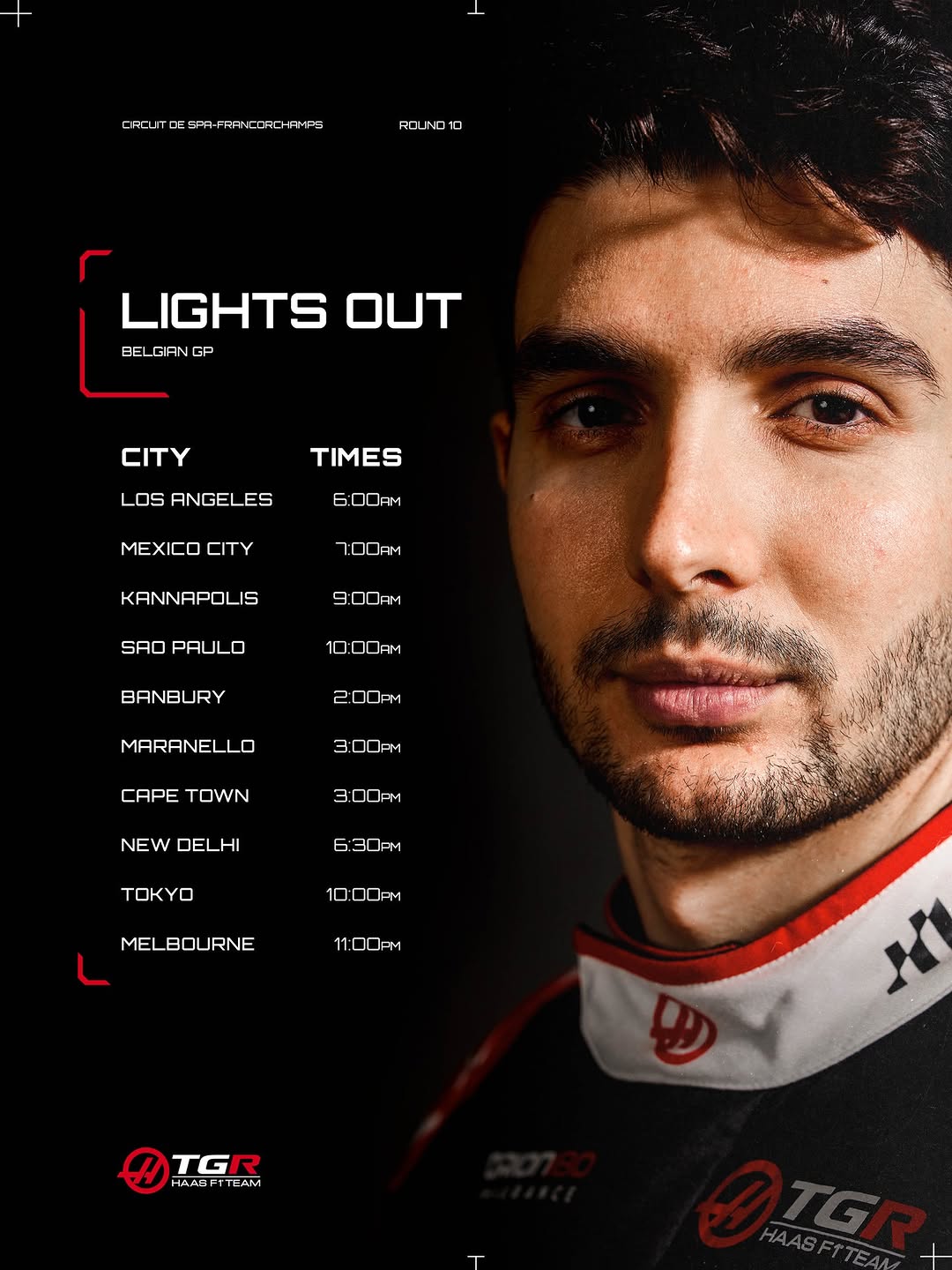
Haas team principal Ayao Komatsu says Formula 1’s 2026 power unit rules are making it harder for fans to judge who is actually driving well, after speed gaps opened up between drivers in identical cars at the British and Belgian Grand Prix weekends.
Key Takeaways
Ayao Komatsu says 2026’s technical layers make it hard for fans to read true driver performance differences.
Silverstone and Spa-Francorchamps amplified small throttle and deployment differences into multiple tenths of a second per lap.
The 2026 rules target a near-50:50 split between electrical deployment and internal combustion power.
Komatsu wants simplification that returns more control to the driver rather than software intervention.
What Komatsu Actually Said
Ayao Komatsu says Formula 1 needs to simplify its current rulebook so fans and drivers alike can better understand what is happening on track. Speaking to media including Autosport during the Hungarian Grand Prix weekend, the Haas team principal said: “Honestly, I think we’re trying to simplify the sport. I think currently it’s just too complicated.”
Komatsu’s remarks came after growing scrutiny of how the 2026 power unit regulations are affecting the on-track picture. His central point was that tiny variations in how a driver operates the car are producing outsized, and sometimes hidden, effects on lap time — consequences he believes were unintended when the rules were designed.
Why Silverstone And Spa Exposed The Problem
The British and Belgian Grand Prix weekends amplified small driving-style differences into visible lap time gaps because of the layout of Silverstone and Spa-Francorchamps. Both circuits combine long straights with high-speed corners, conditions that stretch out the effect of energy deployment choices across a lap.
According to reporting from those two consecutive events, fractional differences in throttle position translated into gaps of multiple tenths of a second in overall lap time, because some drivers had less usable deployment available on the longer straights. That is a meaningful swing in a sport where grid positions and race results are frequently decided by margins far smaller than that.
The issue is not new. Reservations about the 2026 formula’s near-50:50 split between electrical deployment and internal combustion engine power existed before this season began, but the Silverstone and Spa weekends turned an abstract technical debate into a concrete, on-screen problem for viewers trying to judge who out-drove whom.
The Technology-Versus-Driver Debate
The core question is whether layers of software and energy-management technology are interfering with driver performance and confusing spectators. Formula 1 introduced changes ahead of the Miami Grand Prix that adjusted how much energy could be harvested and deployed around a lap, and those changes eased some of the earlier complaints about the format.
But officials and teams have acknowledged that the pre-Miami adjustments represented close to the limit of what could be achieved with the current hardware. Any further change to correct the deployment-related speed differences seen at Silverstone and Spa will need to be more gradual, since it likely requires structural rule changes rather than in-season tweaks.
Komatsu framed the issue as one of transparency as much as competitiveness. “A tiny detail of the driver operation difference that has either unintended or secondary consequences is, I think, something we all identified the need to avoid and improve as a sport,” he said. “To bring the control back to the driver.”
What A Fix Could Look Like
Komatsu’s proposed direction is simplification that puts more of the outcome back in the driver’s hands rather than in energy-management software. He said it matters that the sport is understandable to everyone watching, regardless of technical background, and that reducing hidden variables would help both competitors and fans read performance accurately.
Any concrete fix is unlikely to arrive quickly. The 2026 power unit rules are new this season, built around the near-50:50 electrical-to-combustion split, and hardware-level changes of the kind needed to remove deployment sensitivity from lap time are not something teams or the FIA can implement mid-season. Expect this to be a working topic for future technical directives and possibly the next round of regulation planning rather than an immediate in-year revision.
Where This Leaves Haas And The Grid
Haas is one of the teams directly affected by any rule that changes how lap time is generated, since deployment-sensitive machinery affects midfield teams just as much as those fighting at the front. Komatsu’s comments in Hungary reflect a broader concern shared across the paddock about consistency and clarity heading into the remainder of the 2026 season.
For fans following Haas through the rest of the calendar, the debate is a reminder that identical machinery does not always mean identical opportunity lap to lap, and that some of what separates drivers this year is happening inside software rather than purely at the wheel. That context matters when reading practice times, qualifying gaps and race pace across the coming rounds.
“Honestly, I think we’re trying to simplify the sport. I think currently it’s just too complicated.”
— Ayao Komatsu, Haas Team Principal
“A tiny detail of the driver operation difference that has either unintended or secondary consequences is something we all identified the need to avoid and improve as a sport. To bring the control back to the driver.”
— Ayao Komatsu, Haas Team Principal
FAQ
Q: Why did Ayao Komatsu say 2026 F1 rules are too complicated?
Komatsu said the 2026 rules create hidden effects from small driving-style differences that fans cannot easily see, and he wants the sport simplified so performance is clearer to understand and more control returns to the driver.
Q: What happened at the British and Belgian Grand Prix weekends?
Silverstone and Spa-Francorchamps amplified small differences in throttle position and energy deployment into gaps of multiple tenths of a second between drivers in identical cars, reviving concerns about the 2026 format.
Q: What is the 2026 F1 power unit split?
The 2026 regulations target a near-50:50 split between electrical deployment and internal combustion engine power, a major change from previous power unit formulas.
Q: Did the Miami Grand Prix changes fix the problem?
The pre-Miami Grand Prix technical changes eased some early complaints by adjusting how much energy could be harvested and deployed, but they represented close to the limit of what current hardware allows, so the issue resurfaced at later events.
Q: Is Haas pushing for a rule change in 2026?
Team principal Ayao Komatsu has publicly called for simplification of the current technical rules, arguing it would benefit competitors and make the sport easier for fans to follow.
Shop Haas Helmets — bring home a full-size 1:1 display piece inspired by the 2026 Haas livery.
Display and collector replicas only. Not certified for protective use. Full-size 1:1 scale.
This article was written with the help of AI tools. Editorial policy