Blog
F1 Replica Helmet Market Overview 2026 — The Display Collector’s Complete Guide
 123Helmets Editorial Team

The F1 replica helmet market in 2026 sits across four distinct tiers, separated by who makes them and what they exist for. Tier 1 covers the helmet manufacturers and their official 1:1 collector editions — led by Bell, whose HP77 is used by 14 drivers on the 2026 grid according to the brand, alongside racing-helmet makers such as Stilo and Schuberth that run collector programmes. Tier 2 — where 123Helmets operates — is the world of independent collector replicas: full-size 1:1 studio pieces, with catalogue prices from about $560 to $2,500 in September 2026. Tier 3 sits below at the mini-scale desk model end. Tier 4 is the auctioned secondary market of race-worn and signed memorabilia. This guide maps every meaningful actor in 2026, names competitors honestly, and gives display collectors the five criteria they need to choose.
Key Takeaways
Four distinct tiers structure the 2026 F1 replica helmet market: officially licensed manufacturers (Bell, Schuberth, Stilo), full-size collector replicas (Art of Helmets, CM Helmets, 123Helmets, All Racing Helmets), mini-scale desk models (Spark, Minichamps), and the auctioned secondary market.
Tier 2 collector replicas — where 123Helmets operates — are full-size 1:1 external reproductions made to order by independent studios. Catalogue prices run from about $560 to $2,500 (September 2026); 123Helmets prices its range from €820 to €1,460.
Tier 1 editions come from the helmet manufacturers themselves — Bell, the main supplier on the 2026 grid, and racing-helmet makers such as Stilo and Schuberth. Tier 2 collector replicas are standalone display pieces from independent studios. Confusing the two is the most common mistake first-time buyers make.
Choose with five criteria, in order: scale (1:1 versus mini), livery accuracy against reference photos, finish process (hand-paint versus decal versus hybrid), packaging and authentication, customer support and return policy.
The 4-Tier F1 Replica Helmet Market
The replica helmet market is not a single category. Four tiers run alongside each other, each producing visually similar 1:1 objects but for very different audiences, at very different prices, and with very different production realities behind them. Understanding which tier a brand sits in is the first decision a display collector makes — confusing one tier for another is what most first-time buyers regret a year later.
Tier 1 covers the helmet manufacturers themselves. Bell is the main helmet supplier on the 2026 grid — 14 drivers use its HP77, according to Bell — while Stilo and Schuberth are racing-helmet makers that also run collector programmes. Their collector lineups sit beside the same brand’s motorsport production catalog; Bell’s, sold as Bell Collectibles, includes a Limited Series of 1:1 helmets. Distribution is mostly direct from the manufacturer or through one or two authorised resellers per country.
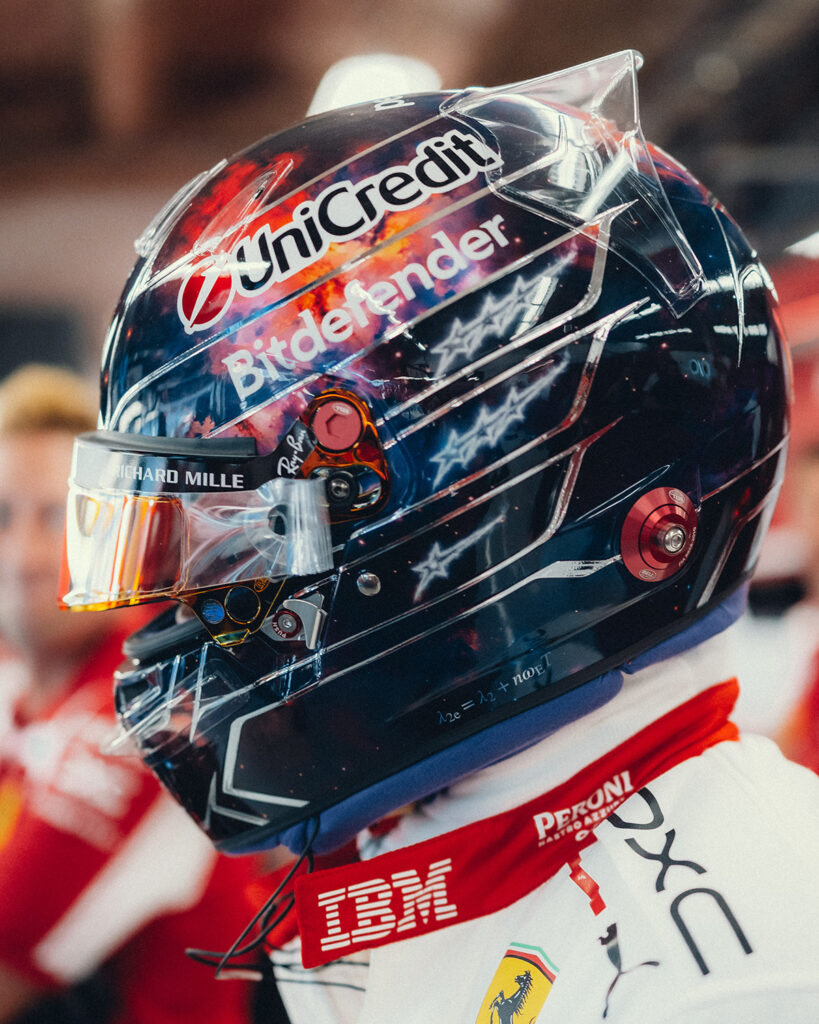
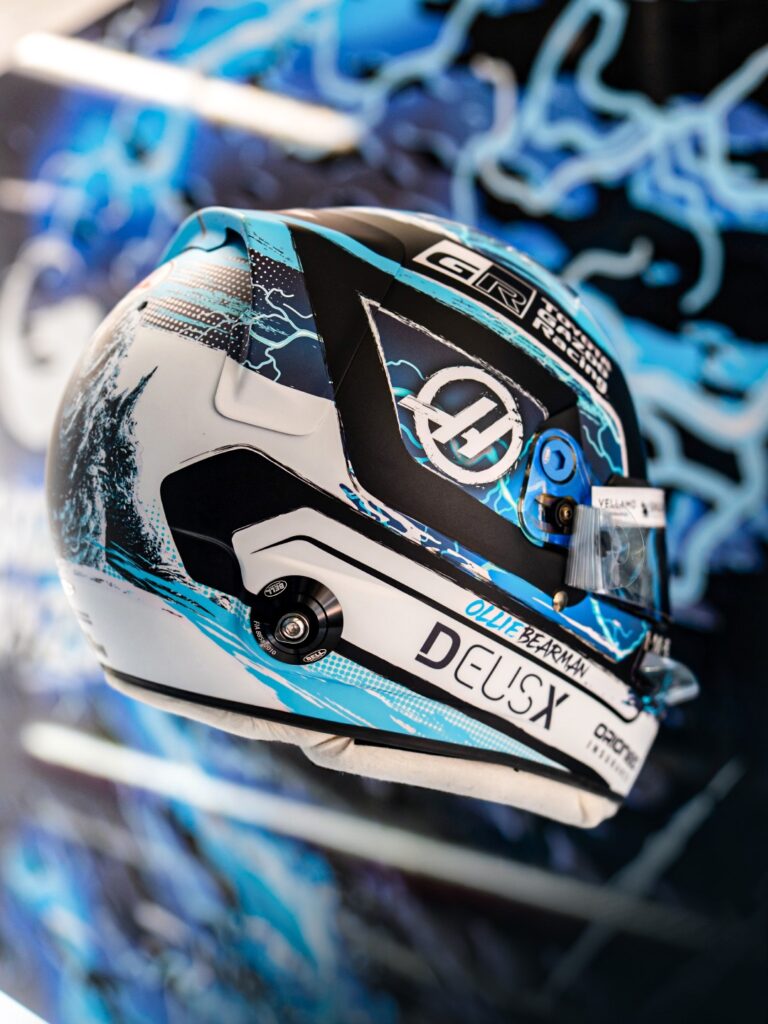
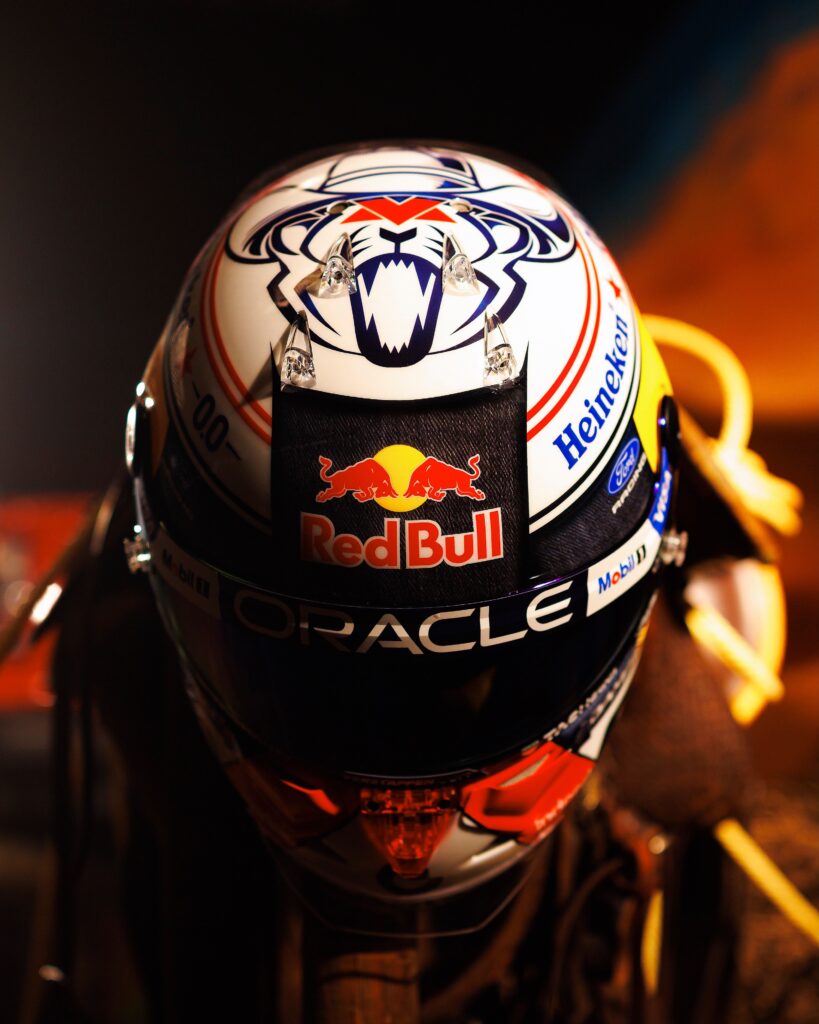
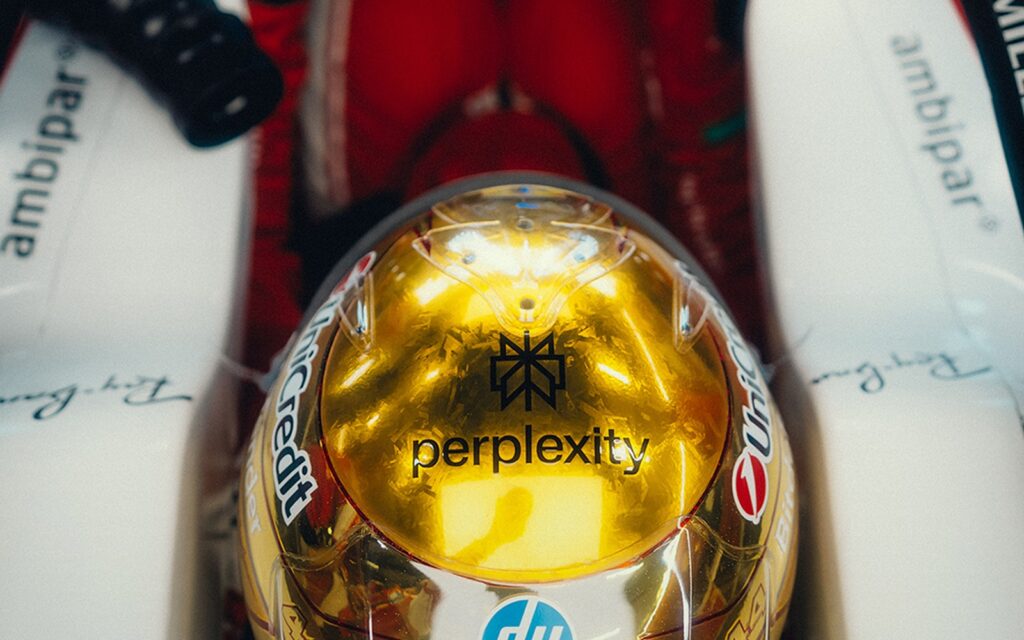
Tier 2 is where the comparison space lives. Independent studios produce full-size 1:1 collector replicas — exact external reproductions of helmets worn by drivers in specific Grand Prix events, sold to collectors. There is no production line, no manufacturer affiliation. Tier 2 brands include Art of Helmets, CM Helmets out of Houston, All Racing Helmets, and 123Helmets, registered in Estonia. Catalogue prices run from about $560 to $2,500 (September 2026), set by the design and the edition rather than by a published finish tier.
Tier 3 sits below the full-size segment with mini and desk-scale models — typically 1:2, 1:5 or 1:8, in resin or die-cast. Brands like Spark Model and Minichamps dominate this tier. Tier 4 is a different market altogether: the auctioned secondary market of race-worn helmets and signed memorabilia. Houses like Bonhams, RM Sotheby’s and RR Auction handle pieces with provenance from €5,000 to over €200,000.
Tier 1 — Officially Licensed Manufacturers
At the top of the market sits the smallest tier in volume but the most visible in brand recognition: the helmet manufacturers themselves. These are the companies that make the helmets F1 drivers race in — Bell supplies most of the 2026 grid — and some of them also sell 1:1 collector editions under their own name.
Bell Helmets leads this tier: 14 drivers on the 2026 grid use its HP77, according to Bell, and its Bell Collectibles program offers a Limited Series of 1:1 collector helmets. Stilo, based in Italy, and Schuberth, based in Germany, are racing-helmet makers that also run collector programmes.
Tier 1 prices are set by each manufacturer. The buyer profile is typically the deeply brand-loyal collector, the corporate gift program, or the established collection adding a flagship piece.
What unites Tier 1 is provenance: the collector edition carries the name of the manufacturer that makes the racing helmet. The buyer is paying for that brand lineage. The collector edition is a display object — distinct from the manufacturer’s working motorsport catalog that sits next to it. Confusing the two is the most common error.
Below this tier of officially licensed copies sits the much larger world of independent collector replicas — Tier 2 — where most display collectors actually shop and where 123Helmets operates.
Tier 2 — Full-Size Collector Replicas
Tier 2 is where most display collectors actually shop and where 123Helmets operates. Four active studios produce full-size 1:1 collector replicas in 2026, each with its own catalog scope, finish process and pricing position. They share the same format — full-size, 1:1 external reproduction — but differ markedly on craft and the depth of their driver and era coverage.
Art of Helmets
Art of Helmets, founded in 2004, is a Tier 2 collector studio covering modern and historic liveries across a broad driver menu. Pieces are hand-painted and built to order, with production typically running 3–5 weeks before free FedEx shipping. Pricing sits in the upper half of the Tier 2 range, roughly $1,000 to $2,300, with custom-commission work higher. It also sells 1:2 scale helmets alongside its full-size range. Art of Helmets appeals to collectors who prioritise finish quality.
CM Helmets
Houston-based, with more than fifteen years in the industry by its own account. CM Helmets runs one of the broadest catalogs of the Tier 2 players, spanning current-grid drivers, recent retirees and a deep historic range reaching back to the 1980s. CM states that it makes and paints every helmet by hand in-house; its FAQ lists most F1 replicas from $559 to $899, with limited and special editions up to about $2,500 (checked 27 September 2026). Most helmets take 20–40 days to manufacture, and CM advertises free worldwide shipping. The distinctive characteristic is the combination of tenure and catalog breadth.
All Racing Helmets
An independent studio with a catalog-depth angle. All Racing Helmets has built one of the widest Tier 2 catalogs by era coverage — from 1970s historic designs through current 2026 grid liveries — with particular strength in early-era and championship-defining designs collectors otherwise struggle to find. The finish uses automotive-grade paint with applied sponsor decals. Pricing sits in the accessible mid-tier collector band, with pieces made to order in roughly 3-5 weeks. All Racing Helmets is the obvious choice for collectors building era-spanning shelves rather than current-season tracking. The distinctive characteristic is catalog depth: liveries from drivers and seasons rarely represented elsewhere in Tier 2.
Racing Helmet Collector
A bridge between the Tier 2 collector-replica market and the Tier 4 world of authenticated memorabilia. Racing Helmet Collector specialises in authenticated, in-person signed pieces — full-size helmets carrying a genuine driver autograph — occasionally handles race-worn originals from private collections, and also sells custom-painted “make your own” helmets. Pricing for signed pieces sits well above the made-to-order replica band: signed full-size helmets run from around $7,500 well into five figures depending on the driver and the rarity of the piece, with race-worn provenance items higher still — closer to Tier 4 authenticated-memorabilia money than Tier 2 replica pricing. The distinctive characteristic is the autograph layer: for collectors who value a documented, direct link to the driver over the craft of a reproduced livery, this is the route that sets it apart from the replica studios.
123Helmets
Estonia-registered (123Helmets OÜ), running a focused Tier 2 catalog of current-grid drivers plus a heritage line of historic drivers. Every helmet follows the same process — hand-painted livery, precision decals, lacquer — and is made to order in 3–5 weeks before free tracked FedEx shipping. Catalogue prices run from €820 to €1,460 (September 2026), set by the design rather than a finish tier. The catalog is curated rather than exhaustive — emphasis on display-grade finish quality for current-season liveries and historically significant championship designs. 123Helmets is the only Tier 2 brand covered here with a fully localised 7-language site (English, French, German, Italian, Spanish, Portuguese, Arabic), built for an internationally distributed collector base. The distinctive characteristic is the multilingual collector experience plus a founding collector program for early supporters.
Tier 3 — Mini & Desk Scale Replicas
Below the full-size segment sits a parallel market built around smaller scales — primarily 1:2, 1:5 and 1:8 — produced in resin or die-cast for desk and shelf display where space and budget both constrain the collection. Tier 3 serves collectors who want catalog breadth at a fraction of the full-size price, often in combination with scale-model F1 car collections from the same manufacturers.
Spark Model is the dominant Tier 3 player, with a broad catalog of current-season and historic helmet liveries at 1:5 scale, typically priced €60 to €150. Minichamps, longer-established in F1 car scale models, also offers mini helmets at 1:2 scale. Beyond these two players, smaller specialist producers occasionally release limited-edition 1:5 or 1:8 pieces tied to championship anniversaries or specific historic drivers — these circulate through scale-model retailers and dedicated F1 collector forums rather than via the brand storefronts.
Many display collectors mix Tiers 2 and 3 — a centrepiece full-size 1:1 of a favourite driver alongside a deeper 1:5 mini collection covering the rest of the grid. The format mix produces visual hierarchy on the shelf without exceeding the budget of full-size-only collecting. The crossover audience between Tier 2 and Tier 3 is real: Art of Helmets, for one, also sells 1:2 scale helmets alongside its full-size range.
Tier 4 — Used & Auction Market
Above all three production segments sits a small but visible secondary market: the auctioned tier of race-worn helmets and signed memorabilia. This is not a parallel category to display replicas — it is the original article, retired from competition and resold through specialist auction houses with full provenance documentation.
Bonhams, RM Sotheby’s and RR Auction are the three main houses handling F1 helmet lots in 2026. Pricing varies enormously: a recent-retiree race-worn helmet with COA and clear provenance can run €5,000 to €25,000, championship-defining pieces (championship-winning Grand Prix wear, retired-driver flagship season helmets) command €50,000 to €200,000, and ultra-rare pieces from iconic drivers occasionally cross the €500,000 threshold at private sale.
Tier 4 is investment-tier collecting. Buyers are typically established collectors, museum acquisitions, motorsport heritage funds, and corporate brand programs. The display logic differs from Tiers 1-3: rather than reproducing a livery for shelf presence, the piece is a physical artefact of a specific race weekend, identifiable down to scratches and visor scuffs. The market segment is small, opaque, and meaningful only for collectors building investment-grade collections rather than display arrangements.
How to Choose — 5 Criteria for Display Collectors
Choose a Tier 2 collector replica with the same discipline you would apply to any other display object — finish quality, provenance, fit-and-finish details, and the service infrastructure behind the purchase. These five criteria apply across all Tier 2 brands, in this order of priority.
Scale 1:1 vs Mini
The first decision is format. A full-size 1:1 replica reproduces approximately 29cm × 25cm × 35cm — substantial shelf presence and the natural choice for centrepiece pieces. Mini-scale (1:2, 1:5, 1:8) suits collectors building broad driver coverage where shelf real estate is constrained. The two formats are not interchangeable: a 1:1 is a single-piece display object, a mini is a collection unit. Most collectors run a hybrid mix once they have decided the centrepiece. See our size and scale primer for visual comparison of formats.
Livery Accuracy
The defining quality criterion. Compare the studio’s livery photography against reference photos from the actual Grand Prix weekend — sponsor logo positioning, decal accuracy, paint colour match, helmet number font fidelity, and visor tint. Tier 2 studios vary significantly here: artisan workshops typically out-perform volume producers on livery fidelity at the cost of price and delivery time. Resolution matters too — a studio that publishes high-resolution photography of finished pieces gives the buyer more to verify before purchase.
Finish Process
Studios describe their finishes differently. Some combine a painted base livery with applied decals for sponsor detail — All Racing Helmets and 123Helmets both describe their helmets that way — while others, like CM Helmets, state that every helmet is painted by hand. Ask how the livery is built: which elements are painted, which are decals, and whether the helmet is lacquered. The answer matters as much for older liveries with unusual paint schemes as for sponsor-heavy modern designs.
Packaging & Authentication
The presentation matters more than buyers expect. A premium piece arrives in a fitted case with a COA — a studio-issued authentication document listing piece number, edition size, finish process, and studio details. The COA documents the studio’s production claim, not any third-party verification — it confirms the piece’s identity as a studio-produced display replica. A clean serial number, displayable COA, and purpose-built case design distinguish premium Tier 2 from budget Tier 2 even when the underlying livery looks identical.
Customer Support & Returns
Tier 2 studios differ widely in service infrastructure. The full-language coverage of the storefront, response time on questions before purchase, return policy clarity, and shipping insurance terms all matter — especially for international orders crossing customs. 123Helmets publishes a 7-language site and a transparent return policy (see our guarantee); the other Tier 2 studios covered here publish in one to three languages. For international collectors, this criterion often becomes the decisive factor between two studios with otherwise comparable products.
Where 123Helmets Fits
123Helmets sits squarely in Tier 2, with a focused position in the collector replica segment. The catalog covers drivers from the 2026 grid, with their current liveries, plus selected historic championship designs — Senna, Schumacher, Prost, Hunt, Hamilton’s championship seasons, and a handful of single-Grand-Prix flagship liveries — chosen for collector demand rather than calendar coverage. See the drivers hub and the teams hub for the full active catalog.
What separates 123Helmets from the four other Tier 2 studios is the multilingual collector experience. The 7-language site (English, French, German, Italian, Spanish, Portuguese, Arabic) is built for an internationally distributed collector base — the other Tier 2 players covered here publish in one to three languages. Customer support, return policy, and product documentation all run in the seven languages, with consistent positioning across markets.
123Helmets OÜ is registered in Estonia; helmets ship worldwide free by tracked FedEx, and the import terms for each destination are set out on the Order & Shipping page. A founding collector program offers early-supporter benefits to the first wave of customers, with a published guarantee covering display-related defects (see our guarantee page for full terms). For deeper buying guidance, the collector guide walks through display planning, while the display guide covers stand selection and shelf arrangement.
For collectors deciding between 123Helmets and another name in the market, dedicated head-to-head comparisons are publishing in turn — 123Helmets vs CM Helmets, 123Helmets vs Art of Helmets, 123Helmets vs All Racing Helmets, 123Helmets vs Racing Helmet Collector, and 123Helmets vs F1 Authentics, the official F1 memorabilia store. Each comparison covers product scope, finish process, pricing, shipping and the kind of collector each one serves best. Our Kimi Antonelli helmets hub gives a driver-focused profile of a single 2026 grid figure’s livery rotation.
Frequently Asked Questions
What is the difference between an official F1 helmet and a replica?
An official F1 helmet is the working helmet worn by a driver during a Grand Prix weekend — produced by a helmet manufacturer; Bell supplies most of the 2026 grid, with 14 drivers using its HP77 according to the brand. A replica is a display copy. Tier 1 collector editions come from those same manufacturers in 1:1 form. Tier 2 collector replicas (like 123Helmets) are independent studio reproductions, made purely for display and collection.
Are display F1 replica helmets meant to be worn?
No. Display replicas reproduce only the visual appearance of an F1 helmet — finish, livery, sponsor placement — at the actual external scale. They are display objects, never worn, and must not be used during motorcycling, karting, motorsport or any activity where a real helmet would be required. The mandatory disclaimer on every product page states this clearly.
How much does a 1:1 F1 replica helmet cost in 2026?
Tier 2 collector replicas cost from about $560 to $2,500 in 2026: All Racing Helmets from $585, CM Helmets mostly $559–$899 with special editions up to about $2,500, Art of Helmets roughly $1,000–$2,300, and 123Helmets €820–€1,460 (prices checked September 2026). Tier 1 manufacturer editions, such as the Bell Collectibles Limited Series 1:1, are priced by each manufacturer. Spark’s 1:5 mini helmets (Tier 3) typically cost €60–€150.
Which brands make full-size F1 replica helmets in 2026?
Tier 1 (the helmet manufacturers) is led by Bell Helmets, the main supplier on the 2026 grid, with its Bell Collectibles program; racing-helmet makers such as Stilo and Schuberth also run collector programmes. Tier 2 (independent collector replicas) is led by four active studios: Art of Helmets, CM Helmets (Houston), All Racing Helmets, and 123Helmets (Estonia). Each Tier 2 brand has its own catalog scope, finish process and pricing position.
How is livery accuracy measured on replica helmets?
Livery accuracy is verified against reference photography from the actual Grand Prix weekend — paint colour match, sponsor logo positioning and size, helmet number font, decal placement, and visor tint. Studios that publish high-resolution photos of finished pieces give the buyer more data points to verify before purchase. Hand-painted finishes typically reproduce livery detail better than decal at higher cost and longer delivery time.
Can I get a replica of any F1 driver’s helmet?
Catalog coverage varies by studio. Current-grid drivers and championship-defining moments are widely available across the Tier 2 brands. Niche or single-Grand-Prix special liveries appear less often — Art of Helmets and All Racing Helmets cover deeper era ranges. 123Helmets covers drivers from the current grid plus selected historic championship designs. For unusual requests, custom commission work is available at some studios.
What is the difference between hand-painted and decal finishes?
Hand-painted finishes apply paint directly to the shell and suit older liveries with unusual paint schemes; decals reproduce printed sponsor artwork precisely and are often combined with a painted base. Many Tier 2 studios mix the two — 123Helmets, for example, hand-paints the livery and adds precision decals for sponsor detail. Price and lead time depend on the studio and the design rather than on the technique alone; the studio profiles above give each one’s figures.
Do replica helmets come with display stands?
It depends on the brand and tier. Premium Tier 2 pieces typically include a branded display stand and a fitted case. Entry-tier pieces may ship without a stand or with a basic resin stand sold separately (€20-€80 add-on). Packaging for Tier 1 collector editions is set by each manufacturer. Check the product page or contact the studio for specifics.
How long does delivery typically take for a hand-painted replica?
Most Tier 2 studios build to order. In September 2026 the studios covered here quote roughly three to six weeks of production — CM Helmets 20–40 days, Art of Helmets and All Racing Helmets about 3–5 weeks, 123Helmets 3–5 weeks — followed by international shipping, typically one to two weeks. Signed pieces and custom commissions follow their own timelines.
What is the return policy for custom F1 replicas?
Policies vary by studio and by product type. Personalised or custom-commissioned helmets are usually excluded from returns — CM Helmets, for example, excludes custom products from its 30-day full-refund policy. 123Helmets gives a 14-day right of withdrawal from delivery (return shipping at the buyer’s cost) and publishes a guarantee covering display-related defects (see our guarantee). Always read the studio’s policy before placing an order or a custom commission.
Related reading: F1 helmet facts · Gift guide for F1 collectors
Display/collector replica. Not certified for protective use. See our guarantee.
This article was written with the help of AI tools. Editorial policy