
Blog
McLaren 2026 Helmet Reveal: Lid Gets Its Moment
 123Helmets Editorial Team
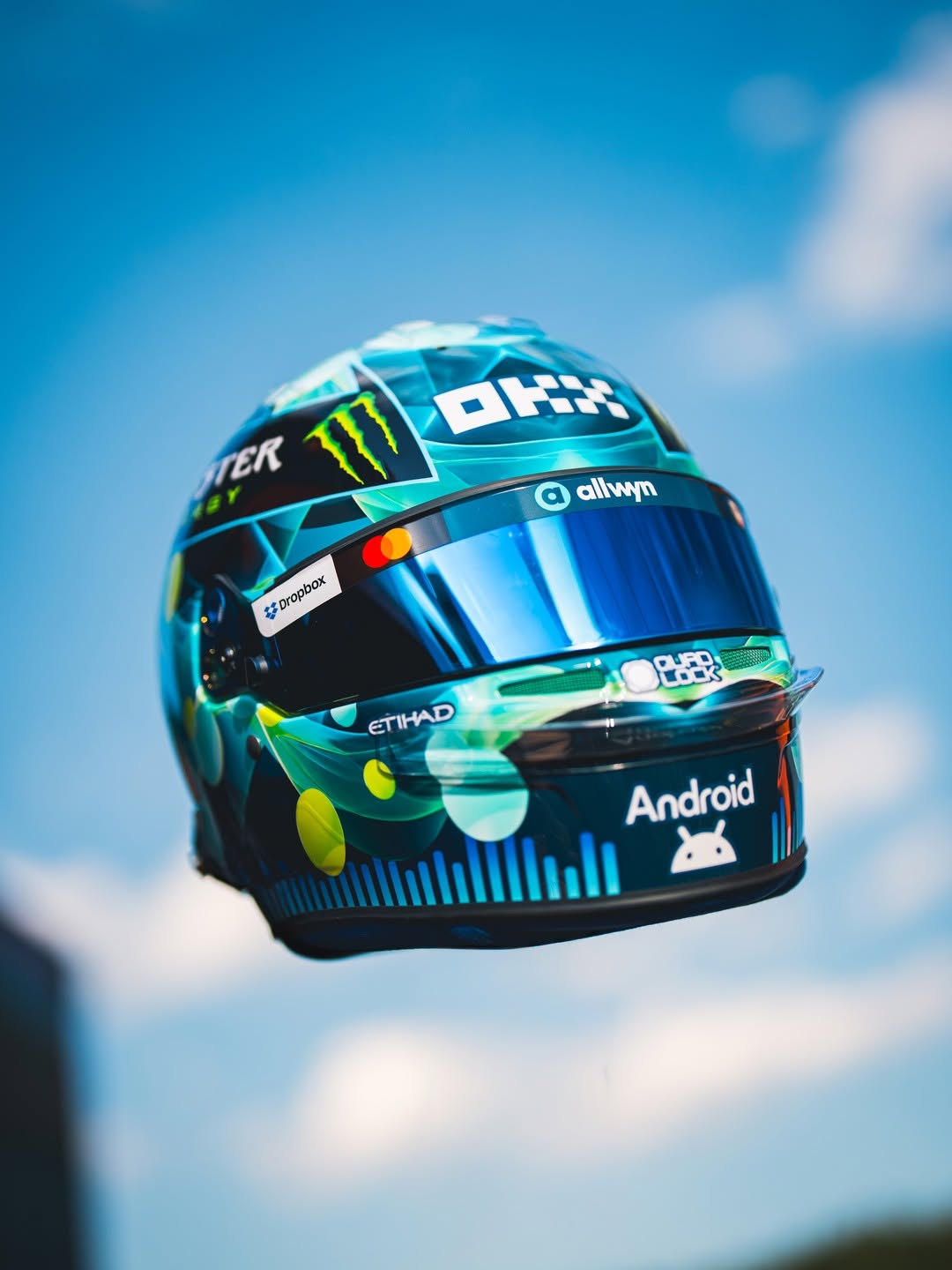
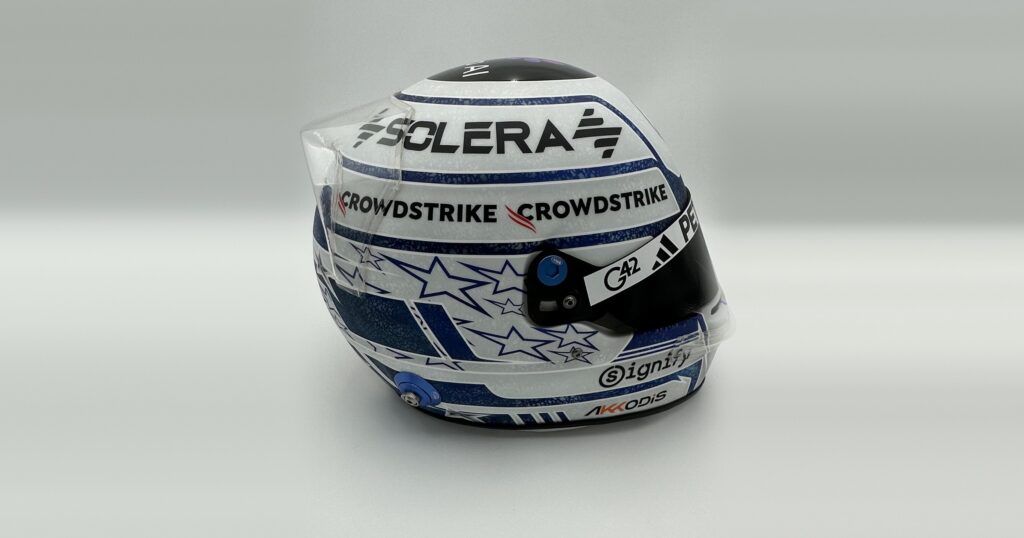
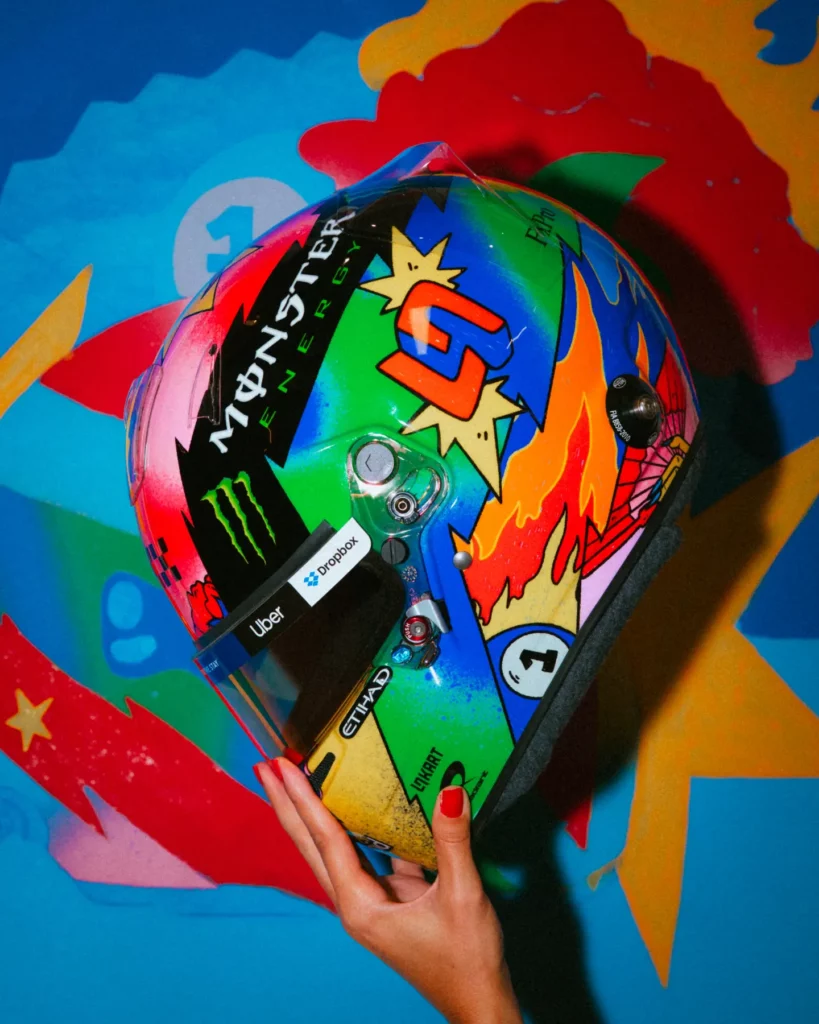
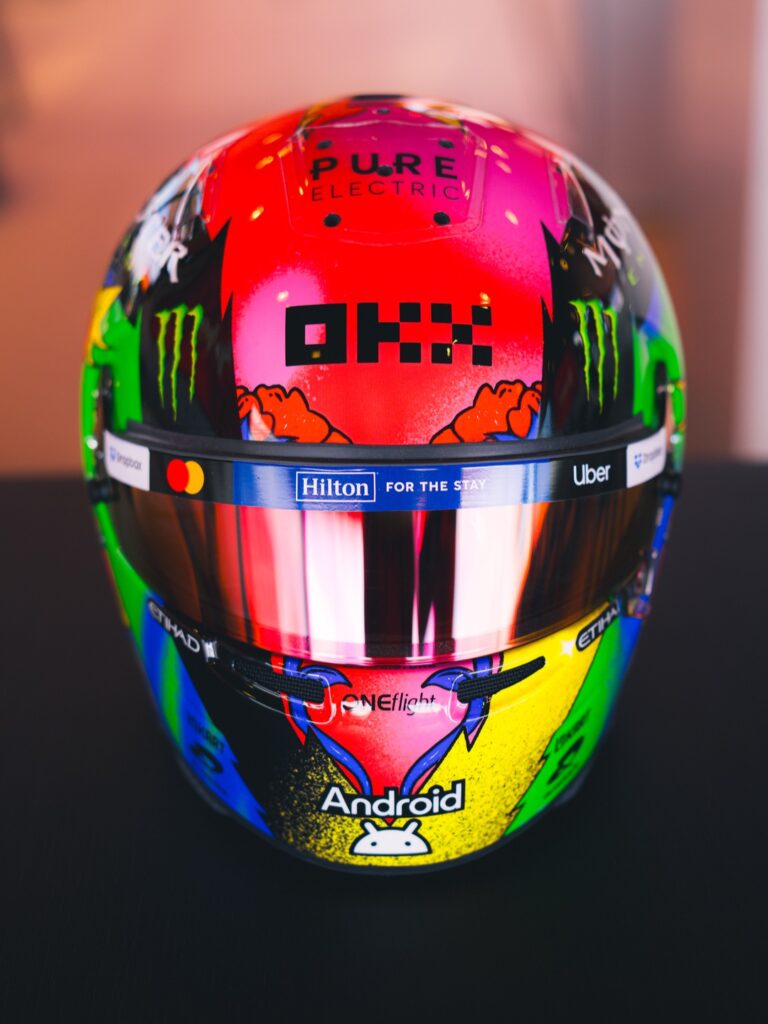
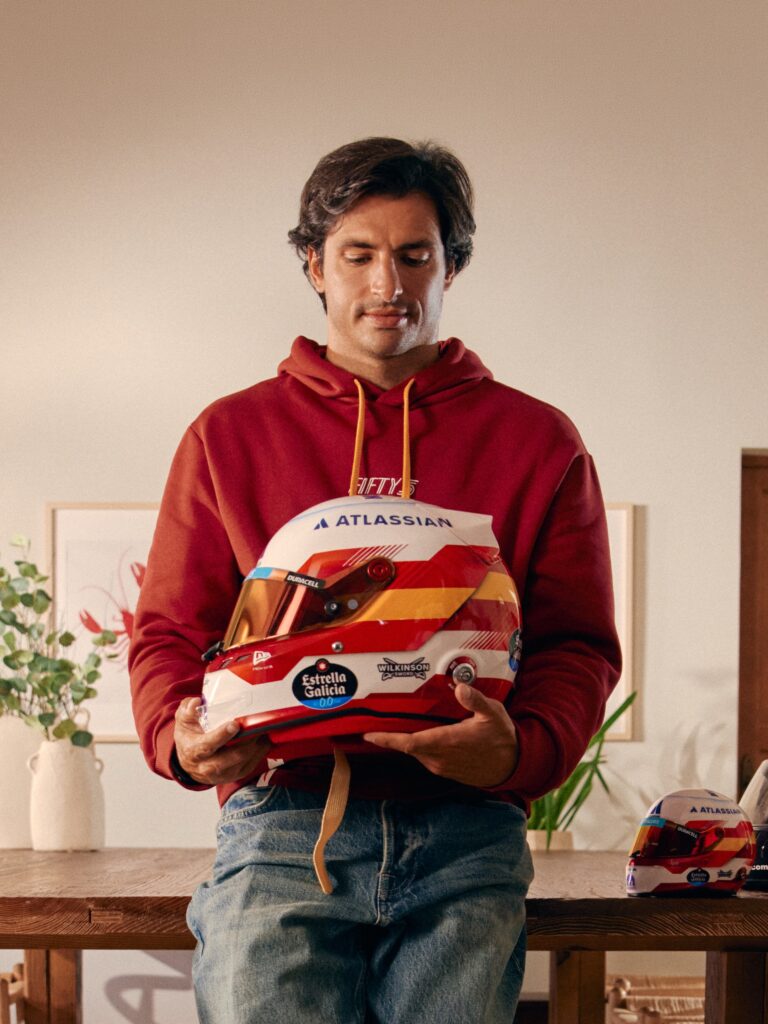
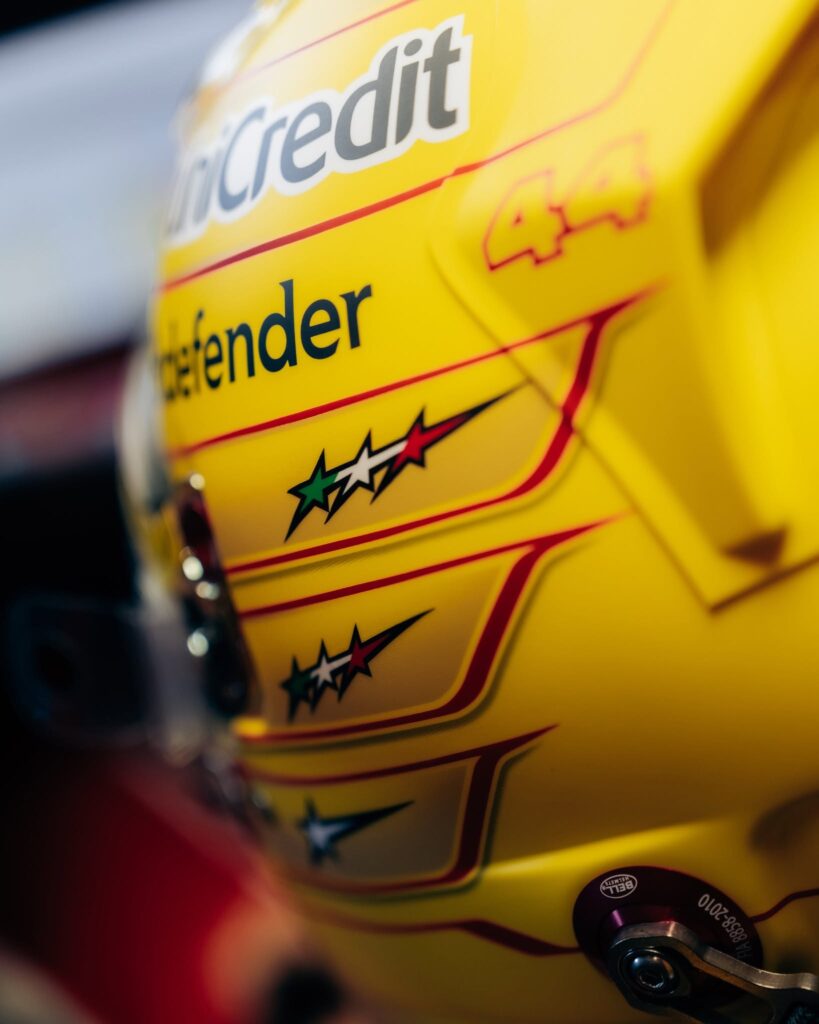
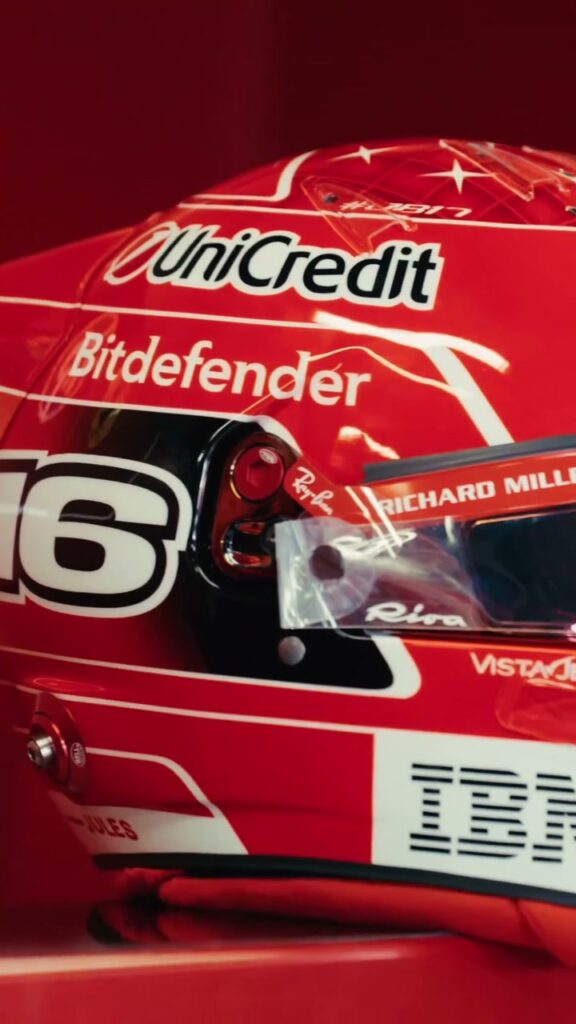
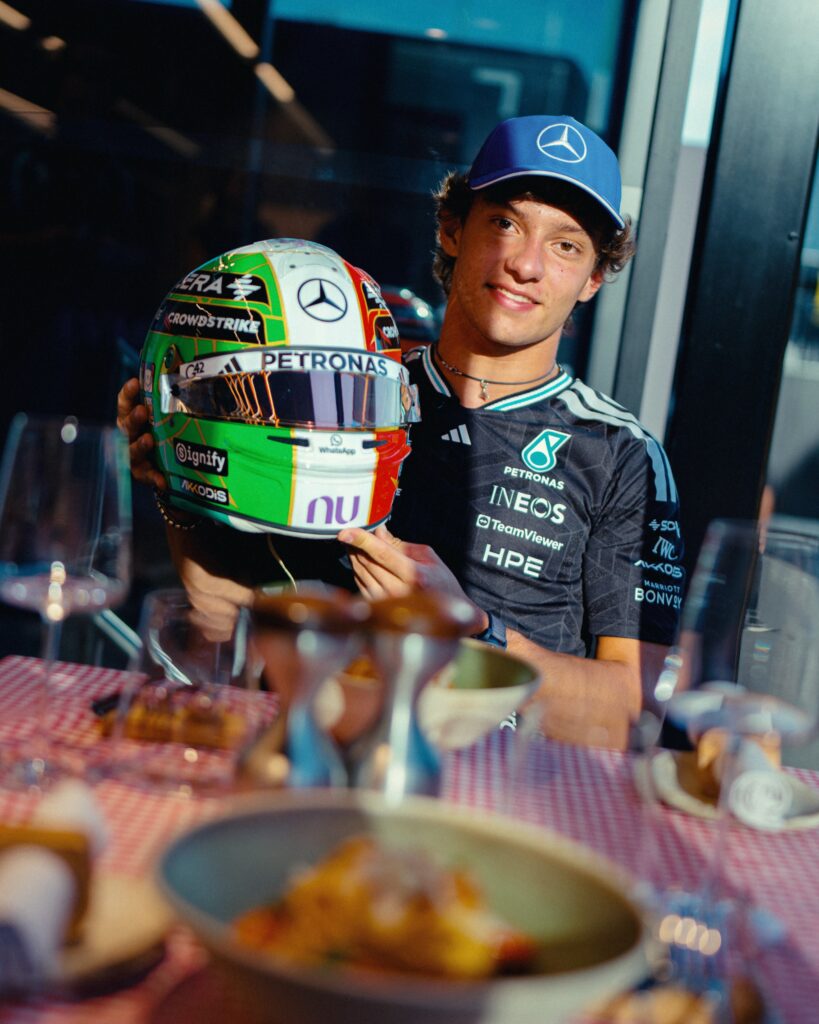
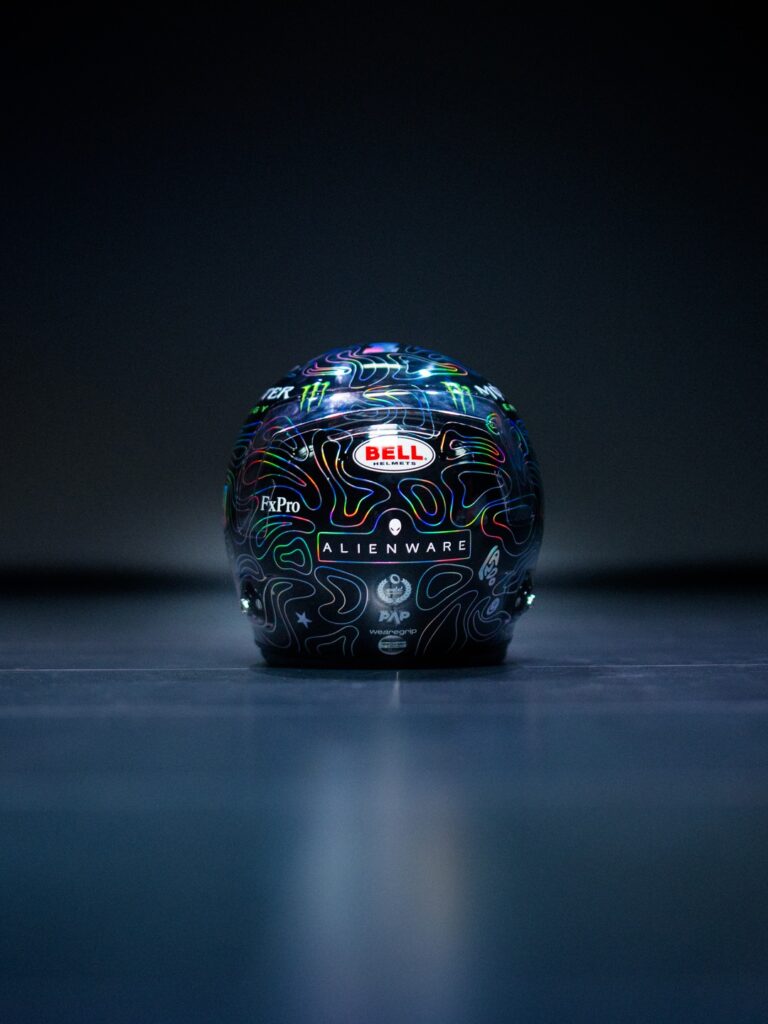
McLaren’s 2026 helmet has earned a second look — and a third. The team’s own social channels put the spotlight back on the lid with a series of close-up images captioned ‘Some more appreciation for the lid 😍’, and the detail on display is exactly the kind of thing that makes a full-size 1:1 replica worth owning as a collector piece.
Key Takeaways
McLaren’s papaya orange remains the dominant colour across the 2026 helmet, consistent with the team’s current car livery launched earlier this season.
The helmet’s graphic layering — dark base panels contrasting against bright papaya zones — creates a depth of finish that translates directly to a full-size 1:1 display replica at 29 × 25 × 35 cm scale.
McLaren’s social team framed the reveal as a deliberate appreciation post, signalling that the lid design was considered significant enough to showcase multiple times in 2026.
For collectors, the 2026 McLaren helmet represents a moment when the team sits at the front of the championship conversation, adding historical weight to any display piece from this season.
The Reveal: McLaren Puts the Lid Front and Centre
McLaren posted the same message three times in 2026 — ‘Some more appreciation for the lid 😍 #McLarenF1’ — and that repetition is deliberate. When a works Formula 1 team returns to the same piece of hardware across multiple posts, it is telling you something: this design is worth stopping for.
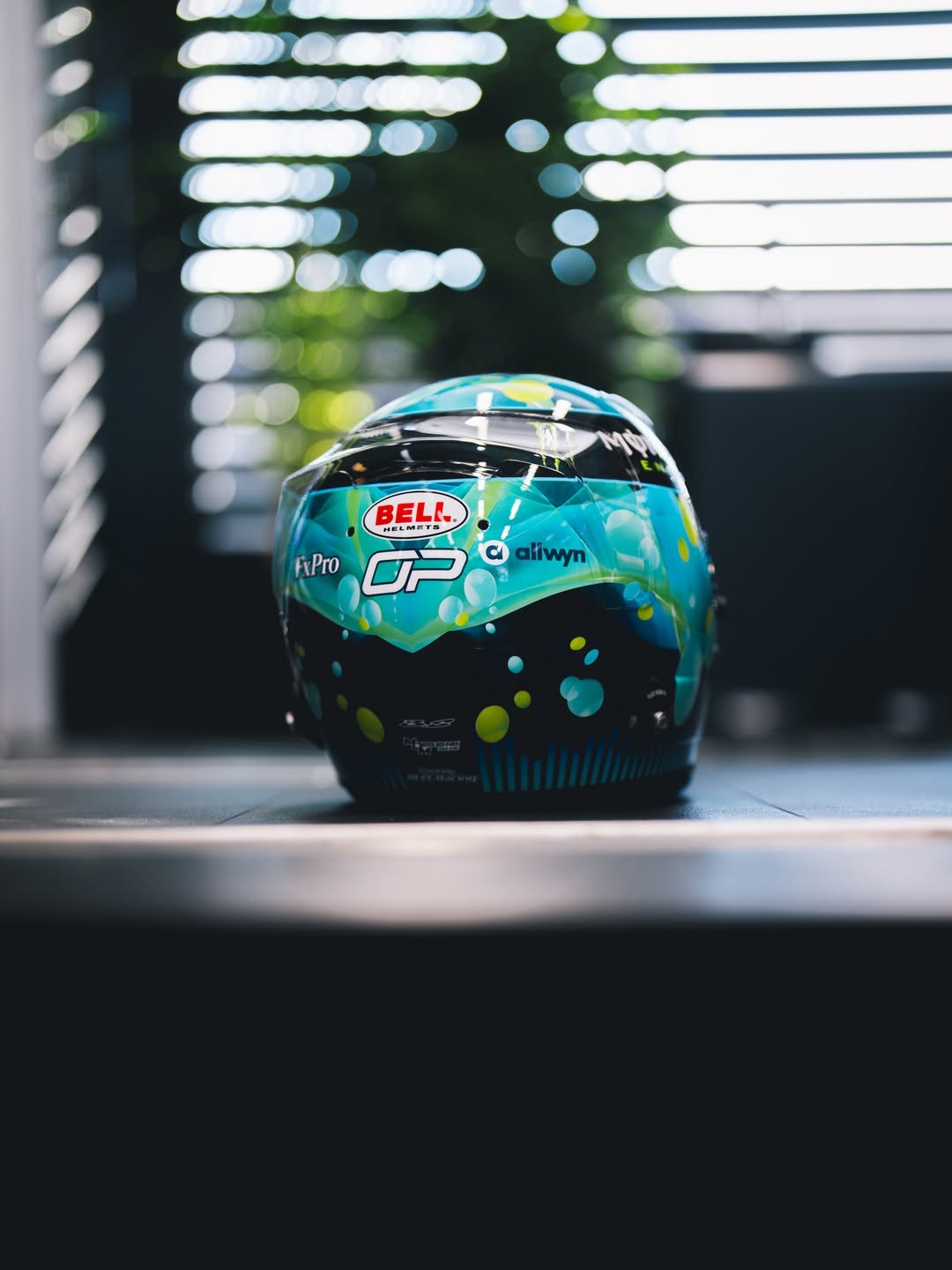
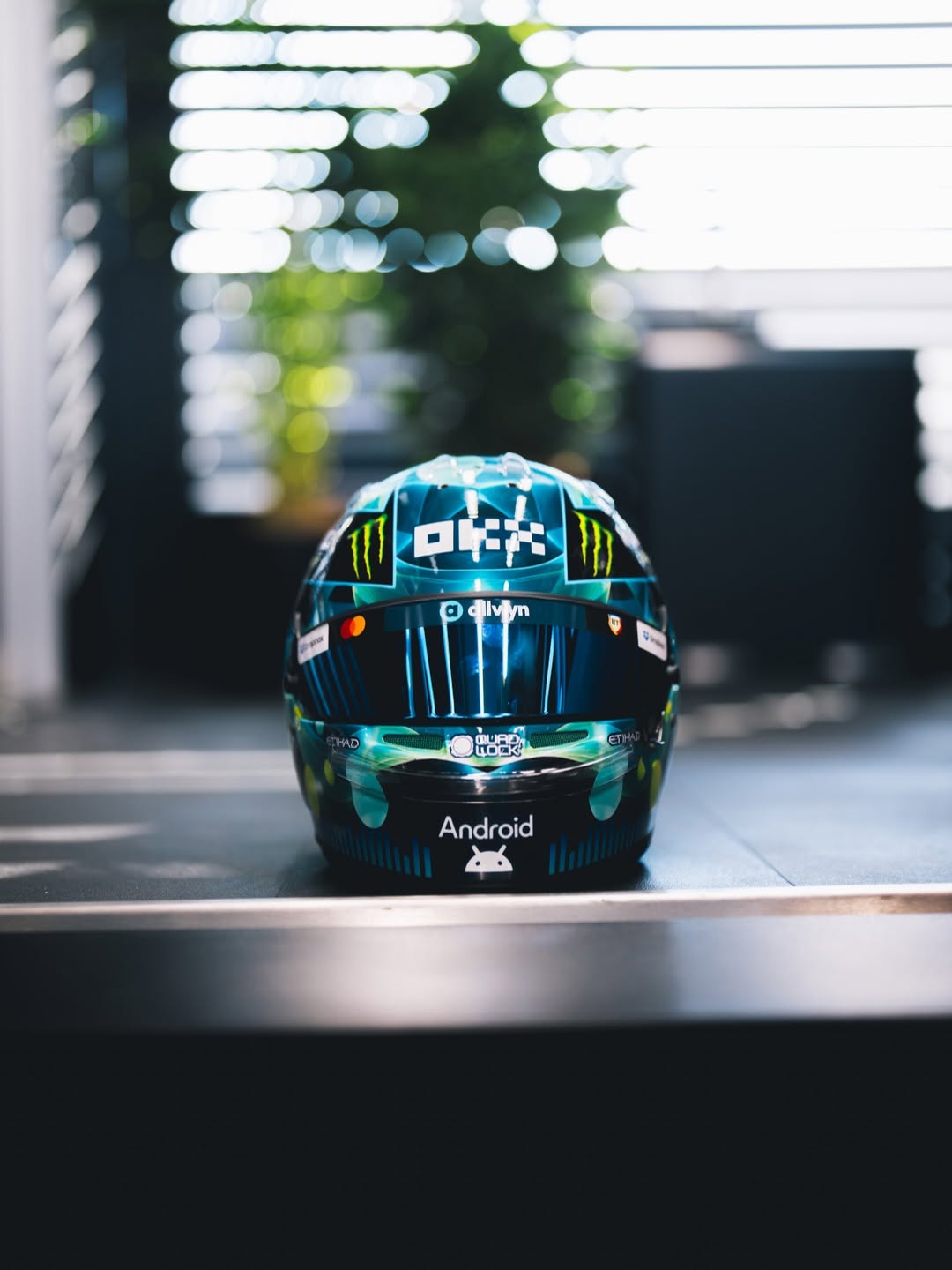
The images show the helmet in close quarters, the camera sitting near enough to the shell to pull out specific graphic boundaries, colour transitions and finish textures. That is not the kind of photography you commission for a throwaway post. McLaren’s media team chose to frame these shots as stand-alone appreciation content, separate from any race weekend or points update. The lid is the story.
For anyone tracking McLaren’s visual identity through 2026, this moment lands in a season where the team has been operating near the sharp end of the grid. Every design artefact from a competitive year carries weight — and helmets, as the most personal piece of equipment a driver carries, carry more than most.
Papaya, Carbon and Contrast: Reading the Livery
The 2026 McLaren helmet leads with papaya orange, the signature colour that the team restored to prominence and has defined its identity since the late 2010s revival. Papaya is not a simple flat orange — it sits warmer than a standard safety orange, pulling slightly towards amber in direct light, and it shifts noticeably under the kind of studio and paddock lighting seen in McLaren’s reveal images.
Beneath and around the papaya zones, the helmet uses darker panel sections — charcoal or near-black — that serve a structural visual purpose: they make the orange read as brighter than it would against a neutral background. This high-contrast approach mirrors the car’s own livery logic, where dark chassis sections amplify the impact of the papaya bodywork panels.
The graphic transitions between colour zones are tight and deliberate. Rather than soft gradients that would blur under distance, the 2026 McLaren lid uses defined edge lines. That is a choice that photographs well at close range and looks precise on a display shelf. In a full-size 1:1 replica, those edge lines translate at actual scale — 29 × 25 × 35 cm footprint — so every boundary the factory design specified is present exactly as intended.
Secondary branding elements — partner logos and McLaren wordmarks — sit within the composition without overwhelming the core colour story. They are placed to be readable without dominating, which is a balance that helmet designers work hard to achieve when a livery already has strong graphic tension between its primary colours.
Construction and Finish: What the Close-Up Images Reveal
Close-up photography of a helmet shell reveals construction quality that wide shots hide entirely. McLaren’s reveal images bring the finish layer into focus, and a few things are immediately apparent about the 2026 design.
The outer surface reads as a gloss finish across the papaya sections, with the darker panels carrying a slightly different light response — potentially a matte or satin treatment — that separates the two zones without any physical texture boundary. This is a paint and clear-coat technique that requires precise masking and layering during manufacture. A quality display replica using the same approach will typically carry between 8 and 12 individual paint and lacquer layers to achieve that differentiated finish across a single continuous shell.
The visor area on the revealed helmet is framed by a clean aperture surround that integrates with the graphic lines rather than cutting across them. In a display replica, the visor itself is typically a fixed 4 mm polycarbonate panel tinted to match the race specification — not functional for use, but accurate to the visual profile of the helmet when displayed at eye level on a stand or shelf.
The shell geometry follows the current-generation aerodynamic helmet profile, which is taller at the crown and more squared at the rear than older designs. That geometry is what gives modern F1 helmets their distinctively assertive silhouette — and it is fully reproduced in a full-size 1:1 collector replica, where the weight typically sits around 1.2 to 1.5 kg depending on shell material.
McLaren in 2026: Why Season Context Matters for Collectors
A helmet’s collector value is inseparable from the season it comes from, and 2026 is not a quiet year for McLaren. The team entered this season with genuine front-running expectations after closing the gap to the top of the constructors’ standings through 2024 and 2025, and the 2026 campaign has continued that upward trajectory.
When a team is winning races or fighting for championships, every piece of branded hardware from that season takes on retrospective significance. Helmets from dominant or breakthrough years become reference points — the design you associate with a particular title fight, a particular driver performance, a particular moment in the sport’s history. The 2026 McLaren helmet, revealed and re-appreciated by the team’s own channels on 2026-06-26, is being documented at exactly the point in the season when the championship is still open.
That timing matters for collectors because it means acquiring a display piece now captures the helmet at its most current and most contextually loaded point. A replica of this design, displayed alongside McLaren memorabilia from earlier eras, tells a story that spans the team’s visual journey — from the chrome and red of the late 2000s through to the papaya revival and now the refined 2026 specification.
The team’s social framing of ‘appreciation’ is also worth noting. McLaren is not presenting this helmet as a technical update or a mid-season change. They are presenting it as an object worth looking at for its own sake. That is a collector’s instinct applied to a racing artefact, and it lines up precisely with how a display replica functions in a home or office environment.
Displaying the 2026 McLaren Lid: Scale, Placement and Presentation
A full-size 1:1 replica of the 2026 McLaren helmet occupies the same physical space as the race-used original — approximately 29 × 25 × 35 cm in plan footprint — which means it reads as a substantial object at desk or shelf level.
The papaya-dominant colour palette works particularly well under warm light sources. Incandescent or warm LED lighting (around 2700 K to 3000 K colour temperature) pulls out the amber shift in the papaya, making the helmet appear richer and more three-dimensional than it would under cooler white office light. If you are planning a display position, south-facing natural light or a directed warm spotlight above and slightly forward of the helmet will reproduce the effect McLaren’s photographers were capturing in their close-up appreciation posts.
Display stands designed for 1:1 helmet replicas typically elevate the piece 8 to 12 cm off the surface, which angles the visor slightly toward the viewer and presents the top graphic — where the most complex livery work is usually concentrated — at a readable angle. Paired with an acrylic case, the assembly keeps dust off the finish without obscuring any of the visual detail that makes the 2026 McLaren design worth displaying.
For collectors building a McLaren-specific display, the 2026 helmet sits logically alongside replicas from the team’s other significant design eras. It is a current-season piece that represents the brand at a moment of genuine on-track competitiveness, which is the combination that gives a collector item staying power beyond the season itself.
Why This Particular Lid Deserves the Appreciation
The 2026 McLaren helmet earns the attention McLaren’s own team has given it because it solves a hard design problem: it is immediately identifiable as a McLaren product at a glance, while still carrying enough graphic complexity to reward close inspection.
That dual requirement — readable at 200 metres on a racing circuit, interesting at 30 centimetres on a display shelf — is what separates genuinely successful helmet designs from ones that look fine in a thumbnail and flat in person. The 2026 lid, based on what the reveal images show, achieves both. The papaya blocks work at distance; the panel transitions, logo placements and finish differentiation work up close.
For a collector replica, that quality of design is the whole point. You are not displaying the helmet to remind yourself what it looks like on a screen. You are displaying it because the physical object — at full 1:1 scale, with the correct finish layers and graphic accuracy — delivers something the photograph cannot. The weight of it, the geometry of the shell, the way the visor tint changes with viewing angle: these are the qualities that make a display piece worth the shelf space.
McLaren posted ‘appreciation’ three times. That is a reasonable frequency when the object in question is this well considered as a piece of design. For collectors, the question is not whether the 2026 McLaren helmet deserves a place in a display collection. It plainly does. The question is whether to act on it now, while the season is live and the design is at its most current.
“Some more appreciation for the lid 😍”
— McLaren F1 official social media, 2026
FAQ
Q: What colours are used on the 2026 McLaren F1 helmet?
The 2026 McLaren helmet is led by papaya orange against dark charcoal or near-black panel sections. The high-contrast combination mirrors McLaren’s current car livery and is consistent with the team’s broader visual identity in the 2026 season.
Q: Is the 2026 McLaren helmet replica a full-size piece?
Yes — the 123Helmets McLaren replica is a full-size 1:1 scale display piece, matching the physical dimensions of the race-used original at approximately 29 × 25 × 35 cm. It is produced as a collector and display item only, not certified or intended for protective use of any kind.
Q: How many paint layers does a quality McLaren helmet replica carry?
A quality full-size display replica typically carries between 8 and 12 individual paint and lacquer layers to reproduce the finish differentiation between the gloss papaya sections and the darker matte or satin panel zones seen on the 2026 McLaren lid.
Q: Why does the 2026 McLaren helmet have collector significance?
The 2026 helmet represents McLaren at a point of genuine championship contention, which gives it retrospective weight as a season document. Helmets from competitive or breakthrough years consistently hold stronger collector interest than those from off-cycle seasons.
Q: What is the best way to display a McLaren helmet replica at home?
Place the replica on a stand that elevates it 8 to 12 cm off the surface and angles the visor toward the viewer. Warm light at around 2700 K to 3000 K colour temperature brings out the amber shift in the papaya finish. An acrylic case protects the paint layers without obscuring the design.
Shop McLaren Helmets — browse the full range of full-size 1:1 McLaren display replicas at 123Helmets.com and add the 2026 papaya lid to your collection.
Display and collector replicas only. Not certified for protective use. Full-size 1:1 scale.
This article was written with the help of AI tools. Editorial policy