Blog
Albon P18 Again: Williams 2026 Qualifying Struggle
 123Helmets Editorial Team
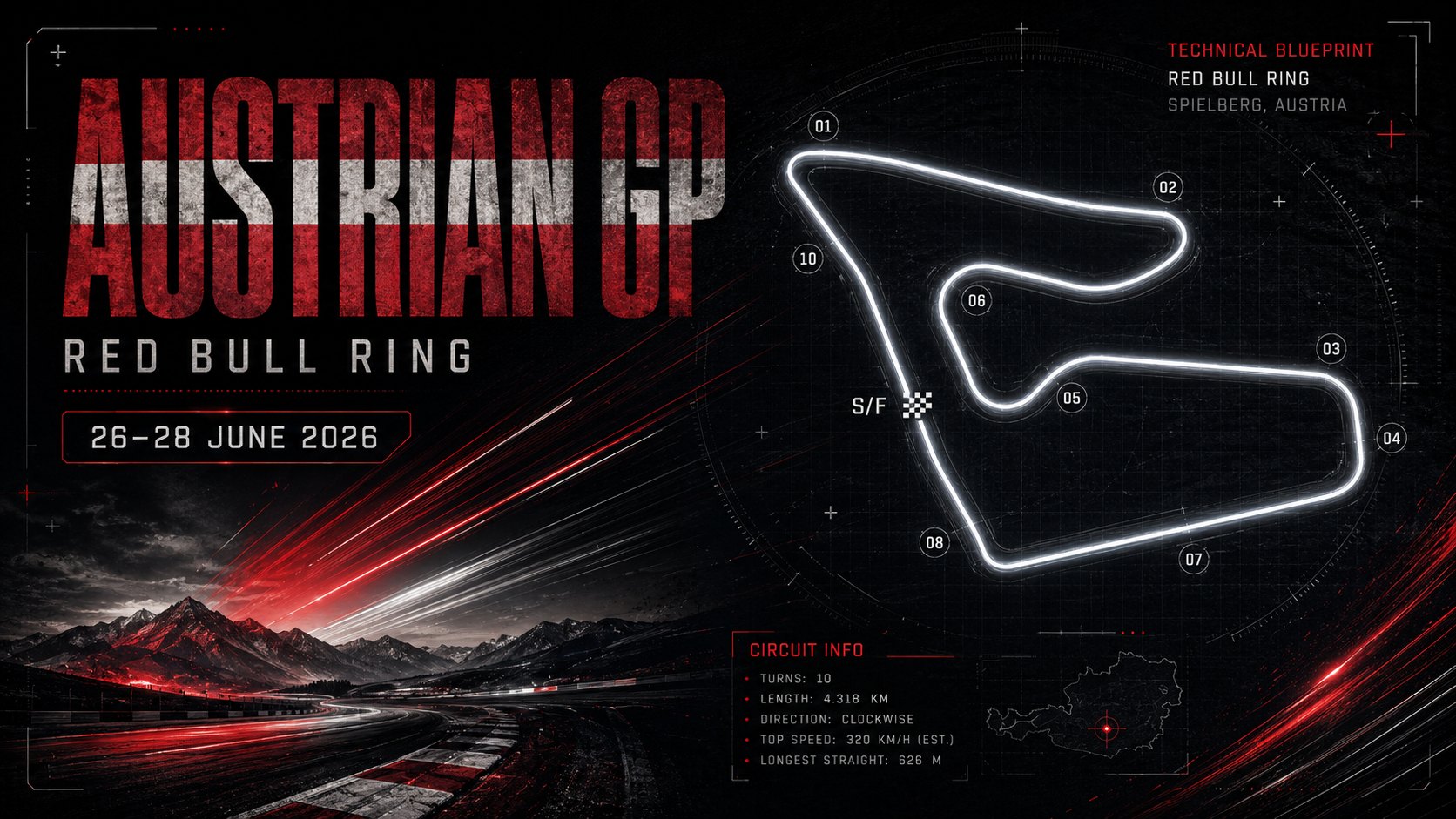
Alex Albon qualified P18 for the second consecutive race in 2026, a result that stings more given Williams’ historically strong form at the circuit. Albon blamed a wind gust on his final Q1 run but acknowledged the car is operating on a knife-edge every lap — a dynamic that makes tiny balance shifts costly.
Key Takeaways
Albon has now qualified P18 in two back-to-back 2026 race weekends, making it a pattern rather than a one-off.
A wind gust on his final Q1 lap disrupted tyre behaviour and cost Williams a stronger grid position.
Albon described the car as operating ‘on the edge every lap’ — small balance changes send it past the limit instantly.
Williams expected more from this venue based on their positive historical record there, making P18 a sharper disappointment.
Back-to-Back P18: The Qualifying Result in Plain Terms
Alex Albon has now qualified P18 in two consecutive 2026 Formula 1 race weekends, a statistic that moves the result from bad luck into a structural concern for Williams. The pairing of identical grid positions across separate circuits suggests the issue is not track-specific but systemic in at least some qualifying conditions.
Albon was quick to point out that pace in practice had felt encouraging right through the weekend. “This weekend’s been pretty strong,” he said after the session. “I’ve been feeling good with the car all weekend.” That gap between practice confidence and qualifying output is one of the more frustrating positions a driver can describe — and it points directly at where the session fell apart: the final run in Q1.
Williams has historically shown competitive pace at this circuit. Arriving with reasonable expectations, only to land on the same grid slot as the previous event, makes the result sharper. Two consecutive P18s is a data point the team cannot dismiss as circumstance.
The Wind Gust That Ended the Q1 Run
A single wind gust on Albon’s last Q1 attempt directly disrupted tyre behaviour and prevented Williams from banking a stronger lap time. Albon described the moment with precision: “The last run in Q1, I think we just got a wind gust, or something with the tyres. It happens.”
In 2026, F1 tyre compounds are optimised for narrower operating windows than in previous eras of the sport, meaning external disturbances — even brief ones — can drop surface temperatures outside the grip window mid-lap. A single corner where the rubber is 3–5 °C below optimal can erase multiple tenths on a lap around a circuit that already rewards balance consistency above almost everything else.
The timing of the gust was the critical factor. A final Q1 run leaves no margin: there is no opportunity to bank a clean lap and then push further. When conditions intervene on that last attempt, the driver exits the session on whatever time stands from the earlier run — and if that earlier run was not competitive enough, the result is elimination.
Albon’s acknowledgement that “it happens” signals experience rather than excuse-making. Wind and tyre sensitivity are documented realities of modern F1, not grievances. But documented or not, the outcome was the same: P18 for the second weekend running.
On the Edge Every Lap: Williams’ Balance Problem Explained
Williams’ 2026 car requires near-perfect balance on every single lap to stay within its performance window, and even small deviations send it past the limit. Albon put the situation directly: “The car’s so on the edge every lap around here, we seem to get tipped over if we have a small difference in balance.”
This is a specific engineering problem. A car that operates within a very narrow balance corridor can look fast in clean conditions — which explains why Albon felt strong all weekend in practice — but becomes disproportionately sensitive when anything external or internal shifts the setup even slightly. A gust of wind, a tyre that has cycled differently to expected, or a subtle change in track temperature between runs can each push the car past its working range.
The challenge for Williams engineers heading into race day is that the same sensitivity that costs them in qualifying can work in reverse during the race. If the balance comes together in cleaner, more predictable air, the car can run competitively. But starting from P18 means the driver must navigate traffic, tyre strategy complications and the physical cost of overtaking — all before any pace advantage the car might theoretically carry becomes relevant.
Teams dealing with a narrow balance window often face a stark choice between setting the car up conservatively to avoid the worst outcomes, or committing to a sharper setup in search of the peak lap. Williams appears to be chasing the peak, which delivers strong practice sessions and brittle qualifying results when conditions deviate by even a small margin.
Historical Form vs. 2026 Reality at This Circuit
Williams expected to perform better at this venue based on a track record of competitive results there in prior seasons. Albon was direct: “I expected a lot more from this weekend. We’ve always gone well around here in the past.”
Historical circuit correlation is one of the most reliable tools teams use when building setup expectations ahead of a race weekend. When a car’s aerodynamic and mechanical characteristics match what a specific track demands — low-speed traction, high-speed stability, a particular braking profile — that team tends to return competitive results year after year, even across regulation changes.
The gap between that expectation and a P18 qualifying slot tells its own story about how much the 2026 regulations have redistributed performance. Cars that thrived at certain circuits under previous technical rules do not automatically carry those advantages into a new era. Williams’ reference point from earlier seasons may now reflect a different car, a different tyre, or a different circuit surface to the one they are actually racing on in 2026.
That recalibration is uncomfortable but necessary. If the historical data is no longer a reliable predictor of 2026 performance at this venue, the team must build a new reference from current data — and two consecutive P18 qualifying results are, at minimum, clear data points to start from.
What P18 Means for the Race and for Albon as a Collector’s Subject
Starting from P18 in a 2026 Formula 1 race places Albon in the back third of the grid, two positions from last if a full 20-car field is in play, and requires a significant strategic recovery to score points. The mathematics are simple: a driver starting P18 must pass at least eight cars to reach the points, assuming no retirements assist the cause.
Albon has demonstrated the ability to recover through the field — it is one of the qualities that has defined his time at Williams. Race pace in cleaner air, once the opening-lap chaos has cleared, is a separate metric from one-lap qualifying pace. If the car’s balance settles into a stable window during the race, positions are recoverable. Whether that happens consistently enough to offset the structural grid position deficit is the question 2026 has not yet answered for this team.
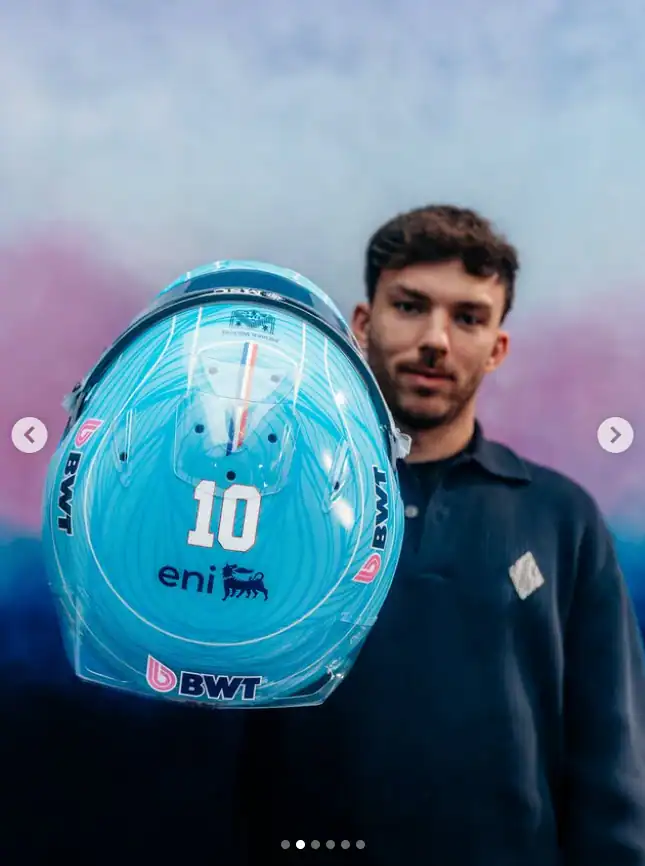
For collectors and fans of Alex Albon, moments like these — the frustration, the frank post-qualifying honesty, the attempt to convert a bad grid slot into a strong race — are exactly what makes a season’s helmet design worth owning as a display piece. A full-size 1:1 replica helmet from the 2026 season carries the livery Albon wore through weekends like this one: the qualifying struggle, the race recovery attempt, the cumulative story of a driver and a team working through difficulty.
A display replica finished at exhibition quality captures not just the colour and geometry of the helmet Albon wears on track but the specific season context those colours represent. The 29 × 25 × 35 cm display footprint of a standard full-size replica gives collectors a tangible reference point for the 2026 campaign — one that includes evenings like this qualifying session as part of what the season actually was.
What Williams Must Address Before the Next Qualifying Session
Two consecutive P18 qualifying results demand a concrete engineering response from Williams, not a restatement of practice pace that never converts. The team’s priority must be widening the car’s balance window so that minor external disturbances — a wind gust, a small tyre temperature variation — do not cost multiple grid positions.
The specific feedback Albon has given is precise enough to work from. He described the car as “on the edge every lap” and identified a final Q1 wind gust as the proximate cause of the result. That combination tells engineers the car’s peak is real but the operating window around that peak is too narrow to survive normal session variables. A setup change that sacrifices a small amount of peak lap time in exchange for greater consistency across a wider range of conditions may produce a better qualifying result even if no single run is as quick as the theoretical best.
Tyre preparation strategy is also worth examining. If the car is sensitive to wind and balance shifts, the approach to the final Q1 run — tyre preparation laps, out-lap speed, the gap between preparation and the flying lap — may need tightening to minimise variables the team can actually control, even if they cannot control the wind.
With the race weekend now decided from the grid, the immediate task is a points-scoring recovery drive. The longer-term task is arriving at the next qualifying session with a setup that does not put the entire result at the mercy of a single wind gust on the last lap of Q1.
“This weekend’s been pretty strong. I’ve been feeling good with the car all weekend. It’s all relative. The last run in Q1, I think we just got a wind gust, or something with the tyres. It happens.”
— Alex Albon, post-qualifying 2026
“The car’s so on the edge every lap around here, we seem to get tipped over if we have a small difference in balance. I expected a lot more from this weekend. We’ve always gone well around here in the past.”
— Alex Albon, post-qualifying 2026
FAQ
Q: Why did Alex Albon qualify P18 for the second race in a row in 2026?
A wind gust on Albon’s final Q1 run disrupted tyre behaviour and cost Williams a better lap time, repeating a P18 outcome from the previous race weekend. Albon described the car as operating on the edge every lap, meaning even small external disturbances like a wind shift push it past its balance limit and eliminate whatever lap time the setup was capable of producing in clean conditions.
Q: How does the 2026 Williams car’s narrow balance window affect qualifying?
A narrow balance window means the car performs well only within a tight range of setup and track conditions. When anything shifts slightly — wind, tyre temperature, track state — the car moves outside that window and grip drops sharply. This explains why Albon can feel strong in practice but then lose significant time to a single disrupted lap in qualifying, because practice allows more runs to find the window while qualifying is decided by the best individual lap.
Q: Is P18 on the grid recoverable in a 2026 F1 race?
P18 is recoverable but statistically difficult: a driver must pass at least eight cars to reach the points, assuming a full 20-car grid and no retirements. Albon has a documented ability to recover through the field, and if the Williams car finds a more stable balance in race conditions away from other cars, positions are available. However, starting so far back means tyre strategy, traffic and opening-lap risks all compound the challenge before any race pace advantage can be used.
Q: Why did Williams expect to perform better at this circuit in 2026?
Williams have historically produced competitive results at this venue in prior seasons, leading the team to build setup expectations based on that track record. Albon confirmed the expectation directly after qualifying. The gap between historical form and a P18 result reflects how much the 2026 regulations have redistributed car performance across circuits — historical correlation from previous technical regulations does not automatically translate into the current era.
Q: What does Alex Albon’s 2026 season helmet look like as a display replica?
A full-size 1:1 replica of Albon’s 2026 season helmet is a collector display piece finished at exhibition quality, capturing the exact livery he wore through the current campaign including weekends like this one. These display replicas are not certified for any protective use and are produced solely as collector and display items, typically with a 29 × 25 × 35 cm footprint and a weight of approximately 1.2–1.5 kg, making them suitable for shelf or cabinet display.
Browse F1 Helmet Collection — explore full-size 1:1 display replicas from the 2026 season and beyond at 123Helmets.com. Every helmet is a collector piece, exhibition quality, produced for display only.
Display and collector replicas only. Not certified for protective use. Full-size 1:1 scale.
This article was written with the help of AI tools. Editorial policy