
Blog
Alpine Pit Speeding Appeal: Piastri Reacts to FIA Confirmation of Pit Lane Error
 123Helmets Editorial Team
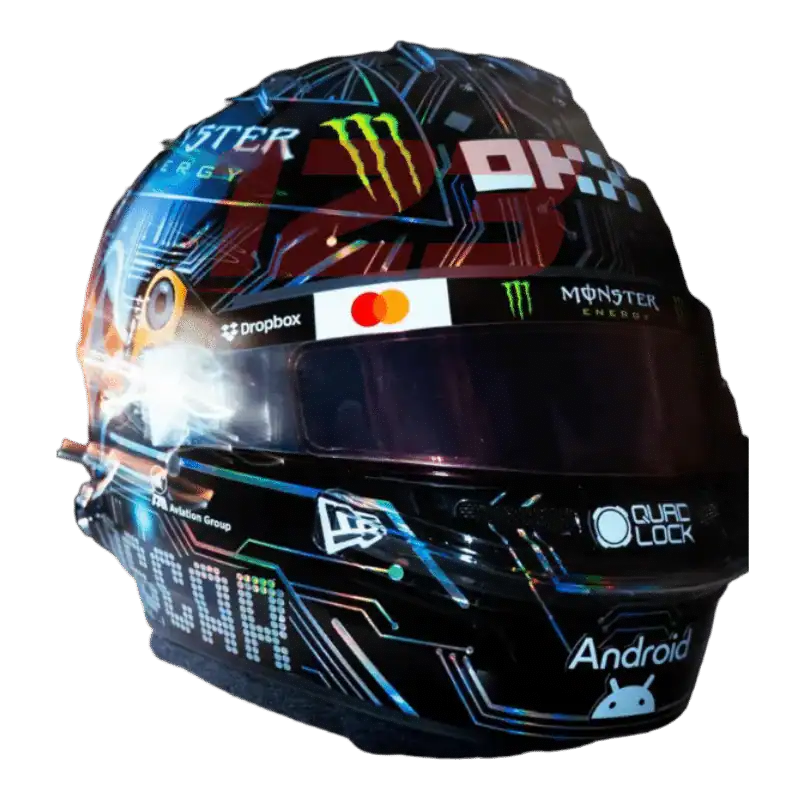
A verdict on the Alpine pit speeding appeal sits with the FIA, and the paddock is waiting. Oscar Piastri, one of the drivers hit by a penalty, has confirmed what many suspected during the race: something was wrong with the pit lane speed reading. For collectors tracking the 2024 season through 1:1 display helmets, this episode is one of those quirky race-week stories that ends up defining a Grand Prix weekend.
Key Takeaways
The FIA confirmed an error in pit lane speed measurement, with around 7 or 8 drivers penalised in a single race — a number Piastri called clearly abnormal.
Alpine has lodged a formal appeal, and the verdict is due shortly, with potential consequences for the official race classification.
Piastri said the issue was “reasonably obvious” during the race, pointing to the unusual cluster of pit lane speed penalties as the giveaway.
For collectors of 1:1 display helmets, controversial race results often increase the long-term interest in liveries and helmet designs from that specific Grand Prix weekend.
What Piastri Actually Said About the Pit Lane Penalty
Speaking to journalist Adam Cooper, Oscar Piastri gave a direct read on the moment he realised something was off. “I think in the race it was reasonably obvious,” he said. “I thought that there was something weird going on, because maybe you have one or maybe two cars in the same race getting a pit lane speed penalty, but not seven or eight or how many it was.”
That statement is the heart of the story. In a normal Grand Prix, a single pit lane speeding penalty is news. Two is rare. Seven or eight in one race is a systemic problem, not a driver error. Piastri’s comment shifts the question from “who was sloppy?” to “what failed in the measurement system?”
He added that it was a shame because the issue had clearly impacted the result of the race. For a driver fighting for every point in a championship that has run tight margins all season, the penalty is not a footnote — it is a direct hit on the points table.
Why a Cluster of Penalties Points to a System Error
The FIA pit lane speed limit is set at 80 km/h on most race weekends. Teams calibrate their pit limiters to that figure with a small safety margin, usually staying 0.5 to 1 km/h under the line. Drivers are not eyeballing the speedo on entry — the limiter does the work.
If 7 or 8 drivers from different teams all trigger the same penalty in the same race, the common factor is not the cars. It is the timing loop or the calibration of the measurement equipment at that specific pit entry. That is the conclusion the FIA appears to have reached, and it is the basis on which Alpine has filed its appeal.
The Alpine Appeal and the Verdict Window
Alpine’s appeal is the formal mechanism that could unwind the penalty. The verdict is due shortly, and the team is pursuing it because the penalty altered the finishing order in a way that cost them championship points.
What an Appeal Can Change
If the FIA upholds the appeal, the penalties tied to the faulty measurement could be rescinded. That means a recalculated finishing order, revised points, and an updated constructors’ standings line. Alpine sits in a part of the table where every point counts for prize money and 2025 commercial structure, so the financial stakes go beyond pride.
For the drivers affected — and Piastri’s comments confirm McLaren is among them — the appeal is about race result integrity. A penalty that nobody could have avoided, applied because of a measurement glitch, is the kind of result that gets quietly removed from the books if the evidence holds up.
The Timeline Pressure
Appeal hearings during a race-week cycle are tight. The FIA needs to issue the verdict before it becomes irrelevant to the next race weekend’s preparation. A delayed verdict drags the controversy into the following Grand Prix, which is exactly what neither the teams nor the governing body want.
Why This Matters Beyond One Race
Pit lane speed measurement is one of those background systems that fans rarely think about. It is supposed to be invisible — drivers hit the limiter button, the car holds 80 km/h, and the timing system confirms compliance. When that loop breaks, every aspect of the race result becomes questionable.
Precedent for Future Races
If the FIA confirms a measurement error, the response will not just be a points correction. It will be a review of the calibration process at every circuit on the calendar. Pit lane timing loops are installed and verified by FIA technical staff before each event, and a confirmed fault triggers a procedural audit.
That is the part of the story that lasts. The race result gets corrected this month, but the calibration protocol changes for the rest of the season and into 2025. Teams will push for redundant measurement — two independent loops cross-checking each other — and the FIA will likely agree, because the alternative is more appeals like this one.
The Driver’s Position
Piastri’s calm public response is worth noting. He did not call for heads, he did not accuse Alpine of anything, and he did not frame his own penalty as a conspiracy. He described what he saw in the race, said it was obvious something was wrong, and acknowledged the impact on the result. That is the kind of measured reaction that ages well, regardless of how the appeal lands.
Collector Angle: Race-Week Controversies and Display Helmets
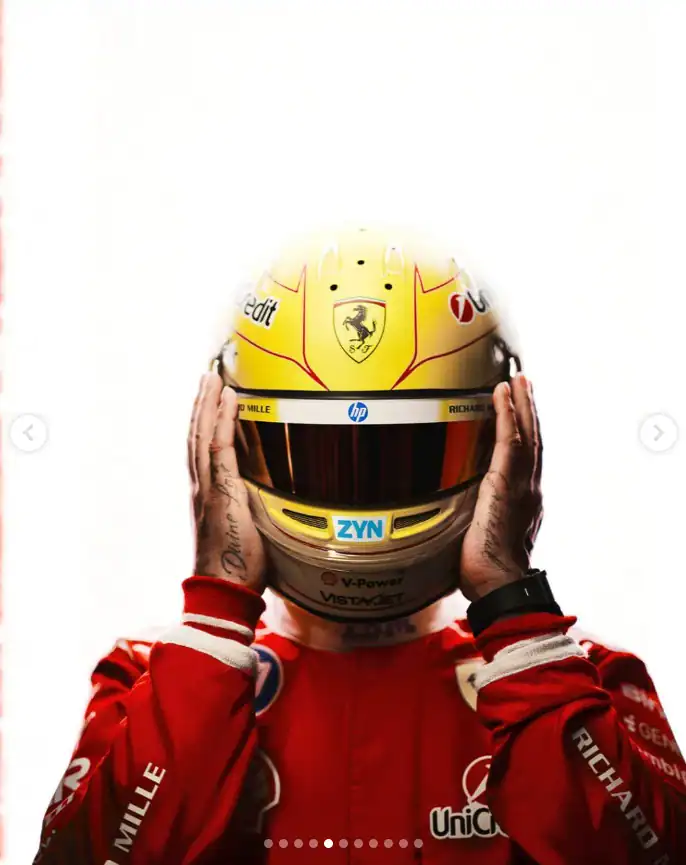
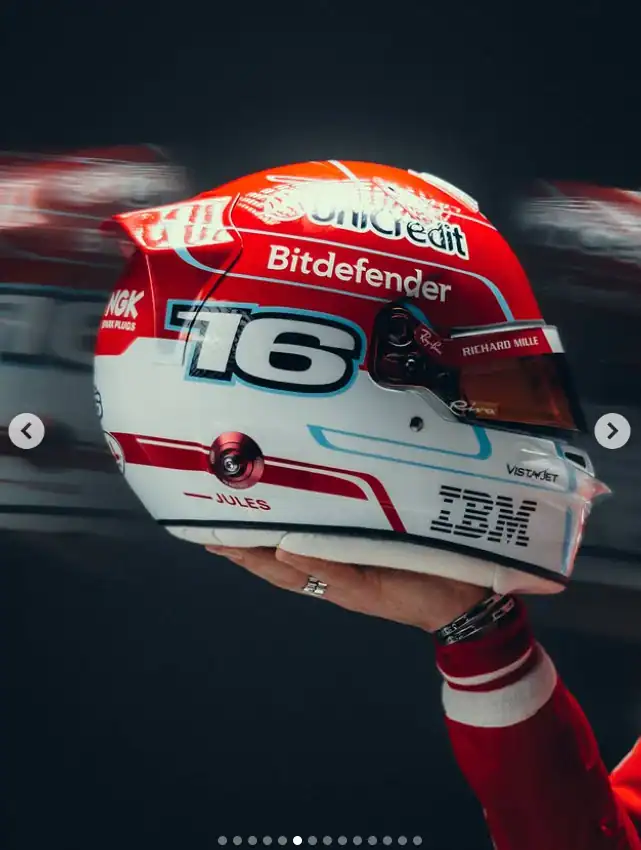
For collectors who follow F1 through 1:1 scale display helmets, race weekends with disputed results have a specific kind of value. A helmet design tied to a controversial Grand Prix carries a story that lasts longer than the points table.
Why Story-Heavy Races Drive Collector Interest
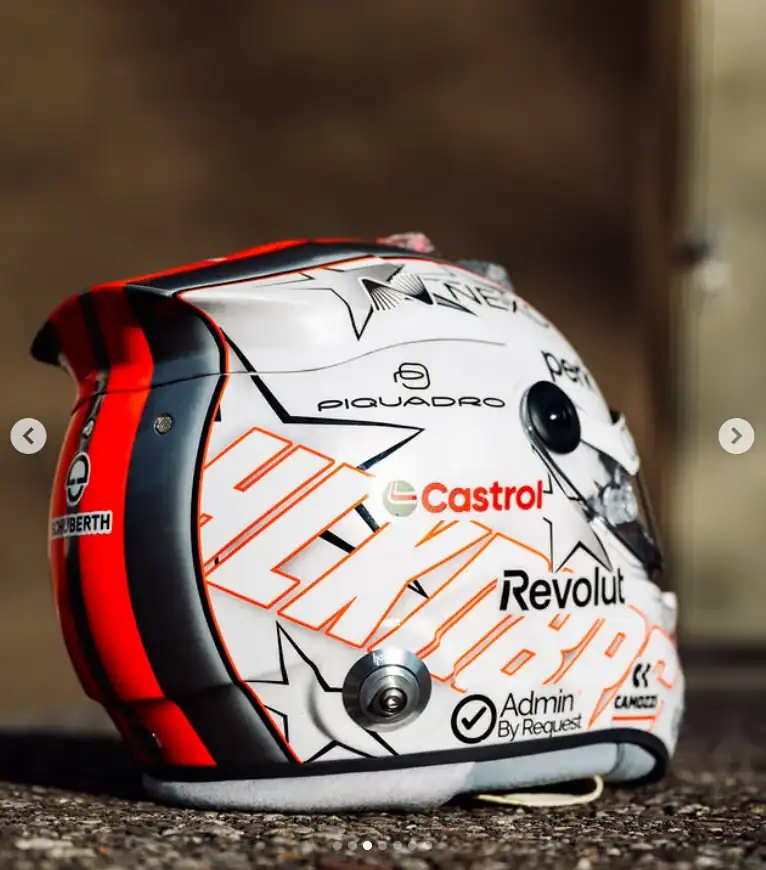
A full-size 1:1 collector helmet is roughly 29 × 25 × 35 cm and weighs around 1.2–1.5 kg in display configuration. The shell is finished with the same livery the driver ran on that specific weekend — sponsor placements, helmet number, season-specific graphics. When a race becomes a talking point, the helmet from that weekend becomes a reference object for the story.
Display pieces from 2024 are already being catalogued by collectors based on the races they correspond to. A weekend with a disputed pit lane result, an appeal verdict, and a public driver statement is exactly the kind of moment that gets remembered. The helmet from that race becomes the physical anchor for the memory.
Exhibition Quality Detail
The paint process on a 1:1 collector replica runs through multiple layers — base coat, livery application, sponsor decals, and a final clear coat. The visor on a display piece is finished to match the tint the driver used during the session, with the tear-off tabs in place as a styling reference. Every detail exists to make the helmet a credible exhibition object, not a wearable item.
These are display and collector replicas only. Not certified for protective use. Full-size 1:1 scale.
What to Watch Next
The Alpine appeal verdict is the immediate item on the calendar. Once that lands, three things follow in sequence.
The Three Follow-Up Stories
First, the official race result either holds or gets revised. A revision changes the points table and could shift the constructors’ order in a section of the standings where margins are small.
Second, the FIA will issue a technical note explaining what failed. That note becomes the reference document for how pit lane timing is handled at the remaining races of the season.
Third, teams will respond. Expect public statements from the constructors whose drivers were penalised, and expect a quieter conversation at the next sporting working group about adding redundant measurement loops to the FIA technical specification.
The Race-Week Rhythm
This is how a modern F1 controversy unfolds. A penalty is applied during the race, drivers comment within 24 hours, the team files an appeal within 48 hours, the FIA issues a verdict before the next race, and the technical fix lands quietly in the background. The collector value of the weekend is set in that window — the helmets, the liveries, the moments that get photographed and remembered.
“I think in the race it was reasonably obvious. I thought that there was something weird going on, because maybe you have one or maybe two cars in the same race getting a pit lane speed penalty, but not seven or eight or how many it was.”
— Oscar Piastri, speaking to Adam Cooper
FAQ
Q: What is the Alpine pit speeding appeal about?
Alpine has appealed a pit lane speeding penalty applied during a recent Grand Prix. The FIA has confirmed there was a measurement error, and around 7 or 8 drivers were penalised in the same race — a number that points to a system fault rather than driver mistakes.
Q: What did Oscar Piastri say about the penalty?
Piastri told journalist Adam Cooper that the issue was reasonably obvious during the race. He pointed out that having seven or eight cars receive the same penalty in one race is abnormal, and he said it was a shame because it had impacted the race result.
Q: When will the appeal verdict be issued?
The verdict is due shortly. Appeal hearings during a race-week cycle move quickly because the FIA needs to resolve the matter before the next Grand Prix weekend.
Q: Could the race result change?
Yes. If the FIA upholds the appeal, the affected penalties could be rescinded, which would mean a revised finishing order, updated points, and an adjusted constructors’ standings line.
Q: Why do collectors care about controversial race weekends?
Display helmets from races with strong storylines become reference objects for those moments. A full-size 1:1 replica at roughly 29 × 25 × 35 cm and 1.2–1.5 kg carries the livery from a specific weekend, and a disputed result gives that weekend lasting recognition. These are display and collector items only, not certified for protective use.
Browse F1 Helmet Collection
Display and collector replicas only. Not certified for protective use. Full-size 1:1 scale.
This article was written with the help of AI tools. Editorial policy