Blog
Hulkenberg First Into Barcelona Paddock as Aron Takes FP1 Seat
 123Helmets Editorial Team
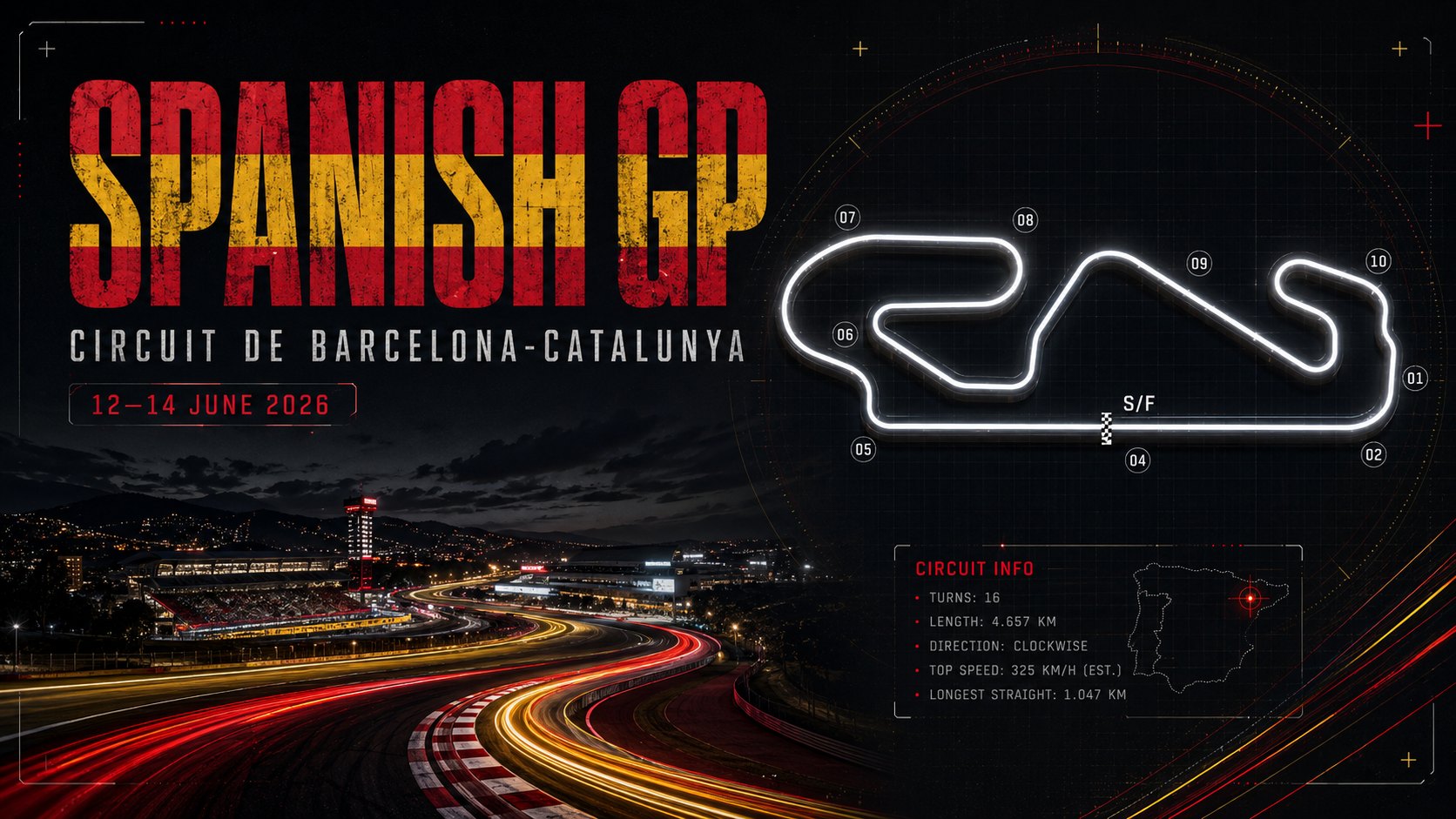
Sunny skies over the Circuit de Barcelona-Catalunya greeted an early arrival on Friday morning, with Nico Hulkenberg the first driver spotted walking into the paddock. The German faces an unusual schedule, sitting out FP1 while reserve driver Paul Aron — currently contracted to Alpine — climbs into the Audi-bound machine for the opening 60-minute session.
Key Takeaways
Nico Hulkenberg was the first driver photographed arriving at the Barcelona paddock on Friday morning
Paul Aron, an Alpine reserve, drives Hulkenberg’s car in FP1 only
Hulkenberg returns for the single afternoon practice session before qualifying weekend
Rookie FP1 outings often produce one-off helmet liveries highly sought by 1:1 display collectors
A Quiet Arrival Under Catalan Sun
The Barcelona paddock opened under clear skies, and the first figure through the gates was Nico Hulkenberg. He arrived before most of the grid had even left their hotels, a small detail that tells you plenty about a driver preparing to hand his car over for the opening 60 minutes of running.
Hulkenberg’s Friday is split in two. FP1 belongs to Paul Aron. FP2, the 60-minute afternoon session that matters most for long-run data, returns to the German. That single-session compression changes how a driver approaches the weekend — fewer laps to dial in brake bias, fewer chances to compare tyre compounds before parc fermé locks setups for qualifying.
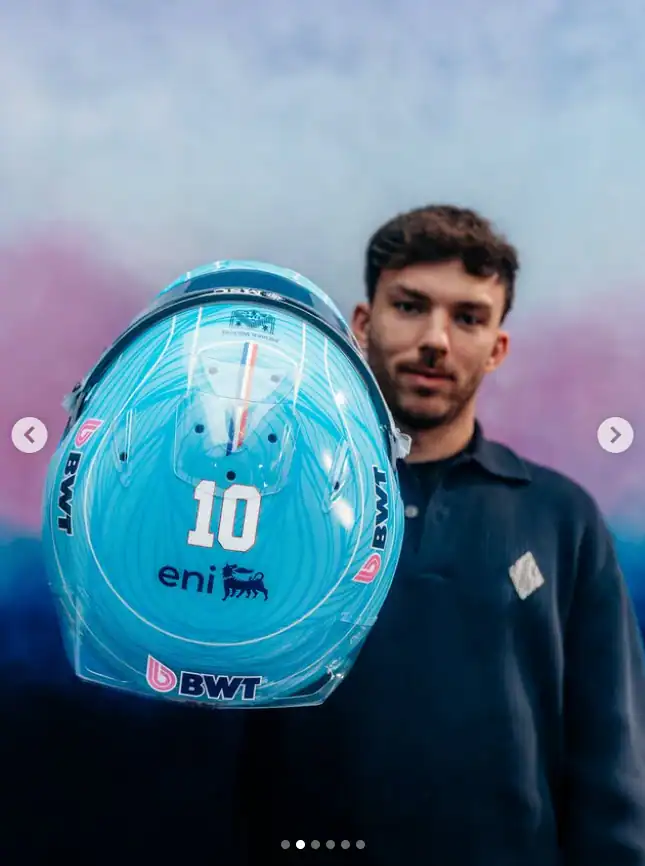
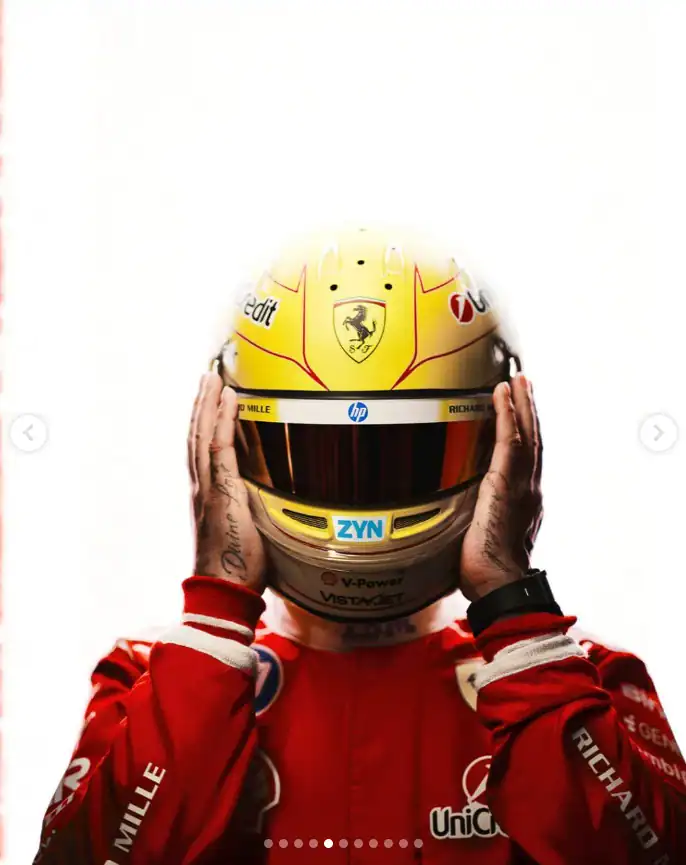
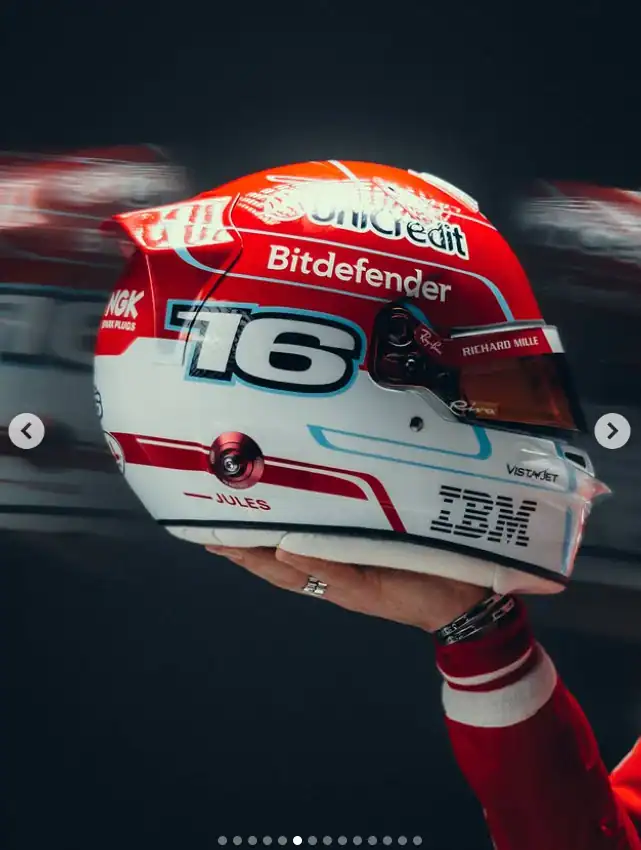
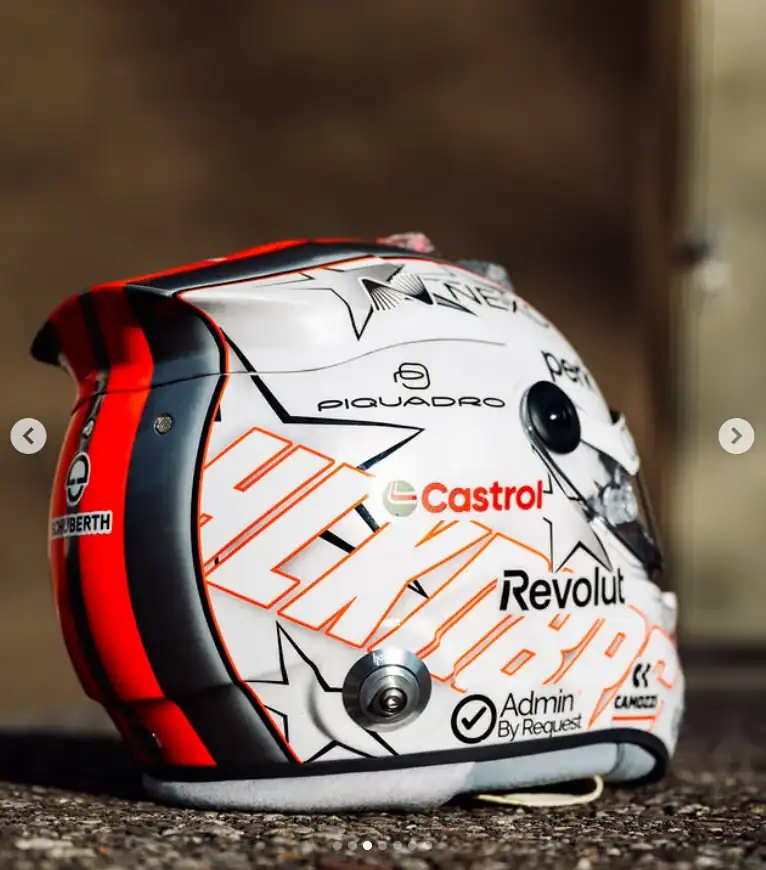
For helmet watchers, an early paddock arrival often means a fresh livery reveal. Drivers tend to walk in carrying the bag personally when a new design is involved, and Barcelona has historically been a launch point for mid-season paint updates.
Why Paul Aron Is in the Car
Aron’s appearance in an Audi-project car while officially listed as an Alpine reserve is the curiosity of the morning. Cross-team rookie running is permitted under the regulations covering mandatory young-driver FP1 outings, and teams sometimes share talent pools when scheduling allows.
Each team is required to give two FP1 sessions per car per season to a driver with fewer than two race starts. Aron fits that brief. For Hulkenberg, it means losing roughly 60 minutes of seat time at a circuit where the third sector punishes any car not perfectly trimmed.
What FP1 Rookie Outings Mean for Helmet Design
Reserve and rookie drivers stepping into an FP1 seat almost always commission a one-session-only helmet. These pieces — often produced in a single shell with two or three paint layers over the base — become some of the rarest items in the collector market. A driver might wear the design for 28 timed laps and never again.
That scarcity is exactly why 1:1 display replicas of FP1-only liveries command attention. The original shell sees one Friday. The full-size 29 × 25 × 35 cm display piece preserves the moment indefinitely on a shelf.
Hulkenberg’s Season Context
Hulkenberg’s switch to the Audi project for 2026 has reframed his current campaign as a long handover. Every Friday session he runs is data the engineering group will carry into the new regulation cycle. Losing FP1 to Aron is not trivial — but it is the kind of compromise teams accept when the reserve programme demands rotation.
The German’s helmet has remained largely consistent through the season, with the yellow-and-black base that has defined his look since his return to full-time racing. Display replicas of that livery typically run at 1.2–1.5 kg in the finished 1:1 form, with a clear visor finish to match the trackside appearance.
Aron’s Path to the Cockpit
Aron arrived in Formula 1’s reserve pool after a strong Formula 2 campaign. His Friday outing in Barcelona adds to a growing list of teams that have evaluated him in current machinery. For a young driver, an FP1 session — usually capped at the standard 60 minutes — is the single most valuable piece of exposure available outside a full race seat.
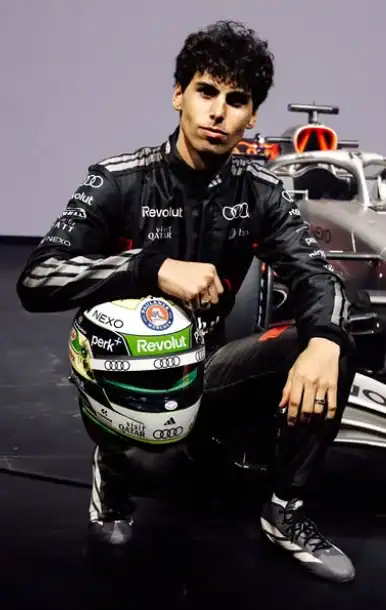
The helmet he carries today is the kind of artefact that disappears quickly from the open market. Drivers gift them, auction them, or store them privately. Collectors who follow rookie sessions closely tend to commission display replicas immediately after the session ends, often working from photographs taken in the garage before the car rolls out.
Reading the Barcelona Weekend
Barcelona is the circuit teams know best. Pre-season testing has been held here for decades, and the data baseline is deeper than at any other venue. That makes Friday running less about discovery and more about confirmation. A team losing FP1 is losing a confirmation session, not an exploration one — slightly easier to absorb, but still a cost.
The afternoon FP2 slot becomes the only chance to run a representative qualifying simulation on soft tyres followed by a high-fuel race stint. Compress that into 60 minutes and the engineering trade-offs sharpen quickly.
What to Watch on the Helmet Side
Three things to track across the weekend:
- Whether Aron wears a bespoke design or a plain reserve helmet — bespoke designs typically signal commercial backing
- Whether Hulkenberg debuts any small visor-strip or chin updates, often the first sign of a sponsor refresh
- Whether any driver brings a Spain-specific tribute lid, a tradition that has produced some of the most collectable display replicas of the past five seasons
Barcelona has historically delivered at least one notable helmet moment per weekend. The early arrivals are usually the first clue.
The Collector Angle
For anyone building a display collection around current-era drivers, Friday-only liveries from reserve drivers represent the rarest tier of source material. A standard race helmet might be worn across 3 to 5 grand prix weekends before retirement. An FP1-only design exists for a single 60-minute window.
Full-size 1:1 replicas — built at exhibition quality with the same shell dimensions as the trackside original — let collectors preserve those moments at proper scale. A typical display piece measures 29 × 25 × 35 cm and finishes at around 1.2–1.5 kg, mounted on a base or stand for shelf or cabinet placement.
These are display and collector items only. They are not built for protective use. The point is presentation: the design, the proportions, the paint depth, the badge placement. Everything you would see if you walked the Barcelona paddock at sunrise.
FAQ
Q: Why is Paul Aron driving Hulkenberg’s car in FP1?
Aron is fulfilling a rookie FP1 outing. Although he is contracted as an Alpine reserve, scheduling agreements allow him to run in the Audi-project car for the single 60-minute session before Hulkenberg returns for FP2.
Q: How many FP1 rookie sessions are required per season?
Each team must give two FP1 sessions per car per season to a driver with fewer than two race starts, totalling four sessions per team across the calendar.
Q: Are FP1-only helmet designs valuable to collectors?
Yes. A one-session livery exists for roughly 60 minutes of running, making it among the rarest categories of helmet design. Full-size 1:1 display replicas allow collectors to preserve these short-lived liveries.
Q: What size are 1:1 display helmets?
Standard 1:1 collector replicas measure approximately 29 × 25 × 35 cm and weigh around 1.2–1.5 kg in finished form. They are for display and exhibition only, not for protective use.
Q: Will Hulkenberg run a special helmet this weekend in Barcelona?
No special design has been confirmed from the early Friday arrival. Drivers occasionally debut tribute liveries at home races or season milestones, but no announcement has been made for this weekend.
Browse F1 Helmet Collection
Display and collector replicas only. Not certified for protective use. Full-size 1:1 scale.
This article was written with the help of AI tools. Editorial policy