
Blog
Bearman’s Blue Flag Penalty Exposes 2026 Signal Fault
 123Helmets Editorial Team
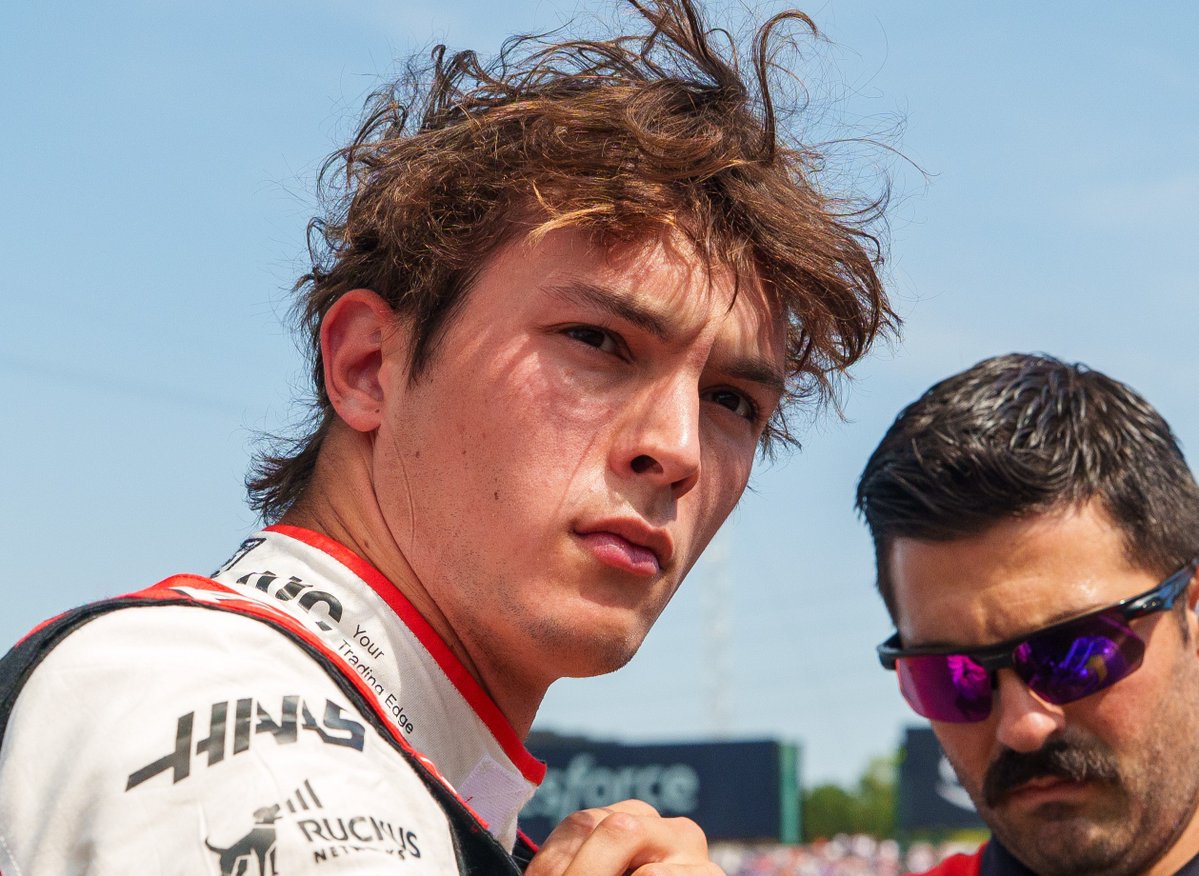
A malfunctioning blue flag warning system left Oliver Bearman fighting blind through traffic and cost him a penalty, reigniting questions about how drivers, marshals and fans identify cars on track when the usual visual cues go dark.
Key Takeaways
Oliver Bearman received a penalty for blue flag infringements after saying the warning system “weren’t working properly” during the session
Journalist Adam Cooper flagged the absence of steering wheel blue lights and missing car numbers on trackside panels as contributing factors
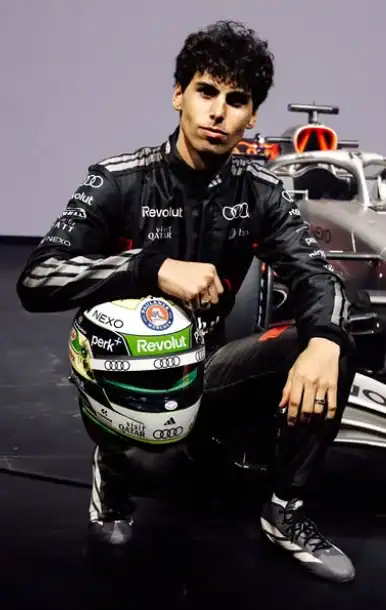
The incident involved Bearman and Isack Hadjar, both of whom race for 2026 grid teams whose liveries and helmet designs are central to fan and marshal identification
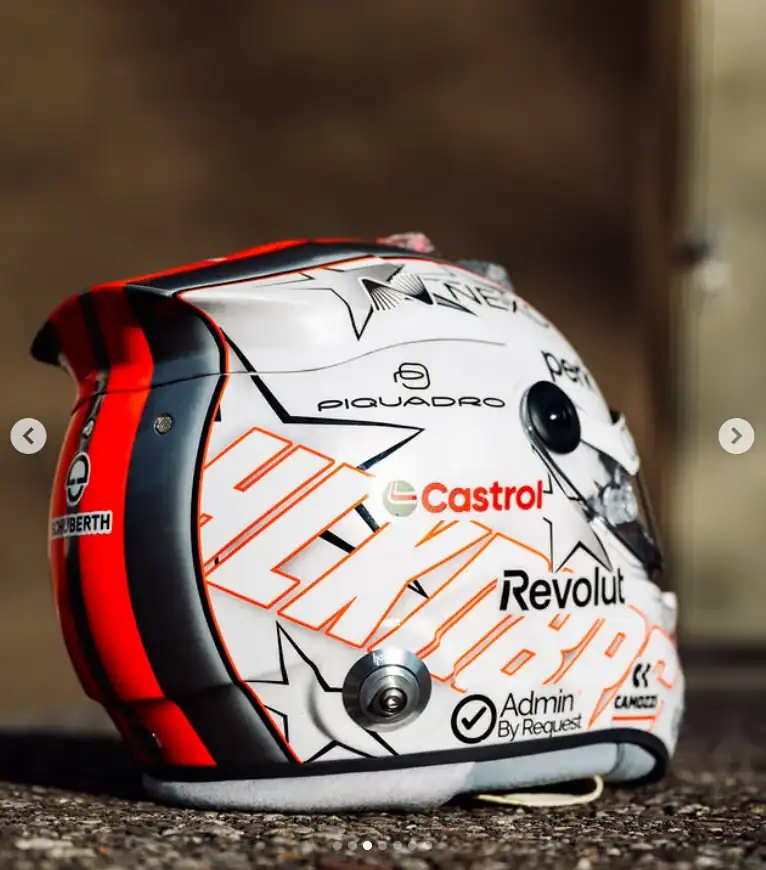
Collectors increasingly view full-size 1:1 replica helmets as the most reliable, permanent way to tell drivers apart when trackside systems fail
What Happened With the Blue Flag Penalty
Oliver Bearman was handed a penalty for ignoring blue flags during a session where the warning systems designed to alert him were reportedly not functioning correctly. According to journalist Adam Cooper, two separate layers of the blue flag system broke down at once: the steering wheel blue lights that flash directly in a driver’s eyeline, and the trackside panels that normally display car numbers alongside flag signals so drivers can identify exactly who is bearing down on them.
Blue flags exist to tell a driver being lapped that a faster car is closing in and should be allowed through without delay. In a normal session, that information reaches the driver through three channels at once: marshal-waved flags at fixed points, LED panels around the circuit showing flag status and car numbers, and a light on the steering wheel itself. When even one of those channels drops out, a driver navigating a technical infield section at racing speed loses a meaningful chunk of the picture. When two channels fail together, the margin for error narrows sharply.
The penalty landed on Bearman despite his own account suggesting the fault sat with the system rather than with him. That distinction matters, because stewards’ decisions in F1 carry real consequences for championship points and grid positions, and drivers have limited scope to contest a call made under FIA Document procedures once it is issued.
Bearman’s Own Account of the Incident
Oliver Bearman said the blue flag penalty involving Isack Hadjar came during what he called “a bit of a nightmare” lap sequence through the infield. In his own words: “I feel bad about the blue flag penalty with Hadjar, because honestly, it was a bit of a nightmare out there. You go through the infield, you don’t have time to check in the mirrors, and basically every lap I did, I had blue flag screens coming up. This race they weren’t working properly, so it was tough to.”
The infield reference is significant. Modern circuits routinely feature technical infield sections where a driver’s attention is fully committed to line, braking and throttle inputs, leaving almost no spare capacity to scan mirrors for a car that may be several tenths behind and closing. That is precisely why the steering wheel light and trackside panel system was built as a backup to mirror checks in the first place — it puts the information directly in a driver’s line of sight rather than requiring them to hunt for it.
Bearman’s phrase “every lap I did, I had blue flag screens coming up” also points to a possible secondary problem: if the panels were triggering inconsistently or displaying stale information, a driver could reasonably start to discount the signal altogether, which is a dangerous state for any warning system to reach.
Why Trackside Identification Matters
Trackside number panels and steering wheel lights exist because raw flag waving alone cannot convey which specific car is involved. A yellow or blue flag tells a driver something is happening; the accompanying number display tells them whether it concerns their own car specifically. Remove the number element and every driver on track has to assume the flag might apply to them, which either causes unnecessary caution across the field or, as happened here, confusion about who needed to react.
This is not a minor technical footnote. Blue flag compliance is written into FIA sporting regulations, and repeated infringements can escalate from a warning to a time penalty within a single session. A driver who is penalized for a system fault rather than a driving error has legitimate grounds to feel the outcome was unfair, and it puts race control under scrutiny over redundancy planning for exactly this kind of dual failure.
The episode also underlines how much of modern F1 depends on layered digital systems working in concert. A steering wheel light is a small hardware element, but it sits inside a chain of car-to-track telemetry, timing loops and marshal software that all have to agree before that light illuminates. When Adam Cooper describes both the wheel lights and trackside panels as absent on the same day, it points to a systemic issue rather than a one-off bulb failure.
The Collector’s View: Helmets as the Constant Identifier
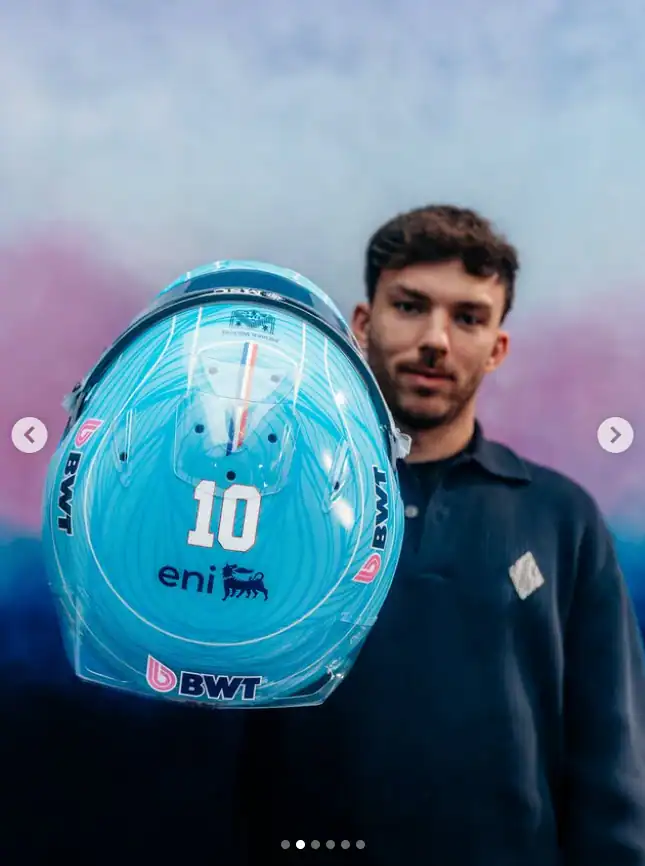
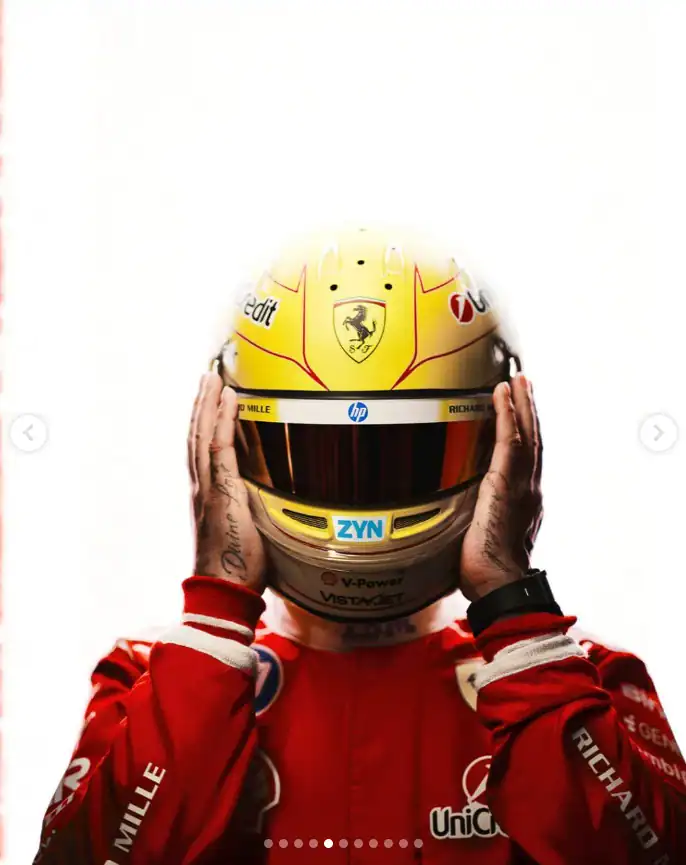
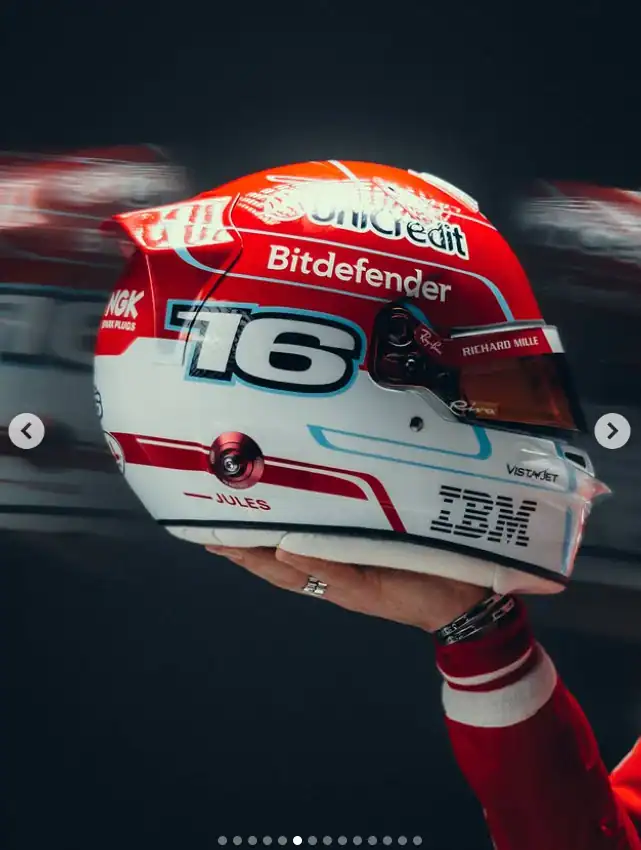
When trackside numbers and warning lights go dark, the helmet remains the one visual identifier that never depends on electronics. Car numbers, steering wheel displays and timing screens can all fail or lag, but a driver’s helmet design is fixed, consistent race to race, and immediately recognizable to marshals, broadcasters and fans alike from a distance where a car number might be unreadable in a blur of speed.
That permanence is a large part of why full-size 1:1 replica helmets have become such a serious category for collectors. A display-quality replica captures the exact livery a driver wore that season — the color layout, sponsor placement and design details that stayed constant even when a race day’s electronic systems did not. For a weekend like this one, where the story is literally about the failure of digital identification tools, a helmet on a shelf is a reminder that some forms of driver identity were never meant to depend on a screen.
Collectors building out a display around a specific storyline — a penalty, a controversial stewards’ decision, a rules debate — often gravitate toward the exact helmet worn by the driver at the center of it. It turns an abstract regulatory argument into something tangible: the same visor shape, the same paint scheme, sitting exactly as it appeared under the lights that day.
A Wider 2026 Debate on Signaling Reliability
This incident adds to an ongoing conversation in the 2026 season about how much redundancy F1’s signaling infrastructure actually has. Steering wheel lights and trackside number panels are meant to be independent backups to each other and to marshal flags, but Adam Cooper’s observation that both were absent on the same day suggests the failure points may not be as isolated as intended.
Teams and drivers have periodically raised concerns about the consistency of digital flag systems across different circuits, since not every venue runs identical panel hardware or software versions. A system that behaves reliably at one track can behave differently at the next, and drivers have limited time in a race weekend to adapt their trust in a tool that might not be behaving as expected.
For now, the Bearman case is a useful reference point for stewards and race control alike: a driver publicly stating the warning system was not working, followed by a penalty being applied anyway, is exactly the kind of scenario that tends to prompt a review of protocol before the next round.
“I feel bad about the blue flag penalty with Hadjar, because honestly, it was a bit of a nightmare out there. You go through the infield, you don’t have time to check in the mirrors, and basically every lap I did, I had blue flag screens coming up. This race they weren’t working properly, so it was tough to.”
— Oliver Bearman
FAQ
Q: What caused Oliver Bearman’s blue flag penalty?
Bearman said the steering wheel blue lights and trackside number panels that normally warn drivers of faster cars closing in were not working properly during the session, leaving him relying on mirror checks through a technical infield section before receiving a penalty involving Isack Hadjar.
Q: What is the steering wheel blue light system in F1?
It is a warning light built into the steering wheel display that illuminates to tell a driver they are about to be lapped, working alongside trackside LED panels and marshal-waved flags as one of three layers of blue flag communication.
Q: Why do trackside panels show car numbers with flags?
The number display tells a driver whether a flag specifically concerns their own car, since a flag alone only signals that something is happening on track without identifying which competitor is involved.
Q: Are collector helmet replicas full size?
Yes, 123Helmets.com offers full-size 1:1 display and collector replicas, built as exhibition-quality pieces rather than for on-track or protective use.
Q: Why do collectors value helmets over other memorabilia for identification?
A helmet design stays fixed for a driver across a season regardless of electronic or trackside system failures, making it a stable visual reference point compared to car numbers or digital displays that can malfunction.
Browse F1 Helmet Collection
Display and collector replicas only. Not certified for protective use. Full-size 1:1 scale.