Blog
Racing Bulls Hungarian GP 2026 Pit Stop Glory
 123Helmets Editorial Team
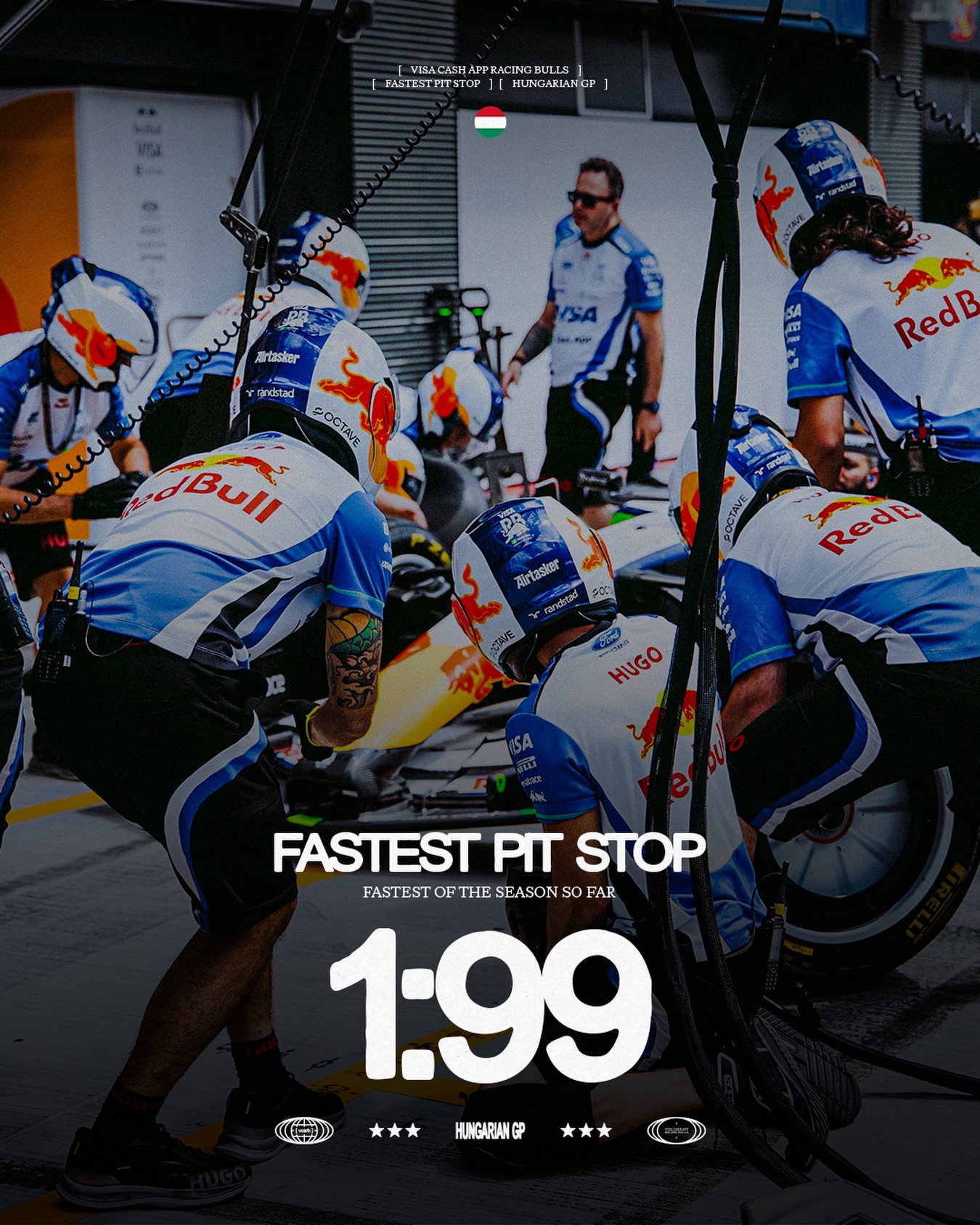
Racing Bulls closed out the Hungarian Grand Prix weekend with the fastest and third-fastest pit stops of the 2026 season, a mechanical statement that sits alongside one of the grid’s most collectible helmet liveries at the Hungaroring.
Key Takeaways
Racing Bulls recorded the 1st and 3rd fastest pit stops of the 2026 season during the Hungarian Grand Prix weekend at the Hungaroring
The Hungaroring circuit runs 4.381 km per lap over a 70-lap race distance, a layout that punishes any delay at the pit wall
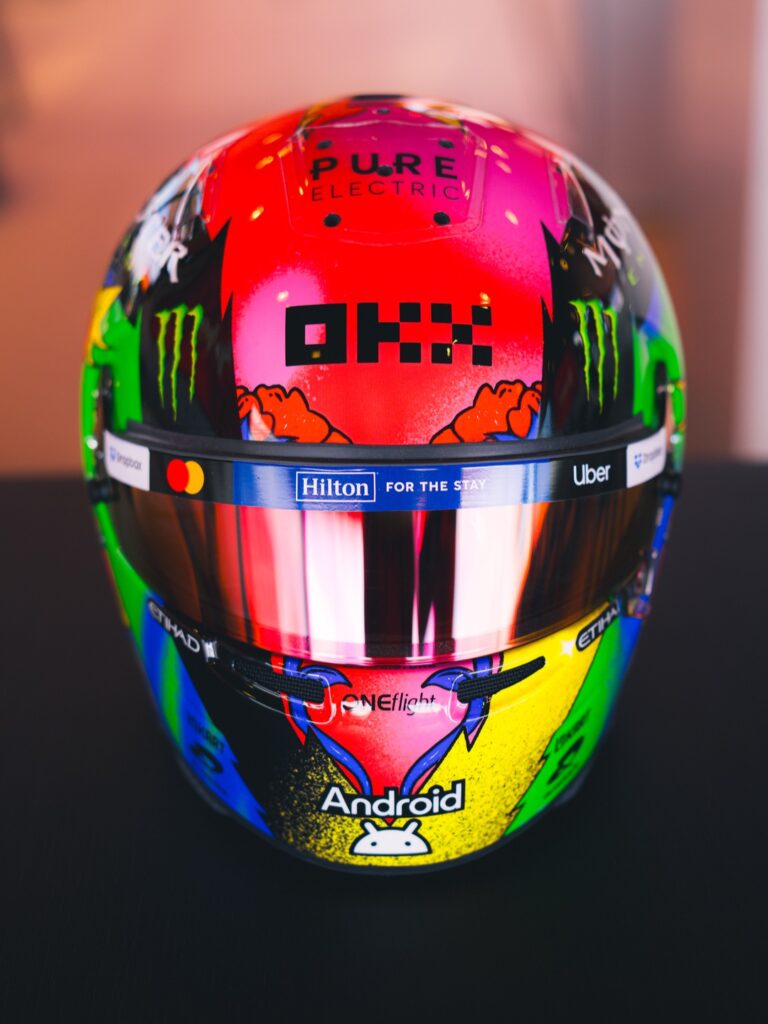
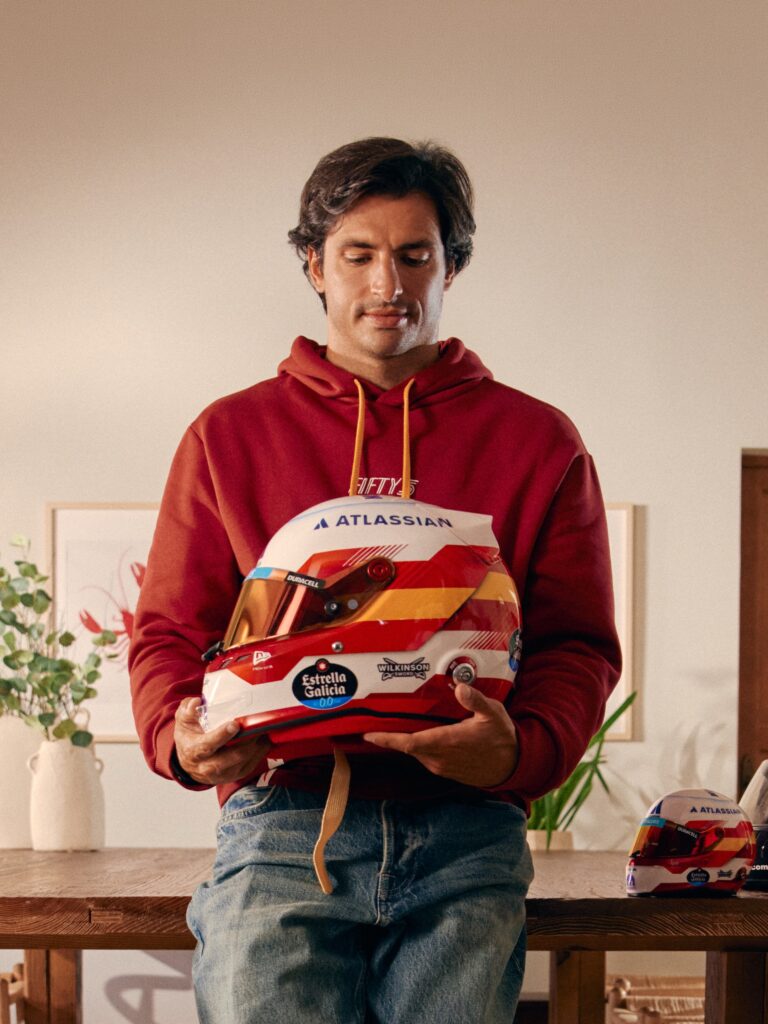
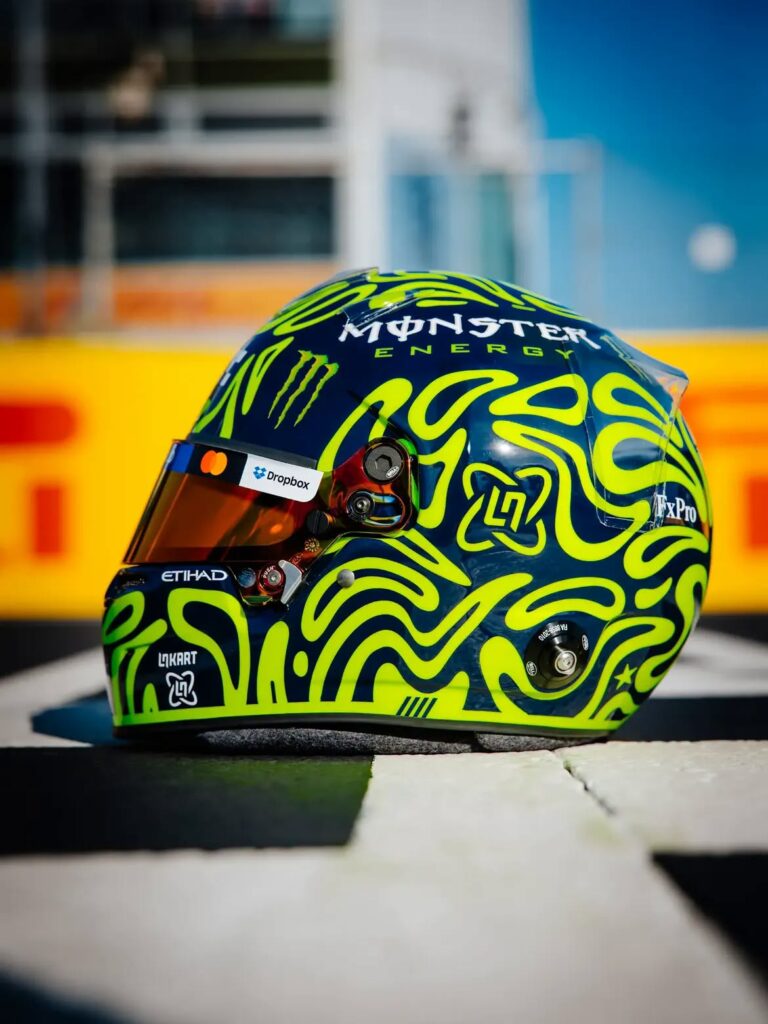
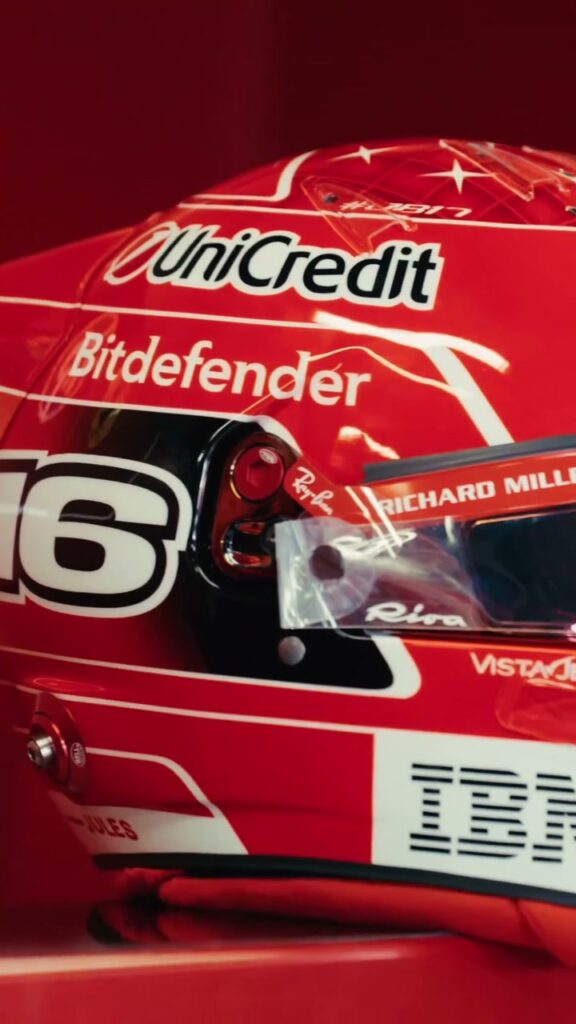
Full-size 1:1 display helmets replicate the exact shell geometry, visor cut and livery graphics seen in the garage that weekend
Collector-grade replicas typically weigh close to 1.5 kg and measure roughly 27 x 35 cm, matching the scale of the real racing shell used for display purposes only
What Happened at the Hungaroring
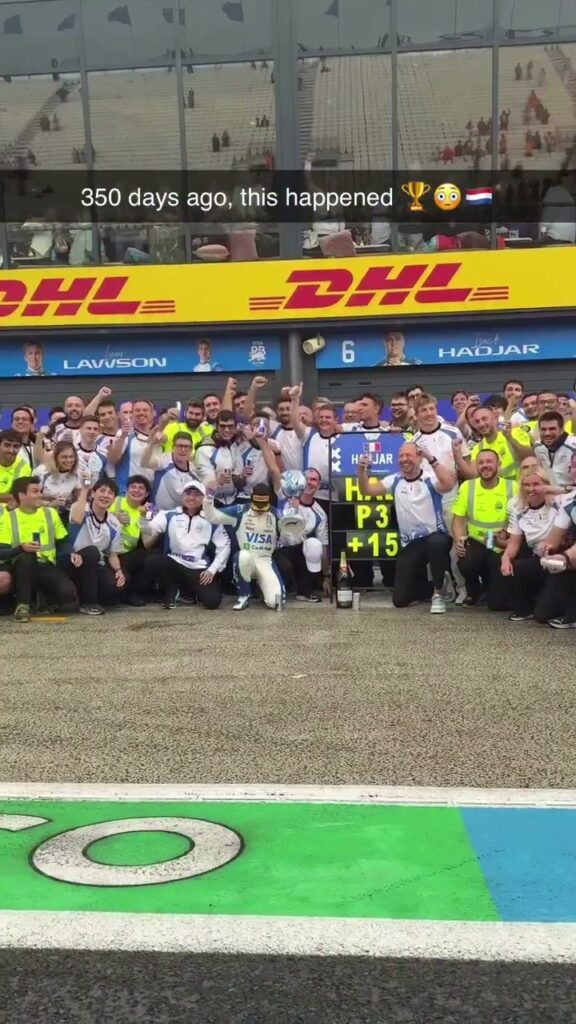
Racing Bulls posted the fastest pit stop of the 2026 Formula 1 season and backed it up with the third-fastest stop in the same Hungarian Grand Prix weekend. That double result came from the same crew working the same garage bay at the Hungaroring, a circuit that runs 4.381 km per lap across a 70-lap race distance and offers very little margin for error once a car enters the pit lane.
A pit stop time lives or dies on tenths of a second, and posting both the quickest and third-quickest of the year in one weekend is a marker of repeatable process rather than a one-off. For a mid-grid team fighting for points in a tightly packed midfield, shaving time at the stop is often worth more than a tenth found in the corners. It also gives the squad a visible, quotable achievement independent of the final classification — the kind of stat that travels fast on social media and gets pinned to a garage wall.
The Racing Bulls operation has built its identity this season around exactly this kind of detail work: sharp reactions, disciplined choreography, and a livery and helmet program that matches the same attention to finish. That combination — mechanical speed on pit lane, visual precision on the helmet shell — is what turns a single social post into a story collectors want to follow.
The Livery Behind the Headline
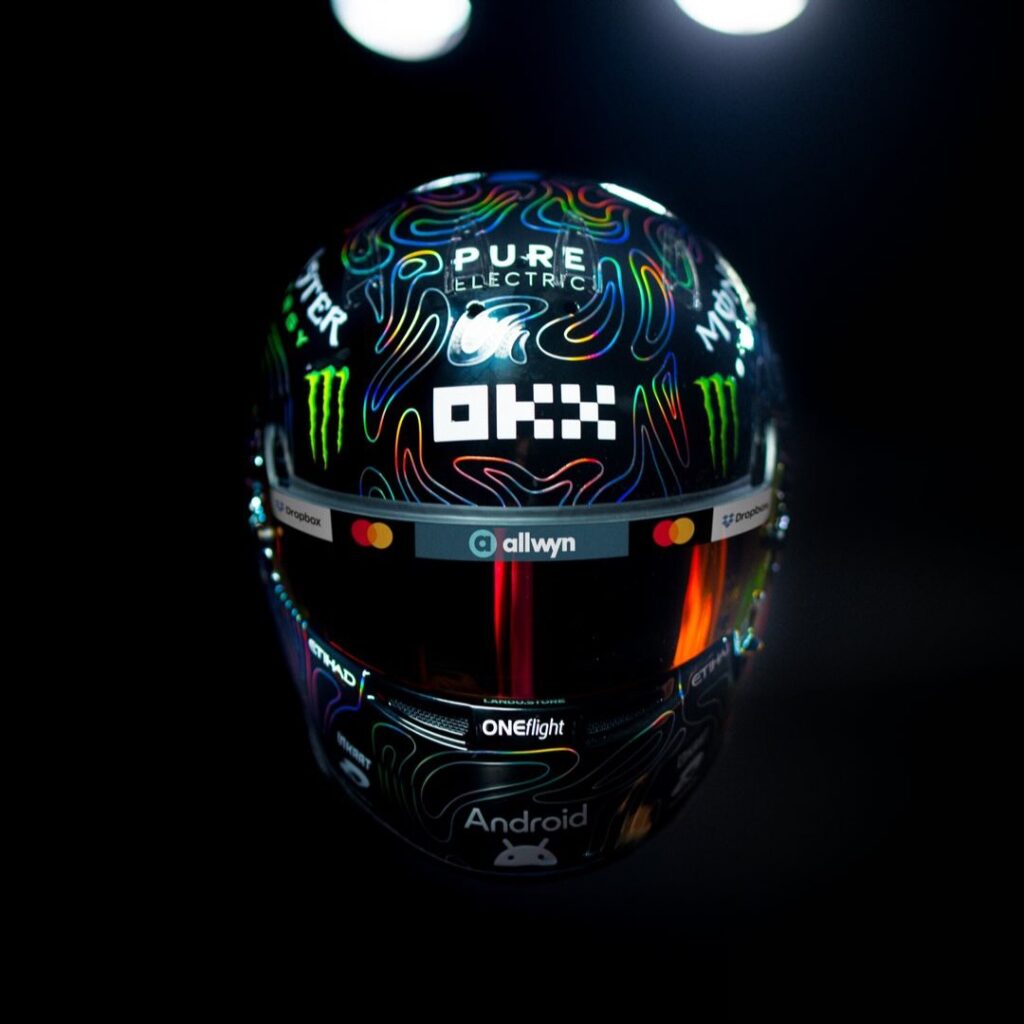
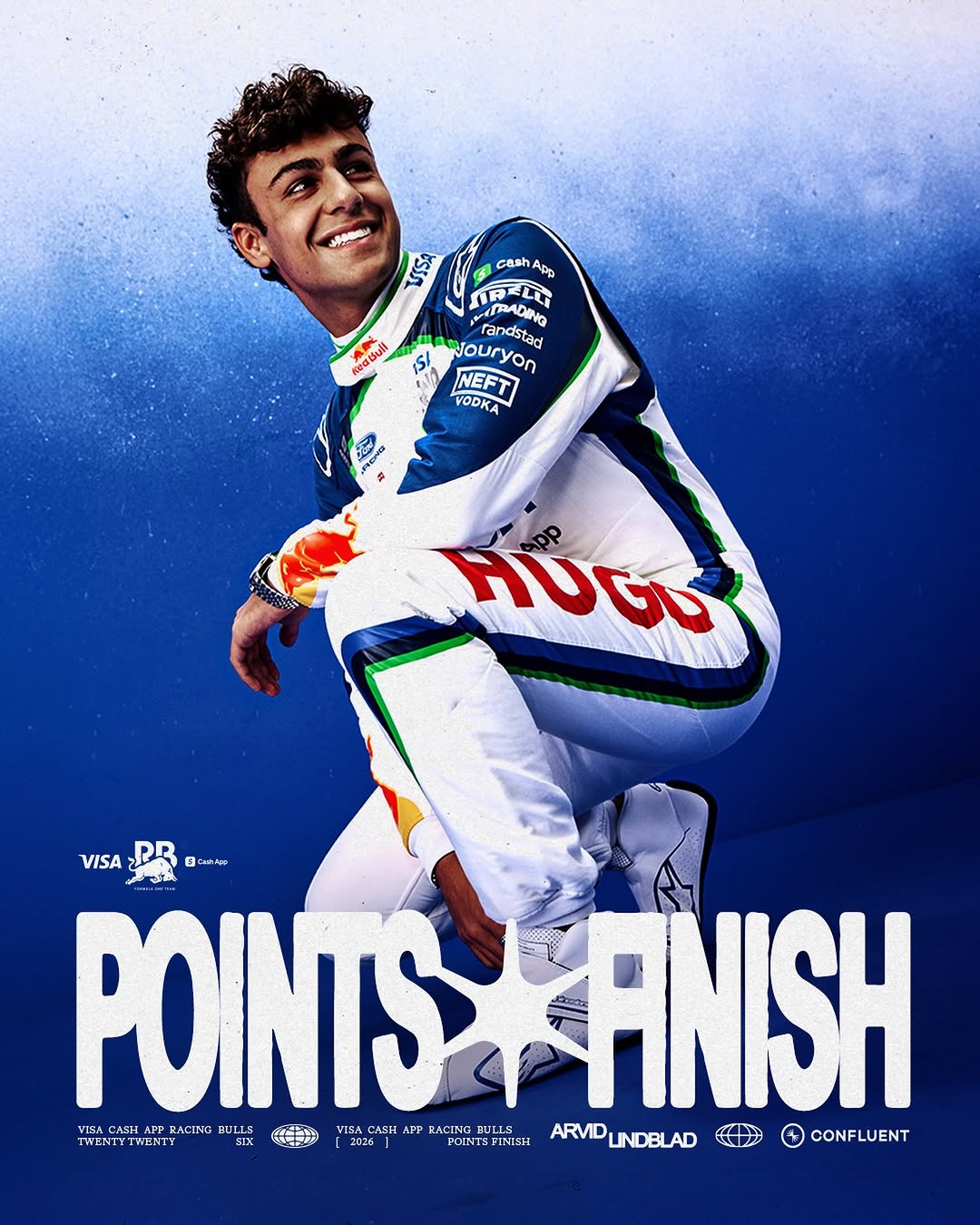
Racing Bulls carried its established 2026 identity into the Hungarian Grand Prix weekend, built around the team’s signature dark base with sharp accent striping that reads clearly at speed and under garage lighting alike. The livery is designed to carry sponsor branding without breaking up the sense of a single, continuous shape across the car and crew kit, which is part of why the team’s visual package photographs so well in pit lane sequences like the one that produced this pit stop story.
Helmet designs worn across a Grand Prix weekend typically echo that same base treatment while adding driver-specific graphic elements — number placement, personal color blocks, and finish details that separate one driver’s shell from a teammate’s even when both sit on the same base template. For collectors, the Hungarian Grand Prix weekend matters because it captures a specific livery moment: the exact graphic arrangement, decal placement and gloss finish used at that circuit, on that date, in that season.
That specificity is exactly what full-size 1:1 display replicas are built to preserve. A shell reproduced to match the Hungaroring-weekend graphics captures a fixed point in the team’s visual history rather than a generic season template, which is precisely why event-specific helmet replicas hold more long-term interest than a plain team-color shell.
Why the Details Matter
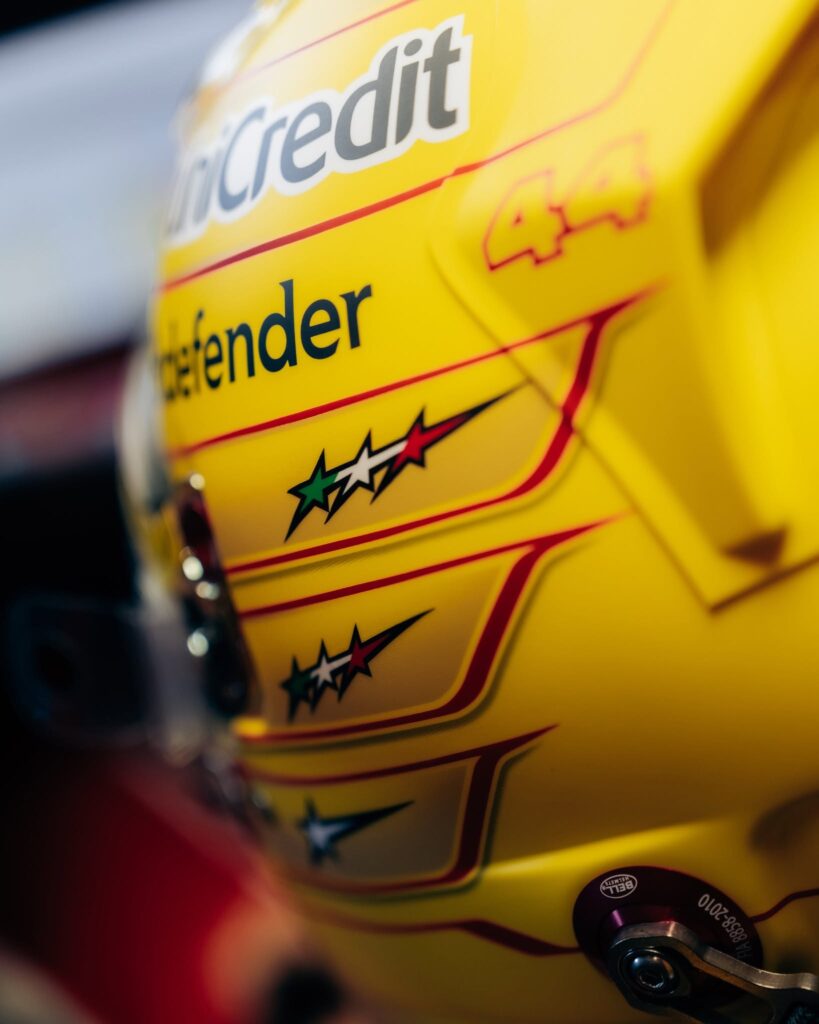
Small graphic choices — a stripe angle, a decal border, a matte-versus-gloss panel — are the features that separate a museum-grade collector replica from a mass-market look-alike, and they’re the first things serious buyers check before adding a shell to a display case.
Visual Details Worth Collecting
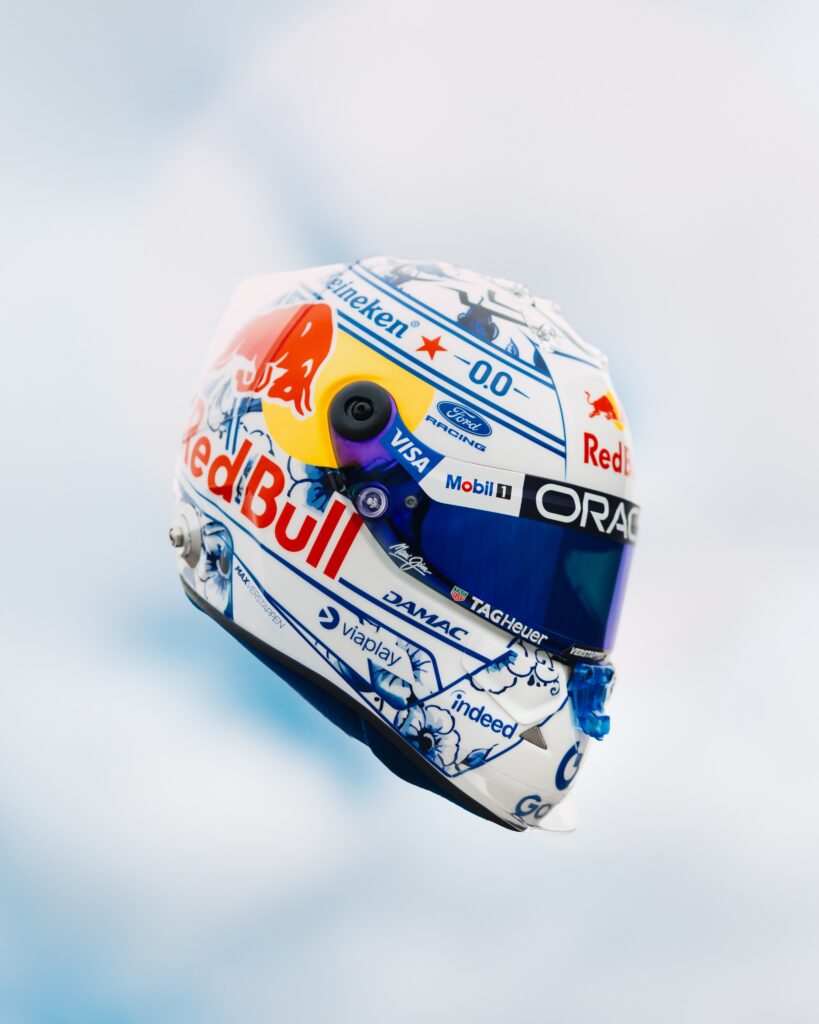
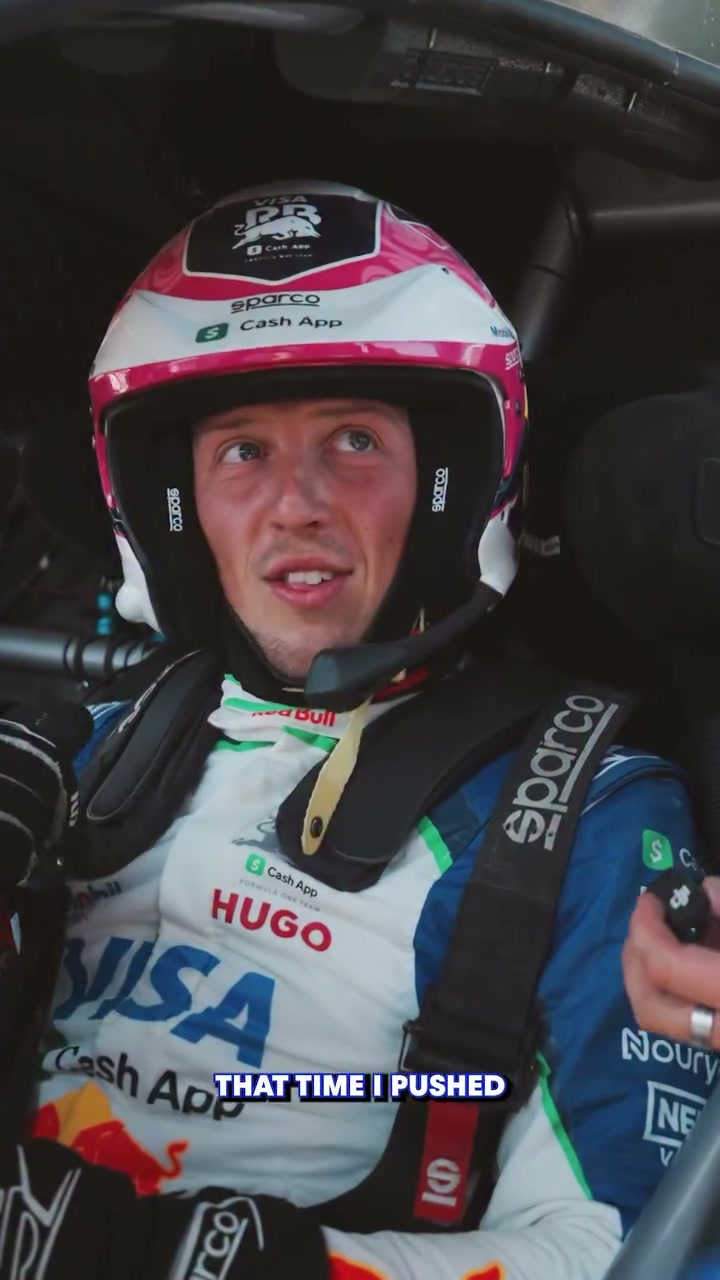
A collector-grade display helmet is judged on how faithfully it reproduces shell geometry, visor cut, and paint layering — not just the overall color scheme. Full-size 1:1 replicas built for exhibition purposes are typically finished with multiple lacquer layers to reproduce the depth of an on-track shell, and a properly cut visor aperture matched to the original design is one of the clearest signs of a faithful reproduction rather than a simplified tribute piece.
Standard reference dimensions for a full-scale replica shell run around 27 x 35 cm, with finished weight landing near 1.5 kg — close enough to the real racing item that it displays convincingly on a stand or in a case without looking undersized or bulky. These are display and collector items only, built for exhibition rather than any protective use, but the scale accuracy is what makes them recognizable as the real design language rather than a toy-store version of it.
Buyers looking at a Hungarian Grand Prix-era Racing Bulls piece should look closely at three things: the sharpness of the striping edges where colors meet, the accuracy of any sponsor decal placement relative to reference photography from the weekend, and the visor tint and shape, since visor geometry is one of the hardest details for lower-quality reproductions to get right.
Why This Weekend Matters for Collectors
A pit stop record gives a helmet replica context that a plain livery release never has. Collectors don’t just buy a shell for its colors — they buy it for the story attached to a specific date and result, and “fastest pit stop of the season” is exactly the kind of quotable, verifiable detail that turns a display piece into a conversation starter.
The Hungarian Grand Prix weekend now carries a specific marker in Racing Bulls’ 2026 season: the 1st and 3rd fastest pit stops of the year, delivered by the same crew in the same session. A display helmet tied to that weekend effectively becomes a fixed reference point in the team’s season, the same way a race-specific paint scheme becomes more desirable once it’s linked to a strong result or a standout technical moment.
For fans building a season-by-season collection, that context is often the deciding factor between buying a generic team-color shell and seeking out the specific weekend edition. It’s also why teams and retailers increasingly frame helmet releases around a moment — a milestone, a record, a reveal — rather than simply a new color combination.
Pit Crew Precision and Helmet Craft Share a Standard
Both a top pit crew and a top-tier display helmet are judged by the same underlying standard: repeatable precision under scrutiny. A pit crew that posts the fastest stop of the season has drilled the same movements hundreds of times until the margin for error approaches zero; a collector-grade helmet replica is built to the same logic, with shell tooling, paint masking and decal alignment repeated to a fixed template so that every unit matches the reference design exactly.
That parallel is part of why Racing Bulls’ pit lane story resonates with helmet collectors specifically. The team’s public identity in 2026 has leaned into precision as a brand value — quick reactions on strategy, sharp visual presentation on the car and crew kit, and a livery program that treats detail as seriously as lap time. A pit stop headline and a helmet reveal are, in that sense, two expressions of the same team culture.
What to Watch Next
Fans following the team should watch for how the Hungaroring-weekend graphic details carry forward into upcoming rounds, and whether any special-edition finish gets tied specifically to this pit-stop milestone. Teams increasingly commemorate strong operational results with limited helmet or livery treatments, and a season-best pit stop double is exactly the kind of achievement that can justify one.
“Did someone order the fastest pit stop of the season so far?? The team delivered the 1st and 3rd fastest pit stops at the Hungarian Grand Prix.”
— Visa Cash App Racing Bulls F1 Team, 2026-07-27
FAQ
Q: What did Racing Bulls achieve at the 2026 Hungarian Grand Prix?
Racing Bulls posted the fastest pit stop of the 2026 season and also delivered the third-fastest stop in the same weekend at the Hungaroring, a circuit that runs 4.381 km per lap over a 70-lap race distance.
Q: Is this article about a helmet release or a race result?
It’s a helmet and livery breakdown built around a real team milestone — the Hungarian Grand Prix pit stop record — rather than a race finishing result, since this piece focuses on visual and collector detail rather than the classification.
Q: What makes a helmet replica collector-grade rather than a basic reproduction?
Accurate shell geometry, correct visor cut, and precise decal placement matched to the specific weekend’s livery are the main markers, alongside standard full-scale reference dimensions around 27 x 35 cm and a finished weight near 1.5 kg.
Q: Are these helmets meant for track or protective use?
No — these are full-size 1:1 display and collector items built for exhibition purposes only, not for protective or on-track use.
Q: Why does a pit stop record matter for a helmet collector?
A verified achievement like the season’s fastest pit stop gives a specific weekend’s livery a documented story, which is often what separates a sought-after collector piece from a generic team-color release.
Browse F1 Helmet Collection
Display and collector replicas only. Not certified for protective use. Full-size 1:1 scale.