
Blog
Sprint Front Runners: Russell, Antonelli and Norris Lead the Charge in Montreal
 123Helmets Editorial Team
Sprint Front Runners: Russell, Antonelli and Norris Lead the Charge in Montreal
The grid is set for one of the most anticipated Sprint Races of the season. George Russell heads the field from pole position, flanked by rookie sensation Kimi Antonelli and McLaren’s Lando Norris. For collectors tracking the helmet liveries on display this weekend at the Circuit Gilles Villeneuve, this is a session loaded with narrative — and visual identity.
Key Takeaways
George Russell secured Sprint pole position for the Canadian GP, lining up ahead of Antonelli and Norris
Kimi Antonelli’s P2 start marks a standout moment for the rookie, elevating demand for his debut-season collector helmet
Lando Norris in P3 keeps McLaren firmly in the title fight conversation heading into the main race
Sprint weekends amplify helmet visibility — a key factor for display-piece collectors tracking limited liveries
Russell Strikes First in Montreal
The Circuit Gilles Villeneuve has always rewarded drivers who commit through its low-grip, high-consequence chicanes — and George Russell delivered exactly the kind of measured, surgical lap that defines a Sprint pole. Mercedes have arrived in Canada with renewed confidence, and the Briton has translated that into the top slot on the grid for the Saturday short-format race.
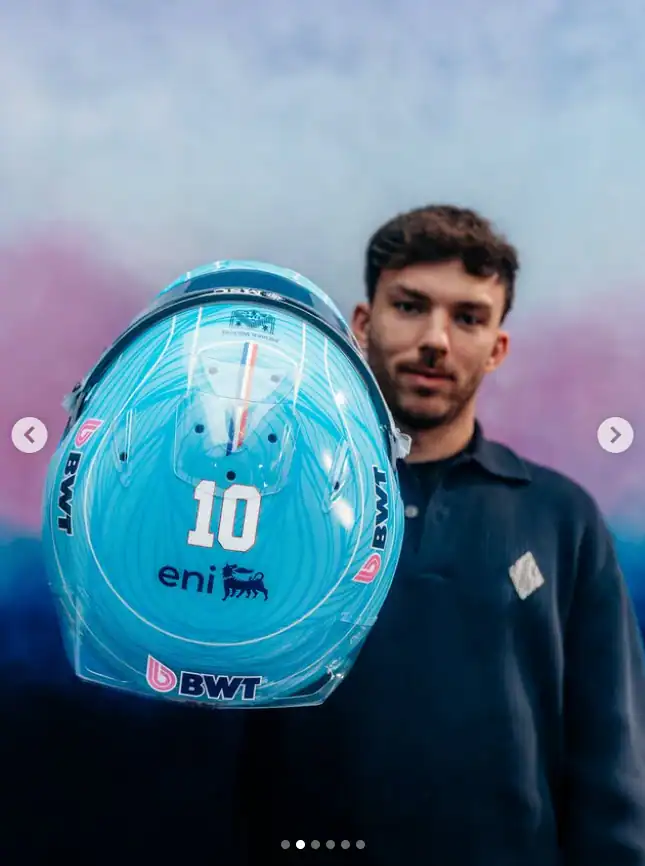
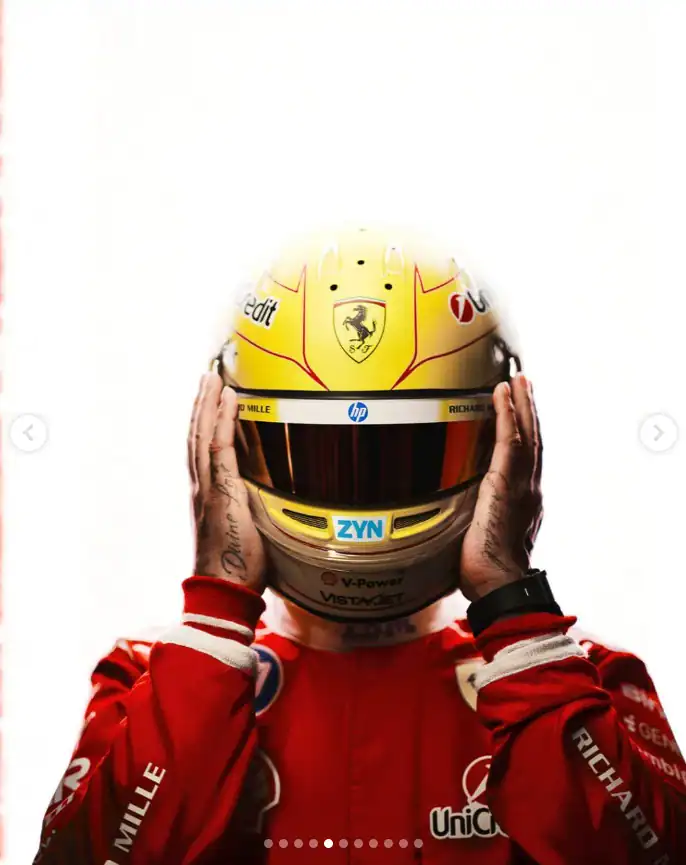
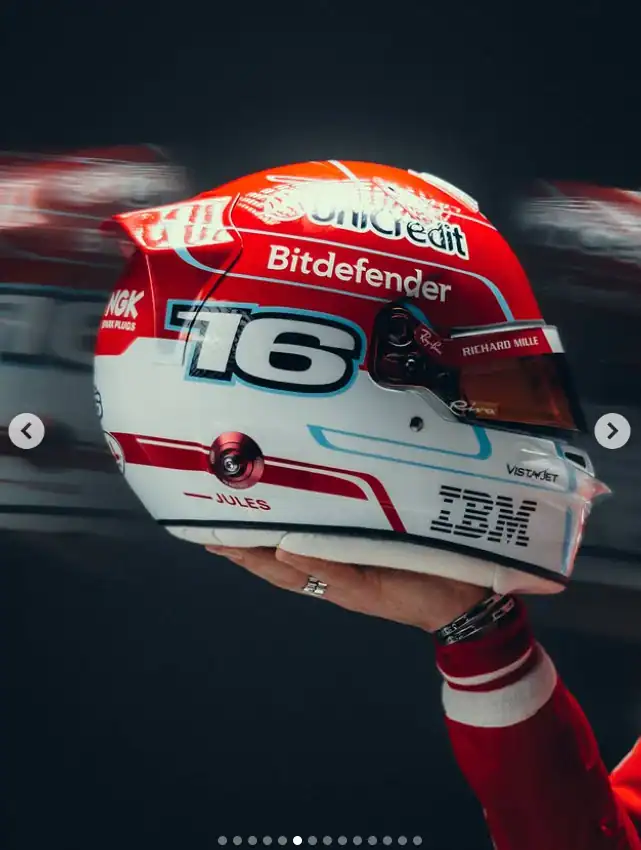
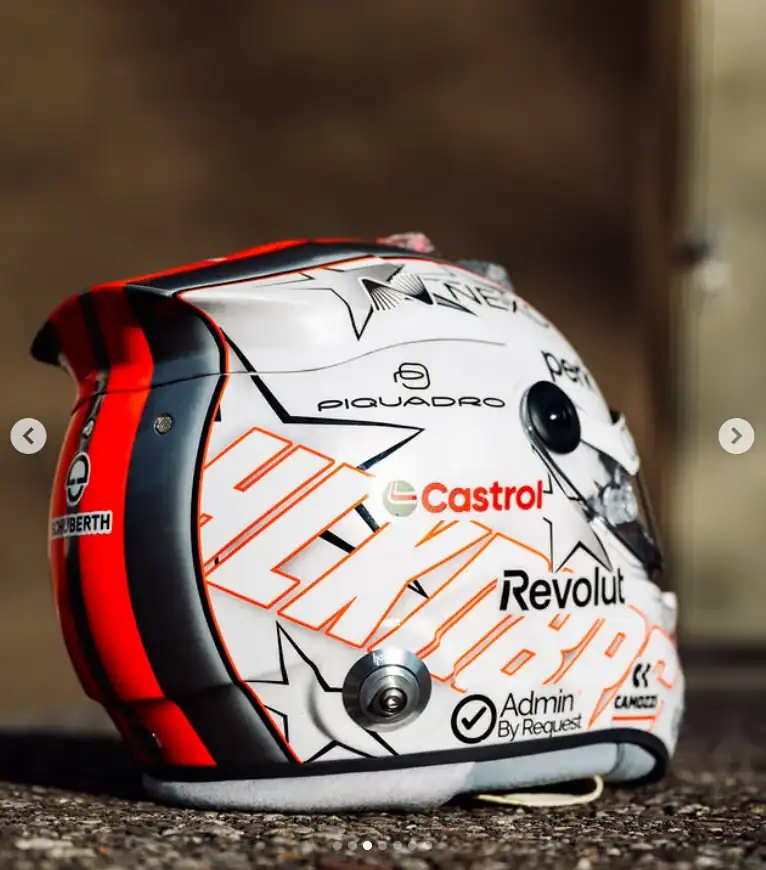
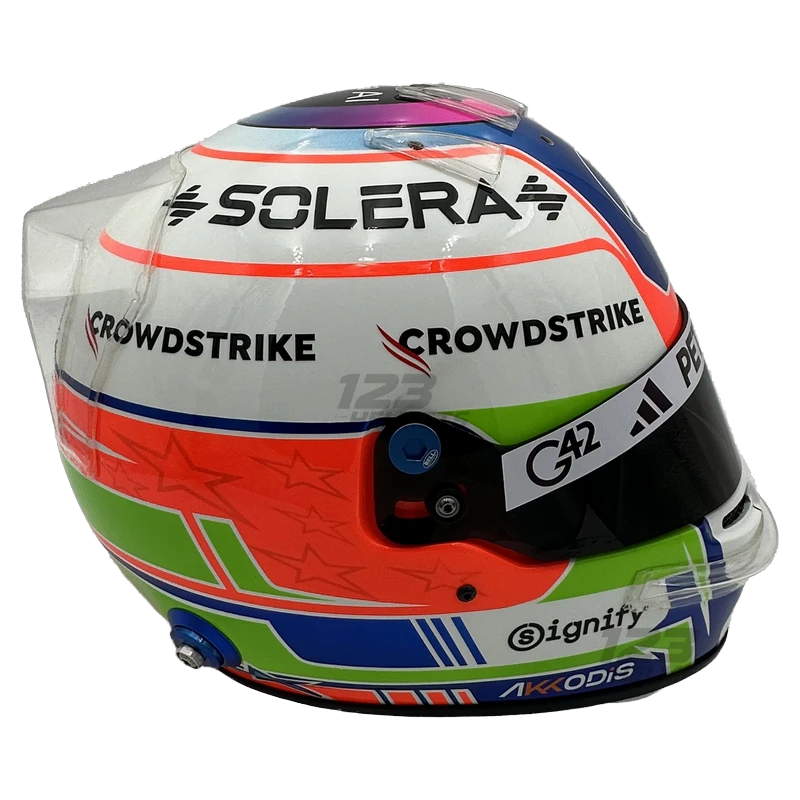
Russell’s helmet design this season remains one of the most recognisable on the grid: a clean union-flag-inspired palette with the deep blue base, crisp white accents and the signature lion crest that has followed him from his junior career into the senior Mercedes seat. For collectors, a pole-winning weekend is the kind of moment that anchors a helmet’s place in a display cabinet — a date, a circuit, a result, all attached to the livery.
Why Montreal Matters for Mercedes
Mercedes’ recent form has been inconsistent, but Montreal’s unique demands — heavy braking zones, traction out of slow corners, and a circuit that rewards mechanical grip over aerodynamic dominance — appear to have unlocked something in the W-series chassis. Russell’s pole isn’t an outlier; it’s a statement. And for those who curate full-size 1:1 replica helmets as exhibition pieces, statements like these are precisely what give a particular season’s livery its historical weight.
Antonelli’s Breakthrough Moment
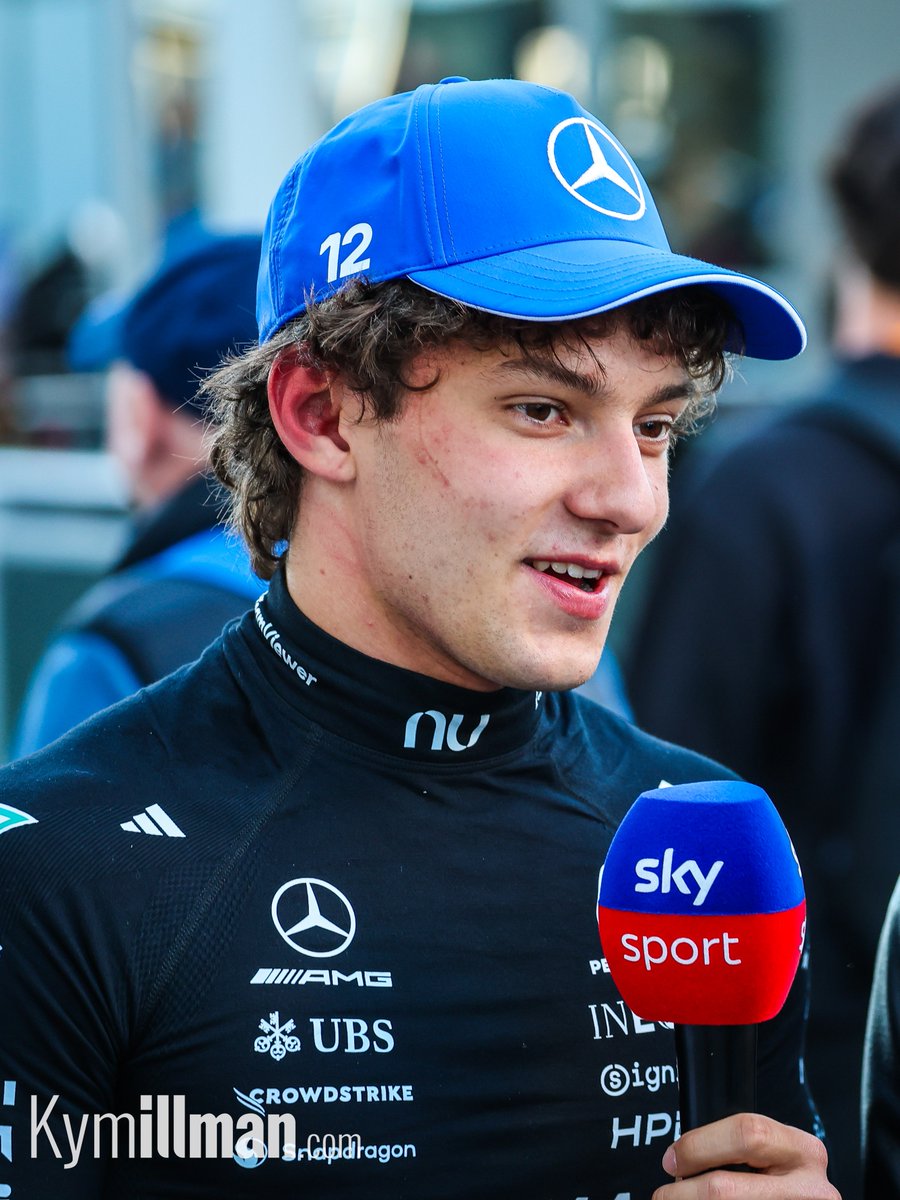
Lining up in P2 alongside his senior team-mate is Andrea Kimi Antonelli — and the symbolism is hard to overstate. The Italian rookie, still in his debut Formula 1 campaign, has shown flashes of brilliance throughout the season, but a front-row Sprint start in Montreal places him firmly in the conversation about the next generation of grand prix winners.
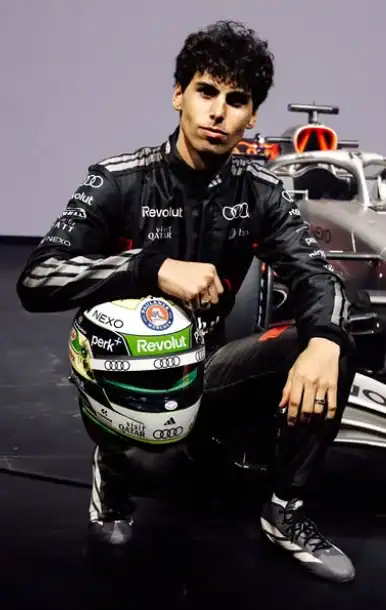
Antonelli’s helmet design has already become a talking point in collector circles. The livery leans on a modern Italian visual language — sharp geometry, a deep base colour, and graphic elements that distinguish it instantly from the more traditional designs further down the grid. As a debut-season helmet, it carries the kind of “first chapter” significance that experienced collectors prize. Every standout result — a Sprint front row included — adds narrative value to the display piece.
The Rookie Helmet as a Collector Category
Debut-year helmets occupy a special tier in the world of full-size 1:1 replicas. They mark the beginning of a career arc, and unlike later iterations, they cannot be retroactively created. The livery a driver chooses for their first season is, by definition, a one-time aesthetic statement. For exhibition-quality collectors, Antonelli’s Montreal Sprint front row is the kind of contextual data point that elevates a helmet from “current driver” to “future historical artefact.”
Norris and McLaren’s Sprint Calculus
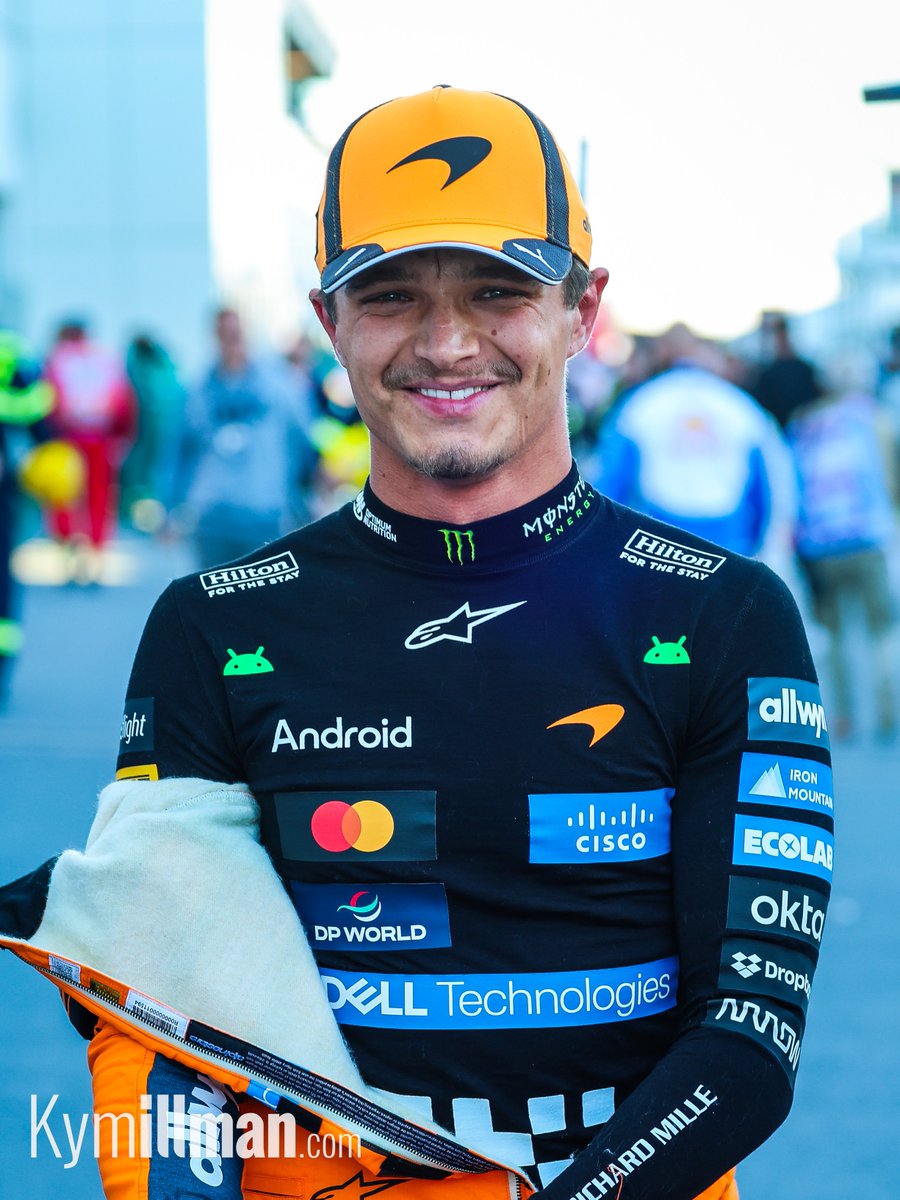
Lando Norris rounds out the top three, and for McLaren, P3 in a Sprint at a track that has not historically been the team’s strongest is a respectable platform. The papaya squad has been one of the dominant forces of the modern era, and Norris remains central to that identity — both on track and in the visual vocabulary of the sport.
Norris’s helmet livery is one of the most studied in current F1. The neon-accented base, the personal motifs, the evolving graphic detailing across seasons — it has become a benchmark for how a modern driver can use helmet design as personal branding. Each season’s iteration is collected, compared and displayed side-by-side by enthusiasts who view the helmet as the single most expressive piece of equipment a driver controls.
What a Sprint Result Tells Us
Sprint races are not full grands prix, but they are not nothing. A P3 starting slot indicates raw pace; the race itself will tell us about tyre management, race craft and strategic flexibility. For Norris, converting front-row-adjacent grid slots into podiums is part of the championship rhythm. For collectors, every podium adds another line to the helmet’s provenance — and provenance is everything in display-grade collecting.
The Sprint Format and Helmet Visibility
One of the under-discussed benefits of the Sprint weekend format, from a collector’s perspective, is increased helmet visibility. With an additional competitive session, broadcast cameras spend more time on driver close-ups, helmet cam footage and pit-lane glamour shots. The livery details that matter most to collectors — the crown design, the chin graphics, the rear-of-shell signatures — receive significantly more screen time across a Sprint weekend than a traditional grand prix weekend.
This matters because the visual record of a season is what ultimately drives demand for specific helmet replicas. A livery that featured prominently in iconic Sprint battles, pole laps and podium celebrations becomes embedded in the visual memory of the sport. Years later, that recognition translates into collector interest for the corresponding full-size 1:1 display replica.
Montreal as a Visual Stage
The Circuit Gilles Villeneuve, with its mix of long straights and tight chicanes, provides exceptional camera angles. The famous “Wall of Champions” exit, the hairpin, the pit straight — all generate the kind of footage that becomes the season’s highlight reel. Russell, Antonelli and Norris will all be at the centre of that footage today, and their helmets will be the most photographed objects on the grid.
Who Comes Out on Top?
The question Kym Illman posed is the question on every fan’s mind: who actually wins the Sprint? Russell has the clean air and the pole-sitter’s advantage at the start. Antonelli has the rookie hunger and a chassis capable of converting opportunity. Norris has McLaren’s race pace and the experience of multiple grand prix victories.
Tyre strategy in a Sprint is compressed — there is far less room for recovery if the opening laps go wrong. The first sector, in particular, will be decisive. Whoever emerges from the chicane sequence at the front of the train is likely to dictate the rhythm of the entire race.
The Wider Championship Context
Sprint points are not season-defining, but they are not negligible either. In a championship where every position matters, a strong Sprint result can swing momentum into the main race. The drivers on the front rows today understand that what happens this afternoon shapes the narrative going into Sunday — and shapes the visual record that, for collectors of full-size 1:1 exhibition replicas, becomes the legacy of the season.
The Collector’s View of the Weekend
For those who curate display-grade helmet collections, weekends like Montreal are exactly when livery context is built. A Sprint pole, a rookie front row, a podium battle — these are the moments that give a helmet its biography. The replica on the shelf isn’t just a beautifully reproduced piece of memorabilia; it is a physical anchor to a specific moment in the sport’s history.
The three drivers leading today’s Sprint represent three distinct chapters in modern F1: the established race winner consolidating his position (Russell), the rookie writing his opening pages (Antonelli) and the championship-contending star refining his craft (Norris). Their helmets, displayed side by side as full-size 1:1 collector replicas, tell that story without a single word of commentary.
Building the Display
Exhibition-quality collectors increasingly think in narrative terms — grouping helmets by season, by circuit, by storyline. The Montreal Sprint front row, captured in three full-size replica helmets on a single shelf, is exactly the kind of curated thematic display that defines premium collecting today. It is not about quantity; it is about coherent storytelling through the most iconic object on a driver’s body.
“George Russell will start today’s Sprint Race from pole, alongside Kimi Antonelli and Lando Norris in P2 and P3. But who will come out on top?”
— Kym Illman on X
FAQ
Q: Who is on pole for the Canadian GP Sprint Race?
George Russell secured pole position for the Sprint Race, lining up ahead of Kimi Antonelli in P2 and Lando Norris in P3.
Q: Why is Antonelli’s front-row start significant for collectors?
As a rookie, Antonelli’s debut-season helmet livery is a one-time visual statement. Standout results like a Sprint front row add narrative value to his full-size 1:1 collector replica, marking the opening chapter of his F1 career.
Q: How does the Sprint format affect helmet visibility?
Sprint weekends add an extra competitive session with full broadcast coverage, meaning helmet liveries receive significantly more screen time. This increased visibility shapes the visual memory of the season and influences collector interest in specific replicas.
Q: Are the helmets at 123Helmets.com wearable on track?
No. All helmets offered are full-size 1:1 collector and display replicas, intended exclusively as exhibition pieces. They are not made or sold for any protective use.
Q: What makes a driver’s helmet a strong display piece?
Provenance, livery distinctiveness, and historical context. A helmet tied to a memorable session — a pole lap, a podium, a rookie breakthrough — gains layered meaning that elevates it from decoration to a documented collector item.
Bring the Montreal Sprint front row home as a curated display. Browse F1 Helmet Collection at /shop/ to explore full-size 1:1 collector replicas built for exhibition-quality presentation.
Display and collector replicas only. Not certified for protective use. Full-size 1:1 scale.