
Blog
Colapinto Breaks Into Q3 in Montreal: A Milestone Moment Worth Commemorating
 123Helmets Editorial Team
Colapinto Breaks Into Q3 in Montreal: A Milestone Moment Worth Commemorating
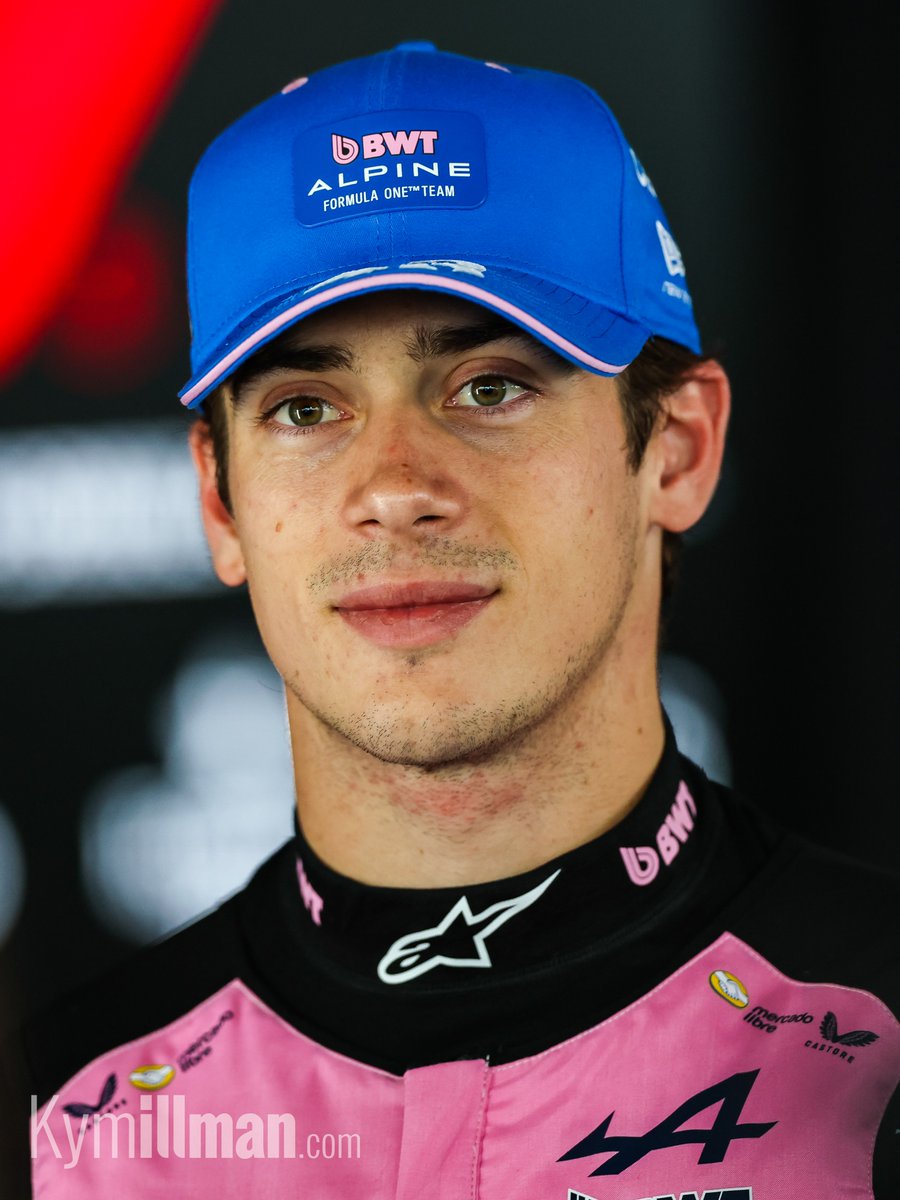
Franco Colapinto delivered the standout story of qualifying at the Canadian Grand Prix, advancing into Q3 for the first time this season and outpacing teammate Pierre Gasly for the second consecutive race weekend. The Argentine will line up tenth on the Montreal grid, capping a steady climb that has built quietly since Miami and now stands as a genuine turning point in his 2026 campaign — a moment collectors and display enthusiasts are already marking on their shelves.
Key Takeaways
Franco Colapinto reached Q3 for the first time in the 2026 season at the Canadian Grand Prix.
The Argentine outqualified teammate Pierre Gasly for the second consecutive race weekend.
Colapinto will start tenth on the grid in Montreal, his best qualifying result of the year.
Momentum has been building steadily since the Miami round, marking a clear performance trend.
A Breakthrough Lap in Montreal
Saturday at the Circuit Gilles Villeneuve delivered one of the most uplifting stories of the 2026 qualifying calendar so far. Franco Colapinto, the Argentine driver whose progress has quietly accelerated over recent rounds, broke into Q3 for the first time this season. For a driver still finding his rhythm at the highest level of motorsport, the achievement represents something more meaningful than a single grid position — it signals that the groundwork laid across the opening third of the campaign is now translating into measurable, repeatable performance.
The session itself unfolded with the tension typical of Montreal, where chicanes punish the smallest error and the wall of champions has historically claimed even the most experienced names. Colapinto navigated all three segments cleanly, advancing through Q1 and Q2 before securing a place inside the top ten shootout. The result places him tenth on the grid, his best qualifying outcome of the 2026 season and a strong platform for Sunday’s race.
Outpacing the Teammate Yardstick
In Formula 1, the most honest measure of a driver’s progression is the comparison with the man on the other side of the garage. Pierre Gasly, an established Grand Prix winner with vast experience at the front of the midfield, has provided Colapinto with a demanding internal benchmark. Beating that benchmark once can be circumstantial. Beating it twice in succession is a trend — and that is precisely what Colapinto has now done. The Montreal performance follows on from a similar result in the previous round, reinforcing the narrative that the Argentine is no longer simply learning the car but actively extracting its potential.
The Momentum Story Since Miami
Every promising rookie campaign tends to have an inflection point — a weekend after which the data, the lap times and the body language all change tone. For Colapinto, that pivot appears to have arrived at the Miami round. Since then, his weekends have looked progressively more composed: cleaner Friday programmes, sharper qualifying runs and more consistent race pace. The trajectory has not been spectacular in the sense of a sudden podium charge, but it has been the kind of steady, measurable climb that team principals and engineers value far more than fireworks.
Reading the Performance Curve
Looking at the wider picture, the Canadian Grand Prix result fits into a sequence that began with refined free-practice work, continued through improved Q2 appearances and has now culminated in a maiden Q3 of the year. Each step has been incremental, but collectively they paint a picture of a driver gaining confidence in the braking zones, trusting the front end through medium-speed corners and managing tyre temperatures with growing precision. Montreal is famously punishing on brakes and traction zones, which makes the tenth-place qualifying result all the more telling.
What Tenth on the Grid Really Means
Starting tenth in Montreal positions Colapinto inside the points-paying zone before lights out, and the layout of the circuit historically rewards aggressive opening laps and strategic flexibility. With a safety car probability that ranks among the highest on the calendar, the tenth slot is arguably one of the most strategically interesting on the grid. Whether or not the result converts into points, the qualifying achievement alone has reframed the conversation around his season.
Why This Moment Resonates With Collectors
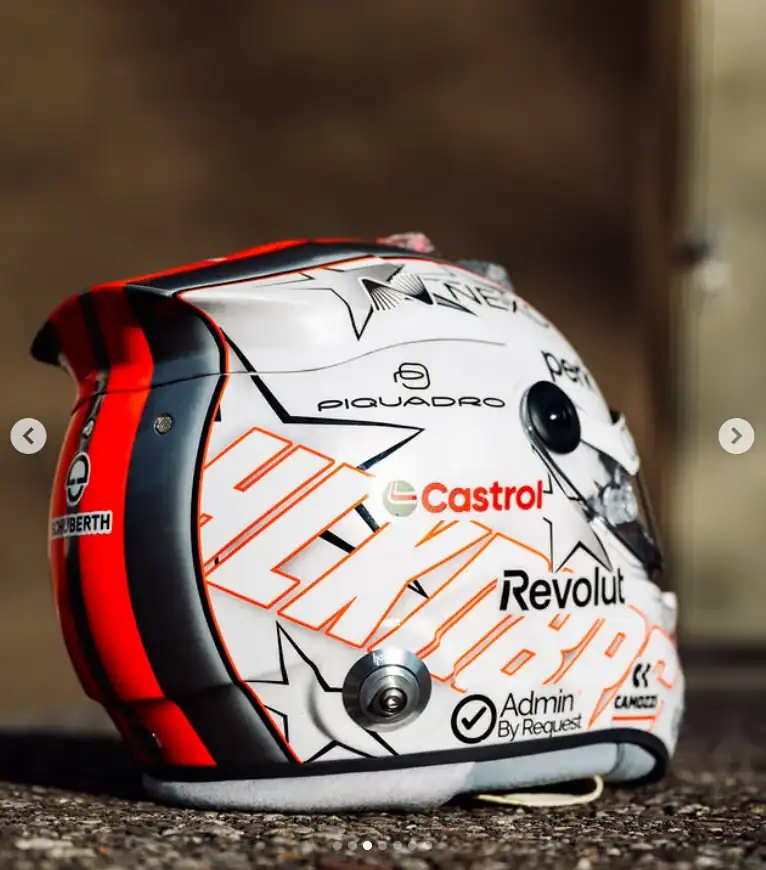
For those who curate full-size 1:1 replica helmets as display pieces, breakthrough weekends carry a particular significance. Helmet design in modern Formula 1 is a deeply personal statement, and the visual identity a driver wears during a milestone qualifying session becomes part of that helmet’s narrative weight on the shelf. A Q3 debut, a first front-row, a maiden podium — these are the chapters that elevate a replica from a beautiful object to a piece with a story.
The Argentine Visual Identity
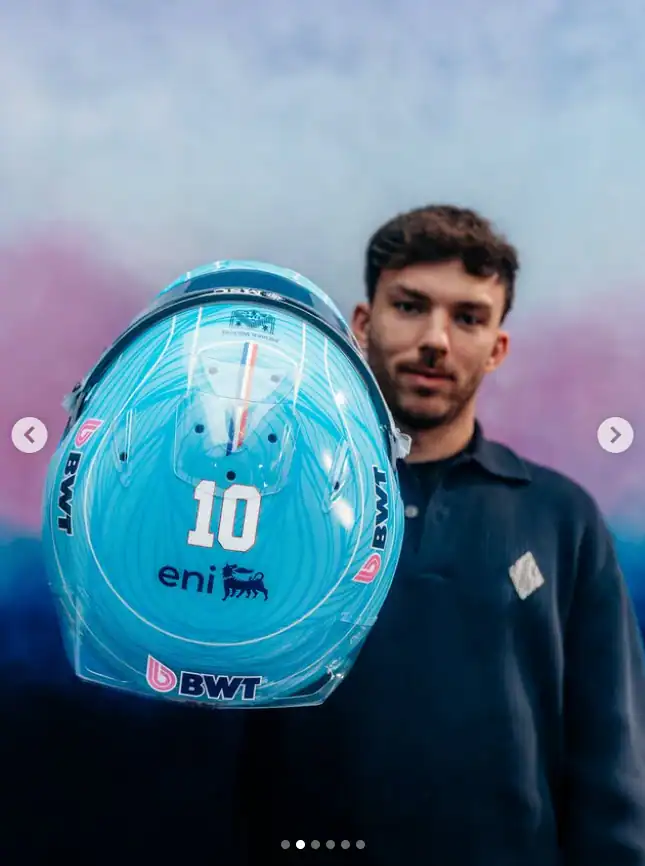
Colapinto’s helmet livery has become instantly recognisable within the paddock, drawing on national colours and motifs that connect his career trajectory back to a country with an extraordinary motorsport heritage. The combination of light blue and white, layered with personal design touches, has resonated with fans across multiple continents. As a collector display item, a full-size 1:1 replica in that colourway captures not just a driver’s aesthetic but the emotional weight of a generation of Argentine fans reconnecting with Formula 1.
Display Pieces and Career Milestones
Exhibition-quality replicas are at their most compelling when they correspond to identifiable moments in a career. A Montreal Q3 is precisely that kind of moment — a clear, dateable, traceable achievement that a display piece can be associated with on a plinth card or shelf label. Collectors who build curated cabinets around season narratives often anchor their layouts to such weekends, using a helmet replica as the visual centrepiece of a broader tribute.
The Wider Context of the 2026 Season
The 2026 Formula 1 season has unfolded under significant regulatory and competitive change, and within that turbulent backdrop, midfield battles have arguably been the championship’s most compelling storyline. Teams operating outside the very front of the grid are fighting for every tenth, and qualifying sessions frequently produce surprising orders. In that environment, a Q3 appearance is not a participation marker — it is a hard-earned outcome that requires the car, the driver and the strategy to align almost perfectly across a single Saturday afternoon.
Pressure, Patience and Progress
Rookie and second-year drivers often face a difficult balance between immediate results and long-term development. Push too hard too early, and mistakes compound. Hold back too cautiously, and the perception of progress stalls. Colapinto’s Montreal qualifying suggests he has found a productive equilibrium — one in which calculated aggression has produced a result without compromising consistency. That balance is what teams want to see from a driver they intend to invest in for multiple seasons.
The Internal Battle
Two consecutive weekends of outqualifying Pierre Gasly is no small statistical footnote. Gasly remains one of the most experienced drivers in the midfield, capable of pulling extraordinary laps out of difficult cars. Colapinto’s ability to match and exceed him on Saturday afternoons changes the internal dynamic of the garage, the engineering priorities and even the strategic calls that may come on Sunday. For a young driver, those subtle shifts are often more valuable than any single race result.
Looking Ahead to Sunday and Beyond
Race day in Montreal traditionally produces drama. The combination of long straights, heavy braking zones, walls in close proximity and a high probability of safety car interventions makes prediction notoriously unreliable. Starting tenth, Colapinto has the opportunity to capitalise on chaos if it arrives, or to defend resolutely if the race remains green. Either way, the foundation has been laid by a qualifying performance that finally placed him in the top ten on Saturday.
Building on the Momentum
The remaining races on the 2026 calendar will determine whether Montreal becomes the moment Colapinto’s season fundamentally changed, or simply another step on a longer climb. Either interpretation would be encouraging. Drivers who establish themselves through gradual, repeatable improvements tend to build careers on more stable foundations than those who burst onto the scene with a single spectacular weekend. The Argentine appears to be following the former path.
A Moment Worth Marking
For supporters, broadcasters and collectors alike, the Canadian Grand Prix qualifying session of 2026 will be remembered as the weekend Franco Colapinto reached Q3 for the first time. It is a small line in the wider history of the sport, but it is the kind of line from which careers are built and around which display collections are curated.
“Q3 for the first time — momentum has been building since Miami and it finally clicked in Montreal.”
— Paddock observation, Canadian Grand Prix qualifying
FAQ
Q: What did Franco Colapinto achieve in Canadian Grand Prix qualifying?
Colapinto reached Q3 for the first time in the 2026 season at the Circuit Gilles Villeneuve, securing tenth place on the grid for Sunday’s race.
Q: How did he compare to his teammate Pierre Gasly?
Colapinto outqualified Pierre Gasly for the second consecutive race weekend, indicating a clear trend of internal performance improvement.
Q: When did Colapinto’s momentum begin to build?
His performance trajectory began noticeably improving from the Miami round onwards, with each subsequent weekend showing incremental progress.
Q: Why is a Q3 appearance significant for a driver in 2026?
Reaching Q3 means finishing inside the top ten in qualifying, requiring the car, driver and strategy to align across all three sessions — a meaningful achievement in a tightly contested midfield.
Q: Are full-size 1:1 replica helmets suitable for protective use?
No. The replicas referenced on 123Helmets.com are exhibition-quality display pieces and collector items only, intended purely for visual presentation and not for any form of protective application.
Mark this milestone with a curated display piece — Browse F1 Helmet Collection at /shop/ and explore full-size 1:1 collector replicas crafted for exhibition-quality presentation.
Display and collector replicas only. Not certified for protective use. Full-size 1:1 scale.