Blog
What We Make of F1’s First Go at Fixing Its 2026 Problems
 123Helmets Editorial Team
What We Make of F1’s First Go at Fixing Its 2026 Problems
Formula 1’s governing body has tabled its first round of adjustments to the much-debated 2026 technical package. For collectors tracking the helmet designs that will define the next era, the signals coming out of these meetings matter just as much as the numbers on the spec sheet.
Key Takeaways
The FIA’s first 2026 adjustments target energy deployment and active aerodynamics, but the chassis philosophy remains intact
Teams are divided: some welcome the tweaks, others want deeper structural changes before the season begins
Driver liveries and helmet designs for 2026 are still being finalised, making this a pivotal year for future collector pieces
The 2026 grid will feature new team identities, fresh sponsor lineups and visual rebrands that reshape the collector market
The Backdrop: Why 2026 Became F1’s Most Scrutinised Reset
A regulation set under pressure before it even debuts
The 2026 Formula 1 technical regulations were meant to usher in a new age of sustainable power units, nimbler chassis and a cleaner aerodynamic philosophy. Instead, the months leading up to their introduction have been dominated by concern. Drivers have voiced reservations in private briefings, team principals have raised structural questions in Commission meetings, and simulator data circulating in the paddock has painted a picture more complicated than the one originally sold to fans.
At the heart of the debate sits the new power unit split — a near-equal balance of internal combustion and electrical energy — and the way that balance interacts with the revised aerodynamic package. The concern is not that the cars will be slow. The concern is that they will behave unpredictably on long straights, forcing drivers to manage deployment rather than race. For a sport whose identity is built on wheel-to-wheel combat, that is a sensitive topic.
Why collectors should be paying attention
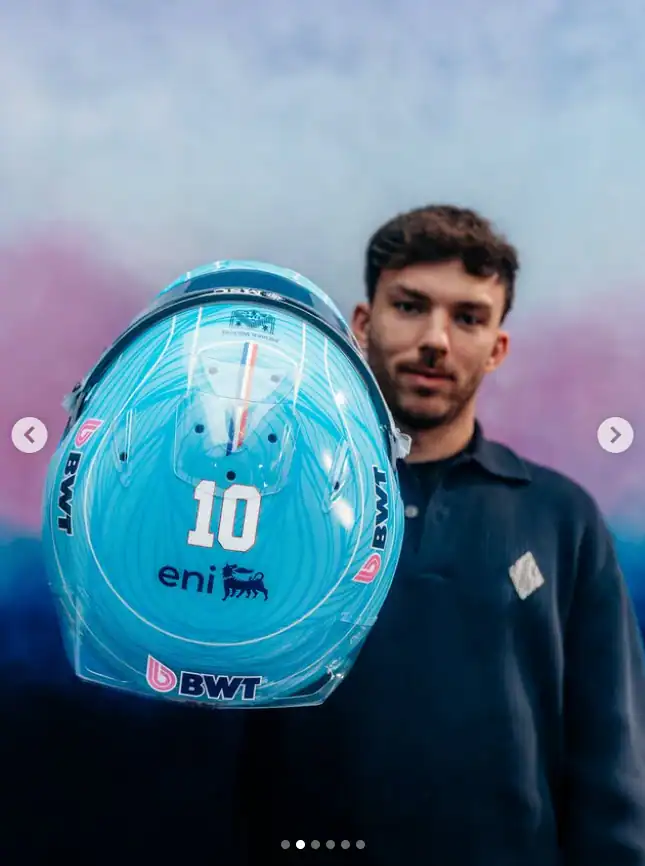
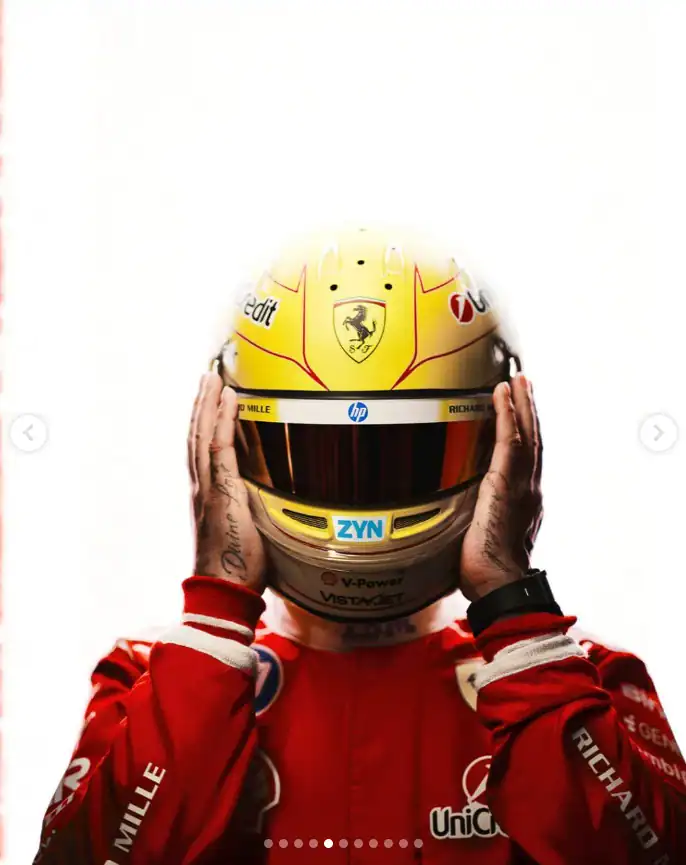
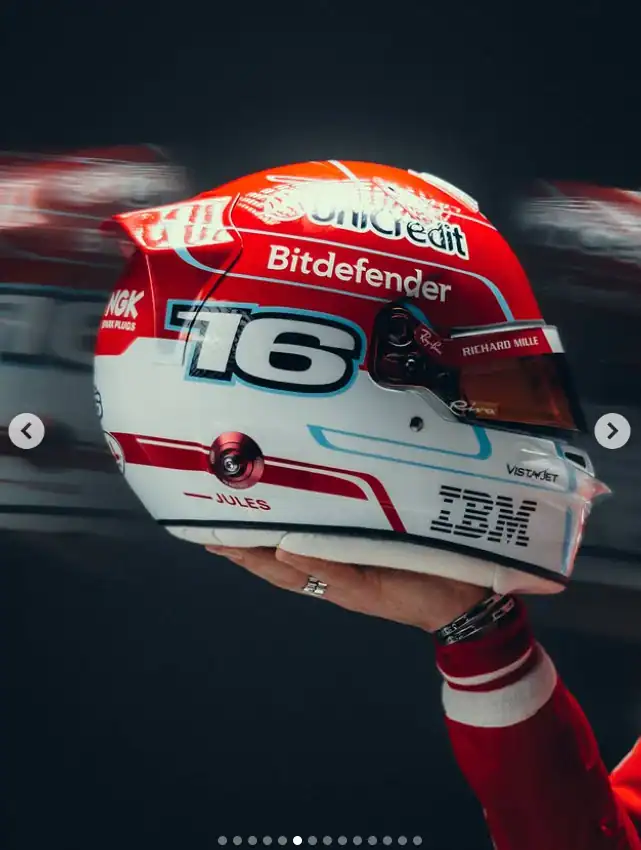
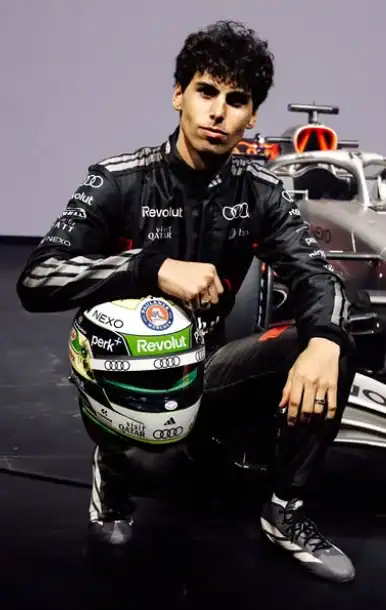
Every major regulatory reset in F1 history has produced a wave of iconic helmet designs and livery overhauls. 2009, 2014, 2017, 2022 — each shift prompted teams and drivers to refresh their visual identities. 2026 is shaping up to be the biggest reset since the hybrid era began. For anyone building a display collection of full-size 1:1 replica helmets, this is the year to track which designs are being retired and which new ones will become tomorrow’s centrepieces.
The First Round of Fixes: What’s Actually on the Table
Energy deployment rebalancing
The most talked-about proposal addresses how electrical energy is deployed on a lap. The original 2026 regulations allowed for very high electrical power output, which in simulation produced cars that ran out of battery well before the end of long straights. The first wave of fixes explores a tapered deployment curve, meaning teams could no longer dump all their energy in one burst. Instead, deployment would be managed across a broader window, reducing the visual effect of cars slowing dramatically before braking zones.
Active aerodynamics refinements
The 2026 cars were designed around movable front and rear wing elements that switch between high-downforce and low-drag modes. The first adjustments refine the transition thresholds and introduce clearer rules on when systems can be activated. This is less about performance and more about consistency — making sure every car behaves predictably when overtaking or defending.
Minimum weight and chassis dimensions
Teams had lobbied for a slightly lower minimum weight and tighter chassis dimensions to claw back agility. The FIA has signalled openness to modest reductions, though nothing has been finalised. A lighter, smaller car is generally better for racing spectacle — and, incidentally, for the visual drama that drives helmet-cam and onboard footage, the very imagery that inspires collector helmet designs.
The Team Reactions: A Paddock Divided
Those pushing for more
Several teams have made it clear they believe the first round of fixes does not go far enough. Their argument is that energy management, even in a tapered form, will still dominate race strategy in a way that damages the spectacle. They want a deeper rethink of the power unit ratio itself — something the manufacturers have resisted, given the billions already invested in 2026 engine development.
Those defending the framework
Other teams, particularly those confident in their 2026 power unit programmes, argue that the core regulations are sound and that only calibration tweaks are needed. Their view is that early simulator data always overstates problems, and that once cars hit the track, drivers will adapt. They point to the 2022 ground-effect reset, which was widely criticised before the season only to deliver some of the closest racing in years.
The drivers’ perspective
Drivers have been unusually vocal. Several have publicly questioned whether the cars will produce racing they enjoy. For collectors, this matters: driver satisfaction tends to correlate with more expressive helmet designs, bolder livery choices, and the kind of personality-driven identity that makes a replica helmet worth displaying on a lit plinth for decades.
What This Means for the 2026 Helmet and Livery Landscape
New teams, new identities
2026 welcomes a new manufacturer to the grid, triggering a wave of rebrands across the paddock. Sponsor portfolios are being reshuffled, team colours are being refreshed, and at least three constructors are expected to unveil meaningful visual overhauls. For the collector market, this means a defined cut-off: the helmet designs being raced in the current era are about to become historical pieces, while the 2026 designs will launch an entirely new chapter.
Driver movements and helmet continuity
Several driver moves confirmed for 2026 will bring established helmet designs into new team colour palettes. A driver’s personal helmet design often carries across teams with subtle modifications to match new sponsors or team accents. Tracking these evolutions is one of the most rewarding aspects of collecting full-size 1:1 replica helmets — you build a visual timeline of a career across different eras of the sport.
The display case as a living archive
Every regulatory reset creates what collectors call “generation markers” — helmets that clearly belong to a specific technical era. A 2026 replica, displayed alongside a 2014 hybrid-era piece and a 2022 ground-effect piece, tells the story of modern Formula 1 in a way no photograph can. This is exhibition-quality storytelling, and it is exactly why display collectors are already planning their 2026 acquisitions.
The Bigger Picture: Is F1 Getting This Right?
A sport that course-corrects in public
One of the defining features of modern F1 is that it debates its future openly. Unlike other major sports, where rule changes happen behind closed doors, F1’s Technical and Sporting Regulations are argued over in press conferences, team principal interviews and even driver social media posts. The first round of 2026 fixes is part of that process — not an emergency patch, but a scheduled calibration.
The risk of over-engineering
The danger, of course, is that too many tweaks end up diluting the original vision. The 2026 regulations were designed to make F1 cleaner, closer and more relevant to road car technology. Each compromise risks eroding one of those pillars. The sport has walked this line before, and the outcome has always depended on whether the on-track product delivers.
What to watch between now and lights-out
Expect a second round of adjustments before the 2026 season begins, likely focused on race-start procedures, qualifying format tweaks and potentially tyre specifications. Each announcement will bring fresh livery teasers, helmet design reveals and team launches. For collectors, the next six months are essentially a preview window for the next generation of display-worthy pieces.
“The regulations are a framework, not a finished product. We expected to refine them, and refining them now is exactly the right process.”
— Senior FIA technical source, paddock briefing
“Every time F1 resets, collectors get a new chapter to chase. 2026 is going to be one of the richest chapters yet.”
— 123Helmets.com editorial desk
FAQ
Q: What are the main 2026 F1 regulation changes being adjusted?
The first wave of adjustments focuses on energy deployment curves, active aerodynamic transition rules, and potential tweaks to minimum weight and chassis dimensions. The core power unit philosophy and chassis concept remain in place.
Q: Will 2026 bring new helmet designs worth collecting?
Almost certainly. Major regulatory resets historically trigger livery overhauls, sponsor refreshes and driver helmet redesigns. Combined with new team identities entering the grid, 2026 is expected to produce one of the richest years for collectible helmet designs in the modern era.
Q: Are 123Helmets.com replicas suitable for actual use on track?
No. All 123Helmets.com pieces are full-size 1:1 display and collector replicas, intended exclusively for exhibition and collection purposes. They are not certified for any protective use.
Q: When will 2026 helmet designs typically be revealed?
Most teams and drivers reveal new helmet designs during pre-season launches in January and February, with additional one-off designs appearing at special events across the season. Collectors tend to place early orders for replicas as soon as designs are unveiled.
Q: How should a collector start building a 2026-era display?
A strong approach is to define a theme — a favourite driver’s career arc, a specific team’s journey across regulation eras, or a season-defining grid snapshot. Full-size 1:1 replicas displayed on lit plinths create an exhibition-quality presentation that evolves with the sport.
Browse F1 Helmet Collection
Display and collector replicas only. Not certified for protective use. Full-size 1:1 scale.
This article was written with the help of AI tools. Editorial policy