
Blog
Lance Stroll: 10 Years of F1 Lessons Learned
 123Helmets Editorial Team
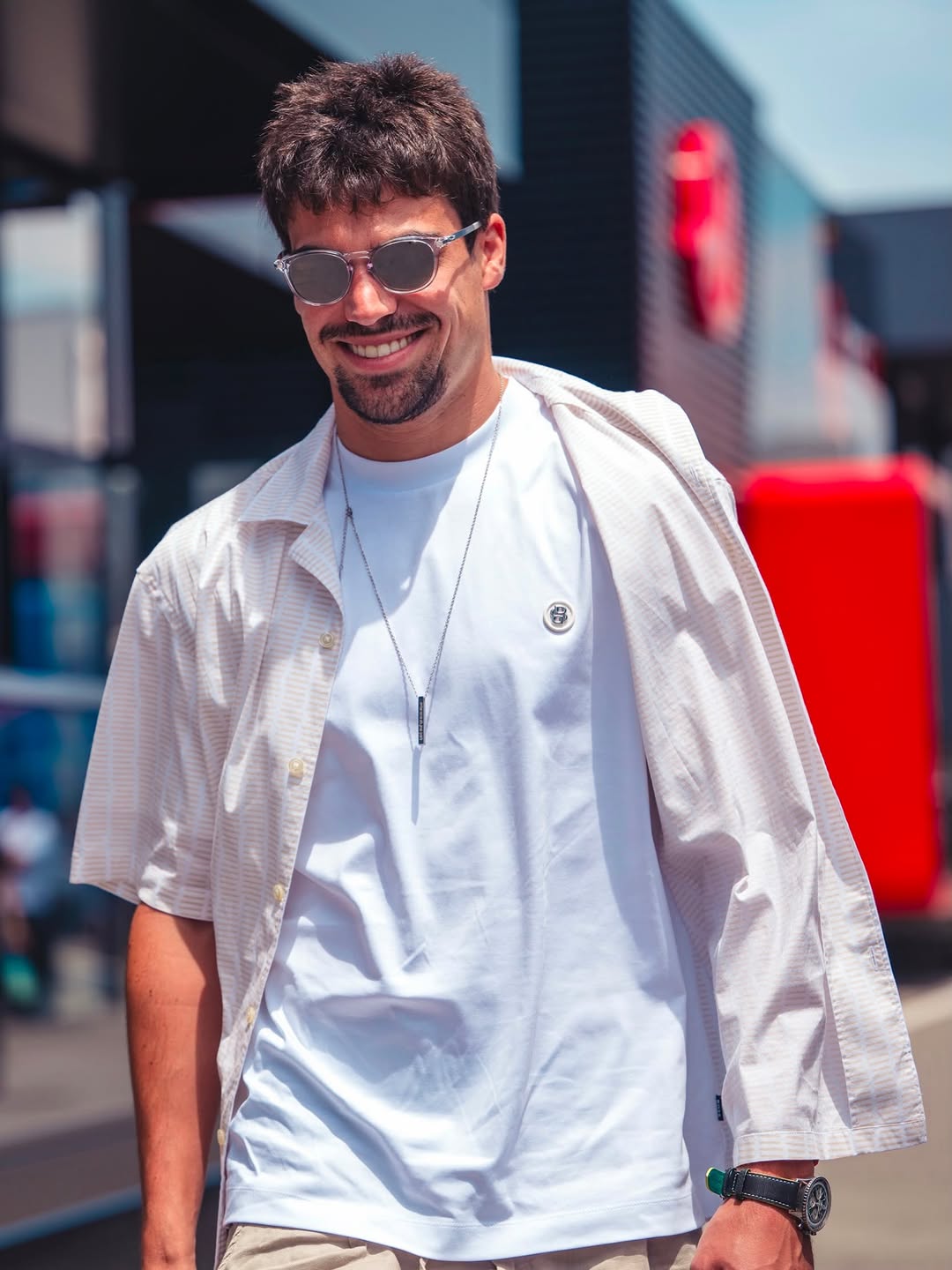
Lance Stroll arrived on the Formula 1 grid in 2017 as an 18-year-old rookie and the second-youngest starter in the sport’s history. Nearly a decade later, the Canadian reflects on what almost 10 years of racing at the highest level has taught him — and what that journey means for the helmets that mark each chapter.
Key Takeaways
Stroll debuted in 2017 at age 18, becoming the second-youngest F1 starter in history behind Max Verstappen.
He scored his maiden pole position in 2020 with Racing Point, adding two more podiums to his tally.
Stroll identifies confidence and feel as the constant variables a driver must manage across every season.
His 2026 campaign with Aston Martin and new power unit partner Honda has been among his most testing — proof that learning in F1 never stops.
From Teenager to Ten-Year Veteran
Lance Stroll’s F1 career now spans close to a decade — a period that has taken him from a nervous 18-year-old debutant in 2017 to a 27-year-old who has experienced the full spectrum of the sport. When he stepped into the Williams car for the 2017 Australian Grand Prix, he became the second-youngest driver ever to start a Formula 1 race, a record held only by Max Verstappen. That context matters: Stroll arrived young, under intense public scrutiny, and in a car that was far from a title contender.
Yet his first season produced results that silenced a portion of the criticism. A podium finish and a front-row grid slot in that 2017 rookie campaign established that Stroll was not simply filling a seat. He was competing. By 2019, he had moved to Racing Point — the team that would eventually become the Aston Martin works squad his father Lawrence owns — and in 2020 he claimed his maiden pole position along with two further podiums.
The transition from Williams to Racing Point to Aston Martin has not just been a change of badge. Each chapter brought different machinery, different teammates, different expectations. Understanding how Stroll has processed those chapters is what makes his recent reflections particularly worth examining — both as sporting history and as the story behind nearly a decade of race helmets that now sit as collector milestones.
What Nearly 10 Years in the Cockpit Teaches You
Driving tactics, car setup knowledge, racecraft in changing conditions — Stroll himself lists these as the concrete technical lessons accumulated over nearly 10 years at the top of the sport. In a recent interview published on the official Aston Martin F1 website, he was asked directly how much he has learned during his time in Formula 1. His answer was unambiguous: “A lot.”
He expanded: “Different driving tactics, things around car set-up, dealing with changing conditions, tricks at different racetracks to gain lap time. As you spend more time in Formula 1, you realise how much of the sport is about confidence and feeling. That’s one of the constant challenges, because every season is different. You’re always learning, adapting and trying to evolve together with the car and the team around you.”
That last point — evolving together with the car and team — is one of the less-discussed realities of a long F1 career. A driver does not simply improve in isolation. The team’s engineering philosophy, the aerodynamic regulations, the tyre compounds and the power unit characteristics all shift from year to year, and the driver must recalibrate in response. For Stroll, who has now lived through multiple regulation eras including the sweeping reset of 2026, that recalibration has been a near-constant process.
He also flagged the physical and mental dimension explicitly: “Understanding what I need to be at my best during race weekends, how to manage the season mentally and physically. Those are all things you improve over time.” A modern F1 season runs to 24 races across roughly nine months. Managing that load — travel, simulation work, media commitments, fitness blocks — is a discipline in itself, and one that only years of iteration can refine.
The 2026 Season: Learning Under Pressure
The 2026 campaign has been one of the most demanding of Stroll’s career, with Aston Martin and new power unit partners Honda navigating F1’s regulation reset alongside every other team on the grid. New technical rules in 2026 have reshuffled the competitive order significantly, and Aston Martin — like several midfield operations — has found the opening phase of the season particularly tough as the team works to extract performance from a new technical package.
For Stroll personally, this is where his accumulated experience becomes most relevant. A driver with fewer years behind him might struggle to separate the car’s limitations from his own. A driver approaching 10 seasons understands the difference between a setup problem, a power unit characteristic and a driving technique issue — and can communicate that difference clearly to engineers. That communication loop between driver and garage is not a skill that arrives on debut; it is built lap by lap, race weekend by race weekend, across years.
The 2026 regulation reset also introduced revised power unit architecture across the entire field, meaning even experienced teams are working with genuinely new hardware. Stroll’s partnership with Honda as a new supplier adds another variable to manage. His ability to draw on nearly a decade of reference data — from wet races to high-degradation tyre scenarios to low-downforce circuit setups — is among the most practical assets he brings to that process right now.
Confidence, Feel and the Mental Game
Confidence and feel are the two variables Stroll identifies as the true constants in Formula 1 — the elements that no regulation change, no tyre compound update and no aerodynamic overhaul can eliminate from the equation. His 2026 interview makes the point plainly: the sport is, at its core, about how a driver feels in the car on a given day, and how much self-belief he carries into a qualifying lap or a race start.
This is not a soft observation. At the highest level of motorsport, the margin between a driver who is in rhythm and one who is not can be measured in fractions of a second per lap. Over a 50-lap race, that compounds. A driver who lacks confidence tends to brake slightly earlier, carry slightly less speed through apex, and lose time in the throttle application phase exiting corners. These are not catastrophic errors; they are tiny hesitations, and they are almost impossible to identify from outside the cockpit. The driver knows them intimately.
Stroll’s recognition of this dynamic — at 27, with nearly 10 years of data to draw from — suggests a self-awareness that goes beyond the technical. Managing the mental side of a long season, across circuits as different as Monaco’s 3.337 km street layout and Monza’s high-speed 5.793 km configuration, requires a kind of psychological flexibility that only experience can build. He has raced at both, and at every other circuit on the calendar, often multiple times. That archive of felt experience is what separates a veteran from a rookie.
A Career in Helmets: The Collector Perspective
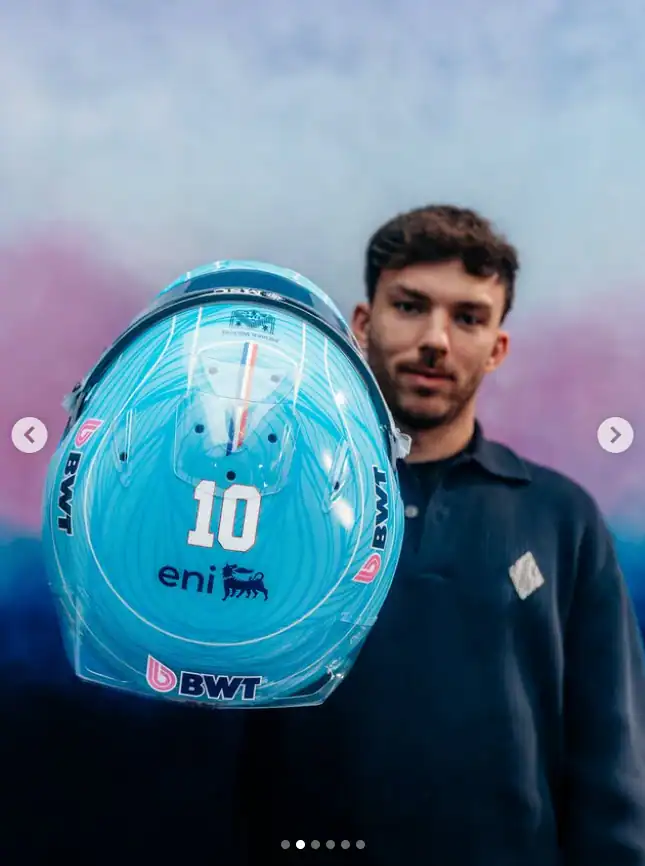
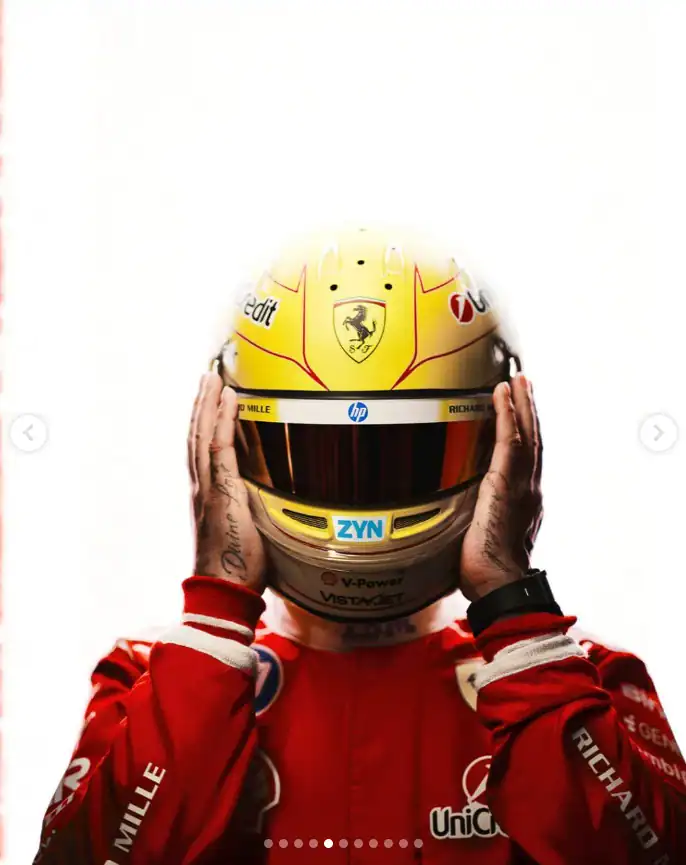
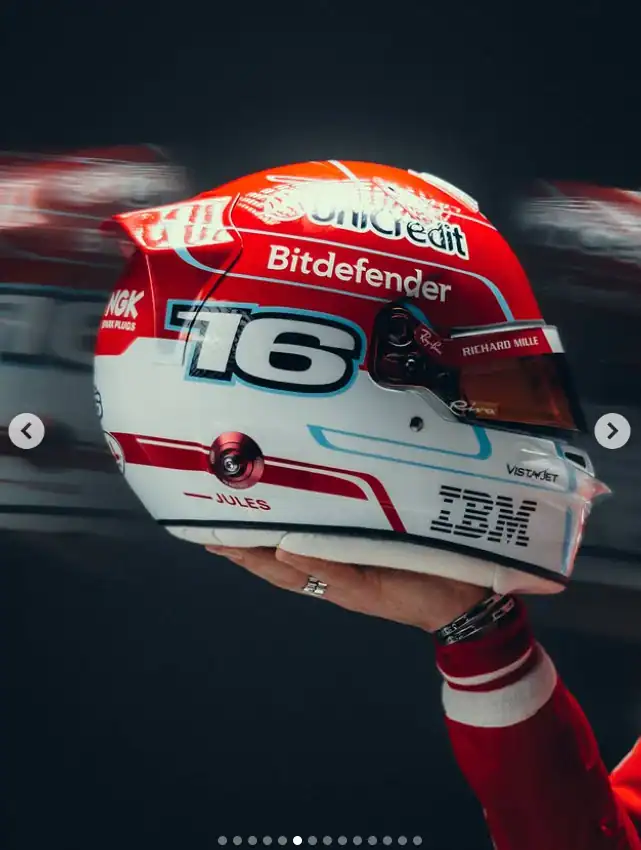
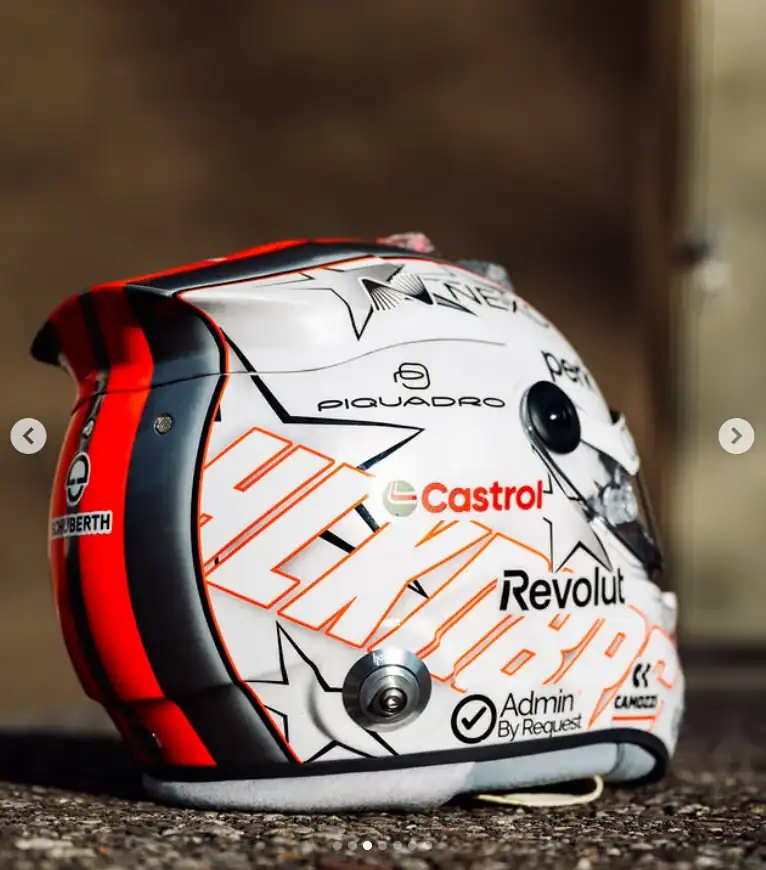
Every season of Lance Stroll’s career — from Williams in 2017 to Aston Martin in 2026 — corresponds to a distinct helmet livery, and each design captures the team colours, sponsor relationships and personal aesthetic of that specific chapter. For collectors of full-size 1:1 display replicas, that progression tells the story of a driver’s growth more concisely than any biography.
The 2017 Williams-era designs carried the team’s white and blue palette, marking Stroll’s entry into a sport where he was still the youngest voice in the room. The 2020 Racing Point helmets coincided with his maiden pole at the Turkish Grand Prix — a result that shifted the conversation around his career. The Aston Martin years introduced the team’s distinctive British Racing Green livery, which became the backdrop for Stroll’s helmets from 2021 onward and remains so through 2026.
A collector-grade full-size 1:1 replica of a Stroll helmet from any of these eras is a display piece that references a specific, documented moment in a near-decade-long career. These are exhibition-quality items — not certified for protective use, not wearable on track — built to be examined, appreciated and displayed. The weight, finish and structural detail of a well-produced replica (typically around 1.2–1.5 kg for a full-size display piece) conveys the physical reality of what a driver wears across a 24-race season. The visor alone, at approximately 3 mm thickness in a display-spec replica, reflects the kind of precision engineering that goes into every component.
As Stroll approaches the 10-year mark on the grid, the range of helmets associated with his name represents one of the more complete driver arcs available to collectors — a full journey from teenage debutant to experienced race veteran, rendered in paint, chrome and resin.
What the Next Chapter Could Look Like
Stroll’s future beyond 2026 remains an open question, but his recent reflections suggest a driver who is still invested in the process of improvement rather than one marking time. The frank acknowledgment that every season brings new challenges — new cars, new rules, new teammates to measure against — reads as the statement of someone who has not yet filed away the ambition that drove him to Formula 1 in the first place.
His connection to the Aston Martin project is structural as well as sporting: the team is owned by Lawrence Stroll, which means Lance’s place in the paddock is intertwined with the team’s own trajectory. As Aston Martin works through the difficulties of the 2026 regulation cycle with Honda power, any improvement in the car’s competitiveness directly increases Stroll’s opportunities to add to his statistics — currently one pole position, multiple podiums and nearly 10 seasons of race starts accumulated since 2017.
For the collector community, each additional season means another helmet design, another race chapter, another edition to consider for display. Whether the 2026 Aston Martin helmet eventually becomes the turning-point edition or one more chapter in a longer story, it will be defined — like all the others — by what happens on track and by the graphic identity the team chose to represent that moment. That is what a collector replica preserves: not just the design, but the context behind it.
“As you spend more time in Formula 1, you realise how much of the sport is about confidence and feeling. That’s one of the constant challenges, because every season is different. You’re always learning, adapting and trying to evolve together with the car and the team around you.”
— Lance Stroll, Aston Martin F1 official website, 2026
“Understanding what I need to be at my best during race weekends, how to manage the season mentally and physically. Those are all things you improve over time.”
— Lance Stroll, Aston Martin F1 official website, 2026
FAQ
Q: When did Lance Stroll make his Formula 1 debut?
Lance Stroll made his Formula 1 debut in 2017, driving for Williams at age 18. He was the second-youngest driver to start an F1 race in the sport’s history, behind only Max Verstappen.
Q: How many podiums and pole positions does Stroll have in F1?
Stroll has one pole position — achieved in 2020 with Racing Point — plus multiple podium finishes, including a podium in his 2017 rookie season with Williams and two more in 2020.
Q: What has Lance Stroll said about learning in Formula 1?
Stroll has said the biggest lessons involve driving tactics, car setup, and managing confidence and feel across changing conditions. He made these comments in a 2026 interview for the official Aston Martin F1 website.
Q: Are Lance Stroll helmet replicas suitable for wearing or racing?
No — Stroll helmet replicas available as collector items are full-size 1:1 display pieces, not certified for protective use. They are exhibition-quality replicas intended for display, not for road or track use.
Q: Why is the 2026 season particularly tough for Aston Martin and Stroll?
The 2026 season introduced a sweeping regulation reset across Formula 1, and Aston Martin is simultaneously integrating new power unit partner Honda. Both factors have made the opening phase of the year one of the most demanding in the team’s recent history.
Browse F1 Helmet Collection
Display and collector replicas only. Not certified for protective use. Full-size 1:1 scale.
This article was written with the help of AI tools. Editorial policy