
Blog
Esteban Ocon’s Montreal Struggle: Update Package Dilemma and a Frustrating P14 Finish
 123Helmets Editorial Team
Esteban Ocon’s Montreal Struggle: Update Package Dilemma and a Frustrating P14 Finish
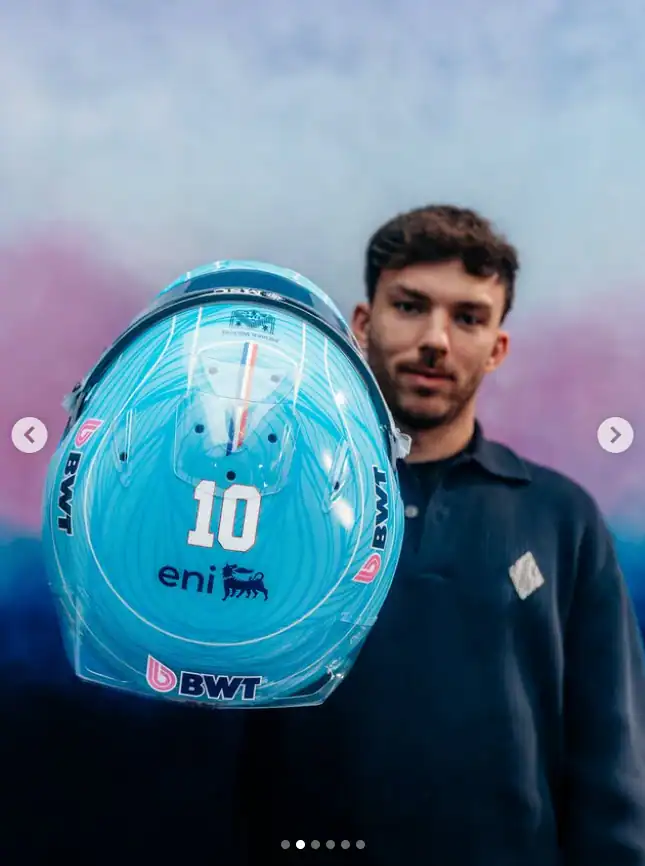
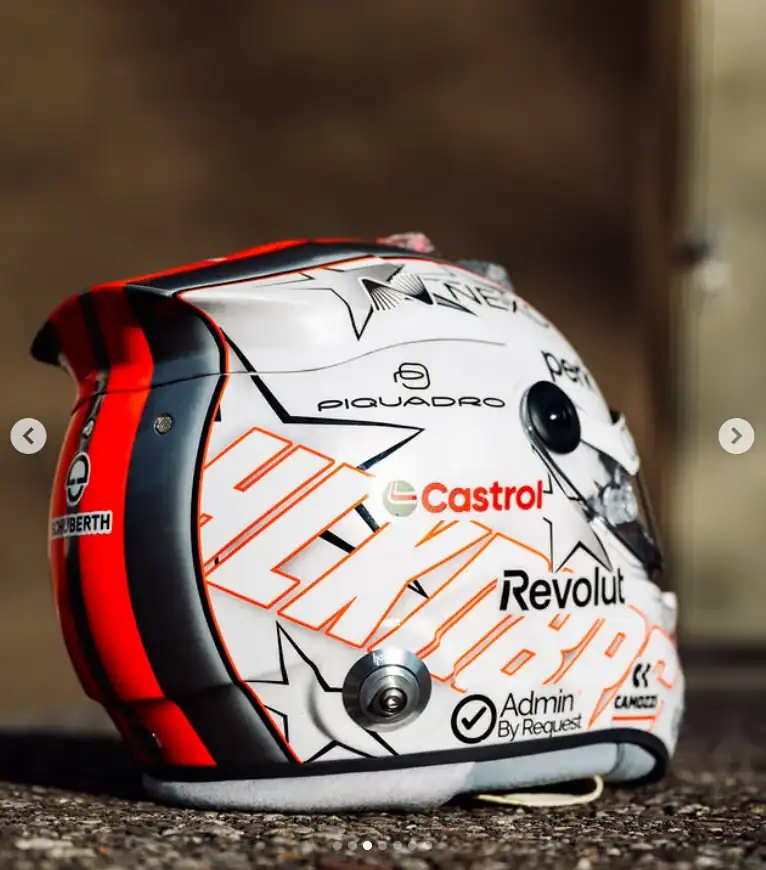
Esteban Ocon endured one of his most testing weekends of the season at the Circuit Gilles Villeneuve, wrestling with a freshly introduced update package and a car that refused to cooperate under braking. The Frenchman’s frustration boiled over after a P14 finish that flattered neither his pace nor his commitment — a result that, paradoxically, makes his Montreal helmet livery all the more poignant for collectors tracking the season’s narrative arcs.
Key Takeaways
Ocon switched to the update package between practice and qualifying, complicating his Montreal weekend
Repeated front-tyre lock-ups at Turn 10 and excursions at Turn 8 defined his Canadian Grand Prix race
A frustrated P14 finish underlined the difficulty of mid-season aerodynamic transitions
Montreal-spec display helmets gain narrative weight when tied to landmark or turbulent weekends
A Montreal Weekend That Refused to Settle
The Canadian Grand Prix has long held a particular mystique in the Formula 1 calendar — a low-grip, high-commitment street-style layout carved out of Île Notre-Dame, where braking zones punish hesitation and the Wall of Champions waits patiently at the final chicane. For Esteban Ocon, however, the 2024 visit to Montreal turned into a weekend defined less by the circuit’s romance and more by the relentless mechanical and aerodynamic puzzle his team was trying to solve in real time.
As reported by veteran journalist Adam Cooper, Ocon’s Montreal outing was difficult both on and off track. The decision to switch to an updated aerodynamic package ahead of main qualifying — rather than running it through the full sequence of free practice sessions — left the Frenchman chasing setup answers under the most intense competitive pressure. By the time the chequered flag fell, he had crossed the line in a frustrated P14, well outside the points and visibly drained by the effort required to keep the car pointed in the right direction.
The Update Package Gamble
Mid-season aerodynamic updates are among the most consequential decisions a Formula 1 team makes. They represent months of wind tunnel work, CFD simulation, and factory fabrication condensed into a handful of carbon-fibre components bolted onto the car under the watchful eye of FIA scrutineers. The reward, when the package works, can be notable. The risk, when it doesn’t, is exactly what unfolded in Montreal: a driver fighting unfamiliar balance characteristics in a session that allows no room for exploration.
Ocon’s Own Words: Lock-Ups, Excursions and Hard Work
In the immediate aftermath of the race, Ocon was admirably candid about the nature of his struggle. “It was definitely hard work,” he admitted. “We had a problem with the car, definitely, in this race. I think there was not one lap where I managed to not lock basically the front tyre.”
For anyone who has watched Montreal coverage over the years, that admission carries particular weight. The Circuit Gilles Villeneuve is notoriously demanding on braking systems — the long pull down the back straight into the final chicane, the heavy stop into the hairpin, the technical sequence through Turns 8 and 10 — and locking a front tyre even once typically costs significant lap time. Doing it on every single lap, as Ocon described, is the kind of weekend that erodes confidence and shreds tyre life simultaneously.
Turn 10 and the Turn 8 Excursions
Ocon singled out specific corners as his recurring nightmares. “I think Turn 10 was definitely the big one, but I went off, I think, twice in Turn 8 as well during the race.” Turn 10, the right-hander that funnels cars onto the back straight, is a critical traction zone — any compromise on entry costs straight-line speed and exposes the driver to overtakes. Turn 8, meanwhile, is the kind of medium-speed corner where confidence in the front axle is everything. Two off-track excursions in a single race tells the story of a driver wrestling with a car that simply would not deliver the feedback he needed under load.
Why Qualifying Was the Tipping Point
The strategic choice to introduce the update package at qualifying rather than during Friday practice deserves closer examination. In normal circumstances, a team will run new aerodynamic parts through FP1, FP2 and FP3 to gather data, correlate it with simulation, and refine setup before committing to a qualifying configuration. Skipping that process — whether due to logistical delays, parts availability, or a calculated bet on the package’s outright performance — means the driver effectively learns the new car in the most pressurised session of the weekend.
The Compounding Effect
For Ocon, that meant heading into Saturday afternoon without a baseline reference point for how the updated car would behave under heavy braking, in long-radius corners, or over kerbs. Every lap in qualifying becomes a dual exercise: extract maximum performance while simultaneously diagnosing what the car is doing differently. It is, by any measure, one of the most demanding scenarios a driver can face — and one that even the most experienced Grand Prix drivers struggle to execute cleanly.
The race compounded the issue. With limited tyre data on the new package, the team’s strategy options narrowed, and Ocon was left managing a car whose front-end behaviour he had not yet learned to trust. Hence the lock-ups. Hence the excursions. Hence P14.
Montreal in the Collector’s Imagination
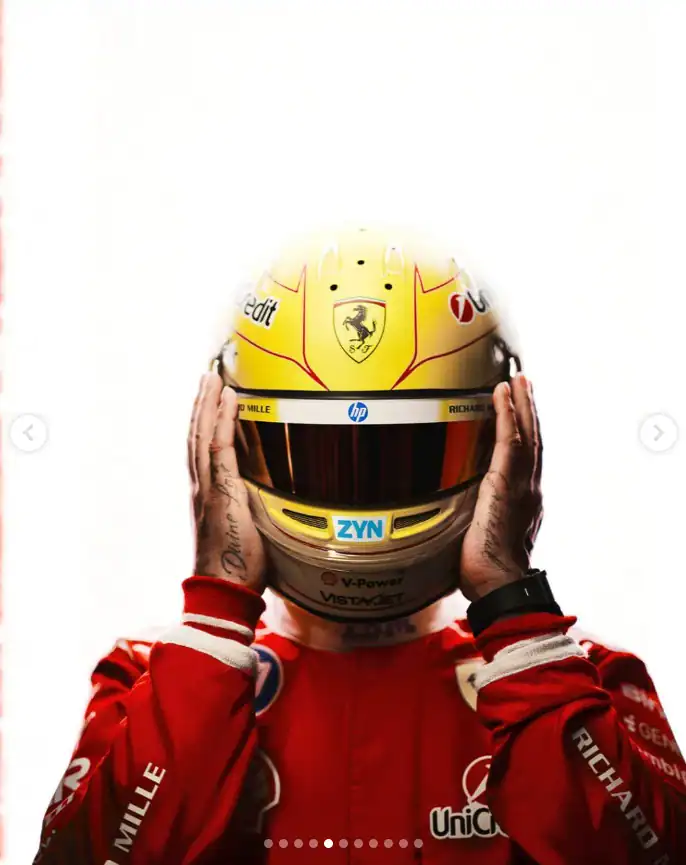
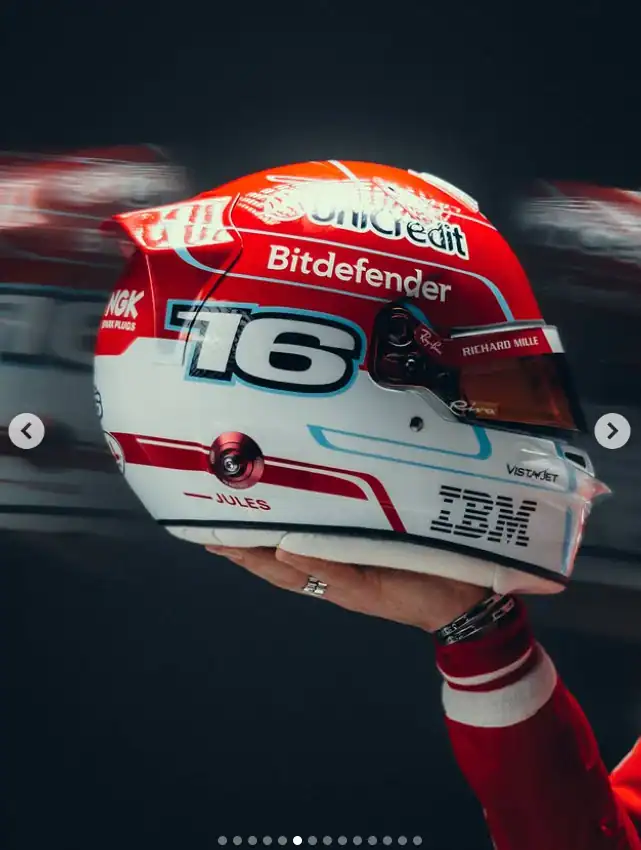
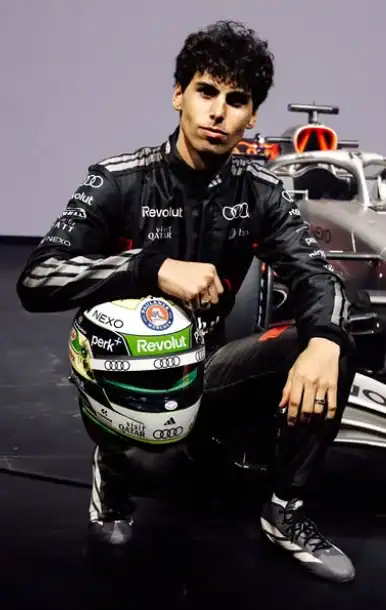
From a display and collector perspective, weekends like Ocon’s Montreal struggle carry a peculiar resonance. The most coveted full-size 1:1 replica helmets in any private collection are rarely the ones tied exclusively to victories. They are the helmets that tell stories — of championship deciders, of debut wins, of heartbreaking retirements, and yes, of weekends where everything went wrong and a driver fought through it regardless.
Why Difficult Weekends Matter to Collectors
A Montreal-spec display helmet from a season in which the driver battled mid-pack runs, update package transitions, and mechanical setbacks becomes a document of resilience. It captures a specific moment in a career, frozen in lacquer and carbon-effect finish, ready to anchor a shelf or glass cabinet for decades to come. For serious collectors of exhibition-quality F1 memorabilia, these are the pieces that spark conversation — the ones with backstories that go beyond podium glamour.
The Circuit Gilles Villeneuve itself, with its waterside setting and its history of dramatic races stretching back to Gilles Villeneuve’s own pioneering days, lends additional cachet to any helmet associated with the venue. Montreal weekends, even difficult ones, occupy a privileged place in the sport’s collective memory.
The Bigger Picture: Mid-Season Development Wars
Ocon’s experience in Montreal is a microcosm of a much larger story playing out across the Formula 1 grid. Mid-season update packages have become the central battleground of modern Grand Prix racing. With cost cap restrictions limiting how much each team can spend, and with wind tunnel time strictly rationed by the FIA’s sliding scale, every aerodynamic upgrade has to deliver. A package that disrupts driver confidence or fails to correlate with simulation data is more than a missed opportunity — it is a setback that can cost millions of euros in development resource.
The Driver’s Burden
And the driver, ultimately, carries the burden of making it work. Ocon’s frustration in Montreal reflected not just one bad weekend but the cumulative weight of trying to extract performance from a constantly evolving machine. His honesty in the post-race interview — admitting that he locked the front tyre on essentially every lap — was the mark of a professional refusing to hide behind euphemism. That kind of transparency is increasingly rare in the modern paddock, and it is part of what makes Ocon a driver worth following for collectors and fans alike.
Looking Ahead
The Montreal weekend is now in the rear-view mirror, but the lessons will follow Ocon and his engineering team to the next round. Whether the update package proves to be a stepping stone toward improved performance or a costly diversion will only become clear over the coming races. For now, P14 stands as a marker — a reminder that in Formula 1, the gap between progress and regression can be measured in tenths of a second and a single locked front tyre.
Building a Display Around the Season’s Story
For collectors assembling a display that captures the full arc of a Formula 1 season, the temptation is always to focus on the highlight reel — the wins, the poles, the championship moments. But the most evocative private collections tell a more complete story. They include the helmets from the difficult weekends, the development battles, the races where a driver fought a recalcitrant car to the chequered flag and spoke honestly about it afterwards.
A full-size 1:1 replica of Ocon’s Montreal-era helmet, displayed as a collector item alongside helmets from his stronger weekends, becomes part of a richer narrative. It speaks to the reality of life in a Formula 1 cockpit — that for every podium spray of champagne, there are weekends spent wrestling with understeer, lock-ups, and update packages that haven’t yet revealed their full potential. That, ultimately, is the story worth preserving on a display shelf.
“It was definitely hard work. We had a problem with the car, definitely, in this race. I think there was not one lap where I managed to not lock basically the front tyre.”
— Esteban Ocon, post-race
“I think Turn 10 was definitely the big one, but I went off, I think, twice in Turn 8 as well during the race.”
— Esteban Ocon, post-race
FAQ
Q: What happened to Esteban Ocon at the Canadian Grand Prix?
Ocon endured a difficult weekend in Montreal, switching to a new update package ahead of main qualifying and struggling with persistent front-tyre lock-ups throughout the race. He finished a frustrated P14, well outside the points-paying positions.
Q: Why was switching to the update package so difficult?
Introducing new aerodynamic components at qualifying rather than during free practice meant Ocon had no opportunity to learn the updated car’s balance characteristics under low-pressure conditions. He had to diagnose its behaviour while simultaneously extracting maximum performance in the most demanding session of the weekend.
Q: Which corners gave Ocon the most trouble in Montreal?
Ocon specifically identified Turn 10 as his biggest recurring problem, where he locked the front tyre repeatedly. He also went off track twice at Turn 8 during the race itself, compounding his struggle to maintain a clean rhythm.
Q: Do difficult race weekends affect the collector value of display helmets?
Difficult weekends often add narrative depth to collector items. A full-size 1:1 display replica tied to a memorable struggle — rather than only to victories — can become a more compelling conversation piece, anchoring a collection with authentic storytelling alongside trophy-weekend pieces.
Q: What makes Montreal-spec helmets appealing to F1 display collectors?
The Circuit Gilles Villeneuve carries decades of Formula 1 history, from Gilles Villeneuve himself through to modern championship moments. Display helmets associated with Montreal weekends — whether triumphant or turbulent — tap into that heritage, making them sought-after exhibition-quality pieces for serious collectors.
Explore exhibition-quality full-size 1:1 collector replicas inspired by the drivers and circuits shaping the season’s story. Browse F1 Helmet Collection at /shop/ and build a display that captures the full narrative of modern Formula 1.
Display and collector replicas only. Not certified for protective use. Full-size 1:1 scale.