
Blog
Racing Bulls Unveil Vibrant Yellow Livery for Miami GP: A Bold Visual Statement
 123Helmets Editorial Team
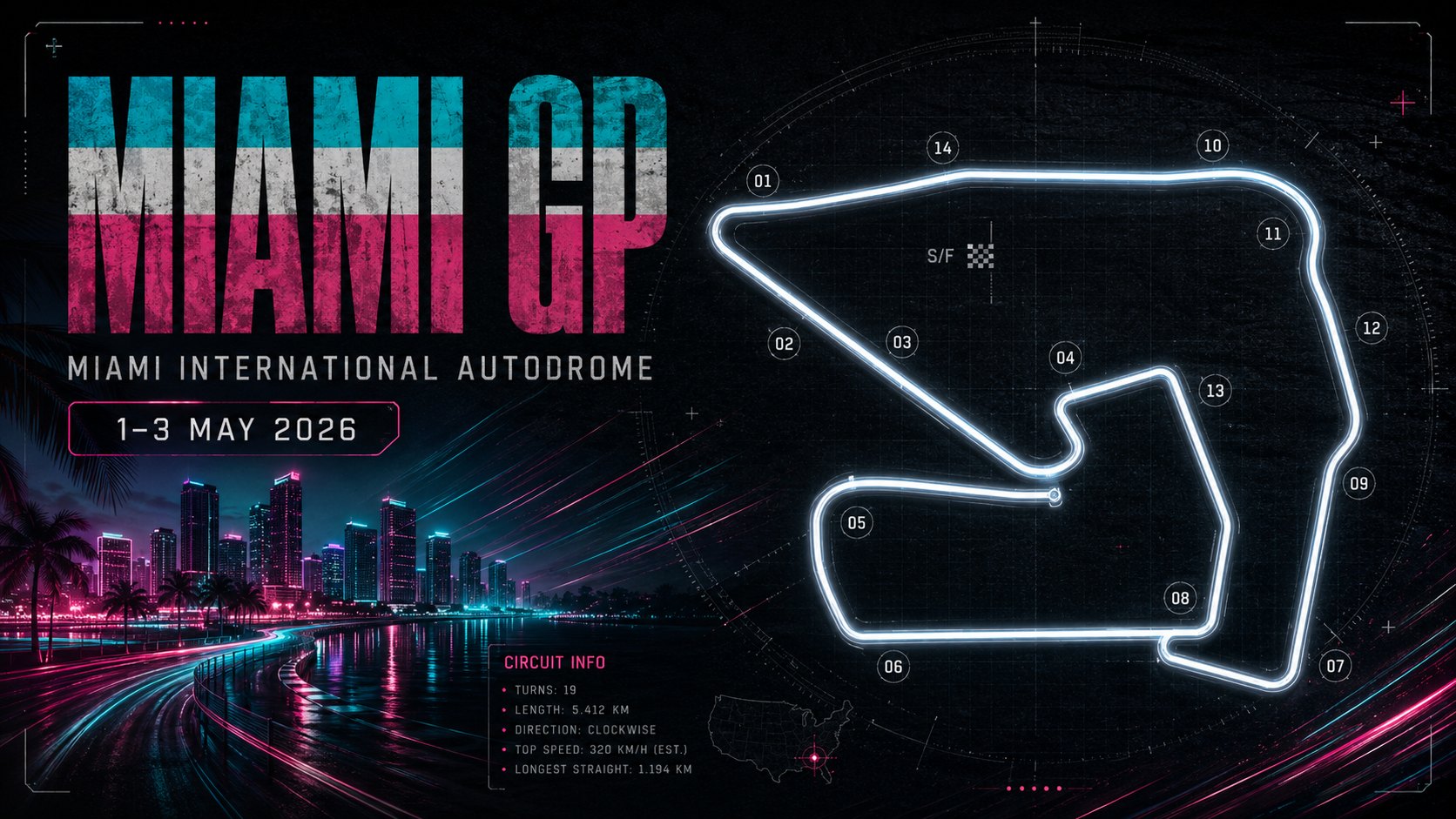
Racing Bulls Unveil Vibrant Yellow Livery for Miami GP: A Bold Visual Statement
Racing Bulls have transformed their visual identity for the Miami Grand Prix, swapping their familiar dark base for a striking yellow-forward livery that lights up the Hard Rock Stadium paddock. The Faenza-based squad joins a growing tradition of one-off Miami specials, and for collectors, this fresh aesthetic translates directly into an unmistakable display piece destined for shelves and showcases worldwide.
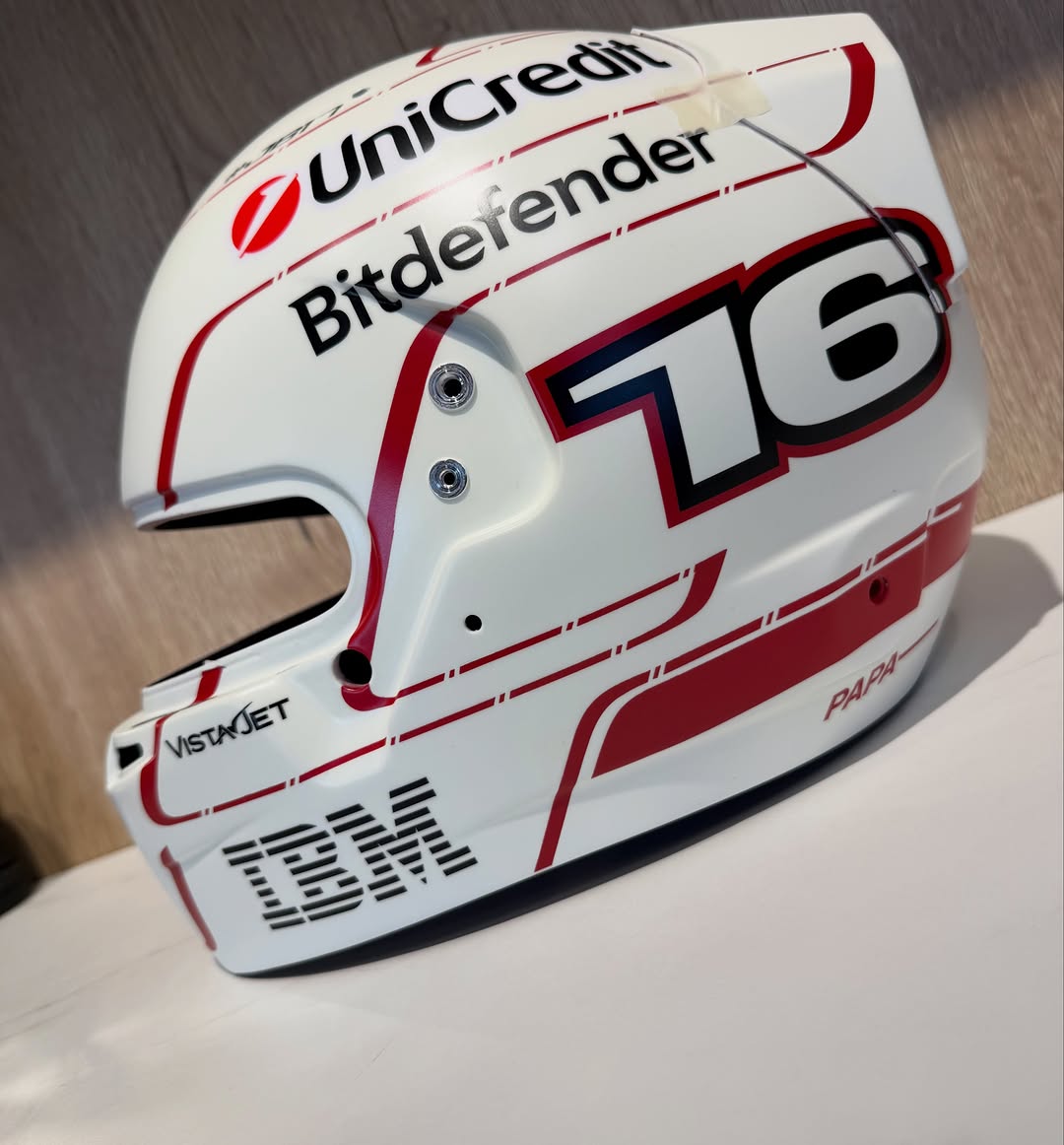
Key Takeaways
Racing Bulls revealed a bright yellow Miami GP livery, marking one of the boldest visual shifts on the 2025 grid.
The new color scheme reshapes team branding, sponsor placement, and creates a distinct one-off identity.
For collectors, Miami specials historically command higher long-term display value due to their limited visual run.
Full-size 1:1 replica display helmets in this Miami spec are positioned to become standout exhibition pieces.
A Yellow Revolution in the Miami Paddock
When Racing Bulls rolled their cars out for the first promotional shoot ahead of the Miami Grand Prix, the paddock reaction was immediate. Gone was the dominant deep blue base that has anchored the team’s identity through the early stages of the season. In its place: a vivid, saturated yellow that catches the Florida sunlight and refuses to share the frame with anything around it.
This is not a subtle accent change or a minor sponsor refresh. Racing Bulls have committed fully to the visual concept, with yellow taking over large surface areas of the bodywork, the engine cover, and — crucially for collectors — the helmet-adjacent presentation materials that surround the team’s drivers throughout the Miami weekend. The result is a livery that reads as instantly distinct from anything else on the grid.
Why Miami, Why Yellow?
Miami has rapidly cemented itself as the spiritual home of the one-off livery. Since the race entered the Formula 1 calendar, teams have used the event as a creative laboratory: a place where commercial partners, lifestyle brands, and design studios can push visual ideas that wouldn’t necessarily fit a season-long identity. Yellow, as a color choice, plays directly into Miami’s sun-soaked, neon-saturated visual culture. It photographs brilliantly under the Florida sky, pops against the Hard Rock Stadium tarmac, and dominates social media feeds — exactly the kind of attention modern teams are chasing.
For Racing Bulls, the choice also represents a clean separation from the wider Red Bull family aesthetic. Where the senior team continues with its established blue, red, and yellow combination, Racing Bulls have used the Miami platform to assert their own visual independence with a bolder, more youthful tone.
Decoding the Visual Changes
A closer look at the Miami specification reveals that this is more than a single-color paint job. The design team at Faenza has rebalanced the entire visual hierarchy of the car, and by extension, the team’s broader brand presentation across the Miami weekend.
Color Distribution and Surface Treatment
The yellow base now occupies the majority of the upper bodywork, flowing from the nose cone through the chassis flanks and onto the engine cover. Darker accents — retained in muted, almost graphite tones — frame the sidepods and floor edges, providing visual grounding that prevents the yellow from feeling weightless. The contrast is deliberate: it gives the eye somewhere to rest while letting the yellow do the heavy lifting in terms of attention capture.
Sponsor Logo Integration
One of the most technically interesting aspects of any livery refresh is how commercial partners are reintegrated into the new color framework. Sponsor logos that were originally designed against a dark background often need adjusted contouring, white outlines, or panel treatments to remain legible on a bright yellow surface. The Racing Bulls design team appears to have negotiated this carefully, with major partners receiving custom contrast treatments rather than simply being dropped onto the new base.
The Halo and Cockpit Surround
The halo and cockpit surround remain in a darker tone, anchoring the driver compartment visually and creating a strong frame around the helmet — a detail that matters enormously for photography and, by extension, for the way collectors will eventually associate this Miami weekend with specific helmet imagery.
Team Branding and Commercial Signaling
Liveries are never purely aesthetic decisions. Every color choice, every sponsor placement, every typography tweak carries commercial weight. Racing Bulls’ Miami yellow tells a story that goes beyond a single race weekend.
Repositioning in the Grid Hierarchy
By taking such a visually aggressive step, Racing Bulls signal that they want to be seen — not just on track, but in the broader Formula 1 conversation. Bold liveries generate disproportionate media coverage, social engagement, and merchandise interest. For a team operating in the competitive midfield, visual differentiation is a tangible commercial asset.
Lifestyle and Fashion Crossover
Yellow has strong lifestyle and streetwear connotations, and Miami is a city where Formula 1 increasingly intersects with fashion, music, and culture. The livery choice positions Racing Bulls to capitalize on this crossover, opening doors to collaborations and merchandise drops that would feel strained against a more conservative color palette.
Driver Presentation
Drivers wearing race suits and team gear coordinated to the new livery become walking brand ambassadors for the Miami spec throughout the weekend. The yellow framing extends to garage signage, pit wall presentation, and hospitality areas — creating a unified visual environment that photographers and broadcasters can’t avoid.
Collector Implications: Why Miami Specials Matter
For the collector community, one-off liveries occupy a special category. They are, by definition, limited in visual production: the cars wear these colors for one weekend, the photographs and broadcast footage that document them are finite, and the associated merchandise — including full-size 1:1 replica display helmets — exists in a tighter aesthetic window than season-long designs.
The Display Value of One-Off Designs
A standard season livery is seen across twenty-plus race weekends. A Miami special is seen once. That scarcity, combined with the strong visual identity of the design itself, makes Miami-spec collector items particularly desirable for serious display collections. When arranged alongside a driver’s standard-season replica helmet, the Miami variant provides a striking visual counterpoint — a chronological marker that tells a richer story about the season.
Exhibition Quality Considerations
Full-size 1:1 collector helmets built to replicate the Miami aesthetic become exhibition pieces in the truest sense. The yellow base, when reproduced faithfully on a display-grade shell, photographs beautifully under gallery lighting and commands attention in any showcase environment. For collectors who curate their displays around visual themes rather than purely chronological sequences, a Miami yellow piece serves as an anchor item that other helmets can be arranged around.
Long-Term Collection Strategy
Experienced collectors increasingly approach their displays with a curatorial mindset. One-off liveries from high-profile races like Miami, Las Vegas, and Singapore have historically held their visual relevance better than mid-season standard designs because they are tied to specific, memorable narrative moments. A Racing Bulls yellow Miami replica, displayed correctly, represents not just a team and a driver but a precise cultural moment in Formula 1’s American expansion.
Comparing Racing Bulls’ Miami Approach to Grid Rivals
Racing Bulls are not alone in treating Miami as a creative platform, but their approach stands apart in its commitment. Where some teams add subtle accent changes or commemorative graphics, the Faenza outfit has effectively rebuilt their visual identity for the weekend.
Boldness Versus Restraint
Other teams on the grid have historically taken more conservative approaches to Miami specials — adding pink trim, applying weekend-specific decals, or partnering with a single brand for a co-branded panel treatment. Racing Bulls’ full yellow commitment sits at the more ambitious end of this spectrum, closer to the philosophy that produced the most-discussed one-off liveries of recent seasons.
Photographic Identity
From a media perspective, the yellow Racing Bulls car will dominate Miami coverage in a way that subtler designs cannot. Track photographers, broadcast directors, and social media editors gravitate toward the most visually distinct cars on the grid. This translates directly into image volume — and image volume, in turn, feeds collector interest in the corresponding display merchandise.
The Replica Market Response
Whenever a high-impact livery debuts, the replica and display collector market responds with renewed interest in the team’s broader catalog. Even collectors who weren’t previously focused on Racing Bulls may find themselves drawn to the Miami yellow aesthetic, expanding the addressable audience for the team’s display merchandise across the season.
What This Reveal Means for the Rest of 2025
The Miami livery is, by design, a one-weekend statement. Racing Bulls will return to their season livery for subsequent rounds. But the impact of the Miami reveal will extend well beyond the Florida weekend itself.
Brand Momentum
A bold Miami showing builds brand momentum that carries into the European leg of the season. Sponsor activation around the yellow livery generates content, merchandise, and conversation that keeps Racing Bulls in the cultural conversation even after the cars revert to their standard appearance.
Future Livery Hints
Miami specials often serve as testbeds for design ideas that might inform future season liveries. The team’s design department learns what works, what photographs well, and what resonates with fans — lessons that can shape the visual direction of subsequent seasons.
Collector Anticipation
Finally, the Miami reveal sets a precedent. Collectors now know that Racing Bulls are willing to commit fully to one-off visual concepts, which creates anticipation for future special liveries — Las Vegas, anniversary races, and other landmark weekends become potential platforms for similarly ambitious design statements, each one a potential addition to a serious display collection.
“A Miami livery isn’t just paint — it’s a curatorial moment. Bold one-off designs become the anchor pieces around which serious display collections are built.”
— 123Helmets Editorial
FAQ
Q: Is the yellow Racing Bulls livery permanent for the rest of 2025?
No. The yellow livery is a one-off design specifically for the Miami Grand Prix weekend. Racing Bulls will return to their standard season livery for subsequent rounds, which is precisely what gives the Miami spec its collector appeal.
Q: Why are Miami one-off liveries so popular with collectors?
Miami specials are seen on track for only one weekend, making them visually scarce compared to season-long designs. This scarcity, combined with bold creative direction and strong photographic presence, makes corresponding full-size 1:1 replica display helmets especially desirable as exhibition pieces.
Q: How does a livery change affect helmet design?
While driver helmets are typically designed independently of car liveries, special weekends often see coordinated visual elements — accent colors, sponsor placements, or themed graphics — that align helmet aesthetics with the one-off car design, creating a unified visual story for collectors.
Q: What makes a one-off livery a good display collection addition?
One-off liveries provide visual contrast within a collection, mark specific cultural moments in a season, and tend to retain their distinctiveness over time. A Miami yellow piece serves as an anchor item that adds narrative depth to any curated display.
Q: Are 1:1 replica helmets in Miami spec full-size collector items?
Yes. Full-size 1:1 collector replicas are built to exhibition quality as display pieces only. They are designed to showcase the visual artistry of helmet and livery design, and are not intended for any protective or wearable use.
Browse F1 Helmet Collection
Display and collector replicas only. Not certified for protective use. Full-size 1:1 scale.
This article was written with the help of AI tools. Editorial policy