Blog
Russell Eyes Montreal Rebound: A Familiar Hunting Ground for the Mercedes Star
 123Helmets Editorial Team
Russell Eyes Montreal Rebound: A Familiar Hunting Ground for the Mercedes Star
After a turbulent opening to the 2026 season, George Russell heads to Montreal — a circuit where his recent record reads like a love letter to the Mercedes garage. Victory in 2025, a podium in 2024, and now a chance to reset the narrative on a weekend that could redefine his year.
Key Takeaways
Russell described his 2026 opening as ‘turbulent’ and views Montreal as a momentum reset.
The Mercedes driver won the 2025 Canadian GP and finished on the podium in 2024.
Circuit Gilles Villeneuve’s low-grip, stop-start nature historically suits Mercedes’ aerodynamic package.
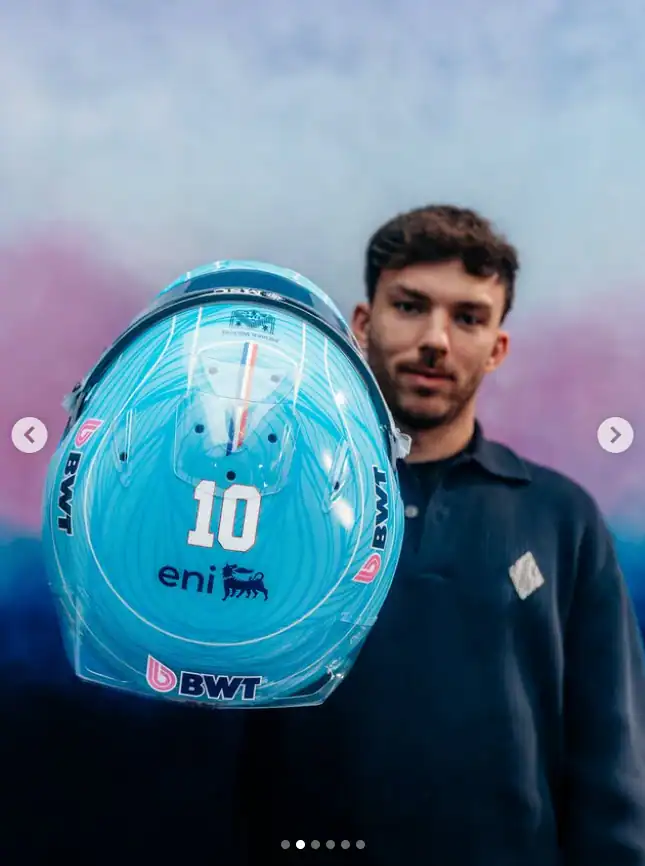
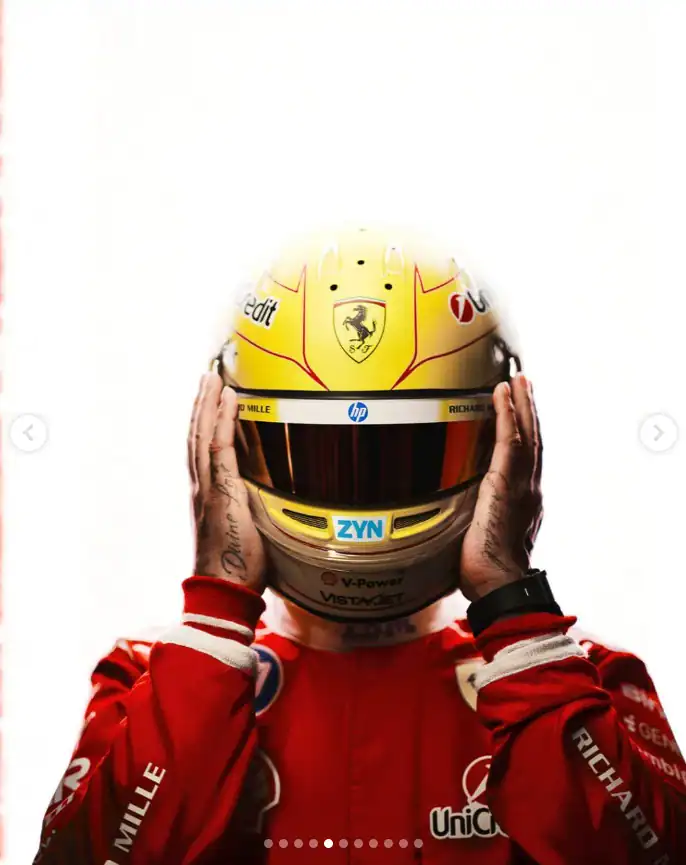
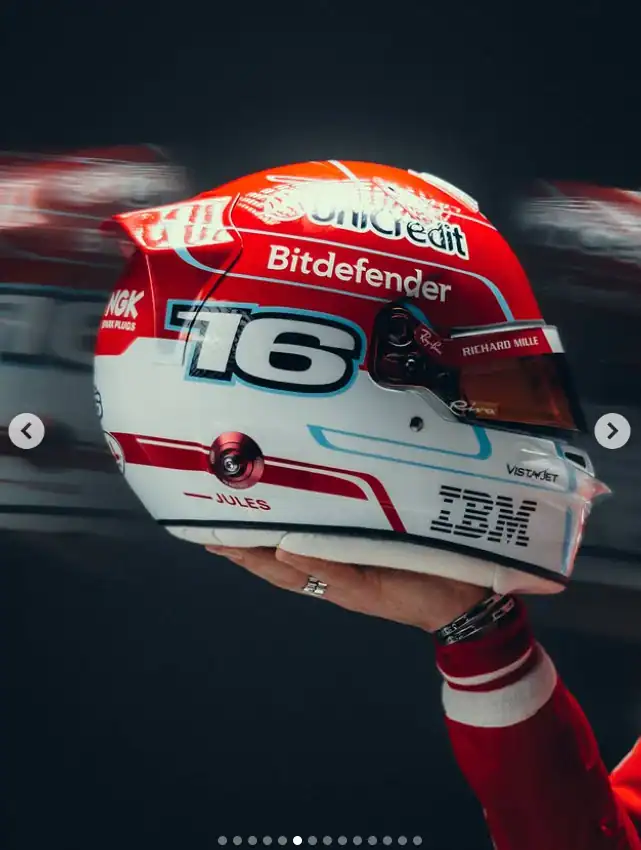
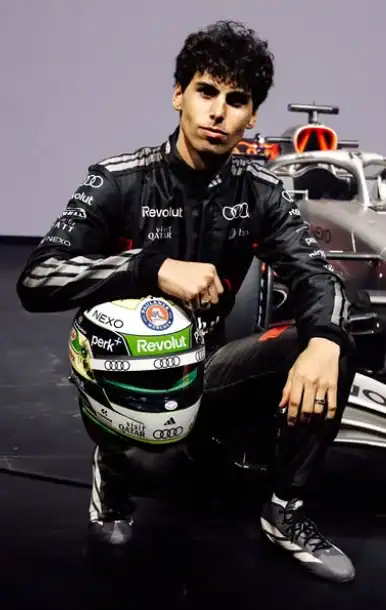
Canadian GP weekends consistently produce iconic helmet liveries — prime targets for full-size 1:1 collectors.
A Turbulent Start Meets a Familiar Stage
George Russell did not mince his words when reflecting on the opening rounds of the 2026 Formula One season. “Turbulent” was the term he reached for, and few in the paddock would argue. A new regulatory cycle, a reshuffled grid order, and the inevitable teething pains of fresh power unit architecture have combined to make the early flyaways an exercise in damage limitation for several front-running teams — Mercedes very much among them.
Yet as the circus touches down in Montreal for the Canadian Grand Prix, the mood inside the Brackley camp visibly lifts. There is something about Circuit Gilles Villeneuve that suits Russell. Something about the rhythm of the chicanes, the long flat-out blasts punctuated by heavy braking, and the unforgiving Wall of Champions that seems to draw the best from the 28-year-old Briton.
The numbers back up the feeling. Victory in 2025 — a controlled, mature drive from pole. A podium in 2024 after a weekend of relentless pace. This is, by any reasonable measure, Russell’s hunting ground.
Why the Numbers Tell a Story
Track records in Formula One are rarely coincidence. Drivers who repeatedly excel at specific venues tend to do so because the circuit characteristics align with their natural strengths: braking stability, low-speed traction, tyre management on abrasive surfaces, or the precision required to clip apex kerbs without unsettling the car. Russell’s Montreal record ticks several of those boxes simultaneously.
Why Montreal Suits the Mercedes Package
Circuit Gilles Villeneuve is unlike any other venue on the calendar. Built on the Île Notre-Dame, a man-made island in the St. Lawrence River, the track only sees serious running once a year. That means low grip on Friday, evolving conditions through Saturday, and a race-day surface that bears little resemblance to the green concrete of opening practice.
For Mercedes, this evolution has historically been a friend rather than a foe. The W-series cars — across multiple generations — have tended to come alive as track temperatures stabilise and rubber is laid down. The 2026 car, with its active aerodynamics and revised power unit deployment strategies, theoretically benefits even further from the long straights between Turns 6 and 8, and again from the back straight into the final chicane.
The Brake Energy Question
Montreal is one of the highest brake-energy circuits of the year. Heavy stops at Turns 1, 10, and 13 punish any car that cannot dissipate heat efficiently. Mercedes engineers have spoken openly this season about progress in thermal management, and Russell himself flagged braking confidence as a personal strength when discussing the 2025 win. If the Brackley package has indeed taken a step forward in this department, Montreal will reveal it quickly.
Tyre Strategy and Safety Cars
The Canadian GP also has a reputation for safety car interventions — historically one of the highest probabilities on the calendar. That adds a strategic dimension that rewards drivers and pit walls who stay calm under shifting variables. Russell’s 2025 victory was, in part, built on exactly that composure during a mid-race virtual safety car phase.
The Helmet Story: Montreal’s Collector Significance
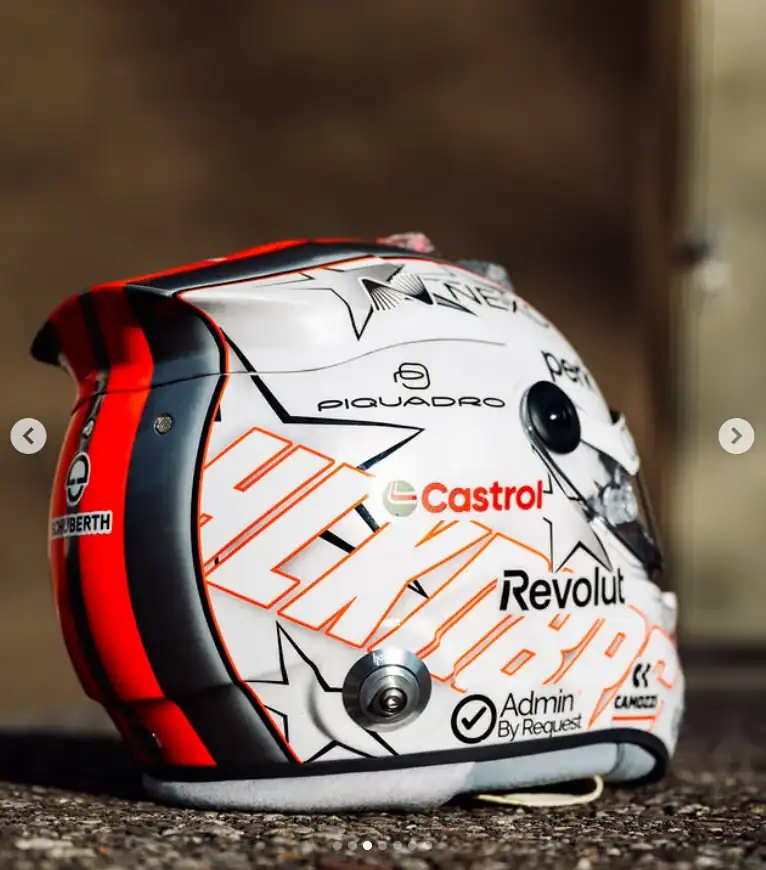
For collectors of full-size 1:1 replica helmets, the Canadian Grand Prix carries a particular weight. Montreal has long been a venue where drivers debut special liveries — tributes, sponsor collaborations, or one-off designs that never appear again. The race’s North American profile, combined with its proximity to key commercial partners, makes it an attractive shop window.
Russell’s own helmet designs have evolved into recognisable collector pieces in their own right. The clean lines, the considered colour blocking, and the personal touches that have appeared on his lid throughout his Mercedes tenure all translate beautifully to exhibition-quality display replicas. A full-size 1:1 collector item captures the geometry, the finish, and the subtle livery details that make each season’s helmet distinct from the last.
What to Watch for This Weekend
If Russell does carry a special livery into Montreal — and there is precedent for Mercedes drivers doing so at this race — expect the collector community to take immediate notice. Display pieces tied to specific race weekends, particularly those associated with strong on-track results, tend to become anchor items in serious collections. The combination of context, performance, and visual identity is what elevates a replica from decorative object to genuine exhibition centrepiece.
Build Quality That Honours the Original
The appeal of a full-size 1:1 replica lies in the fidelity. Shell proportions, visor curvature, paint depth, sponsor placement, and the finishing details around the aero elements all matter to the discerning collector. These are display pieces and collector items — not protective equipment — and their value is rooted entirely in how faithfully they reproduce the visual language of the original lid.
The Wider 2026 Picture
Russell’s Montreal weekend cannot be viewed in isolation. The 2026 championship is still in its formative phase, with teams gathering data, refining setup philosophies, and learning the limits of the new technical regulations. A strong result in Canada would do more than lift Russell’s points tally — it would send a signal that Mercedes has identified the direction of development required to close the gap to the current pacesetters.
Momentum Matters in a New Regulation Cycle
Historically, the teams that emerge strongest from the early phase of a new rules era are those that compound small gains relentlessly. Confidence within an engineering group, particularly one navigating the uncertainty of a fresh ruleset, often hinges on race-by-race validation. A podium or victory in Montreal would provide exactly that kind of validation — and Russell, as the team’s most experienced current driver, is the natural figure to deliver it.
Reading the Body Language
Paddock observers have noted a calmer, more measured Russell in recent media appearances. The frustration of the opening rounds appears to have given way to a more analytical posture — one focused on extracting maximum value from circuits he knows intimately. Montreal is the first major test of that recalibration.
What a Canadian GP Win Would Mean
A second consecutive victory at Circuit Gilles Villeneuve would do several things at once. It would back-to-back a result that has already entered Russell’s personal highlight reel. It would generate genuine championship momentum heading into the European phase of the season. And it would, perhaps most importantly, give Mercedes a concrete data point around which to build the next phase of their 2026 campaign.
For the collector community, it would also crystallise the 2026 Russell helmet design as a piece worth securing. Race wins have a way of transforming the perceived significance of a season’s livery, particularly when they arrive at venues already associated with the driver’s strongest performances. The combination of repeat success and recognisable visual identity is what creates lasting collector demand.
The Display Case Perspective
For those building themed collections — whether organised by driver, by team, or by circuit — a Russell Montreal lid carries layered narrative value. It speaks to a specific weekend, a specific result, and a specific phase of a driver’s career. Exhibition-quality full-size 1:1 replicas are designed to preserve exactly that kind of context, presenting the helmet not as an isolated object but as a chapter in a longer story.
Looking Ahead to Sunday
Whether Russell can convert favourable circuit history into another Montreal victory remains, of course, the central question of the weekend. Formula One rarely rewards assumption, and the 2026 grid has already demonstrated a willingness to deliver surprises. But the ingredients are present: a driver with proven affinity for the venue, a team with motivation to convert potential into result, and a circuit whose characteristics align with the Mercedes package.
For fans, for the team, and for collectors watching the helmet liveries that will define this season’s display pieces, the Canadian Grand Prix arrives at exactly the right moment. A turbulent start needs a turning point. Montreal, for George Russell, has every reason to be it.
“It’s been a turbulent start to the year, but Montreal is a place where I’ve always felt comfortable. The car, the circuit, the rhythm — it just clicks here.”
— George Russell, paraphrased from race-week media
FAQ
Q: Why is Montreal considered George Russell’s hunting ground?
Russell won the 2025 Canadian Grand Prix from pole and finished on the podium in 2024. His braking confidence and ability to manage evolving track conditions align particularly well with Circuit Gilles Villeneuve’s stop-start character.
Q: What makes Circuit Gilles Villeneuve unique?
Built on a man-made island in Montreal, the track only sees major running once a year. This creates a rapidly evolving grip surface, high brake energy demands, and historically one of the highest safety car probabilities on the calendar.
Q: Do drivers wear special helmet liveries at the Canadian GP?
Montreal has frequently been a venue where drivers debut one-off liveries due to its North American profile and commercial significance. Special designs from this weekend often become highly sought-after collector display pieces.
Q: What makes a full-size 1:1 replica helmet collectible?
Fidelity to the original is the key factor — shell proportions, visor geometry, paint depth, livery accuracy, and sponsor placement. These are exhibition-quality display pieces and collector items, valued entirely for their visual reproduction of the original lid.
Q: Are the helmets sold by 123Helmets.com intended for protective use?
No. All helmets are full-size 1:1 display and collector replicas only. They are designed as exhibition pieces and are not intended for any form of protective, road, track, or wearable use.
Discover full-size 1:1 collector helmets inspired by the icons of the grid — exhibition-quality display pieces built for serious enthusiasts. Browse F1 Helmet Collection at /shop/.
Display and collector replicas only. Not certified for protective use. Full-size 1:1 scale.