Blog
Verstappen’s Straight-Line Struggle: Red Bull’s Qualifying Headache Decoded
 123Helmets Editorial Team
Verstappen’s Straight-Line Struggle: Red Bull’s Qualifying Headache Decoded
Max Verstappen’s radio messages told the story before the timing screens did. The reigning world champion lit up the team channel during qualifying, visibly frustrated as his Red Bull bled momentum at the end of every straight — surrendering an estimated 50 to 60 meters to the rival front-runners. The Dutchman will line up sixth on the grid, a result that reframes the narrative around Red Bull’s once-untouchable straight-line dominance and opens a fascinating chapter for collectors tracking the visual evolution of this era.
Key Takeaways
Verstappen reported losing 50 to 60 meters on the straights compared to rival front-runners during qualifying.
The Red Bull RB driver will start sixth on the grid, a rare midfield-adjacent slot for the multiple champion.
Radio frustration centered on a clear straight-line deficit rather than cornering balance issues.
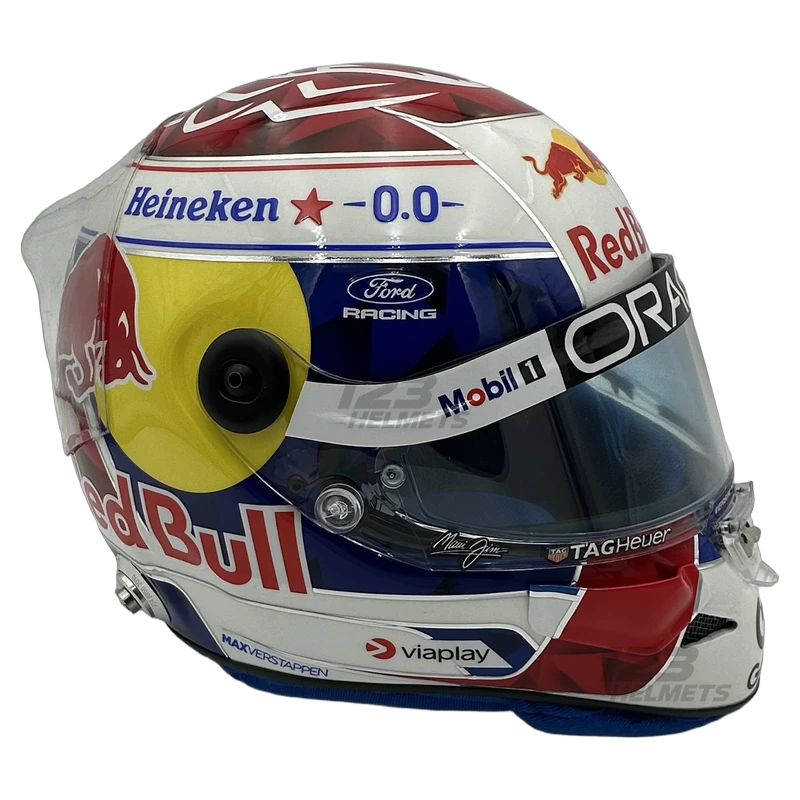
Moments like these define the historical narrative captured in full-size 1:1 collector helmet replicas.
A Radio Message That Said Everything
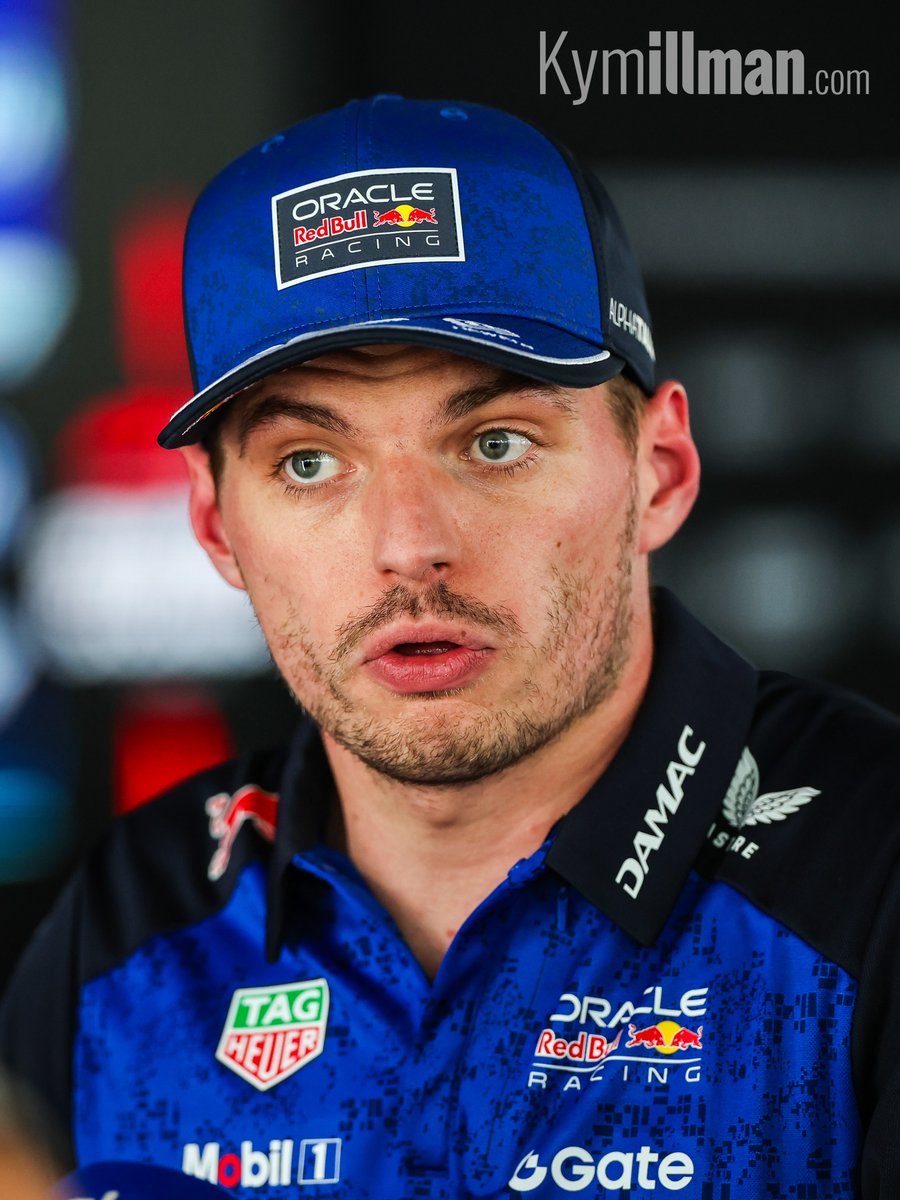
When Max Verstappen’s voice crackled across the Red Bull pit wall during qualifying, the tone alone told the story. The Dutchman, normally measured and surgical in his radio commentary, made no effort to hide his frustration. His RB simply wasn’t pulling on the straights — and against rivals who had clearly found something extra in their package, the deficit was brutal in real terms.
According to the on-board observations relayed by Kym Illman and corroborated by trackside footage, Verstappen was losing between 50 and 60 meters by the end of each major straight to the leading front-runners. In Formula 1, where pole positions are decided by thousandths of a second, that kind of gap on a single straight is the equivalent of an eternity. It explains the sixth-place grid slot and, more importantly, it explains why the body language in the Red Bull garage looked so unusually subdued.
The Anatomy of a Straight-Line Deficit
Losing time on the straights in modern F1 typically stems from one of three areas: aerodynamic drag, power unit deployment, or a setup compromise that prioritizes cornering load over top-end velocity. Verstappen’s radio chatter suggested the issue wasn’t a one-corner problem — it was systemic. The car was hitting a wall in the final third of every straight, and once that pattern emerged, no driver in the world could lap-time their way around it.
Red Bull’s Unfamiliar Position
For most of the modern Verstappen era, Red Bull’s straight-line speed has been a defining weapon. The team’s ability to combine a low-drag rear wing philosophy with strong corner exits has historically allowed Max to overtake almost at will and to defend on his own terms. Seeing the RB struggle in precisely the area where it has traditionally excelled is a genuine narrative shift — one that historians, journalists, and collectors will be reading into for seasons to come.
Why This Weekend Feels Different
Qualifying sessions where Verstappen starts outside the top three are statistically rare. When they do happen, they typically come with a specific cause: a yellow flag, a mechanical issue, a setup gamble that didn’t land. This time, the cause appears to be more fundamental — a configuration choice or aerodynamic compromise that simply didn’t deliver against the field. The pit wall will be working through telemetry deep into the night, comparing sector data and sniff-testing every variable.
The Sixth-Place Question
Starting sixth changes the entire shape of Sunday’s race for Red Bull. Strategy options open up — alternative tire compounds, undercut windows, longer first stints — but so do the risks. Track position is everything in modern F1, and recovering lost ground without DRS dominance is a tougher proposition than it used to be.
The Collector’s Perspective on Moments Like These
Every season produces images that define an era — and the visual story of an F1 campaign is written not just in victories, but in the rare days when the giants stumble. The helmet a driver wears during a frustrating qualifying lap becomes part of the historical record. Years later, when fans look back at a season’s arc, those visuals carry weight precisely because they capture vulnerability alongside dominance.
This is exactly why the market for full-size 1:1 replica helmets continues to grow. Collectors aren’t just chasing championship moments; they’re curating the complete narrative — the breakthrough wins, the controversial decisions, the qualifying battles that reshape title fights. A display-grade replica anchors a personal collection in a specific chapter of the sport’s evolving story.
The Visual Language of an F1 Season
The helmet remains the single most personal piece of visual identity a driver carries. Liveries change, sponsors shift, regulations rewrite the cars themselves — but the helmet design speaks directly to who the driver is and what era they belong to. For collectors building a curated wall, the choice of which seasons to represent often follows storylines exactly like this one: moments of strain that reveal the true competitive landscape.
What the Telemetry Will Reveal
Engineers on both sides of the Red Bull garage will be focused on a very specific question this evening: was the straight-line deficit caused by an aerodynamic configuration choice, or by something more difficult to address — a fundamental characteristic of how the current package interacts with this circuit’s demands?
Three Likely Culprits
First, rear wing selection. If Red Bull went heavier on downforce to extract more from the technical sectors, the price would be paid exactly where Verstappen described — at the end of the straights. Second, power unit deployment. The energy recovery and deployment maps are heavily customized per circuit, and any miscalibration can leave a driver short on top-end punch. Third, ride height and floor performance. Modern ground-effect cars are exquisitely sensitive to ride height, and any compromise there can cascade into drag penalties on the straights.
Sunday’s Recovery Job
Whatever the diagnosis, Verstappen now faces a recovery drive from sixth — a position he has converted into podiums and even wins in the past. The race pace of the Red Bull has historically been stronger than its single-lap form, particularly when tire management enters the equation. Expect a long opening stint, an aggressive strategic call somewhere in the middle of the race, and a driver doing everything he can to drag the car back into contention.
Building a Display Collection Around Storyline Moments
For serious F1 collectors, the difference between an ordinary display and a museum-quality presentation comes down to storytelling. A wall lined with full-size 1:1 replica helmets becomes far more powerful when each piece is anchored to a specific narrative — a championship-clinching weekend, a controversial qualifying, a comeback drive that defined a career.
Why 1:1 Scale Matters for Display
A full-size replica is the only format that conveys the actual visual presence a driver has when standing in parc fermé. Smaller scales serve their purpose as desk accents, but the 1:1 collector helmet is what transforms a fan’s space into a genuine exhibition environment. The exhibition-quality finish, the accuracy of the paint scheme, the proportions of the visor and aero details — these are what separate a serious display piece from a generic souvenir.
Curating Around Inflection Points
Weekends like this one — where the established hierarchy is briefly disrupted — are exactly the kind of inflection points that long-term collectors track. Whether Sunday delivers a stunning recovery drive or confirms a deeper Red Bull issue, the visual identity of this season is being written in real time. The helmets worn during these moments will, in a few years, be among the most sought-after additions to any curated F1 display.
Looking Ahead to Race Day
Sunday will deliver answers that qualifying could only hint at. If the Red Bull’s race pace is closer to its true form than its single-lap pace suggested, a recovery to the podium is well within reach. If the straight-line deficit persists into the race, Verstappen will need every ounce of his renowned tire management and racecraft to limit the damage to his championship campaign.
The Bigger Championship Picture
One sixth-place start doesn’t define a season, but it does shift momentum. Rivals will sense an opportunity, and the psychological dimension of any championship battle can swing on weekends like this one. For fans, for media, and for collectors documenting the season’s visual story, this is one of those weekends that will be referenced again and again.
“Losing 50 to 60 meters on the straights against the other front-runners is the kind of deficit that rewrites a qualifying session before the final sector is even complete.”
— 123Helmets Editorial
FAQ
Q: Why did Max Verstappen lose so much time on the straights in qualifying?
According to radio messages and trackside observations, Verstappen reported losing 50 to 60 meters on the straights to rival front-runners. The cause is likely a combination of aerodynamic configuration, rear wing selection, and power unit deployment mapping that didn’t deliver top-end speed.
Q: Where will Verstappen start the race?
Verstappen qualified sixth and will start the race from the third row of the grid — a rare position for the multiple world champion and one that opens up alternative strategic options for Sunday.
Q: Is this a sign that Red Bull’s dominance is over?
One qualifying session doesn’t define a season. Red Bull has historically had stronger race pace than single-lap pace, and engineers will work overnight to address the straight-line deficit. Sunday’s race will reveal whether this is a circuit-specific compromise or a deeper issue.
Q: Why do collectors care about moments like this?
Inflection points — weekends where the established order is disrupted — become part of the visual narrative of a season. Full-size 1:1 collector helmets representing these moments carry strong storytelling value within a curated F1 display.
Q: Are the helmets at 123Helmets full-size replicas?
Yes. All helmets are full-size 1:1 collector replicas intended exclusively for display and exhibition purposes. They are not designed or certified for any protective or wearable use.
Explore the visual story of this F1 season with exhibition-quality full-size 1:1 collector helmet replicas. Browse F1 Helmet Collection at /shop/ and anchor your display in the moments that define the sport.
Display and collector replicas only. Not certified for protective use. Full-size 1:1 scale.