
Blog
Wolff: Mercedes Faced Catch-Up Battle at Hungarian GP
 123Helmets Editorial Team
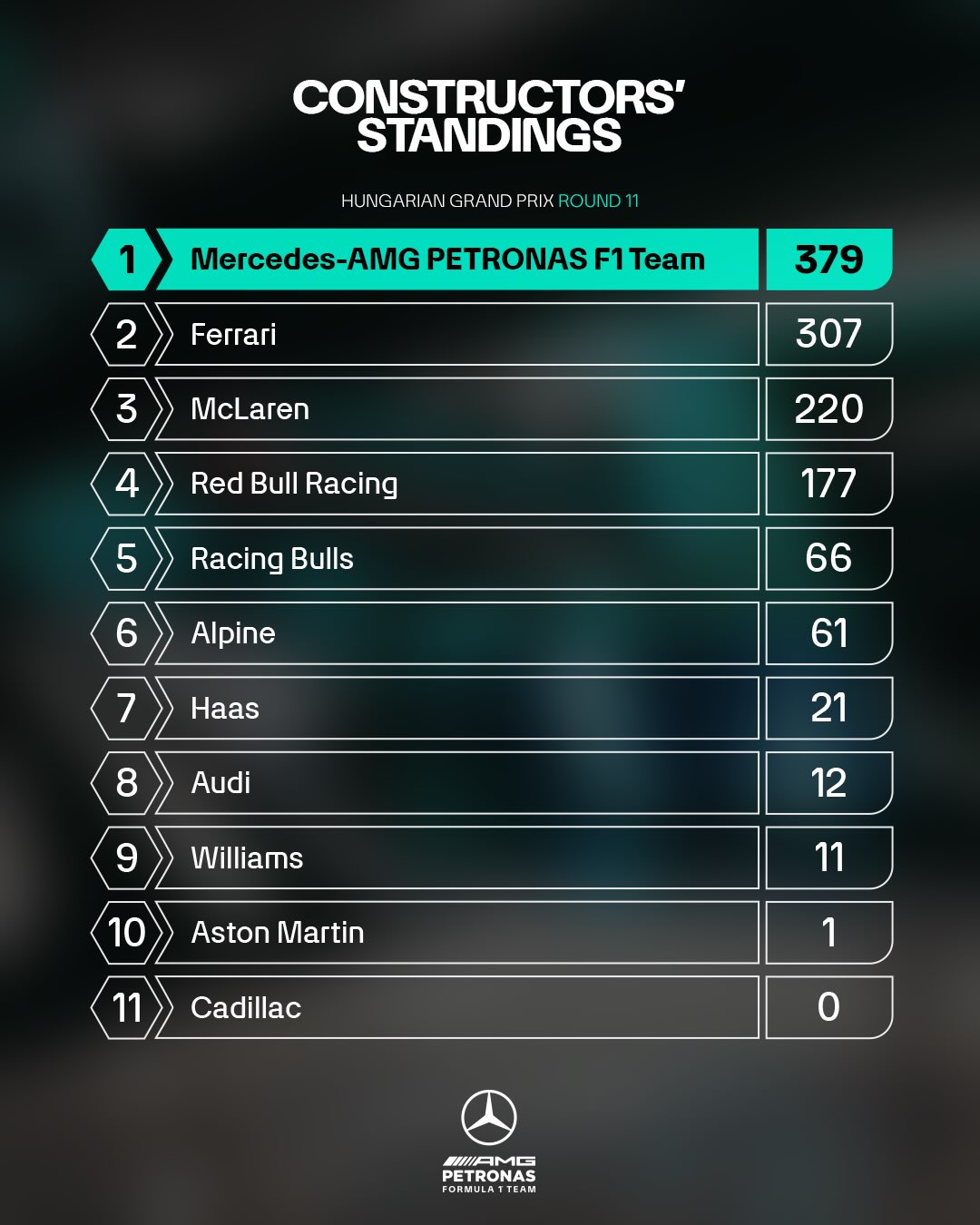
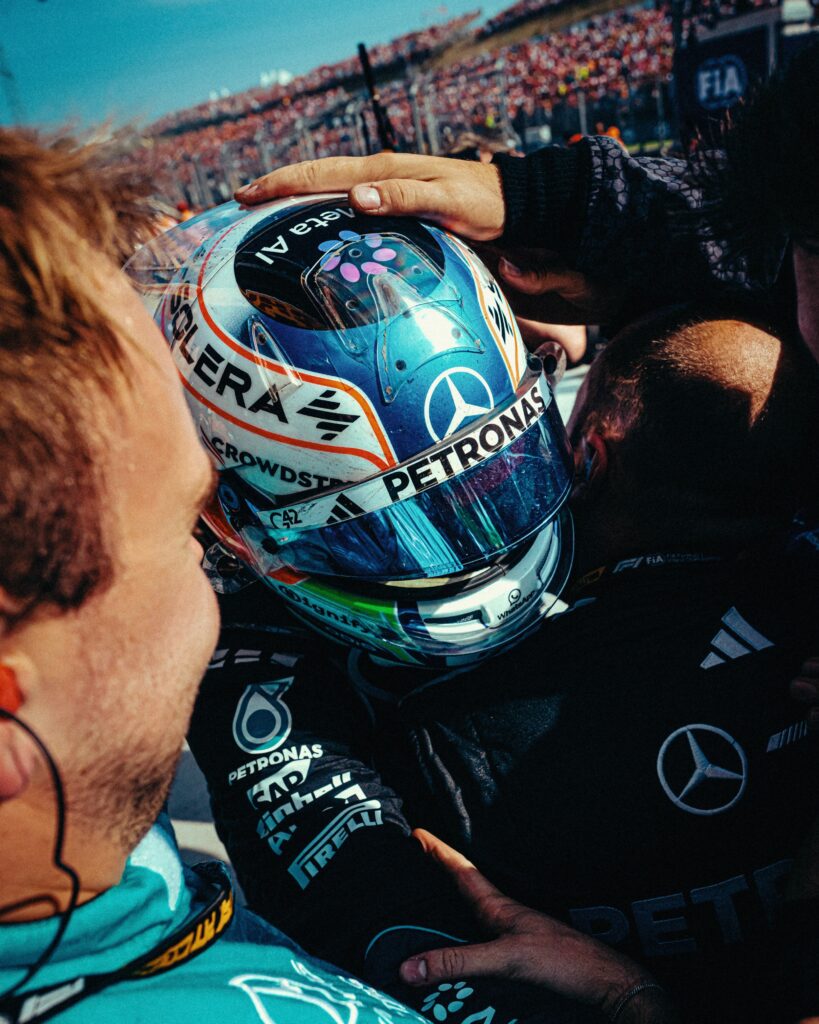
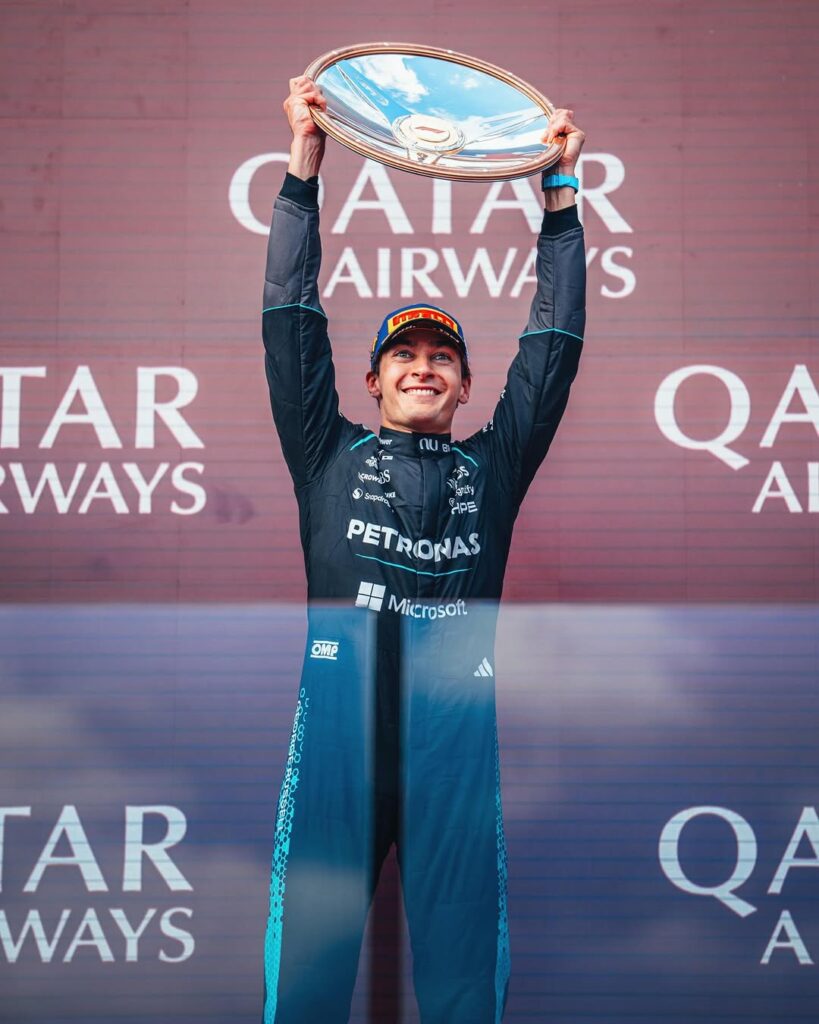
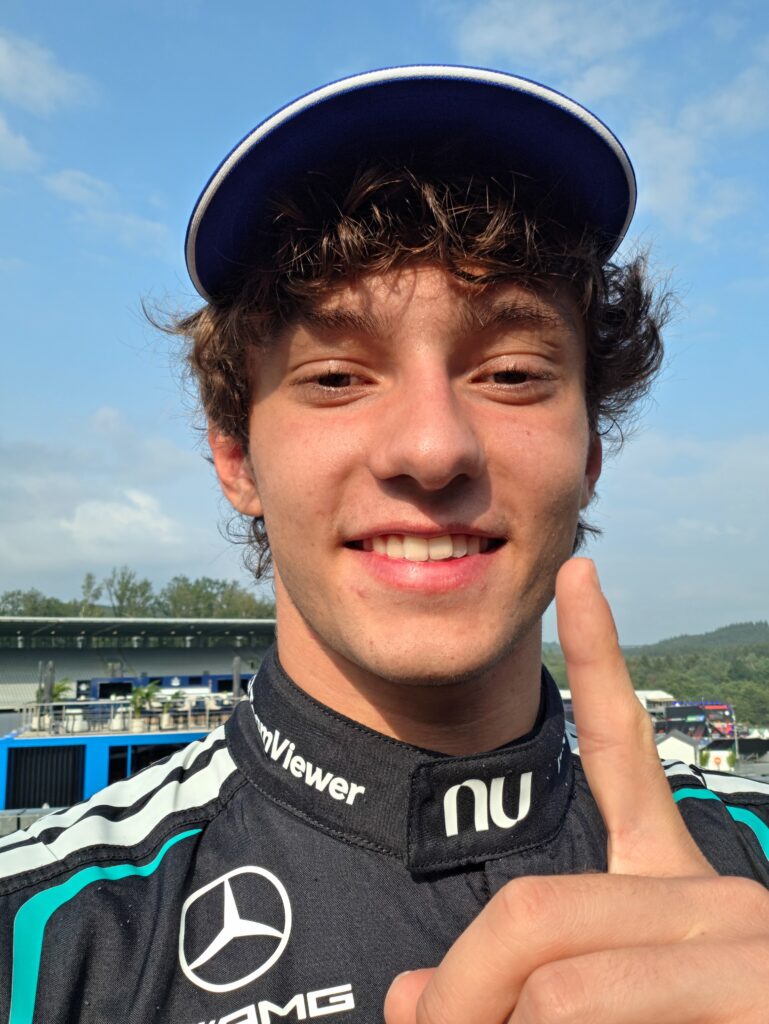
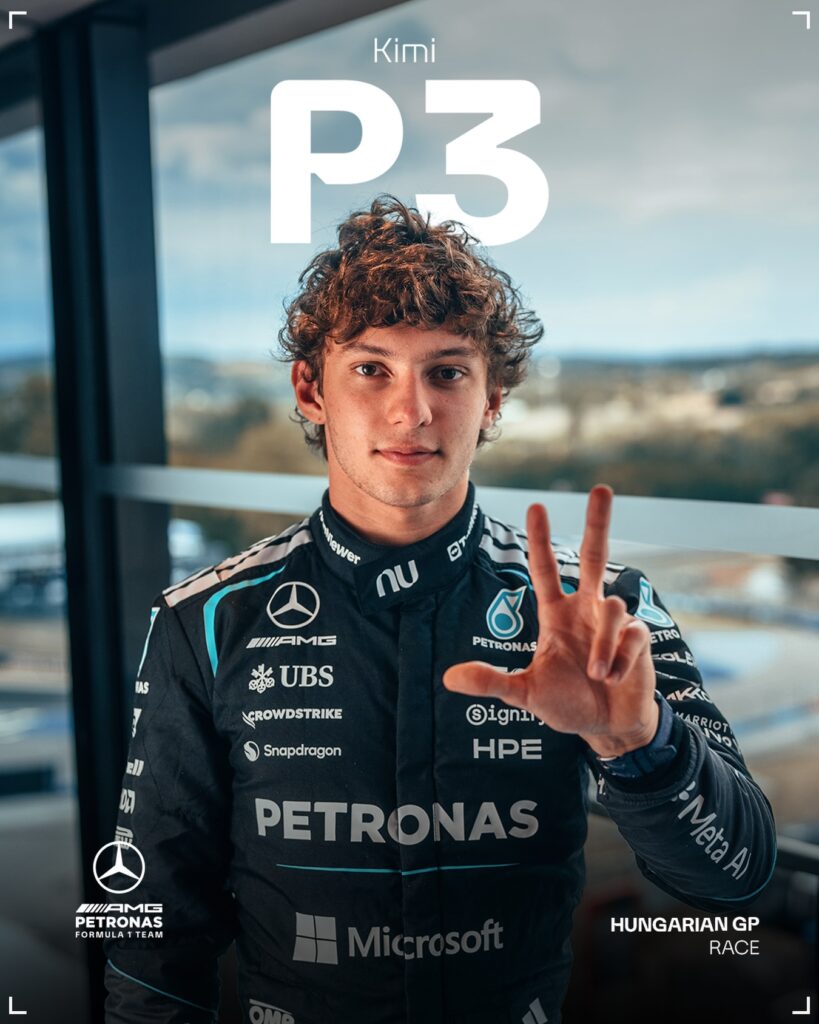
Toto Wolff said Mercedes spent the entire Hungarian Grand Prix weekend chasing lost ground, even as Kimi Antonelli’s podium finish stretched his lead at the top of the Formula 1 Drivers’ Championship.
Key Takeaways
Toto Wolff said Mercedes was in a ‘catch-up game’ from the start of the Hungarian Grand Prix weekend.
Kimi Antonelli still finished on the podium at the Hungaroring, extending his championship lead.
The Hungaroring circuit runs 70 laps across a 4.381 km lap for a 306.63 km race distance.
Wolff’s comments point to underlying pace and setup issues Mercedes must address before the next round.
What Wolff Said After the Hungarian Grand Prix
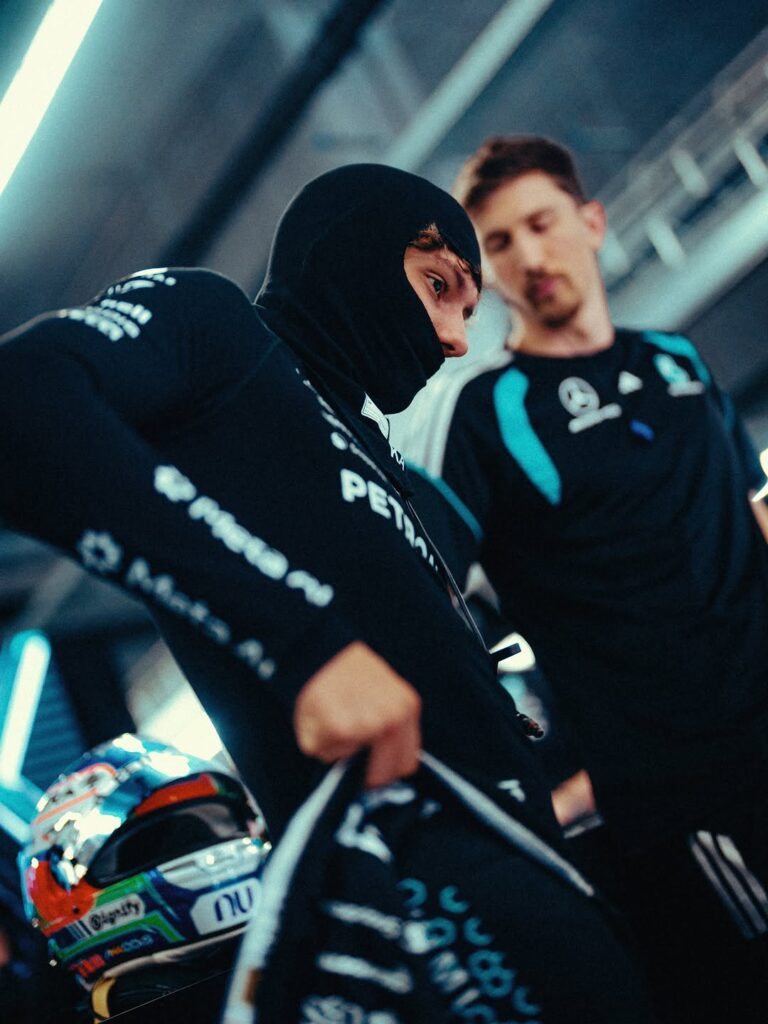
Toto Wolff said it was always a catch-up game for Mercedes over the Hungarian Grand Prix weekend, framing the result as a fight against a deficit rather than a weekend built on strength. The Mercedes team principal made the comment after the chequered flag at the Hungaroring, pointing to a weekend compromised from the start: Antonelli missed FP1, when Fred Vesti drove his car, and the set-ups were ‘not 100% right’.
Wolff’s phrasing was notable given the outcome on paper looked solid: Kimi Antonelli crossed the line on the podium, a result that on the surface reads as a strong weekend for the Silver Arrows. But Wolff’s underlying message was that Mercedes should have done better: he said the VSC cost Antonelli a possible P2 and that a fault-free weekend could have meant a fight for victory.
Wolff’s willingness to say so publicly signals that Mercedes’ engineers see specific areas of the car and the weekend approach that need correcting before the paddock moves to the next round of the 2026 season.
Antonelli’s Podium Amid a Difficult Weekend
Kimi Antonelli’s podium finish at the Hungarian Grand Prix extended his lead at the top of the Formula 1 Drivers’ Championship, even as his team principal described the weekend as an uphill battle. That combination — a strong result layered over an admittedly compromised weekend — is exactly the kind of outcome that stands out on a driver’s championship résumé, since points earned on a tough weekend often carry more long-term value than points banked on an easy one.
The Hungaroring is one of the more physically demanding circuits on the calendar for a driver managing a car that is not delivering peak pace, given its tight, technical layout of 4.381 km per lap and its 70-lap race distance covering 306.63 km. Extracting a podium from that combination points to a driver making the most of what the car offered rather than simply capitalizing on machinery advantage.
For Kimi Antonelli, the result reinforces his position as championship leader heading into the remainder of the 2026 season, and it gives Mercedes a result to build from even while the team works through the issues Wolff flagged.
Where Mercedes Lost Ground
Wolff’s catch-up comment points to Mercedes losing time somewhere in the weekend process rather than in a single session, based on his framing of the deficit as something the team was chasing throughout. That kind of language typically points to either a setup direction that needed correcting after first practice, or raw car pace that put the team on the back foot compared to its closest rivals from the outset.
Teams describe a weekend as a catch-up game when they spend Friday and Saturday sessions adjusting rather than confirming a strong baseline, which usually costs track time that cannot be fully recovered by race day. Wolff’s remarks suggest Mercedes’ race engineers were reacting to conditions or rival pace rather than executing a plan they were confident in from the opening laps at the Hungaroring.
The fact that Antonelli still delivered a podium under those circumstances is a point in the team’s favor operationally, even if it does not resolve the pace question Wolff raised. It suggests race-day execution and strategy calls compensated for a weekend that did not start from a position of strength.
The Championship Picture Going Forward
Antonelli’s podium keeps him at the front of the Drivers’ Championship standings heading into the next stretch of the 2026 calendar, giving Mercedes a cushion to work with while it addresses the weekend-to-weekend consistency issues Wolff described. A championship lead built partly on strong recoveries, rather than only on dominant weekends, can be harder for rivals to read and harder for a team to fully trust without further data.
Wolff’s honesty about the difficulty of the Hungarian Grand Prix weekend suggests Mercedes is not treating the podium as confirmation that its underlying pace matches its championship position. That distinction matters for how the team approaches upcoming rounds: closing the gap Wolff referenced will likely take priority over simply managing points, since a lead built on catch-up drives is more fragile than one built on genuine pace advantage.
How Mercedes responds at the next event will show whether the Hungarian Grand Prix was an isolated difficult weekend or a sign of a broader pace problem the team needs to solve before rivals close the points gap Antonelli currently holds.
What This Means for Mercedes’ Season
The Hungarian Grand Prix result leaves Mercedes with a strong championship position but an unresolved question about competitiveness, which is exactly the tension Wolff’s comments captured. A podium and a championship lead are tangible gains, but a team principal describing the weekend as a catch-up game is not the language of a team fully satisfied with its car or its process.
Expect Mercedes’ technical staff to focus on the specific sessions where the deficit opened up, using data from the Hungaroring weekend to inform setup and development direction ahead of the next Grand Prix. For followers of Antonelli’s championship push, the weekend is a reminder that strong results can mask real work still to be done back at the factory.
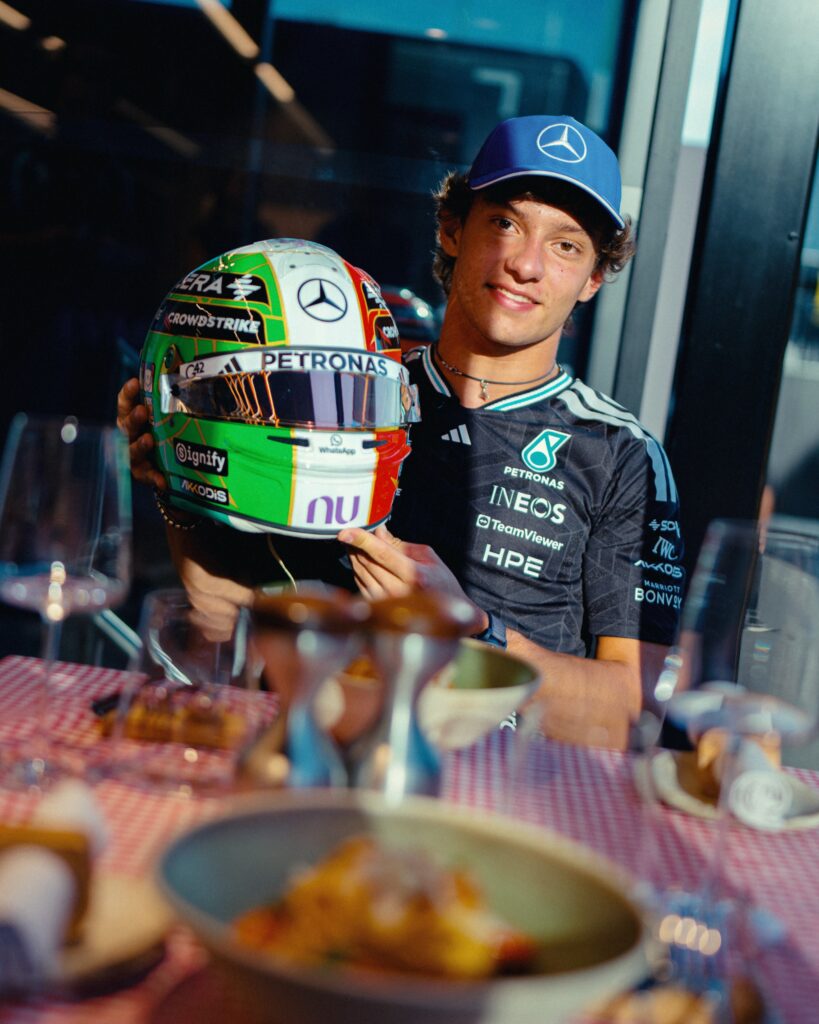
Fans following Antonelli’s title bid this season can find full-size 1:1 Mercedes helmet displays through the shop below.
“We got the set-ups not 100% right and it was always a catch-up game that we had all weekend.”
— Toto Wolff, Mercedes Team Principal, after the Hungarian Grand Prix
FAQ
Q: What did Toto Wolff say about the Hungarian Grand Prix weekend?
Toto Wolff said it was always a catch-up game for Mercedes over the Hungarian Grand Prix weekend, meaning the team was working to close a pace or setup deficit rather than starting the weekend in a strong position.
Q: Did Kimi Antonelli finish on the podium at the Hungarian Grand Prix?
Yes, Kimi Antonelli finished on the podium at the Hungarian Grand Prix, a result that extended his lead at the top of the 2026 Formula 1 Drivers’ Championship.
Q: How long is the Hungaroring circuit used for the Hungarian Grand Prix?
The Hungaroring lap is 4.381 km, with the Grand Prix run over 70 laps for a total race distance of 306.63 km.
Q: Why would Mercedes struggle despite a podium finish?
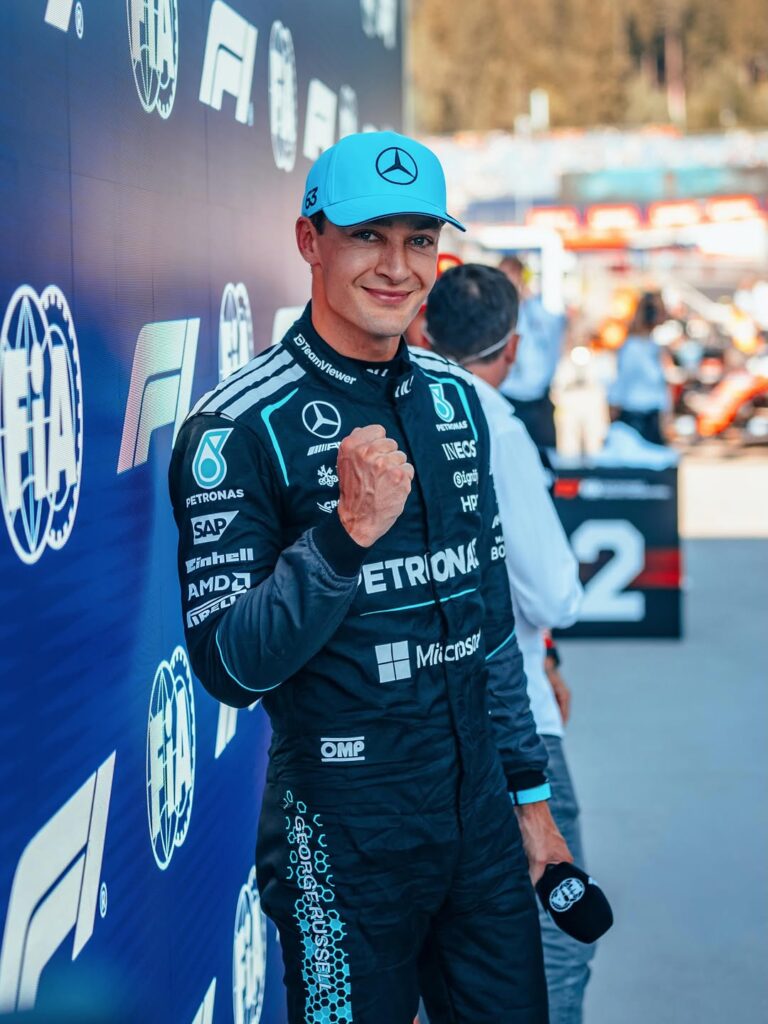
Wolff blamed a compromised weekend rather than a lack of pace: Antonelli missed FP1, the set-ups were not 100% right, Russell had engine trouble and the VSC cost a possible P2; he said a fault-free weekend could have meant a fight for victory.
Q: What does Antonelli’s result mean for the rest of the 2026 season?
It keeps Antonelli at the front of the championship standings, but Wolff’s comments suggest Mercedes still needs to address pace issues before it can rely on that lead through the remaining rounds of the 2026 season.
Shop Mercedes Helmets
Display and collector replicas only. Not certified for protective use. Full-size 1:1 scale.
This article was written with the help of AI tools. Editorial policy