
Blog
2026 Dutch GP Data: Lap Charts, Tyres and Podium Drama
 123Helmets Editorial Team
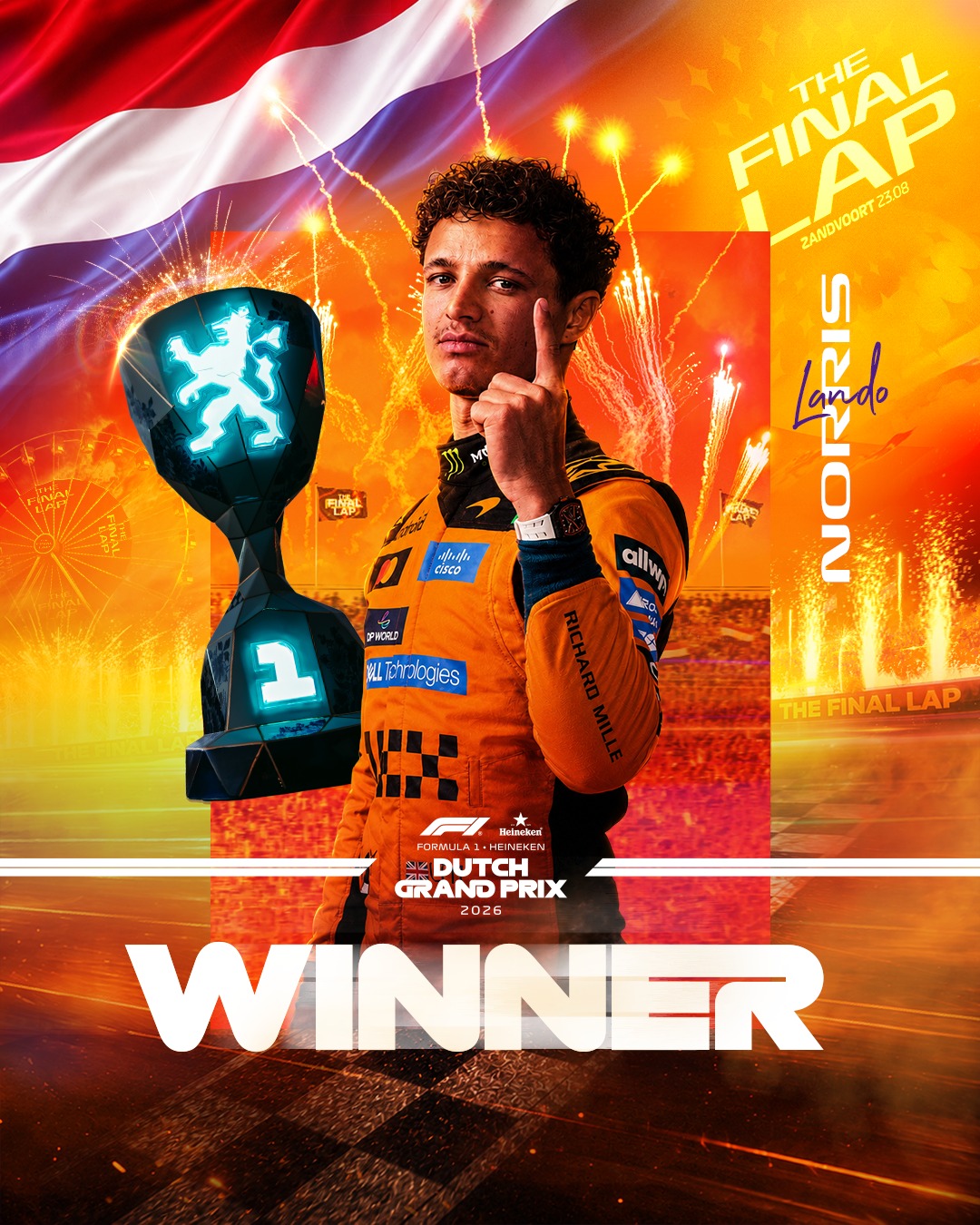
A wet start, a lap-one red flag and two late Virtual Safety Car periods turned the 2026 Dutch Grand Prix into a strategy puzzle at Zandvoort, with George Russell and Andrea Kimi Antonelli swapping places for second and Lewis Hamilton left to count the cost of Ferrari’s tactical call on third.
Key Takeaways
Every driver pitted at the end of lap one after the race was stopped, resetting the entire tyre-strategy picture before green-flag running had properly begun.
Two Virtual Safety Car periods late in the race forced teams into a wide spread of strategies, visible clearly in the lap chart and gap-to-leader data.
George Russell allowed Andrea Kimi Antonelli through into second place, a call he described as fair, while Antonelli said the extra stop that preceded it had put Russell at risk too.
Lewis Hamilton said Ferrari’s tactics, not misfortune, cost him third place, adding another strategy talking point to a race already shaped by changeable conditions.
Why the lap chart looked so scrambled at Zandvoort
The 2026 Dutch Grand Prix lap chart shows an unusually broken field because every car pitted at the end of lap one when the race was stopped, wiping out any early tyre advantage before it could be banked. Damp conditions in the opening phase meant several drivers had gambled on intermediate rubber, only for the stoppage to force a fresh round of calls once the field went back to the grid. That single data point, all 20 cars converging on pit lane inside one lap, is the starting block for reading everything that followed on the interactive lap and gap charts.
From that reset, the gaps-to-leader chart becomes the more useful tool than raw position alone, since it strips out the noise of who pitted when and shows genuine pace. Teams that had committed to a drying-track tyre choice before the red flag had to unwind those calls in real time, and the lap chart’s early tangle of crossing lines reflects that scramble rather than genuine on-track battles.
Two Virtual Safety Cars reshuffle the strategy math
Two separate Virtual Safety Car periods late in the 2026 Dutch Grand Prix gave teams a second and third chance to change plans after the lap-one reset, and the tyre-strategy chart shows a genuinely diverse spread of choices as a result. Each VSC compresses the field and cuts the time cost of a pit stop, so crews running longer first stints suddenly found a cheap window to switch compounds without losing much track position.
That is why the interactive tyre-strategy view for this race shows so little consensus among the top ten compared with a typical dry, uninterrupted Zandvoort race. Some cars used the first VSC to bank a stop, others held station and waited for the second, and the lap-time chart shows clear step changes in pace immediately after each VSC ended, as fresher tyres came back into play at different points for different drivers.
Russell and Antonelli: the second-place call at Mercedes
George Russell let his Mercedes teammate Andrea Kimi Antonelli through into second place, and afterwards defended the decision as fair given how the race had unfolded. Antonelli, for his part, pointed out that the extra pit stop which preceded the swap had also carried risk for Russell, framing it as a shared gamble rather than a one-sided favour.
The exchange is a reminder that team strategy calls do not always show up cleanly in a lap chart as a simple overtake; sometimes the data shows two cars running nose-to-tail for several laps before one line drops behind the other by agreement rather than pace. Fans working through the gaps chart for this race will see exactly that pattern around the closing laps, a near-identical lap time between the two Mercedes drivers followed by a sudden, deliberate change in order.
- George Russell: finished the race in third after conceding second place
- Andrea Kimi Antonelli: promoted to second following the team’s in-race call
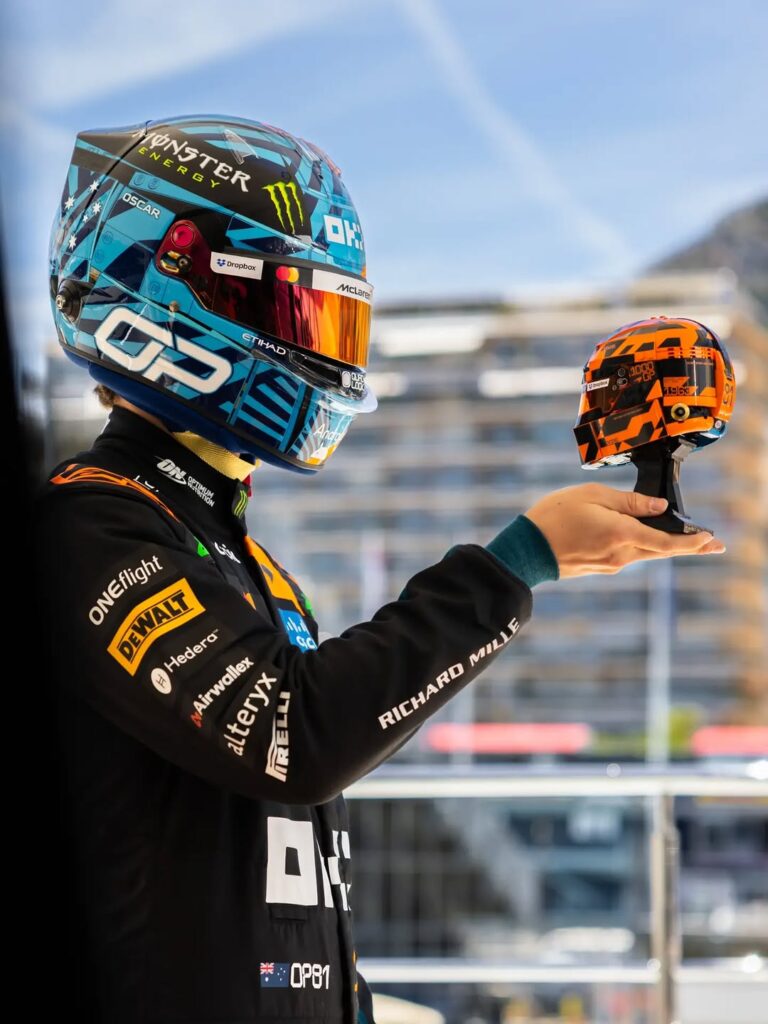
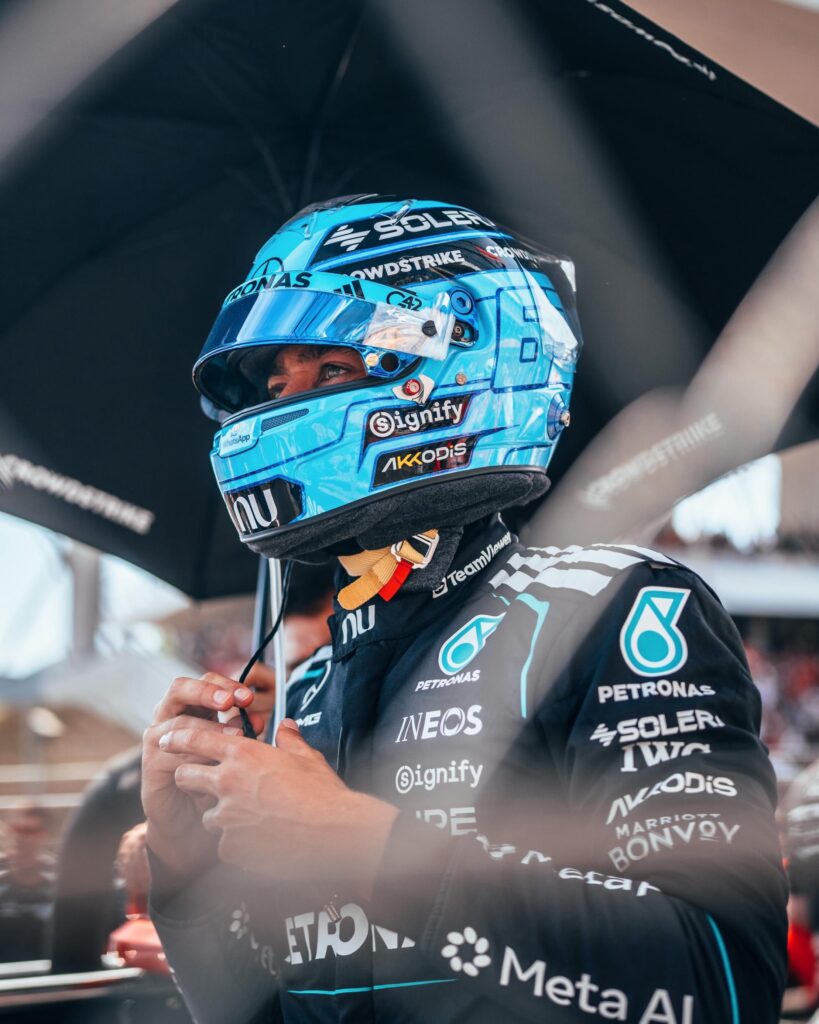
Fans can browse the current Mercedes helmet designs worn by both drivers this season, and see how each driver’s individual lid has evolved race by race.
Hamilton on Ferrari’s costly tactics
Lewis Hamilton said his team’s tactics, not bad luck, cost him third place at Zandvoort, a pointed comment that puts Ferrari’s pit wall calls under scrutiny rather than the conditions themselves. “We weren’t unlucky,” was how he summed it up, a direct rejection of the idea that changeable weather or the VSC timing was to blame for the outcome.
Reading the lap-time and gap charts alongside that quote helps explain his frustration: Ferrari’s stop sequencing left Hamilton exposed relative to the cars ahead once the second VSC period ended, undoing pace he had built earlier in the stint. Strategy calls like this are exactly the kind of moment the interactive data is built to interrogate, letting fans compare Hamilton’s actual in-lap and out-lap times against those of the driver who ultimately took the final podium position.
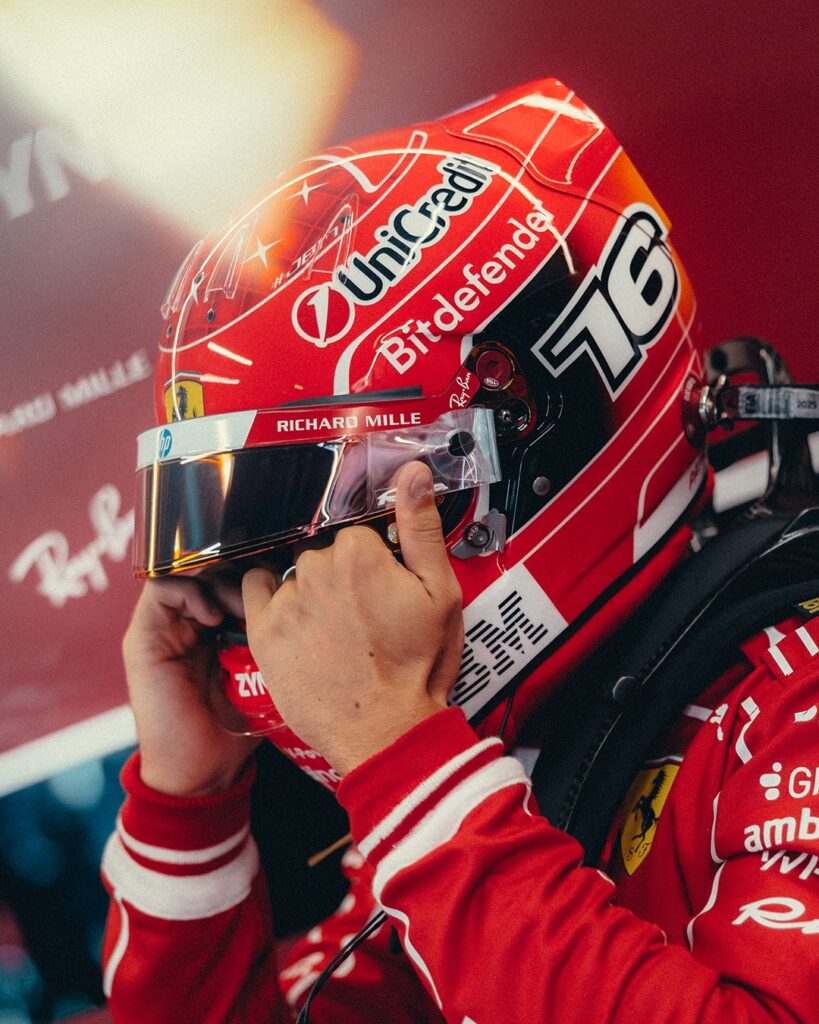
Fans following the Lewis Hamilton helmet designs and Ferrari livery for the 2026 season can browse the current collection in the shop.
A rough weekend for Williams
The Williams pair apologised after colliding during the 2026 Dutch Grand Prix weekend, while being careful to distinguish the incident from the well-known Verstappen–Ricciardo clash at Baku. That comparison, raised and rejected by the drivers themselves, underlines how differently teams and fans read contact between teammates depending on the stakes and circumstances involved.
Incidents like this rarely show up as a dramatic spike on the lap chart, more often as a short gap in the data or a sudden change in one driver’s lap time before a stop-and-go recovery. For a team already fighting through a season of changing form, a self-inflicted collision adds a strategic headache on top of the pure pace questions the rest of the field was already dealing with in changeable Zandvoort conditions.
“We weren’t unlucky.”
— Lewis Hamilton on Ferrari’s strategy calls
“It’s not a Verstappen-Ricciardo Baku situation.”
— Williams driver on the team’s internal collision
FAQ
Q: Why did every driver pit at the end of lap one at Zandvoort?
The race was stopped after lap one, and every driver pitted at that point, resetting tyre strategy for the entire field before normal green-flag racing had properly started.
Q: How many Virtual Safety Car periods were there in the 2026 Dutch Grand Prix?
There were two Virtual Safety Car periods late in the race, and each one gave teams a fresh, cheaper window to change tyre strategy.
Q: Why did George Russell let Andrea Kimi Antonelli into second place?
Russell described the decision as fair given how the strategy had played out, while Antonelli said the extra pit stop that led to it had also put Russell at risk.
Q: Did Lewis Hamilton blame the weather for missing third place?
No, Hamilton said Ferrari’s tactics were responsible, stating directly that the team was not simply unlucky on strategy.
Q: Was the Williams collision similar to the Verstappen-Ricciardo incident at Baku?
The Williams drivers themselves said no, apologising for the crash but explicitly distinguishing it from that earlier Baku situation.
Browse F1 Helmet Collection
Display and collector replicas only. Not certified for protective use. Full-size 1:1 scale.
This article was written with the help of AI tools. Editorial policy