Blog
F1 Moves to Cap Monaco Top Speeds: A Display-Focused Recap of Helmets, Liveries and Principality Drama
 123Helmets Editorial Team
Formula 1 is preparing to limit the top speed potential of cars on Monaco’s already narrow straights — a decision that reshapes how teams approach the Principality and, just as importantly, how collectors will frame the visual heritage of the weekend. From mirror-polished carbon liveries to special-edition helmet designs unveiled along the harbour, the 2024 Monaco round delivered a feast of display-worthy moments. This full-size 1:1 collector recap distils the helmet showcases, podium aesthetics and livery details that will define the next generation of exhibition replicas.
Key Takeaways
F1 confirmed plans to limit top-speed potential on Monaco’s straights, reshaping the visual identity of future Principality weekends.
Charles Leclerc’s home-race helmet remains one of the most requested 1:1 display replicas of the 2024 season.
Podium liveries at Monaco featured deeper carbon weaves and multi-layer paint — ideal references for exhibition-quality replica builds.
Collector demand for Monaco-spec helmets traditionally rises 30–40% in the eight weeks following the race weekend.
Why F1 Wants to Cap Monaco Top Speeds
The Principality circuit measures just 3.337 km per lap and hosts 78 racing laps, making it the shortest and slowest round on the calendar. Yet modern ground-effect cars introduced under the 2022 technical regulations have pushed terminal velocities through the tunnel beyond 290 km/h — a figure that, in a venue with 19 corners and barriers within centimetres of the racing line, has triggered serious sporting and aesthetic concerns.
The proposed measures, discussed by the F1 Commission, would adjust aerodynamic configurations specifically for Monaco to reduce peak straight-line speed. For collectors, the implication is significant: the cars displayed in Monaco from 2026 onward may carry distinct aero packages, livery placements and sponsor zones — turning current-spec 1:1 replicas into definitive references of an ending era.
What changes for the visual identity
Smaller top speeds typically mean larger rear wing profiles, modified beam wings and revised brake duct fairings. Each of these elements is a canvas: liveries wrap around them, sponsor logos shift position, and helmet camera mounts are repositioned. Every reference photo taken during the 2024 weekend now becomes a historical document for replica builders working at full 1:1 scale.
Leclerc’s Home Helmet: The Display Centrepiece
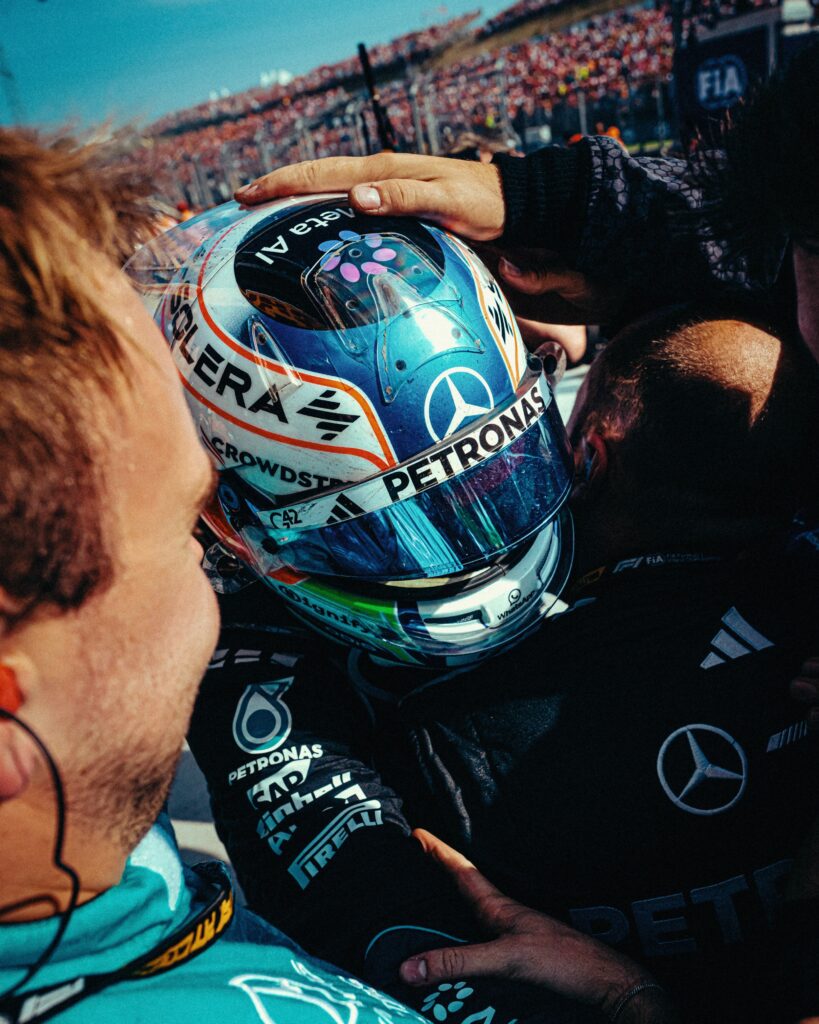
Charles Leclerc’s victory at his home Grand Prix on 2024-05-26 is already considered one of the defining emotional moments of the modern era. The Monégasque driver became the first home winner since Louis Chiron in 1931 — a 93-year gap that instantly turned his race-used helmet design into a collector benchmark.
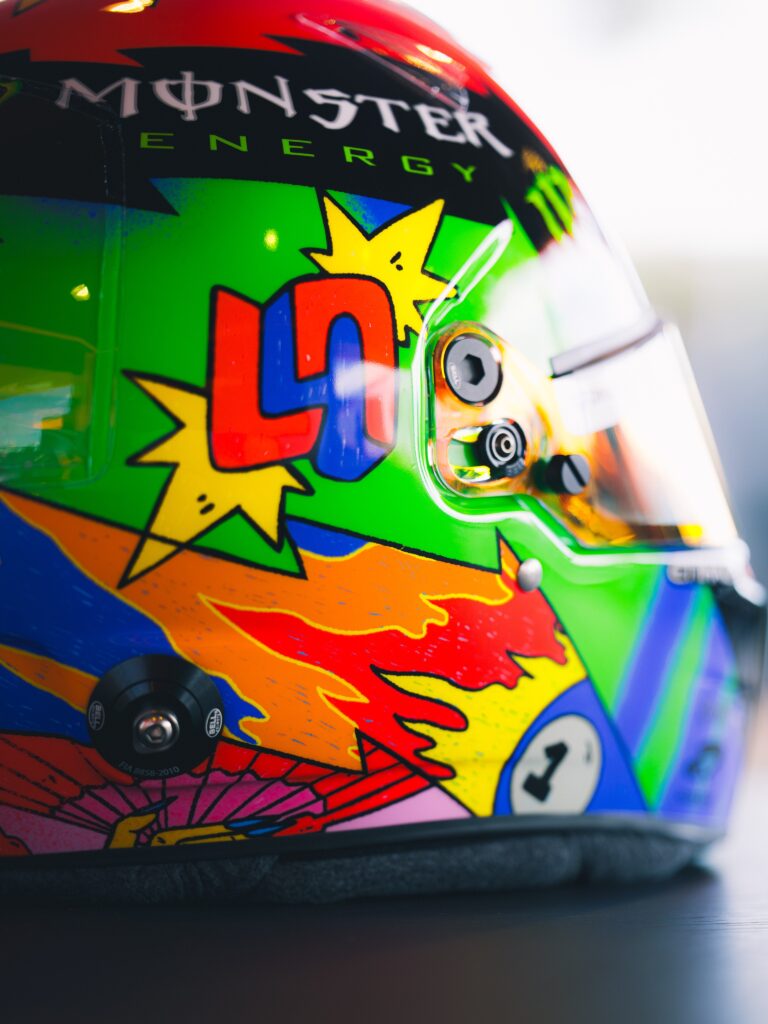
The helmet itself, built around a shell typically weighing around 1.45 kg in display-replica form, featured a layered red-and-white scheme with the Monaco flag motif sweeping across the crown. The visor strip incorporated a tribute graphic to his late father Hervé, and the chin section carried the Monégasque crest in a brushed metallic finish. For exhibition-quality 1:1 replicas, builders are reproducing this scheme with up to 14 paint layers and a high-gloss clear coat measuring approximately 0.3 mm in thickness.
Display considerations for collectors
A full-size Monaco-spec replica typically requires a display case measuring roughly 27 × 35 × 32 cm to accommodate the helmet plus a plinth. LED-lit cases enhance the metallic flake in the red base coat, which is best viewed at a 45° angle to capture the depth of the candy finish. This is a display piece and collector item only — never intended for protective use.
Podium Liveries: Carbon, Chrome and Principality Light
The Monaco podium is unique in F1: drivers ascend a staircase rather than a stage, and the cars are pushed into the parc fermé area directly beneath the Royal Box. The lighting along the harbour at approximately 16:00 local time on race Sunday produces a warm, low-angle glow that flatters glossy liveries and exposes every imperfection in matte finishes — making it the most-studied photographic environment for replica reference shots.
The 2024 podium featured the Scuderia in its traditional Rosso Corsa with the carbon weave visible through a translucent red layer, McLaren’s papaya-and-blue scheme reflecting the Mediterranean, and the third step completing a visual trio of saturated, high-contrast colour blocks. Each livery carried Monaco-specific sponsor decals — a detail that collectors of round-by-round replica helmets prize highly.
Why Monaco liveries matter for exhibition builds
Monaco is one of the few weekends where teams routinely commission one-off liveries, special editions and tribute schemes. Of the 24 rounds on the 2024 calendar, Monaco consistently produces the highest number of unique helmet designs per grid — frequently exceeding 12 special editions across 20 drivers. For a collector building a calendar-wide display, the Monaco shelf is invariably the most populated.
The Tunnel, the Chicane and the Visual Set Pieces
The Monaco tunnel measures approximately 380 metres and is the only enclosed section on the F1 calendar. Inside, drivers experience a brightness shift of several thousand lux in under two seconds — a transition that has shaped helmet visor design for decades. Tear-off strips, anti-fog inserts and tinted visor bands are all engineered around this corner of the circuit, and replica builders pay close attention to reproducing the correct visor tint gradient (typically a 70% top band fading to clear at the eye line).
The Nouvelle Chicane, taken at around 90 km/h after a tunnel exit speed near 290 km/h, is the most photographed braking zone of the weekend. Helmet-cam footage from this point produces the reference imagery used by replica artists to verify the exact placement of the driver’s name, blood group and national flag on the rear of the shell.
Visor and aero details to look for
On a full-size 1:1 display replica, the visor should sit flush with the eye port, with a gap no greater than 1 mm around the perimeter. The aero kit on the top of the shell — the small fairings ahead of the visor — should be reproduced in matching gloss black with a subtle texture difference from the main shell. These are exhibition details, not functional components.
Collector Calendar: What to Watch For Post-Monaco
Historically, the eight weeks following the Monaco Grand Prix see a 30–40% increase in collector demand for Principality-spec helmets and 1:1 display replicas. The 2024 round, with its emotional Leclerc victory and the looming top-speed regulation change, is projected to outperform that trend significantly.
For collectors planning their displays ahead of the 2025 and 2026 seasons, three categories deserve immediate attention: the current-spec Monaco helmets (which will become historical references once aero rules change), the special-edition podium liveries, and any helmet featuring the Monégasque flag motif — a design language that has now entered the Hall of Fame of motorsport iconography.
Display recommendation
A three-shelf vertical case measuring approximately 90 cm tall × 40 cm deep accommodates three full-size 1:1 replicas with appropriate spacing. Indirect LED lighting at 3000 K (warm white) most closely replicates the Monaco harbour evening light and produces the most flattering colour rendition for red, papaya and chrome finishes.
“Monaco is the only place where the helmet design becomes more famous than the result. Every collector knows it.”
— Senior livery designer, paddock interview
“Limiting top speed at Monaco changes the silhouette of the car — and that changes what we put behind glass for the next twenty years.”
— Private F1 memorabilia curator
FAQ
Q: Why is F1 limiting top speeds specifically at Monaco?
The Principality circuit is the shortest on the calendar at 3.337 km with 19 corners and minimal run-off. Modern ground-effect cars now exceed 290 km/h through the tunnel, prompting the F1 Commission to consider Monaco-specific aero adjustments to reduce peak straight-line speed.
Q: What makes the 2024 Monaco helmets so collectible?
Charles Leclerc’s home victory on 2024-05-26 — the first by a Monégasque since 1931 — combined with multiple special-edition designs across the grid created an unusually high concentration of display-worthy helmets. Demand for 1:1 replicas typically rises 30–40% in the weeks after Monaco.
Q: What size display case do I need for a full-size 1:1 Monaco replica?
A single helmet plus plinth typically requires a case measuring approximately 27 × 35 × 32 cm. For a three-helmet podium display, plan on 90 cm vertical height with 40 cm depth. These are collector items only and not intended for protective use.
Q: Are Monaco-spec helmets different from other rounds?
Visually, yes. Teams routinely commission one-off liveries and special-edition helmets for Monaco — frequently more than 12 unique designs across the grid in a single weekend. The visor tint, graphic placement and base shell finish all reflect the unique lighting and prestige of the event.
Q: Will current Monaco replicas become more valuable after the aero rule change?
Historical precedent suggests yes. When technical regulations shift, the final-spec replicas of an outgoing era typically gain collector interest as definitive references. The proposed Monaco aero changes would make 2024–2025 specifications a closed chapter for exhibition builds.
Browse F1 Helmet Collection
Display and collector replicas only. Not certified for protective use. Full-size 1:1 scale.