
Blog
Did McLaren’s VSC Call Cost Norris a Belgian GP Podium?
 123Helmets Editorial Team

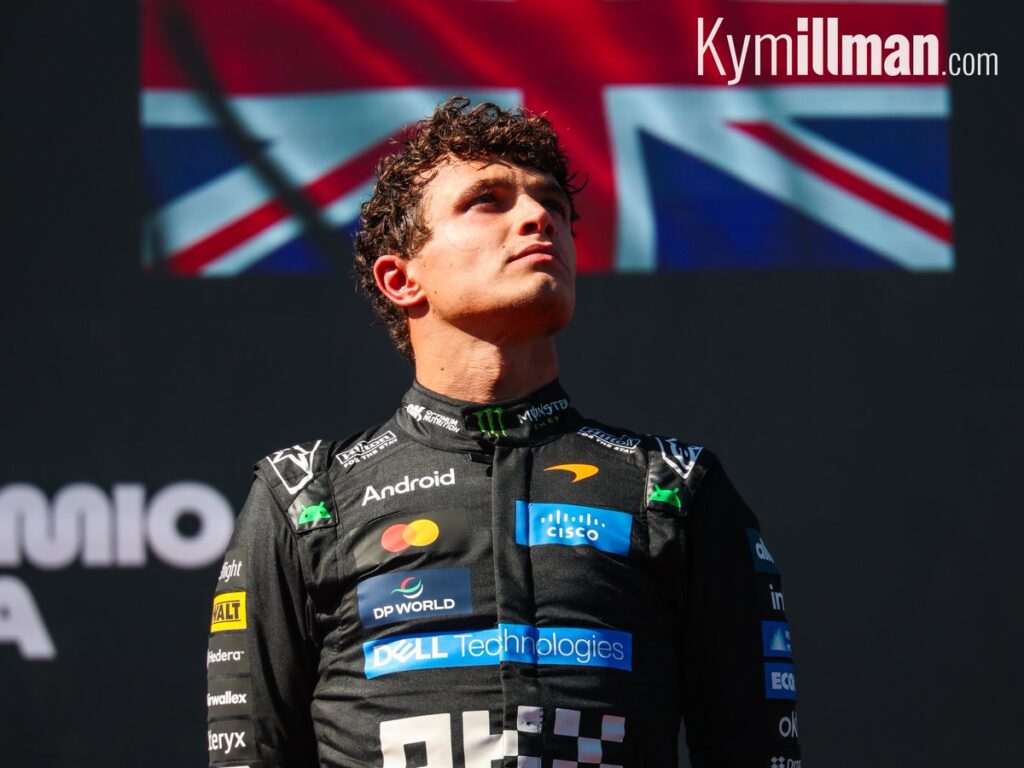
Lando Norris produced one of his sharpest qualifying laps of the 2026 season at Circuit de Spa-Francorchamps, banking provisional pole on his first Q3 run and holding on for third when his final attempt came up short. What followed on race day has McLaren fans still arguing over a single Virtual Safety Car decision — and whether it turned a hard-earned podium into a near miss.
Key Takeaways
Norris set his best Q3 time on his opening run at Spa-Francorchamps and could not beat it on his final lap — yet it still held up for third on the grid.
McLaren’s low pre-weekend expectations at Spa made the P3 qualifying result one of the team’s standout surprises of 2026.
The Virtual Safety Car timing during the race is the center of debate over whether Norris’s strategy window closed at the wrong moment.
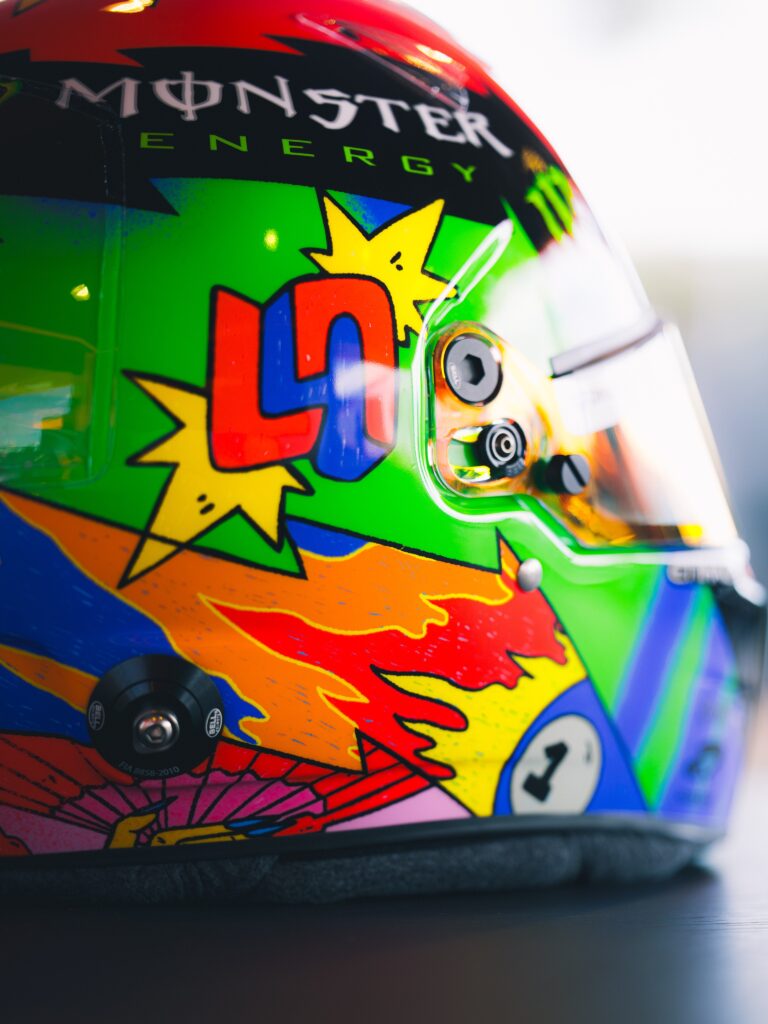
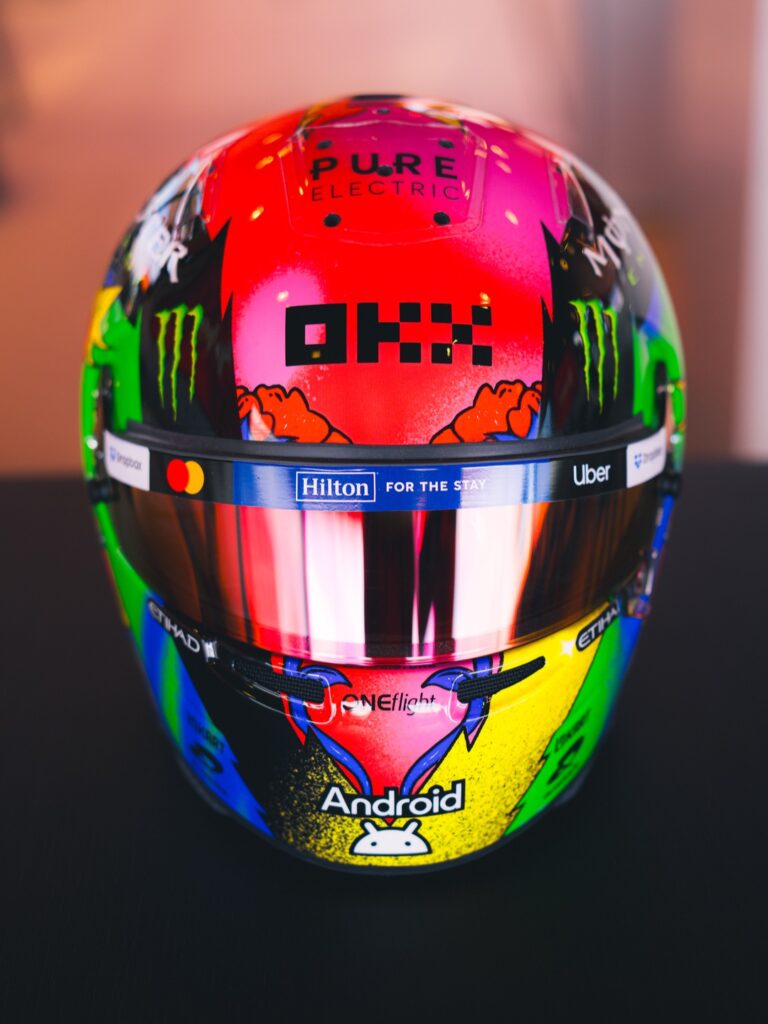
A 1:1 scale display replica of Norris’s Spa qualifying helmet captures the visor graphics and livery detail from arguably his best lap of the weekend.
A Qualifying Lap Nobody Expected
Lando Norris set provisional pole at the Belgian Grand Prix with his very first flying lap in Q3 at Circuit de Spa-Francorchamps. McLaren had gone into the weekend with modest expectations for the 7.004 km Ardennes circuit, a track that has historically rewarded raw power and low-drag setups rather than the balanced downforce package McLaren typically leans on. Norris could not improve on his opening Q3 time during his final run, but the lap was strong enough to hold up against the rest of the field and secure him P3 on the grid — a result that outperformed the team’s internal targets for the session.
The lap stood out not just for the position but for the manner of it: nailed on the first attempt, under pressure, on a circuit where McLaren wasn’t supposed to be near the front three. That combination of surprise and execution is exactly the kind of moment collectors look to commemorate with a full-size 1:1 replica of the helmet worn that day.
The VSC Call Under the Microscope
The Virtual Safety Car intervention during the Belgian Grand Prix is the moment McLaren’s strategy is being questioned in the days since the race. Timing calls around a VSC period are among the tightest decisions any pit wall makes — a few seconds either way can shift track position by multiple grid slots once green-flag racing resumes. For a driver who started P3 off the back of that standout qualifying lap, any hesitation in the call directly affects whether he can convert a strong grid slot into a podium finish.
McLaren’s pit wall had to weigh pit-lane loss against the risk of running long and losing the window altogether — a calculation that looks straightforward with hindsight but rarely is in the moment. The debate among fans and analysts centers on whether the team reacted a lap too late, and whether an earlier call would have kept Norris ahead of cars that gained track position during the neutralized period.
What a Different Call Might Have Meant
A quicker VSC response could have preserved Norris’s track position advantage from qualifying, according to the strategy debate now surrounding the race. Starting third at a circuit like Spa-Francorchamps — with its long Kemmel Straight and heavy braking zone into Les Combes — gives a driver a real chance to defend or attack depending on how the pit cycle plays out. Losing even one position during a VSC period can be the difference between finishing in the points-paying top three and sliding just outside it.
McLaren’s own qualifying pace suggested the car had the raw speed to be competitive in the race, which is part of why the VSC timing has drawn so much attention. When a driver delivers a P3 lap on his first Q3 attempt at a track the team wasn’t confident about, every subsequent strategic decision gets measured against that early promise.
The Helmet That Defined the Weekend
Norris’s Spa qualifying helmet is becoming one of the most requested display pieces from the 2026 Belgian Grand Prix weekend. The graphic package worn for that session — carrying his signature color-blocked design and sponsor liveries — is now available as a full-size 1:1 scale collector replica, built to exhibition quality for display cases and shelf mounts rather than for wear. Every panel line and decal position mirrors the real racing helmet, right down to the visor trim and vent detailing that fans saw on camera during the provisional pole-setting lap.
For collectors, a weekend like this — one defined by a stunning single-lap performance and a contested strategy call — is exactly the kind of story that makes a helmet replica worth owning. It’s not just merchandise; it’s a marker of a specific, debated moment in the 2026 season.
Where This Leaves Norris and McLaren
Norris leaves Spa-Francorchamps with a qualifying result that outperformed expectations and a race outcome that has reopened questions about McLaren’s in-race decision-making. The team will review the VSC timing internally, as every strategy call gets scrutinized after a weekend where the driver clearly had the pace to be a factor at the front. For a reigning World Champion, moments like these tend to sharpen focus rather than dent confidence — Norris has shown all season that a strong qualifying lap is usually followed by an even stronger response.
The bigger picture for McLaren is whether the Spa-Francorchamps qualifying pace was a genuine step forward or a one-lap outlier at a circuit that doesn’t naturally suit the car. Either way, the debate over the VSC call ensures this weekend will be referenced again the next time strategy decisions come under the spotlight.
“It was the best third-place start Lando Norris never had.”
— Race weekend recap, Belgian Grand Prix 2026
FAQ
Q: Did Lando Norris qualify on pole at the 2026 Belgian Grand Prix?
No, Norris set provisional pole with his first Q3 lap but could not improve on his final run, ultimately qualifying P3 at Circuit de Spa-Francorchamps.
Q: What is a Virtual Safety Car and why does its timing matter?
A Virtual Safety Car (VSC) neutralizes racing pace without deploying a physical safety car, and its timing is critical for teams because pitting during a VSC period costs far less time than pitting under green-flag conditions — meaning a delayed call can cost a driver track position.
Q: Why were McLaren’s expectations low at Spa-Francorchamps?
McLaren went into the Belgian Grand Prix weekend with modest expectations because the 7.004 km circuit has traditionally favored low-drag, high-power setups rather than the balanced downforce approach McLaren typically runs, making Norris’s P3 qualifying result a notable overperformance.
Q: Is the Norris Spa helmet replica a wearable item?
No, it is a full-size 1:1 scale display and collector item built for exhibition, not for wear or protective use.
Q: Where can I buy a Lando Norris helmet replica from the 2026 season?
Full-size 1:1 collector replicas from Norris’s 2026 season, including Belgian Grand Prix designs, are available through the Lando Norris collection on 123Helmets.com.
Shop Lando Norris Collection
Display and collector replicas only. Not certified for protective use. Full-size 1:1 scale.