
Blog
Honda’s New Engine Debuts at Zandvoort: More Than Horsepower
 123Helmets Editorial Team
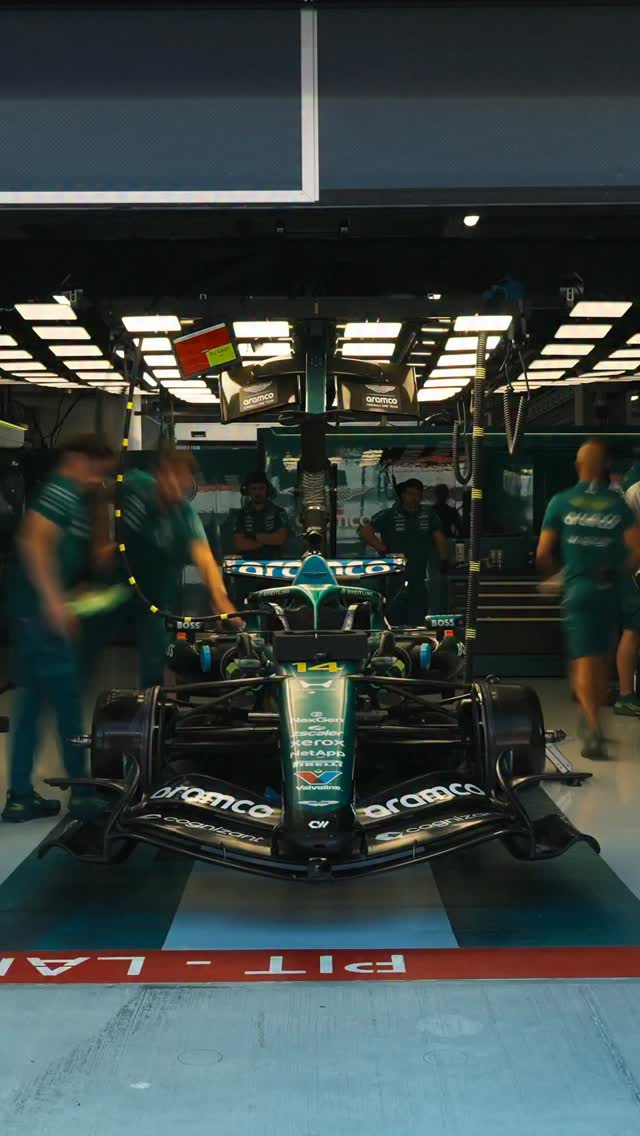
Aston Martin and Honda bring a new power unit to the Dutch Grand Prix weekend at Zandvoort, the first step in a wider plan to restore Honda’s competitiveness ahead of the 2027 rule reset and its stated ambition to challenge for a top-tier power unit again by 2028.
Key Takeaways
Honda’s new power unit debuts at Zandvoort, following chassis and aerodynamic updates introduced at the Hungarian Grand Prix
The update targets the combustion chamber only; the battery and MGU-K are unchanged, avoiding a grid penalty this weekend
Honda’s long-term goal is to return to a top-tier power unit by 2028, matching the level it reached last year under the Red Bull banner
Aston Martin brings further floor and front wing updates to Zandvoort as part of the same broader development package
What is new on Honda’s power unit at Zandvoort
Honda’s Zandvoort update reworks the combustion chamber of the thermal engine to extract more horsepower, without altering the battery or the MGU-K. The change is the first tangible step of a project developed under the opportunities allowed by the ADUO (Additional Discretionary Upgrade Opportunities), giving manufacturers extra scope to modify components mid-season. Honda confirmed on the morning of the announcement that no penalty will apply this weekend, since the hybrid components remain untouched. Internally, the manufacturer believes the current shortfall sits more with the thermal engine’s raw output than with the electrical side of the unit, which is why the update was directed squarely at combustion efficiency rather than energy deployment.
The upgrade follows chassis and aerodynamic revisions Aston Martin introduced at the Hungarian Grand Prix, which were described as part of a much larger package. Further changes to the floor and front wing are arriving during the same Zandvoort weekend, meaning the team is running technical developments on two fronts at once: the car underneath Honda’s new engine, and the engine itself.
Why this debut matters for Honda’s 2027 and 2028 plans
This engine debut matters because it is the opening move in Honda’s stated route back toward a leading power unit by 2028. Honda supplied what was widely regarded as one of the strongest power units in the field until last year, when it did so under Red Bull’s badge; the manufacturer’s ambition now is to reach that level again, this time as Aston Martin’s own works partner. Shintaro Orihara, Trackside General Manager and Chief Engineer of Honda Racing Corporation, has been careful not to attach a specific horsepower figure to the update, saying the team wants to avoid setting expectations that the new unit cannot meet on track.
The 2027 regulation cycle looms as the next major checkpoint, and Honda’s messaging around Zandvoort has been framed as a realistic, incremental gain rather than a single leap that closes the gap outright. That framing matters for anyone trying to read the timeline correctly: this is a first step, not the finished product, with the bigger technical swings expected as the sport moves toward the new engine rules.
Inside the combustion chamber redesign
The redesign is limited to the thermal side of the power unit, specifically a reworked combustion chamber intended to raise output. Honda’s engineers chose not to touch the battery or the MGU-K in this update, a decision that directly avoided triggering a grid penalty for this Zandvoort weekend, since power unit component changes beyond allowed limits typically carry sporting consequences under FIA rules. The choice to leave the hybrid system alone also reflects Honda’s internal diagnosis: the gap the manufacturer is working to close is judged to sit mainly in combustion power, not in energy recovery or deployment.
This distinction is a technical one with real strategic weight. By isolating the update to the engine’s thermal core, Honda keeps the door open for further hybrid-system revisions later in the development cycle, rather than using up scope on two fronts simultaneously.
Shintaro Orihara on managing expectations
Shintaro Orihara has been direct about the limits of what a single mid-season update can achieve. Speaking about the Zandvoort engine, he stressed that Formula 1 development has to be realistic rather than promising a near-magical jump in performance from one upgrade.
“I cannot explain exactly how much of the gap we will manage to close with this update, but in Formula 1 you have to be realistic. We cannot bring major updates that are almost ‘magical’, but we believe we have introduced significant steps forward with this one.”
That statement frames Zandvoort correctly: a confirmed, real step, but one Honda itself describes in measured terms as it builds toward the 2027 rules reset and the broader 2028 target of running one of the sport’s strongest power units again.
What comes next for Aston Martin and Honda
What comes next is a continued rollout of updates on both the chassis and power unit sides through the remainder of the 2026 season. Aston Martin has already introduced chassis and aerodynamic changes at the Hungarian Grand Prix, and floor and front wing updates are arriving at Zandvoort alongside the new Honda engine, confirming that this is being treated as one connected development program rather than isolated parts. Further power unit development is expected as Honda works toward the 2027 regulation change, with the 2028 target of a top-tier power unit remaining the stated long-term marker of success for the partnership.
For now, Zandvoort stands as the first data point in that longer story, watched closely both for what it tells engineers about combustion gains and for what it signals about Honda’s pace toward matching the level it held as recently as last year.
“I cannot explain exactly how much of the gap we will manage to close with this update, but in Formula 1 you have to be realistic. We cannot bring major updates that are almost ‘magical’, but we believe we have introduced significant steps forward with this one.”
— Shintaro Orihara, Trackside General Manager and Chief Engineer, Honda Racing Corporation
FAQ
Q: What changed on Honda’s power unit at Zandvoort?
The combustion chamber of the thermal engine was redesigned to extract more power, while the battery and MGU-K were left unchanged for this update.
Q: Does the new Honda engine carry a grid penalty?
No, Honda confirmed no penalty applies this weekend because the update only affected the thermal engine and not the battery or MGU-K components that are subject to stricter limits.
Q: What is Honda’s long-term target with this engine program?
Honda’s stated goal is to return to a top-tier power unit by 2028, matching the level it reached last year while supplying Red Bull, now working toward that standard alongside Aston Martin.
Q: What other updates has Aston Martin introduced alongside the engine?
Aston Martin brought chassis and aerodynamic updates at the Hungarian Grand Prix and is adding floor and front wing changes at Zandvoort as part of the same broader package.
Q: Who is leading Honda’s power unit development?
Shintaro Orihara, Trackside General Manager and Chief Engineer of Honda Racing Corporation, is overseeing the project and has publicly framed the Zandvoort update as a measured, realistic step rather than a large single gain.
Browse F1 Helmet Collection
Display and collector replicas only. Not certified for protective use. Full-size 1:1 scale.
This article was written with the help of AI tools. Editorial policy