Blog
Verstappen: Rivals Passed Me ‘Like a Turtle’ at Monza
 123Helmets Editorial Team
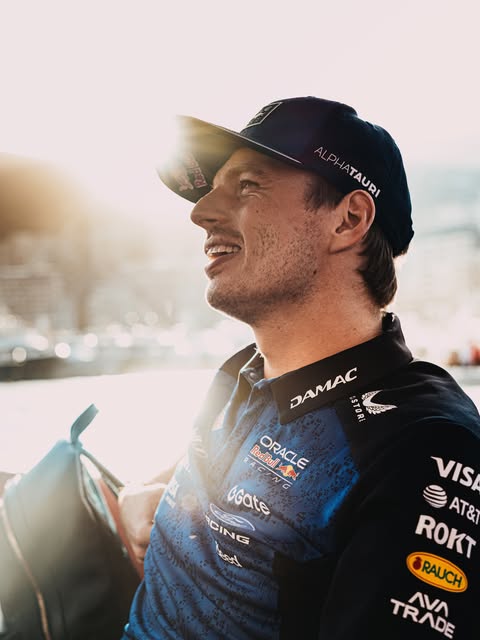
Max Verstappen led three laps of the Italian Grand Prix before being swallowed up by Overtake Mode-assisted rivals, yet still salvaged a podium finish that made for one of the season’s most photographed helmet moments.
Key Takeaways
Verstappen led three laps of the Italian Grand Prix before losing track position once rivals deployed Overtake Mode
He described being passed as feeling like “a turtle” due to the Mercedes-powered cars’ superior energy deployment at Monza
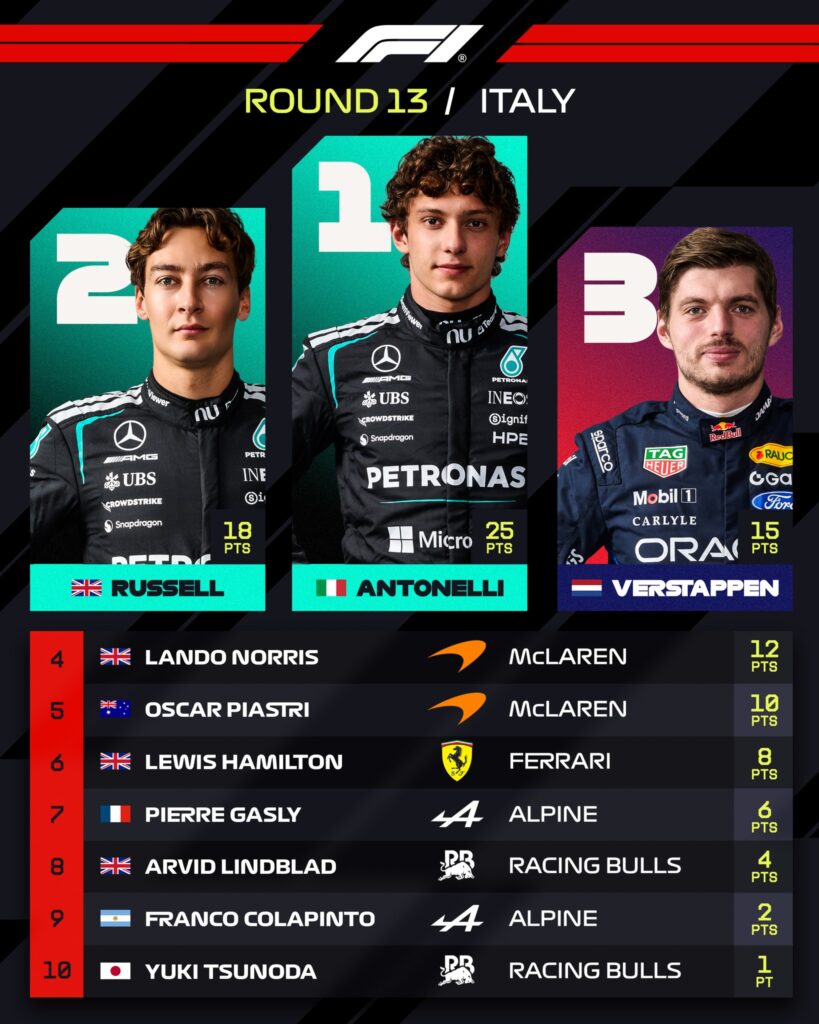
Verstappen still converted the weekend into his fifth podium finish of the 2026 season
Red Bull cannot upgrade its power unit under the FIA’s new Additional Development and Upgrade Opportunities rules, as it already holds the strongest combustion engine on the grid
What happened to Verstappen at Monza
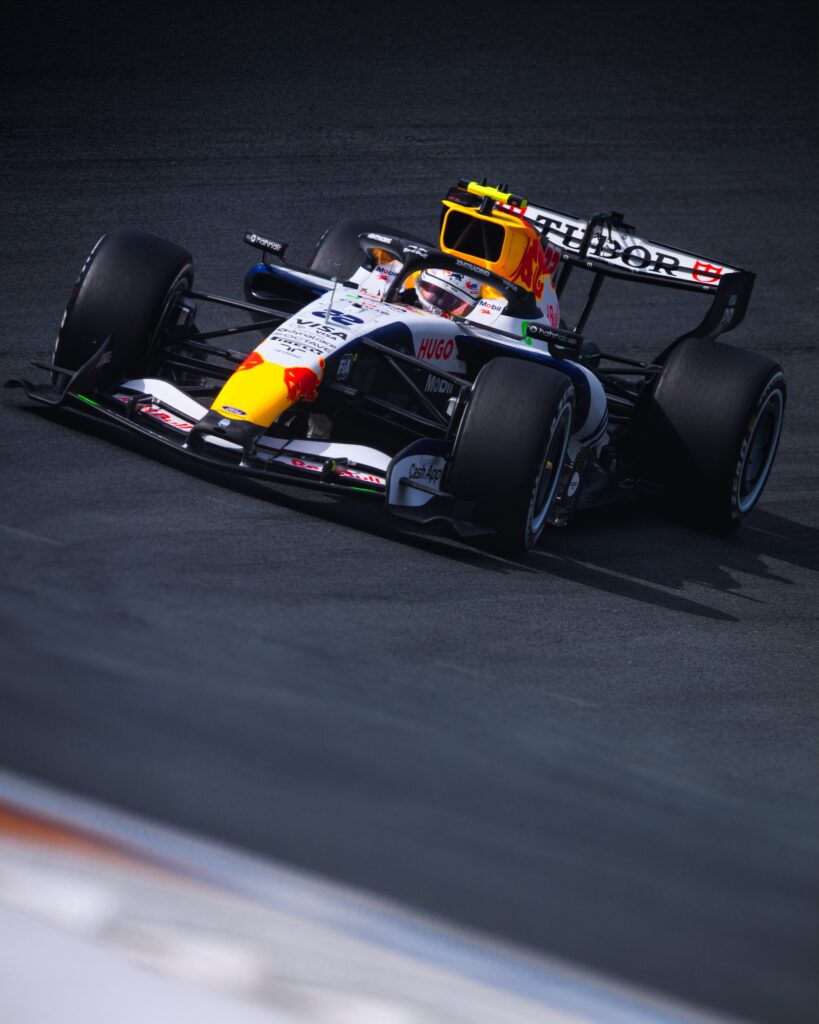
Max Verstappen led three laps of the Italian Grand Prix but could not hold that position once rivals closed within range using Overtake Mode. Racing for Red Bull, he described the experience bluntly: as soon as he took the lead it became “very hard to defend,” a problem he said persisted through most of the afternoon at the fastest circuit on the 2026 calendar. Even a well-timed pit stop under a Virtual Safety Car, which put him on fresher tyres, did not solve the issue — he still needed several laps to clear a pair of McLaren drivers ahead once they had Overtake Mode available themselves.
The result was a podium finish that Verstappen called satisfying given how the race unfolded, marking his fifth podium of the 2026 season. It is the kind of result that keeps a driver’s championship story alive lap by lap, even when the on-track battle looks like a step backward from pole or a race win.
The frustration was less about pace over one lap and more about sustained defense once wheel-to-wheel racing began, a distinction Verstappen was careful to draw out when explaining what actually cost him track position on Sunday.
How Overtake Mode changed the racing at Monza
Overtake Mode is the system Formula 1 introduced in 2026 to replace the Drag Reduction System, giving drivers extra electrical power when running within one second of a car ahead. Verstappen said the system worked in his favor early — “with the Overtake Mode it looked quite promising” — but became a liability once he moved into the lead, because trailing Mercedes-powered cars could deploy their own boost against him.
He linked this directly to the FIA’s decision to reduce energy harvest limits to their lowest levels of the year at Monza, the calendar’s fastest track. “We just can’t keep up with the deployment of the Mercedes-powered cars,” he said, adding that the gap was “very tough on a track like Monza” where straight-line speed and late-race energy management matter more than almost anywhere else on the schedule.
That imbalance meant a driver leading on merit could still be exposed once the numbers behind him lined up for a boosted run into the braking zone, turning laps that looked comfortable on paper into genuine defensive battles.
Verstappen on the frustration of being passed
Verstappen said the racing was “not a lot” fun when rivals came past as though he were standing still, describing the sensation as being overtaken “like you’re a turtle.” He said he compensated by attacking on the brakes, an area where he felt the car had genuine strength, and used that confidence to fight back rather than simply accept lost positions.
He pointed to two specific moments where the approach worked: overtaking around the outside at Turn 2 and Turn 4 early in the race. Those exchanges, he said, made the afternoon “enjoyable but at the same time frustrating,” since every position gained back on the brakes could be lost again moments later once a rival’s Overtake Mode kicked back in on the following straight.
Verstappen framed his approach as simply trying to “maximise everything that I can” within a car that was competitive in braking zones but outgunned in a straight line — a trade-off that shaped nearly every overtaking move of his race.
A podium finish worth remembering visually
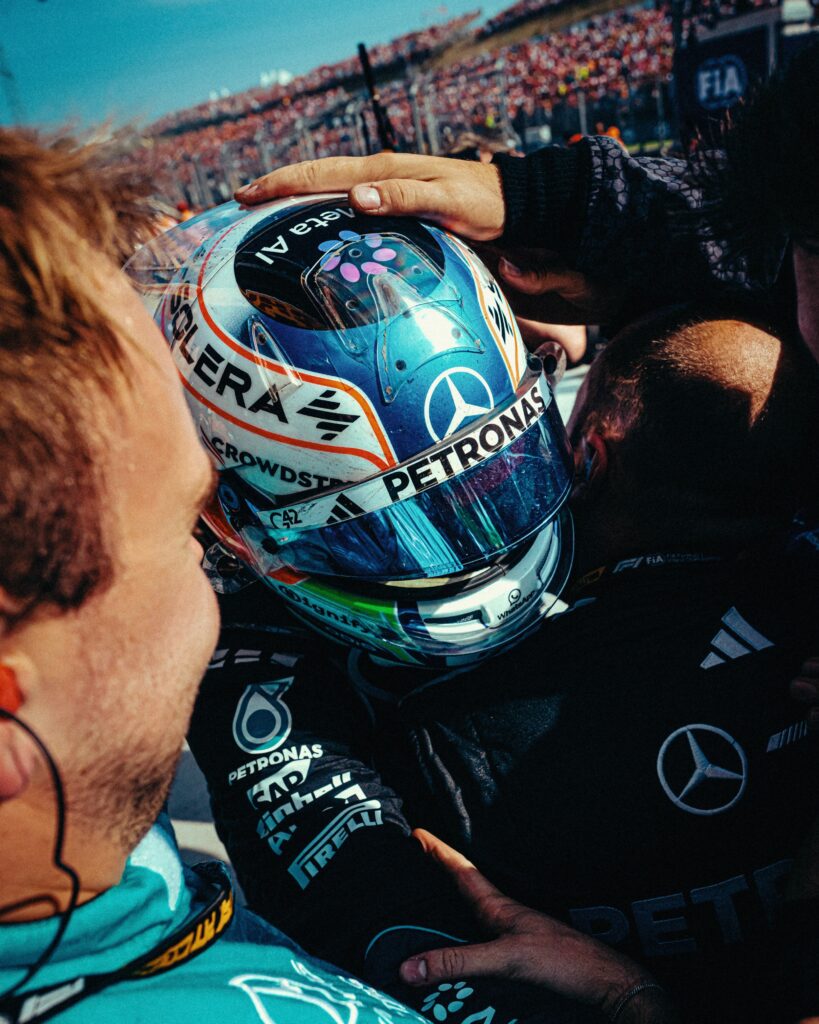
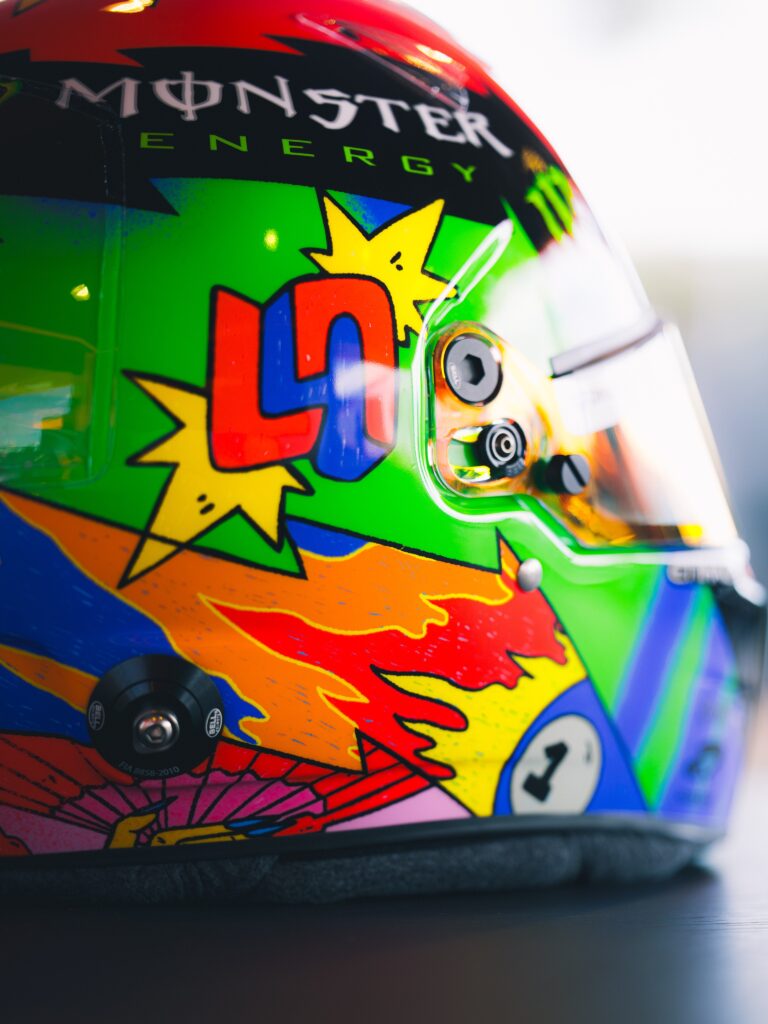
Verstappen’s podium appearance capped a race defined by wheel-to-wheel defending rather than a comfortable cruise to the finish, and that context is part of what makes the result stand out. A driver forced to repeatedly re-earn position through braking-zone overtakes, rather than simply controlling a gap from the front, produces the kind of podium image collectors and fans tend to remember — helmet paint catching the light on the top step after a race that was fought for corner by corner rather than handed over by pace alone.
Fans wanting to mark this podium finish with a full-size 1:1 display piece can browse the Red Bull and Max Verstappen ranges for helmet designs that echo the livery seen on track this weekend, each built as an exhibition-quality collector item rather than a wearable item.
Why Red Bull can’t fix the power unit gap
Red Bull has been blocked from introducing performance upgrades to its power unit under the FIA’s Additional Development and Upgrade Opportunities regulations. The rule exists because the governing body has determined Red Bull already fields the best-performing combustion engine on the current grid, which in turn restricts further gains to that part of the package even as rivals close the gap on energy deployment.
That regulatory detail explains why Verstappen’s Monza problem was not really about outright engine power but about the electrical side of the unit — the very system Overtake Mode leans on. With harvest limits cut to their lowest point of the season at Monza and Mercedes-powered cars apparently extracting more from that reduced allowance, Red Bull found itself strong under braking but exposed on the straights, a mismatch that is likely to resurface at other high-speed circuits later in the 2026 calendar.
“I think it was quite clear during the race that we just can’t keep up with the deployment of the Mercedes-powered cars, and, of course, that is very tough on a track like Monza.”
— Max Verstappen
“To be honest, not a lot when people just drive by you like you’re a turtle. But I just send it back around the outside.”
— Max Verstappen
FAQ
Q: How many laps did Verstappen lead at the Italian Grand Prix?
Verstappen led three laps before losing the position once rivals closed in using Overtake Mode.
Q: What is Overtake Mode in F1 2026?
Overtake Mode is the system that replaced the Drag Reduction System in 2026, giving drivers extra electrical power when running within one second of the car ahead.
Q: Why couldn’t Verstappen defend his lead at Monza?
He said Red Bull could not match the energy deployment of Mercedes-powered cars once the FIA reduced harvest limits to their lowest levels of the season at Monza, leaving him exposed once rivals used Overtake Mode against him.
Q: Where did Verstappen finish the Italian Grand Prix?
He finished on the podium, his fifth podium result of the 2026 season, despite losing the lead during the race.
Q: Why can’t Red Bull upgrade its power unit?
Under the FIA’s Additional Development and Upgrade Opportunities rules, Red Bull is restricted from introducing upgrades because the governing body ruled it already has the best-performing combustion engine on the grid.
Shop Max Verstappen Collection
Display and collector replicas only. Not certified for protective use. Full-size 1:1 scale.