
Blog
Newey Confirms Aston Martin Hungary Upgrade 2026
 123Helmets Editorial Team
Adrian Newey has broken Aston Martin’s silence on their 2026 development programme, confirming a full upgrade package will run on both cars at the Hungarian Grand Prix. The announcement marks one of the most significant technical updates Aston Martin has committed to this season — and it arrives at a circuit that consistently rewards aerodynamic refinement.
Key Takeaways
Adrian Newey has officially confirmed the Aston Martin upgrade package will debut on both cars at the 2026 Hungarian Grand Prix.
The forward chassis has been re-homologated and crash-tested after weight was removed from both the chassis and gearbox architecture.
The rear suspension has been revised, while the front suspension remains unchanged from the previous specification.
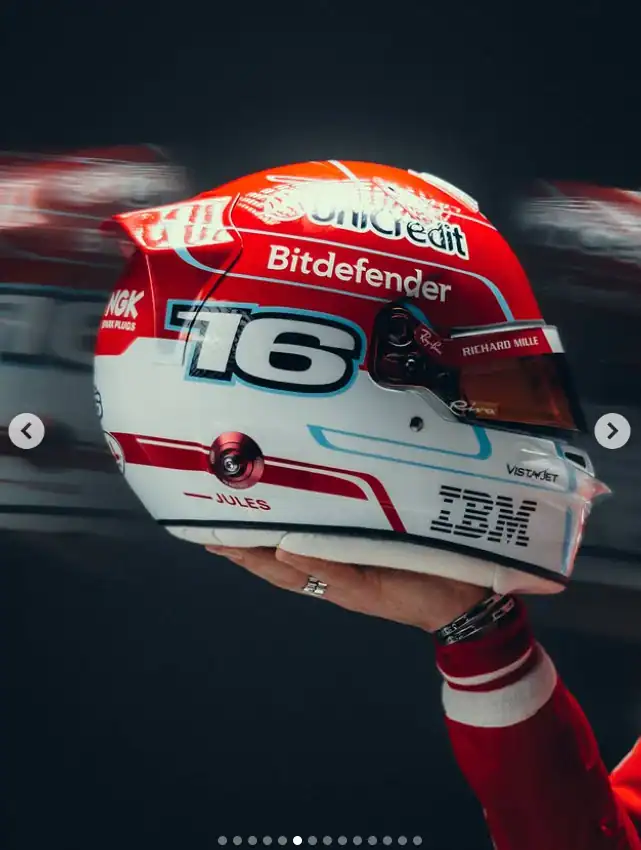
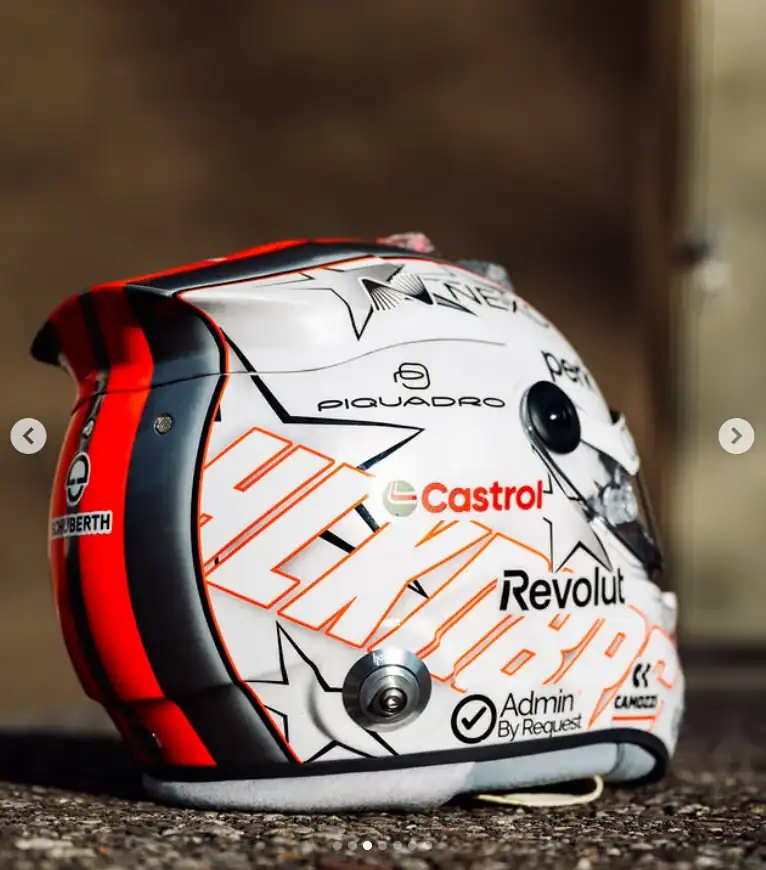
For collectors, the Hungary race marks a key livery and identity moment for Aston Martin — the team’s display helmets reflect the British Racing Green identity that Newey is now actively shaping on track.
Newey Ends the Silence: Hungary Gets the Upgrade
Aston Martin will introduce a significant upgrade package at the 2026 Hungarian Grand Prix, running on both cars — a fact Adrian Newey confirmed directly after weeks of deliberate vagueness from the team. Until this statement, Aston Martin had declined to commit publicly to a specific race weekend for the update, fuelling speculation across the paddock. Newey’s confirmation, posted via @adamcooperF1 on X, changes the conversation entirely.
The core message from Newey is precise: the chassis and gearbox architecture do not change fundamentally, but meaningful weight has been extracted from both. That weight reduction required the forward chassis to be re-homologated and put through a fresh round of crash testing — a process that explains, at least in part, why the timeline stretched as long as it did. Re-homologation is not a paperwork exercise; it involves full structural validation, which adds weeks to any development cycle.
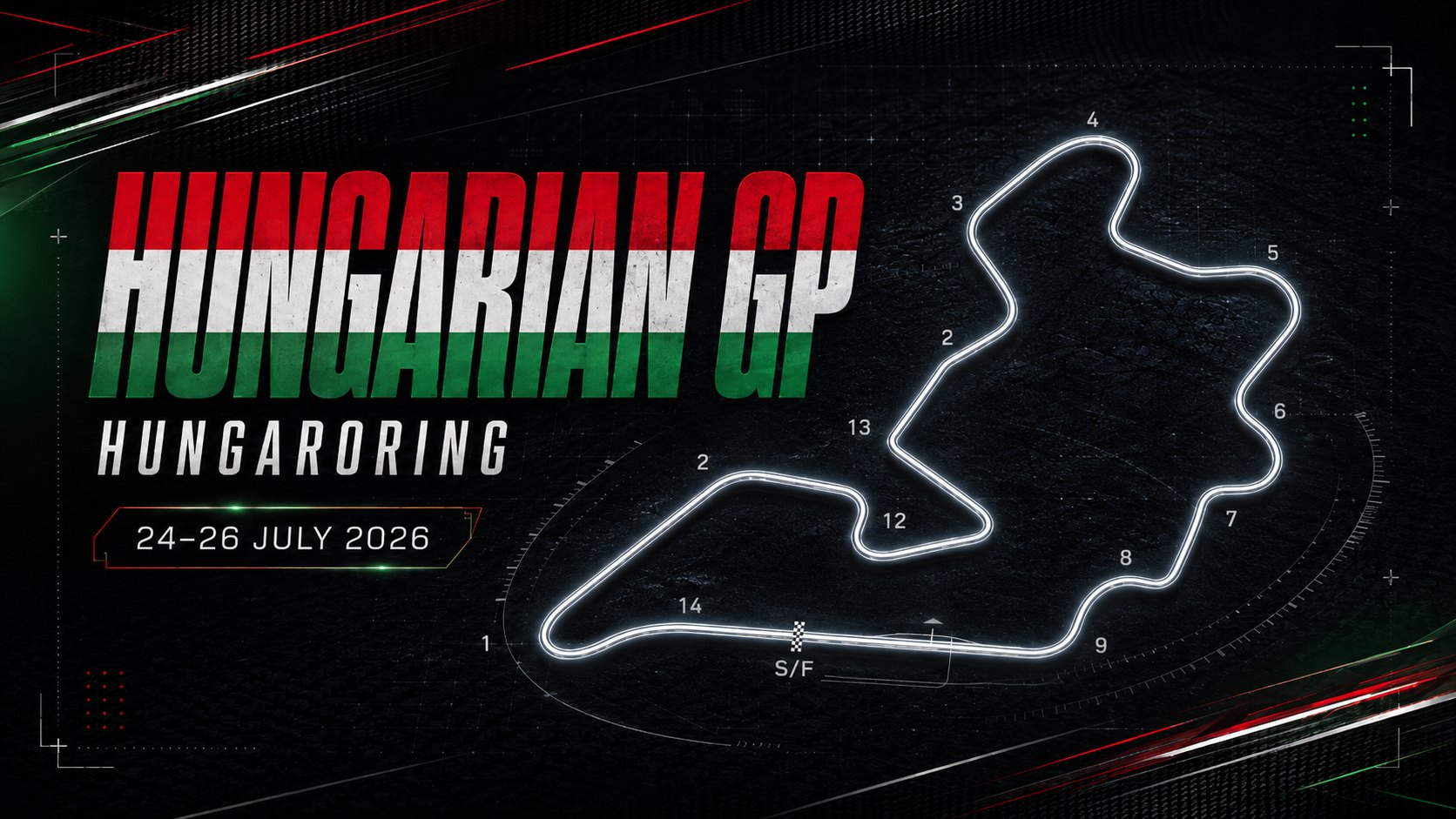
Hungary is a strategic choice. The Hungaroring is one of the tightest, most technical circuits on the 2026 calendar — 14 corners, minimal straight-line sections, and a layout that places a premium on mechanical grip and aerodynamic balance through slow- to medium-speed sequences. Bringing a revised package here signals that Aston Martin believes the update delivers genuine downforce gains rather than simply straight-line speed.
What Changes: Chassis, Gearbox and Suspension Detail
The structural elements of the 2026 Aston Martin — chassis and gearbox architecture — remain in place, but both have had weight removed, triggering the re-homologation process for the forward chassis. Newey was specific in his language: the main structural elements are unchanged, but the weight reduction is real and required formal re-certification.
On the suspension side, the picture is deliberately split. The front suspension is unchanged from the current specification — a conscious decision that likely reflects confidence in the existing front-end geometry and the desire to isolate variables during development. The rear suspension, however, carries a revision. Newey described it as “slightly revised,” which in the compressed vocabulary of F1 engineering typically signals a geometry or pick-up point change rather than a wholesale redesign.
Weight reduction on an F1 car at this stage of the season is not a trivial achievement. The 2026 technical regulations introduced new minimum weight parameters, and teams have been working throughout the year to strip grams from structural components without compromising the stiffness targets that underpin aerodynamic performance. When a team re-homologates a forward chassis mid-season, it is committing meaningful resource — both in engineering time and in the cost of the crash test programme itself, which must be completed at an FIA-approved facility.
The gearbox weight reduction sits alongside the chassis work. Gearbox casings are a known area where composite construction can yield significant mass savings, and any reduction there directly improves the car’s weight distribution options — a factor that feeds directly into tyre management at a circuit like the Hungaroring, where rear deg has historically been high across a 70-lap race distance.
Adrian Newey at Aston Martin: The Development Context
Adrian Newey joined Aston Martin as a cornerstone of the team’s long-term technical ambition, and the Hungary upgrade represents the first publicly confirmed hardware update delivered under his direct influence on the 2026 car. His arrival was one of the most discussed moves in F1’s recent history, and expectation has been high — but development timelines in F1 do not compress simply because a celebrated designer joins the team.
The decision to stay vague until now was itself a communication strategy. Teams routinely avoid committing to specific upgrade timescales until testing is complete and parts are confirmed ready, to avoid the reputational cost of a delay. The fact that Newey chose to make this confirmation himself — rather than leaving it to a team principal statement — underlines that this is his project and he is prepared to own it publicly.
For context, the Hungaroring is the venue for the 2026 Hungarian Grand Prix weekend. It sits late in the European phase of the calendar, making it one of the last opportunities to introduce a significant aerodynamic and structural package before teams face the logistical compression of back-to-back flyaway rounds. The timing is not accidental.
Aston Martin‘s 2026 season has been a study in managed expectations. The team has shown flashes of pace but has not yet consistently challenged the top three constructors. A genuine upgrade package — one that required re-homologation — is a statement that the development programme is delivering, not stalling.
The Hungaroring as a Testing Ground for the Update
The Hungaroring places specific demands on an F1 car that make it an effective proving ground for a package built around downforce and weight reduction. The circuit’s 14-corner layout, combined with a lap length of approximately 4.381 km, means that slow-speed mechanical grip and mid-corner aerodynamic load dominate lap time — areas directly affected by suspension geometry revisions and chassis mass distribution.
Historically, the Hungarian Grand Prix produces some of the season’s most strategically complex races precisely because the tight layout limits overtaking. Cars with strong qualifying pace — underpinned by aerodynamic confidence — tend to control races from the front, while those with rear tyre degradation problems bleed time in the closing stages. A rear suspension revision that improves load consistency could have a direct impact on race pace, not just single-lap performance.
The 2026 regulations have added a further layer of complexity. Power unit architecture changes and revised aerodynamic rules have shifted the balance of performance across the grid relative to prior seasons. Bringing a structurally updated chassis into this environment at Hungary gives Aston Martin two full practice sessions, qualifying, and 70 race laps to gather data before the summer break — the traditional mid-season pause that teams use to consolidate development direction for the second half of the year.
Running the upgrade on both cars rather than a single chassis is also significant. A one-car introduction is standard when teams want to compare old and new specifications directly. Two-car deployment suggests confidence: Aston Martin is not hedging, it is committing fully to the new specification from the moment it arrives in the paddock.
Collector Perspective: Aston Martin’s 2026 Identity on Display
For collectors of display replica F1 helmets, the Aston Martin 2026 season carries a particular weight because it marks the first full campaign shaped by Newey’s presence — and the Hungary weekend represents a visible inflection point in that story. Full-size 1:1 display helmets tied to Aston Martin’s 2026 drivers capture the British Racing Green identity at the exact moment the team’s technical narrative is developing most publicly.
Display and collector replica helmets at 1:1 scale reproduce the livery details and colour specifications that correspond to specific race weekends. A helmet produced to reflect the 2026 Aston Martin specification — deep green base, gold and white graphic elements — documents a season in which the team made one of the most high-profile engineering hires in modern F1 history. That context does not fade; if anything, it becomes more relevant to a collection as the season concludes and results are known.
At 123Helmets.com, full-size 1:1 replica helmets are exhibition-quality display pieces — not certified for protective use, not intended for track or road wear. They exist to document the visual identity of a season or a specific driver campaign. The Aston Martin 2026 helmet designs are among the most discussed on the current grid, partly because the British Racing Green livery photographs distinctively and partly because the Newey association adds a layer of narrative that resonates with serious collectors.
Collector items that correspond to moments of genuine technical significance — a re-homologated chassis debut, a mid-season upgrade confirmed by the designer himself — carry a story beyond their physical form. A display piece representing the 2026 Aston Martin season sits at one of those intersections.
What Comes Next for Aston Martin After Hungary
The Hungary upgrade is not a destination — it is a foundation for the second half of the 2026 season. Once the re-homologated chassis and revised rear suspension have completed their first race weekend, Aston Martin’s engineers will have a full dataset from a representative circuit to inform subsequent development directions. The summer break that follows the Hungarian Grand Prix is when teams typically consolidate wind tunnel correlation work, so arriving at that break with updated hardware data is valuable.
Newey’s public commitment to this specific race as the introduction point also sets a clear timeline against which the team’s output will be measured. If the update delivers meaningful lap time — particularly in race trim where tyre management matters most — it validates the re-homologation investment and builds momentum for the second half. If the gains are modest, the team will have honest data to work with across the break.
The 2026 constructors’ standings remain competitive through the midpoint of the season, and Aston Martin’s position within that contest will be shaped significantly by how this package performs. For the drivers, a genuine step forward in the car’s capability changes the conversation about what results are achievable in the remaining rounds.
For anyone following the Aston Martin project closely — whether as a racing fan or as a collector building a 2026 season archive — the Hungarian Grand Prix weekend is the moment to watch. It is where Newey’s first fully committed hardware statement meets the circuit and the stopwatch. The 1:1 display replica helmets from this period of the campaign will reflect a team at a genuine crossroads in its 2026 story.
“We plan to introduce our upgrade in Hungary on both cars. The main structural elements remain the same – the chassis and gearbox architecture don’t fundamentally change – but we’ve taken weight out of both, which required re-homologating and crash testing the forward chassis. The front suspension is unchanged. The rear suspension is slightly revised.”
— Adrian Newey, Aston Martin F1, 2026 (via @adamcooperF1 on X)
FAQ
Q: When is the Aston Martin 2026 upgrade being introduced?
The Aston Martin 2026 upgrade package is confirmed for the Hungarian Grand Prix, with Adrian Newey stating both cars will run the new specification at that event. The Hungaroring hosts the Hungarian Grand Prix in the European phase of the 2026 calendar.
Q: What has changed on the Aston Martin 2026 car for Hungary?
Weight has been removed from both the chassis and gearbox, requiring the forward chassis to be re-homologated and crash-tested. The rear suspension has also been slightly revised, while the front suspension remains unchanged from the previous specification.
Q: Why did Aston Martin need to re-homologate the chassis?
Re-homologation was required because weight was removed from the forward chassis structure, which changes its physical properties and demands fresh crash test certification at an FIA-approved facility. This process adds development time but confirms the new specification meets safety and structural standards.
Q: Are the 1:1 Aston Martin helmet replicas at 123Helmets certified for use?
No — the full-size 1:1 Aston Martin replica helmets at 123Helmets.com are display and collector pieces only, not certified for protective, road, or track use. They are exhibition-quality items designed to document and display F1 helmet liveries at true scale.
Q: Why is the Hungarian Grand Prix significant for collectors of 2026 Aston Martin items?
Hungary 2026 is the first race at which Adrian Newey’s confirmed hardware upgrade runs on both Aston Martin cars, making it a documented inflection point in the team’s 2026 season. Collector display helmets from this period of the campaign reflect that technical and narrative milestone.
Browse F1 Helmet Collection
Display and collector replicas only. Not certified for protective use. Full-size 1:1 scale.
This article was written with the help of AI tools. Editorial policy