
Blog
From Racetrack to Display Case: How F1 Helmet Liveries Became Collector Art
 123Helmets Editorial Team
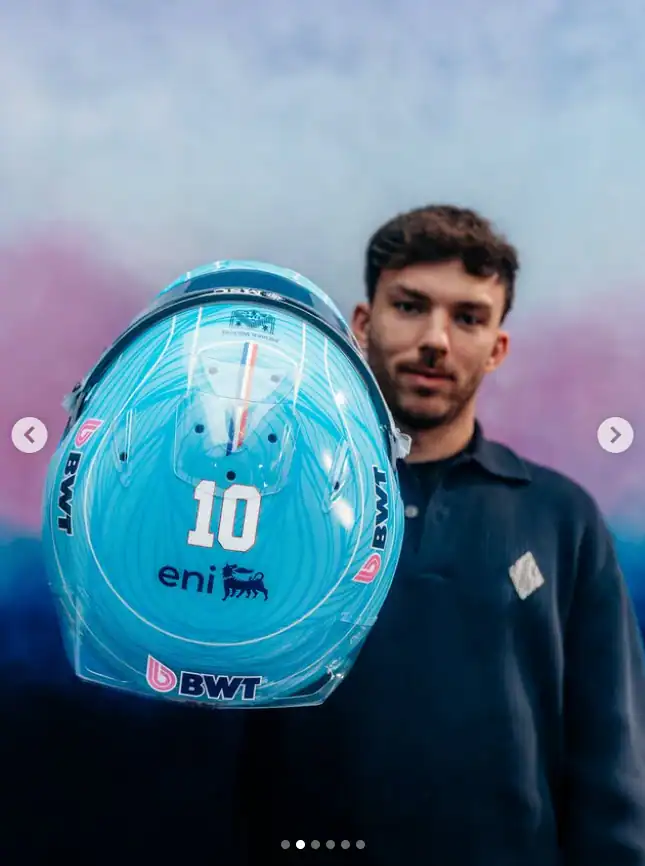
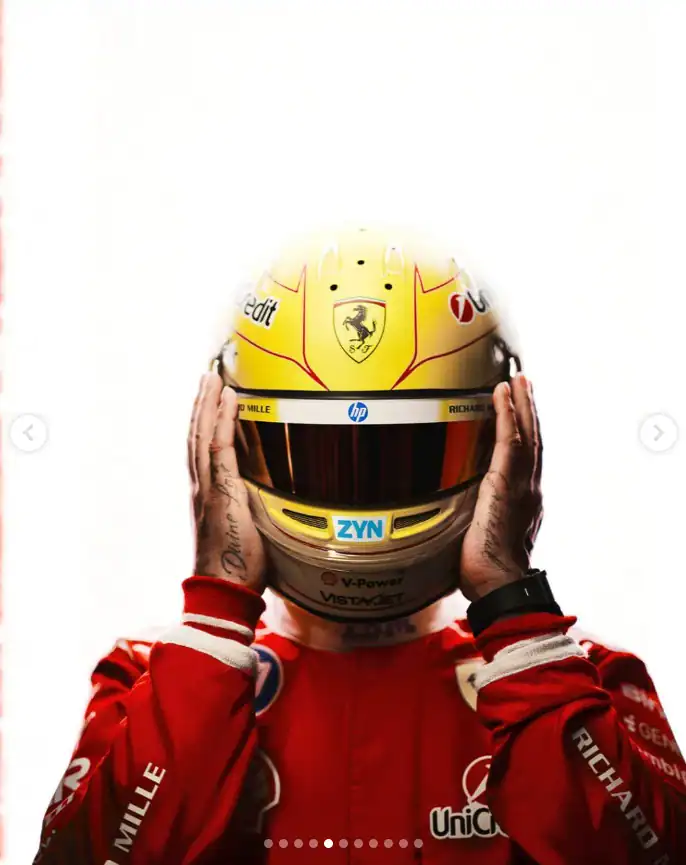
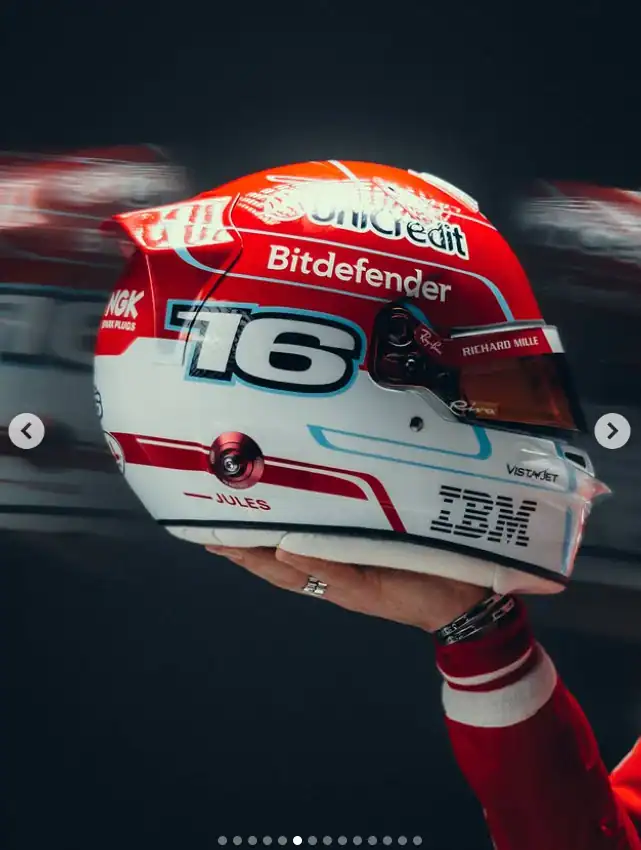
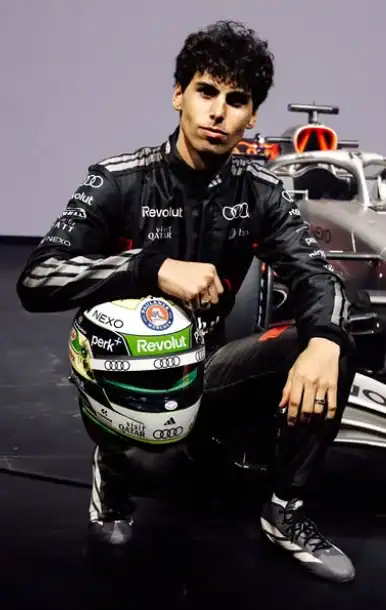
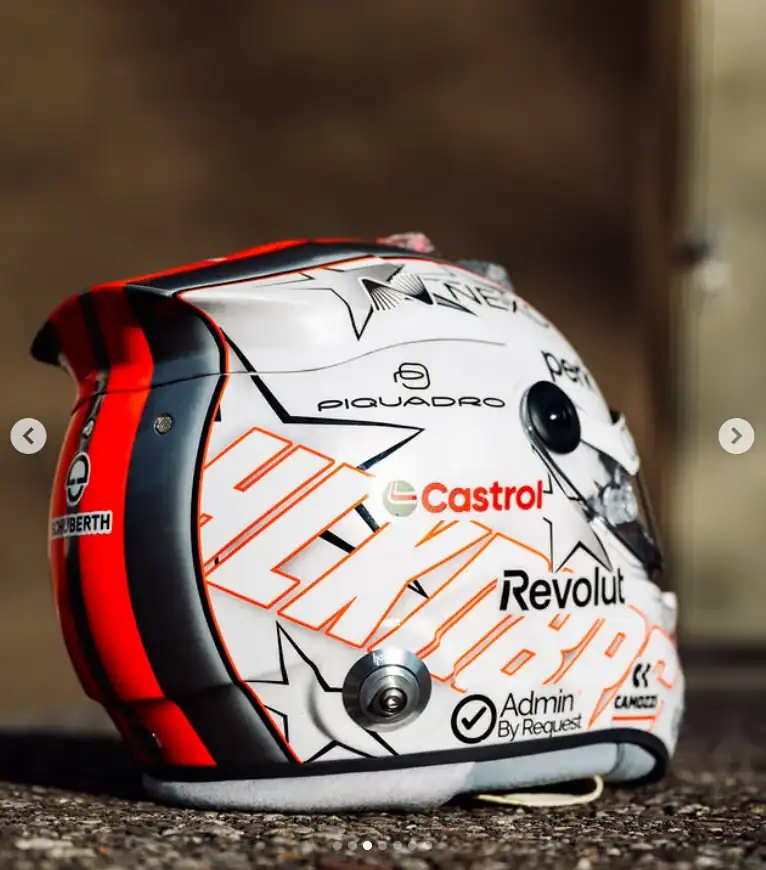
Formula 1 helmet liveries have spent seven decades evolving from plain white fiberglass shells into some of the most recognizable pieces of motorsport art ever produced. Today, a full-size 1:1 replica helmet sitting on a collector’s shelf carries every brushstroke of that history — race-specific graphics, sponsor typography, and driver identity locked into a display piece that outlasts the season that inspired it.
Key Takeaways
F1 helmet design shifted from purely functional plain shells in the 1950s to elaborate, race-specific liveries by the 1990s, making each season’s helmet a distinct collector artifact.
Full-size 1:1 replica helmets reproduce the exact graphics, colorways, and sponsor layouts of the original race helmet, giving display collectors an exhibition-quality piece at true scale.
Special one-off liveries — created for home races, championship-clinching rounds, or tribute events — are among the most sought-after subjects for display replicas because they were worn for as little as a single Grand Prix.
Display replica helmets are collector and exhibition pieces only, not certified for any protective use, and are produced to showcase the visual artistry of motorsport’s most personal piece of equipment.
Plain Shells to Personal Canvases: Seven Decades of F1 Helmet Design
F1 helmets went from undecorated white fiberglass shells in the early 1950s to fully individualized graphic canvases by the late 1970s, a shift that turned personal headgear into the sport’s most intimate branding medium. The very first Formula 1 World Championship round ran on 13 May 1950 at Silverstone, and the helmets worn that day bore no meaningful decoration — they were utilitarian objects, not artistic statements. Within three decades, that relationship had reversed entirely. Our F1 helmet livery guide traces this design evolution in depth.
The transition happened in stages. Through the 1950s and into the 1960s, drivers occasionally daubed a stripe or a national color across their helmet, but there was no systematic approach to livery. By the mid-1970s, tobacco and oil sponsors had begun funding individualized helmet schemes that coordinated with car liveries, and the helmet became a recognizable extension of a driver’s public identity. Niki Lauda’s red-and-white shell, worn throughout his 1975 and 1977 championship seasons, is an early example of a livery so consistent that it reads as a personal logo to this day.
The 1990s brought digital printing and airbrushing to the process, enabling gradients, photorealistic imagery, and multi-layer graphics that were impossible with earlier hand-painted methods. A single race helmet from this era could carry upward of a dozen distinct graphic elements — sponsor wordmarks, national flags, personal motifs, and background colorways — all sitting within the 29 × 25 × 35 cm face-area projection of a standard full-face shell. That visual density is exactly what makes the replica helmet such a compelling display object: every centimeter carries intent.
The One-Off Race Helmet: Why Single-Event Liveries Drive Collector Demand
One-off race helmets — designed for a single Grand Prix weekend and never worn again — are the rarest and most collectible subjects in F1 helmet art. A driver who switches livery for his home race, a championship-deciding round, or a tribute event produces a design worn for as few as 78 laps of competitive racing, yet that design can define how a moment is remembered for decades afterward.
The practice of producing special helmets for specific rounds became widespread from the late 1990s onward. By the 2000s, top-line drivers were working with dedicated helmet artists to produce bespoke liveries for occasions such as the 1,000th World Championship Grand Prix, national heritage rounds, and milestone personal anniversaries. These designs were photographed extensively, appeared on broadcast graphics, and entered the visual record of the sport in a way that a standard-issue season helmet never could.
For the collector market, the appeal is straightforward: a display replica of a one-off helmet is a precise record of a specific moment in time. The 2019 German Grand Prix at Hockenheim, run on 28 July 2019, produced one of the most chaotic race results of the hybrid era and was attended by drivers wearing some of that season’s most elaborate special-edition liveries. Owning a full-size 1:1 display replica of a helmet worn in that race — with its exact color splits, sponsor placements, and visor tint reproduced — is owning a physical record of that afternoon. No photograph or print achieves the same three-dimensional presence on a display stand.
The geometry of a full-face helmet shell also contributes to the collectibility of special liveries. The graphic wraps across compound curves — crown, cheek, chin — in ways that are invisible when the helmet is viewed flat. Only a full-size replica, mounted at eye level, shows how a designer solved the challenge of carrying a livery across those surfaces. That problem-solving is part of the art.
What Makes a Display Replica Exhibition Quality
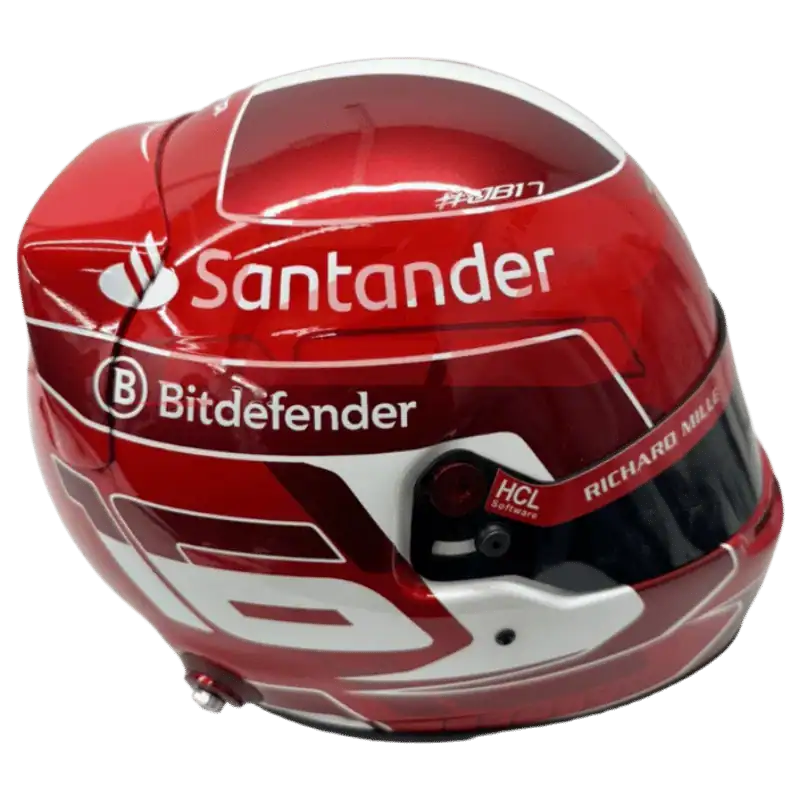
An exhibition-quality full-size 1:1 replica helmet reproduces the original livery at true scale, with accurate colorways, correct sponsor typography, and a finished interior consistent with the helmet type being represented. The phrase “exhibition quality” has a specific meaning in the collector context: the piece is produced to the standard required for display in a motorsport museum, a brand showroom, or a private collection — not as a souvenir approximation.
Scale is the foundation. A 1:1 replica means the outer shell dimensions match those of the actual helmet worn in competition. A full-face F1 shell from the modern era measures approximately 27 cm in height from chin to crown and spans roughly 35 cm at its widest lateral point, depending on the specific model being replicated. A piece produced at any smaller scale — common in lower-cost souvenir tiers — loses the proportion that gives the helmet its visual authority on a shelf. The 1:1 format is the only format that communicates what it actually felt like to look at this object sitting on the pit wall in parc fermé.
Color accuracy is the second axis of quality. Professional helmet artists mix colors to match Pantone or RAL references specified by the driver’s design team, meaning that a correctly produced replica will match the race helmet’s exact hues rather than a commercially available approximation. This matters particularly for liveries built on unusual color relationships — the specific orange of a Dutch supporter scheme, the precise shade of a Japanese racing heritage red — where a standard retail pigment will read noticeably wrong to anyone familiar with the original.
The visor is a third quality indicator. On exhibition-quality replicas, the visor is typically a fixed polycarbonate unit finished to a thickness of around 3 mm, tinted and treated to match the visual appearance of the race visor fitted during the specific event being replicated. Iridium, dark smoke, clear, and amber tints each change the character of a helmet’s front face substantially, and a correctly matched visor is part of the complete livery statement.
Championship-Season Helmets vs. Single-Race Pieces: Building a Coherent Collection
A collector choosing between a championship-season display helmet and a single-race special edition is choosing between two different kinds of historical document. The season helmet records who a driver was across 20-plus race weekends; the single-race piece records one specific afternoon. Both belong in a serious collection, but they serve different purposes on a display wall.
Championship-season helmets carry the weight of a complete narrative. Michael Schumacher’s 2004 Ferrari season — in which he won 13 of the first 15 races and secured his seventh and final championship — produced a helmet livery worn across all 18 rounds of that calendar. A display replica of that helmet represents not a single race but the entire arc of a dominant season. Collectors who organize their shelves by era or team tend to anchor displays around championship-season helmets because they function as chapter markers in the sport’s history.
Single-race pieces reward a different collecting logic, one organized around moments rather than seasons. The 2008 Brazilian Grand Prix at Interlagos — run on 2 November 2008 and decided on the final corner of the final lap — is among the most loaded individual race dates in the sport’s 75-year history. A display replica of a helmet worn specifically that day carries the full emotional weight of that afternoon. For a collector building a display around pivotal race moments rather than dominant seasons, this is the more focused choice.
Practically, the two approaches require different display footprints. A season-spanning collection of championship helmets from a single driver across multiple title years demands significant shelf space and benefits from a linear, chronological arrangement. A curated selection of single-event pieces can be organized around a theme — the Brazilian Grand Prix, the Monaco Grand Prix, championship-deciding rounds — and displayed more compactly. Many serious collectors maintain both formats: a backbone of season helmets for historical context, supplemented by single-event pieces for the moments that defined individual races.
Caring for Full-Size Display Replicas: Practical Notes for Collectors
Full-size 1:1 display replica helmets need UV protection, stable temperature, and controlled humidity to maintain their graphic finish over years of exhibition. These are display and collector items only — not certified for any protective use — and their long-term appearance depends entirely on the conditions in which they are stored and shown. For setup, lighting and case advice, see our display guide.
UV exposure is the primary enemy of printed and painted helmet graphics. Direct sunlight will fade pigments within months, and even indirect UV from a south-facing window will degrade colorways over a period of one to two years. Collectors displaying helmets in rooms with natural light should use UV-filtering acrylic display cases or UV-filtering window film. Dedicated display cases with internal LED lighting allow exhibitors to control the light spectrum entirely, eliminating UV damage while keeping the piece visible and well-lit.
Temperature stability matters because the polycarbonate and ABS materials used in replica helmet shells expand and contract with heat variation. Sustained high temperatures — such as those found in a car, an unventilated storage unit in summer, or near a radiator — can cause graphic films to lift at their edges and visor mounting hardware to loosen. A stable ambient room temperature of between 18 °C and 22 °C is the standard recommendation for long-term display of collector helmets.
Cleaning requires a non-abrasive microfiber cloth and, where necessary, a small amount of water-based cleaner applied to the cloth rather than directly to the shell. Solvent-based cleaners will strip the clear lacquer layer that protects the underlying graphics on most exhibition-quality replicas. The visor, typically a 3 mm polycarbonate unit, scratches easily and should be cleaned with a dedicated optical-grade cloth rather than household fabrics. A helmet displayed without a case should be dusted weekly; one kept under acrylic can go considerably longer between cleanings without degradation.
The Long-Term Value of Helmet Art in a Motorsport Collection
Display replica helmets hold their place in a motorsport collection because they occupy a physical and visual scale that no two-dimensional medium can match. A framed photograph of a race helmet communicates color and graphic design; a full-size 1:1 replica communicates volume, proportion, and the three-dimensional grammar of a livery designed to be read at speed from a grandstand 30 meters away.
The cultural position of the F1 helmet has also shifted significantly. Through the 1980s and 1990s, helmets were primarily functional objects with branding attached. From the 2010s onward — partly due to social media’s appetite for highly visual content — the helmet became a primary communication vehicle for drivers, used to announce partnerships, express national pride, pay tribute to historical figures, and generate pre-race editorial coverage. By the 2020s, a new helmet design for a significant race was a media event in its own right, with design reveals published to audiences of millions before a single lap had been turned. That cultural elevation of the helmet as a designed object has directly increased collector interest in display replicas that capture those designs at full scale.
For the collector building a long-term display collection, the helmet sits at a scale intersection that makes it uniquely suited to serious display: large enough to command a room, small enough to fit a standard shelf, and complex enough in its graphic content to reward close inspection from 30 cm away. A full-size 1:1 replica of a helmet from the 2024 season, placed alongside a replica from 1994 and another from 1974, produces an immediate visual essay on how motorsport identity has evolved — three objects, three decades, no text required.
“The helmet is the one piece of equipment that belongs entirely to the driver. The car is the team’s. The helmet is his.”
— Common sentiment among F1 helmet designers and collectors
“When you see a helmet on a shelf, you see the whole season. Every race that driver started, every point they scored — it’s all in that paint.”
— Motorsport collector perspective
FAQ
Q: What is a full-size 1:1 F1 replica helmet?
A full-size 1:1 F1 replica helmet is a display and collector item produced at the exact same outer dimensions as the helmet worn by a driver in competition, reproducing the livery, colorways, and sponsor graphics of the original. It is not certified for any protective use and is intended exclusively for display, collection, and exhibition purposes.
Q: Are display replica helmets safe to wear or use on track?
No — display replica helmets are collector and exhibition pieces only, with no safety certification of any kind. They carry no FIA, Snell, ECE, or DOT rating and must not be used for any road, race, or track application. Their purpose is display and collection.
Q: Why do collectors prefer 1:1 scale over smaller replica formats?
Collectors prefer 1:1 scale because the true dimensions of a full-face F1 shell — approximately 27 cm in height and 35 cm in lateral width — are essential to reading the livery as the designer intended it. Smaller scale formats distort graphic proportions and lose the visual authority the helmet carries when displayed at actual size.
Q: What makes a one-off race helmet more collectible than a standard season helmet?
One-off race helmets are more collectible because they were produced for a single Grand Prix weekend and worn for as few as one race distance, making them unique records of a specific event. Their limited real-world use and direct association with a particular race date — rather than an entire season — gives them a precise historical identity that standard season helmets do not have.
Q: How should I display and protect a full-size F1 replica helmet at home?
Display your replica helmet away from direct sunlight and UV exposure, in a stable temperature between 18 °C and 22 °C, ideally under a UV-filtering acrylic display case. Clean the shell with a non-abrasive microfiber cloth and avoid solvent-based products that can strip the protective lacquer layer over the graphics.
Every helmet in our range is a full-size 1:1 display replica, produced to exhibition quality and representing specific drivers, seasons, and race moments. Browse F1 Helmet Collection at /shop/ to find the design that belongs in your collection.
Display and collector replicas only. Not certified for protective use. Full-size 1:1 scale.
This article was written with the help of AI tools. Editorial policy