
Blog
Hamilton Penalty at Hungarian GP 2026: Early Limiter Release
 123Helmets Editorial Team
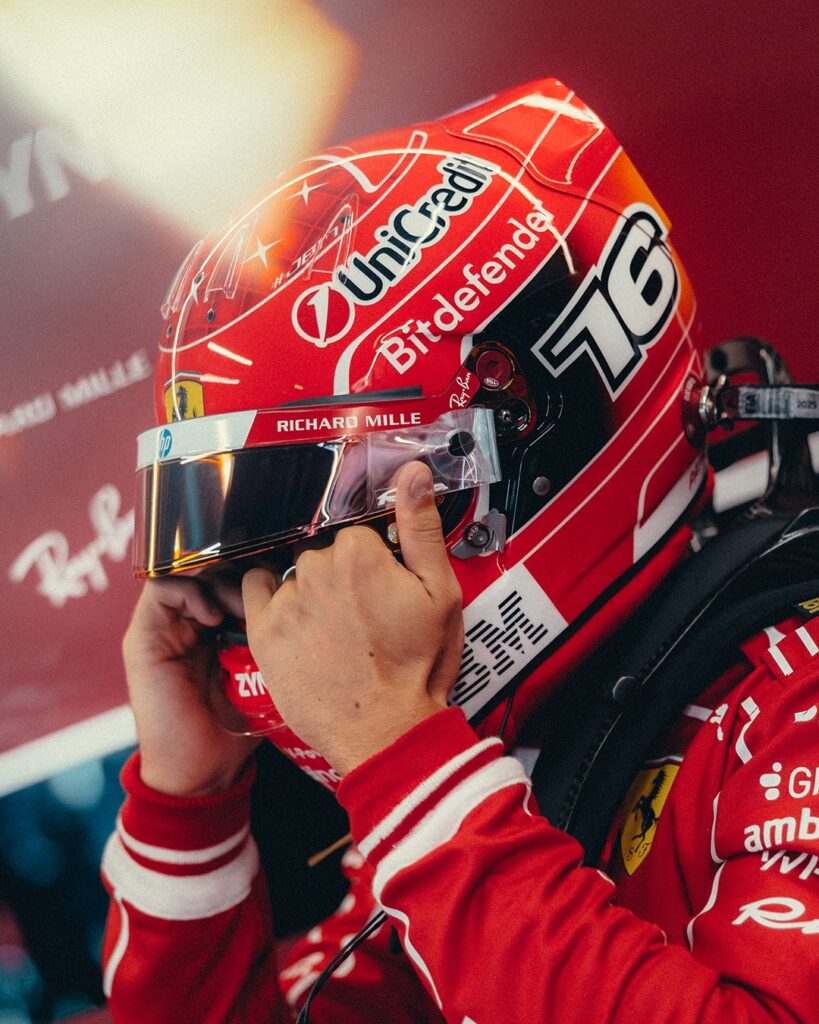
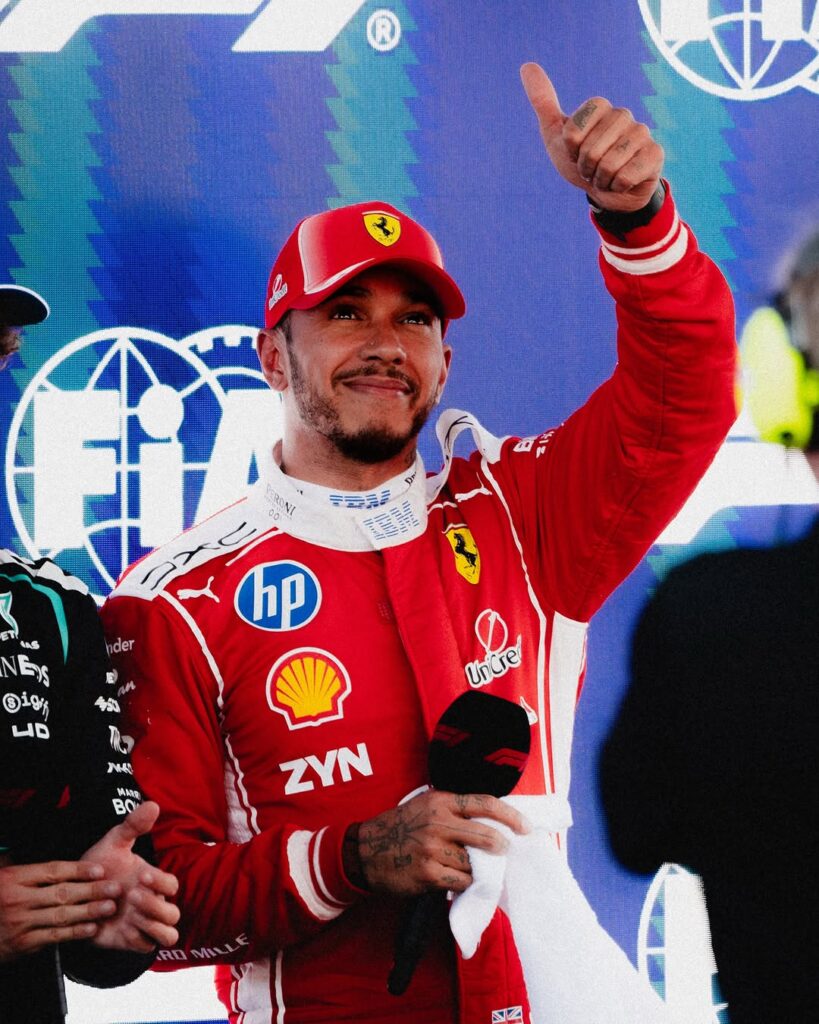
Lewis Hamilton was handed a penalty at the 2026 Hungarian Grand Prix after releasing his pit limiter too early in an attempt to exit the pits ahead of Andrea Kimi Antonelli, a move that also compromised Oscar Piastri and turned a promising Ferrari weekend at the Hungaroring into a damage-limitation exercise.
Key Takeaways
Hamilton was penalized for impeding Oscar Piastri after releasing his pit limiter early during a Virtual Safety Car call at the Hungaroring.
Ferrari looked fastest on Friday at the Hungarian Grand Prix but missed pole position on Saturday, changing the entire weekend outlook.
Charles Leclerc, starting from the front row, was forced to use a new soft set he had wanted to save for the race, then lost ground with a slow start.
Track position was the decisive factor: Ferrari needed Hamilton out ahead of Antonelli to have any chance of chasing down Max Verstappen.
What Happened at the Hungaroring
Ferrari arrived at the Hungarian Grand Prix hoping to close the run into the summer break with a third strong result in a row, after a win at Silverstone and a second-place finish at Spa-Francorchamps. On Friday the car looked like the fastest package on track, but Saturday qualifying told a different story: no pole position, and a front-row start for Charles Leclerc that immediately put Ferrari on the back foot for Sunday.
With overtaking notoriously difficult at the Hungaroring even under the current regulations, track position was going to decide the race almost by itself. Leclerc’s slow getaway from the front row meant both Ferrari cars were suddenly chasing rather than leading, and every subsequent strategic call carried far higher stakes than a normal Sunday.
The Penalty Explained
Hamilton was penalized for releasing his pit limiter too early as he tried to exit the pit lane ahead of Andrea Kimi Antonelli, a move that impeded Oscar Piastri in the process. The incident occurred when Ferrari called Hamilton in for his second stop under a Virtual Safety Car, a moment where track position gains and losses are magnified because every rival is running at reduced pace.
Ferrari’s calculation was straightforward on paper: get Hamilton out in front of Antonelli, and he would have a tire offset advantage to chase Max Verstappen, who had stayed out on a soft compound that had already completed a significant number of laps. In trying to force that outcome, Hamilton released the limiter a fraction early, compromising Piastri’s position and triggering the stewards’ review that produced the penalty.
Why Track Position Mattered So Much
Track position was effectively the entire race at the Hungaroring this year, because overtaking remains difficult there even with the current generation of cars. Ferrari’s fear was that Hamilton, the first of the two front-runners to make his second stop, would lose time in the closing stint while Antonelli, pitting much later, would have fresher tires and more pace to fight for second place.
That fear is what pushed Ferrari toward fitting Hamilton with a new soft set for the in-and-out lap under the Virtual Safety Car, a tire that in theory gave him an edge over Antonelli’s older rubber. But an edge in tire performance only matters if the driver actually clears the rival on track, and that is precisely where the early limiter release created the problem that led to the penalty.
The Pit Wall Gamble
Ferrari’s pit wall made a high-risk call by fitting Hamilton with a new soft tire specifically to try to beat Antonelli out of the pits, a gamble that also required a flawless pit-lane exit to pay off. Even with a tire advantage, Ferrari needed absolute certainty that Hamilton would emerge ahead of Antonelli before he could realistically set his sights on Verstappen, who remained on track running a soft compound that had already covered considerably more laps than the fresh set Hamilton was given.
The margin for error in that scenario was minimal. A car exiting the pit lane under a Virtual Safety Car has to time the limiter release exactly right to avoid gaining an unfair advantage or blocking another driver; Hamilton’s early release did the latter, catching Piastri out and prompting the stewards to intervene once the Grand Prix resumed.
Leclerc’s own weekend was complicated in parallel. Starting from the front row, he had already been forced to use the new soft set he had intended to save specifically for the race, a resource he could not get back once it was gone. Combined with a slow launch off the line, Leclerc found himself defending rather than attacking on a circuit where clean air is close to everything.
The Wider Championship Context
Ferrari left Budapest with a race that started full of promise and finished as a lesson in how quickly a single strategic misstep can unravel a weekend. The team had built momentum with a Silverstone victory and a second-place finish at Spa, both circuits where Ferrari’s competitiveness had been questioned beforehand. The Hungaroring, by contrast, was expected to play to Ferrari’s strengths, which made the missed pole position and the penalty for Hamilton sting even more.
Antonelli’s later pit stop gave him the fresher tires Ferrari had been trying to guard against, while Verstappen’s ability to extend his stint on a soft tire that had already logged more laps than any of the fresher rubber on track added another layer of difficulty for Ferrari’s recovery plan. The combination of Hamilton’s penalty, Leclerc’s compromised tire strategy, and the general difficulty of passing at the Hungaroring left Ferrari heading into the summer break with more questions than answers.
For fans of Lewis Hamilton and the wider Ferrari project, the Hungarian Grand Prix will be remembered as one of those weekends where pace on Friday counted for very little once Saturday and Sunday actually happened.
“Track position at the Hungaroring is worth more than raw pace on a Sunday; if you don’t clear the car ahead cleanly, the whole strategy collapses.”
— 123Helmets F1 Desk analysis
FAQ
Q: Why was Lewis Hamilton penalized at the Hungarian Grand Prix?
Hamilton was penalized for releasing his pit limiter too early while trying to exit the pit lane ahead of Andrea Kimi Antonelli during a Virtual Safety Car period, a move that impeded Oscar Piastri in the process.
Q: What was Ferrari trying to achieve with the fresh soft tire strategy?
Ferrari fitted Hamilton with a new soft set to try to gain a tire advantage over Antonelli’s older tires, aiming to clear him on track and then chase down Max Verstappen in the closing stages.
Q: How did Charles Leclerc’s race get complicated at the Hungaroring?
Leclerc was forced to use the new soft tire set he had planned to save for the race itself, and a slow start from the front row left both Ferrari cars chasing rather than leading on a circuit where overtaking is difficult.
Q: What results did Ferrari have before the Hungarian Grand Prix?
Ferrari had won at Silverstone and finished second at Spa-Francorchamps in the races before Budapest, building expectations for another strong result at the Hungaroring.
Q: Why is track position so important at the Hungaroring?
Overtaking remains difficult at the Hungaroring even under current F1 regulations, which is why Ferrari treated clearing Antonelli on track as the decisive factor in Hamilton’s race.
Shop Lewis Hamilton Collection
Display and collector replicas only. Not certified for protective use. Full-size 1:1 scale.
This article was written with the help of AI tools. Editorial policy