Blog
Lando Norris’ Recovery Drive: Belgian GP 2026 Review
 123Helmets Editorial Team
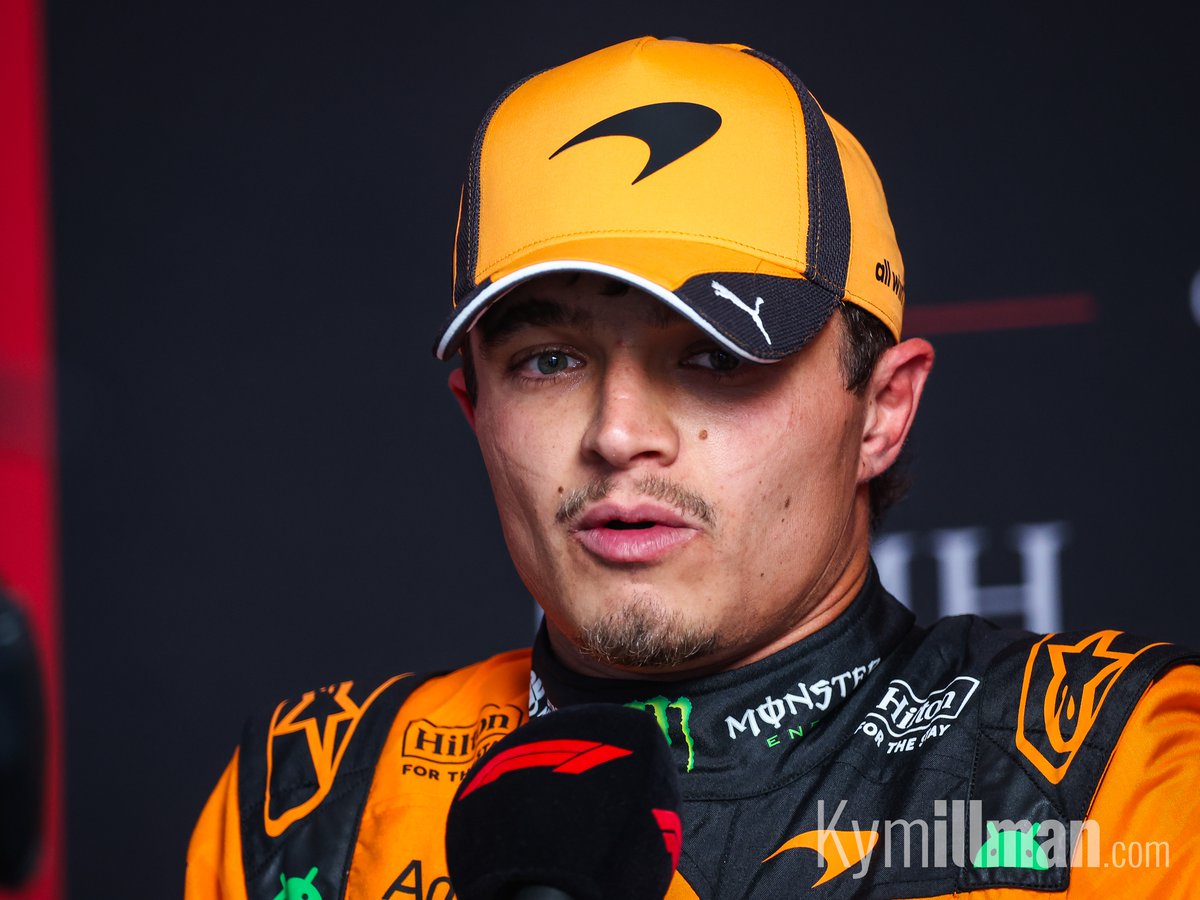
After a grid penalty for fresh power unit components forced Lando Norris to start well outside the top ten, the reigning World Champion turned the 2026 Belgian Grand Prix into a study in recovery driving, clawing back positions through Spa-Francorchamps’ 7.004 km layout before a late pit stop reshuffled the final order.
Key Takeaways
Lando Norris took a grid penalty at Spa for new power unit components, starting the 2026 Belgian Grand Prix from well down the order.
His strongest progress came in the opening stint, where he made up the bulk of his positions on the 7.004 km Spa-Francorchamps circuit.
A late pit stop ultimately cost Norris a place or two, but the underlying pace of his McLaren was a positive signal for the season.
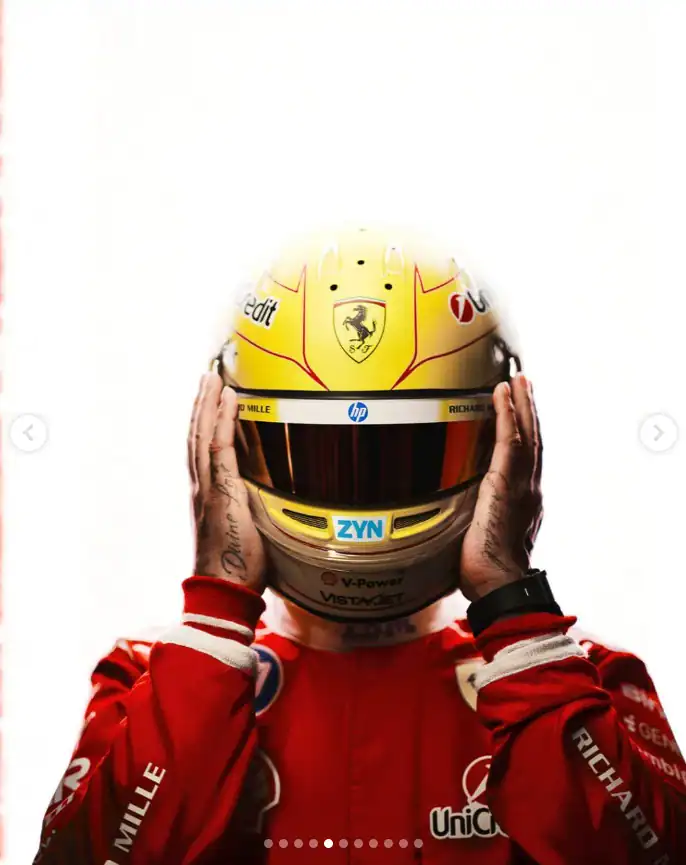
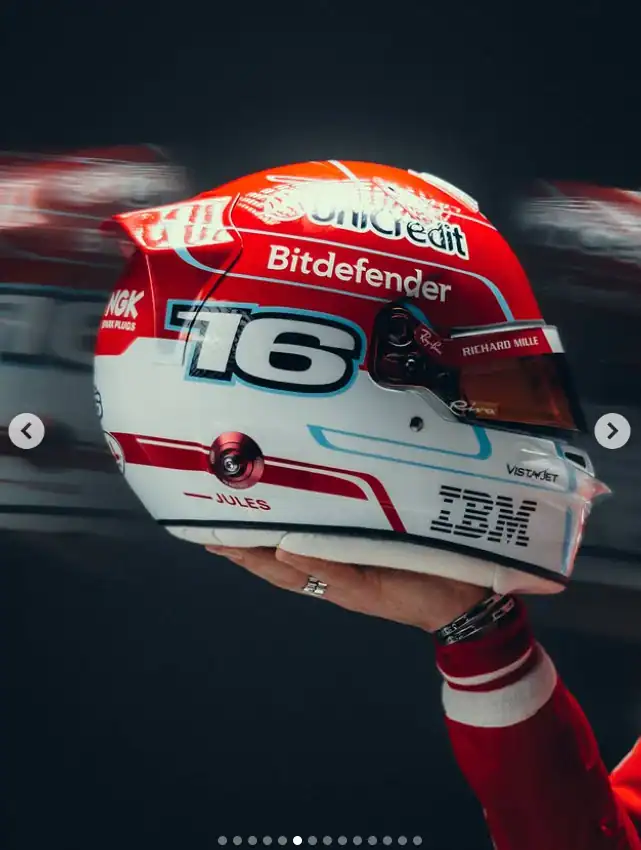
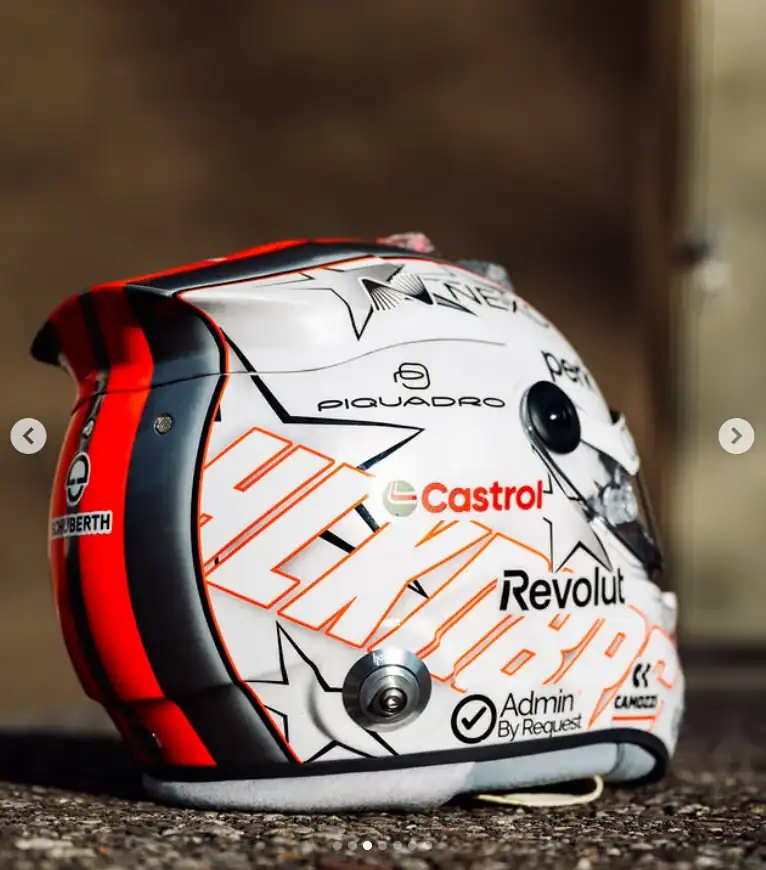
Display replicas of the current McLaren helmet design let collectors mark this recovery drive with a full-size 1:1 exhibition piece.
What Happened to Lando Norris at the 2026 Belgian GP
Lando Norris started the 2026 Belgian Grand Prix from well outside the top ten after his McLaren team elected to fit new power unit components, triggering a grid penalty under FIA sporting regulations. The reigning World Champion went into the race at Spa-Francorchamps knowing the day would be about damage limitation rather than a straight fight for the win. That reality shaped every strategic call his team made across the 7.004 km lap, one of the longest and most demanding circuits on the 2026 calendar.
Rather than settle for a quiet afternoon, Norris used the opening stint to attack. Spa’s mix of long straights, from Kemmel to the run down to Les Combes, combined with sweeping corners like Pouhon and Blanchimont, gave the McLaren driver room to pass cars on pace rather than DRS alone. By the time the first round of stops arrived, he had already recovered a meaningful chunk of the positions lost at the start.
The Opening Stint: Where Norris Made His Move
The opening stint was where Lando Norris did the bulk of his recovery work at the 2026 Belgian Grand Prix. Starting from a grid slot compromised by his power unit penalty, he needed early pace rather than late-race fireworks, and that is exactly what he delivered through the first phase of the race on the long Spa-Francorchamps layout.
Tyre management and raw speed both played a part. Norris pushed hard in traffic, using the McLaren’s balance through the high-speed sections to close and pass cars that had started ahead of him purely because of grid position rather than outright pace. This stint effectively decided how much ground he could realistically claw back before strategy and pit windows came into play later in the afternoon.
The Late Pit Stop and Its Cost
A late pit stop cost Lando Norris a place or two at the 2026 Belgian Grand Prix, undoing some of the ground gained during his strong opening stint. Strategy calls made under pressure, particularly when a driver is recovering from a grid penalty, always carry risk, and the timing of this stop proved to be the difference between a stronger finish and the eventual result.
Despite that setback, the overall shape of the weekend remained encouraging for McLaren. A driver who starts from a compromised grid slot and still finds himself fighting through the order on raw pace is sending a clear signal about the competitiveness of the car, even if the final scoreboard does not fully reflect the pace shown on track.
Why This Recovery Drive Matters for the Season
This recovery drive matters because it showed McLaren’s pace advantage extends beyond clean-air qualifying laps. Grid penalties strip away the ability to control track position from the start, and races like this Belgian Grand Prix become a genuine test of a car’s raw speed in traffic, on a circuit as unforgiving as Spa-Francorchamps.
For Norris personally, taking the power unit hit now, rather than later in the season, is a calculated trade-off common in modern F1 strategy. Component allocations across a season are limited, and teams often choose to absorb a penalty at a circuit where overtaking is possible, such as Spa’s long straights, rather than at a tighter track where recovery would be far harder.
Collecting the Moment: Full-Size Display Helmets
A full-size 1:1 display helmet is the most direct way for collectors to mark a race weekend like this one. Exhibition-quality replicas reproduce the exact graphics, colorways and finish of a driver’s 2026-season helmet, letting fans commemorate specific performances, such as a recovery drive through the field at Spa-Francorchamps, on a shelf or stand rather than just in highlights footage.
These are display and collector items rather than equipment for wear, built to the same external scale and proportions as the helmets used on track. For a season already defined by penalty-driven strategy calls and hard-fought recoveries, a full-size replica of the current McLaren design gives fans a tangible piece of the story to keep alongside race memorabilia.
FAQ
Q: Why did Lando Norris start the 2026 Belgian Grand Prix with a grid penalty?
Norris took a grid penalty because McLaren fitted new power unit components ahead of the race. Under FIA sporting regulations, exceeding the allocated number of power unit elements within a season triggers a grid drop, which is what pushed him down the order at Spa-Francorchamps.
Q: Where did Norris make most of his progress during the race?
He made most of his progress in the opening stint. Using the long straights and high-speed corners of the 7.004 km Spa-Francorchamps circuit, Norris passed cars on pace before strategy and pit stops reshaped the field later in the race.
Q: Did the late pit stop help or hurt Norris’ final position?
The late pit stop cost him a place or two. While the timing was intended to support his recovery strategy, it ultimately undid part of the ground he had gained during the stronger opening phase of the race.
Q: What does this race show about McLaren’s competitiveness in 2026?
It shows the car has strong raw pace even outside clean-air qualifying conditions. A driver recovering through traffic from a penalized grid slot is a tougher test of car performance than a straightforward points finish from the front.
Q: Is the McLaren helmet replica sold as a wearable safety item?
No, it is a full-size 1:1 display and collector replica intended for exhibition. It is not certified for protective use and is built for display purposes rather than on-track wear.
Browse F1 Helmet Collection
Display and collector replicas only. Not certified for protective use. Full-size 1:1 scale.