Blog
Luke Browning’s Fifth FP1 Outing with Williams: A Collector’s Look at the Rookie’s Helmet Moment
 123Helmets Editorial Team
Luke Browning walked into the Spanish GP paddock with a wide smile and a simple prep routine — “lots of paella.” The British Formula 2 driver climbs into the Williams FW46 for FP1, marking his fifth Free Practice 1 appearance, a milestone moment that collectors and display enthusiasts will want to track for future 1:1 replica helmet releases.
Key Takeaways
Luke Browning will drive the Williams FW46 in FP1 at the Spanish GP, his 5th FP1 appearance
Browning arrived in the paddock smiling, citing “lots of paella” as his preparation
Williams continues its program of giving young drivers seat time during mandatory rookie FP1 sessions
Rookie FP1 appearances often produce limited-run collector helmets that gain value over time for display collections
A Smile, a Paddock Arrival, and a Fifth FP1 Opportunity
Luke Browning is back in a Formula 1 car. The British driver, part of the Williams Driver Academy, will pilot the team’s 2024 challenger during Free Practice 1 at the Spanish Grand Prix — his 5th FP1 outing in the sport. He was spotted entering the paddock with a relaxed grin, and when asked about his preparation routine, Browning kept it brief: “Lots of paella.”
That dry humour fits the moment. For a young driver chasing a full-time race seat, the 60-minute FP1 window is one of the few chances to log mileage in a current-generation F1 car under real session conditions. Each lap is data, each radio call is evaluated, and each helmet that emerges from the cockpit becomes part of the driver’s growing visual identity — material that collectors of 1:1 display replicas track closely.
For Williams, the session is also part of compliance with the FIA-mandated rookie FP1 program, which requires teams to give junior drivers track time across the season. The Spanish GP slot at Circuit de Barcelona-Catalunya, a 4.657 km layout, is one of the more demanding venues for a first session of the weekend.
Why This Outing Matters for the Williams Junior Program
Browning has been steadily building his profile through Formula 2 in 2024 with Hitech, and his FP1 tally now reaches five — a meaningful number for an academy driver. Williams team principal James Vowles has been open about wanting to develop talent in-house, and giving Browning repeated FP1 sessions is part of that pipeline strategy.
The Helmet as the Centrepiece of a Rookie Moment
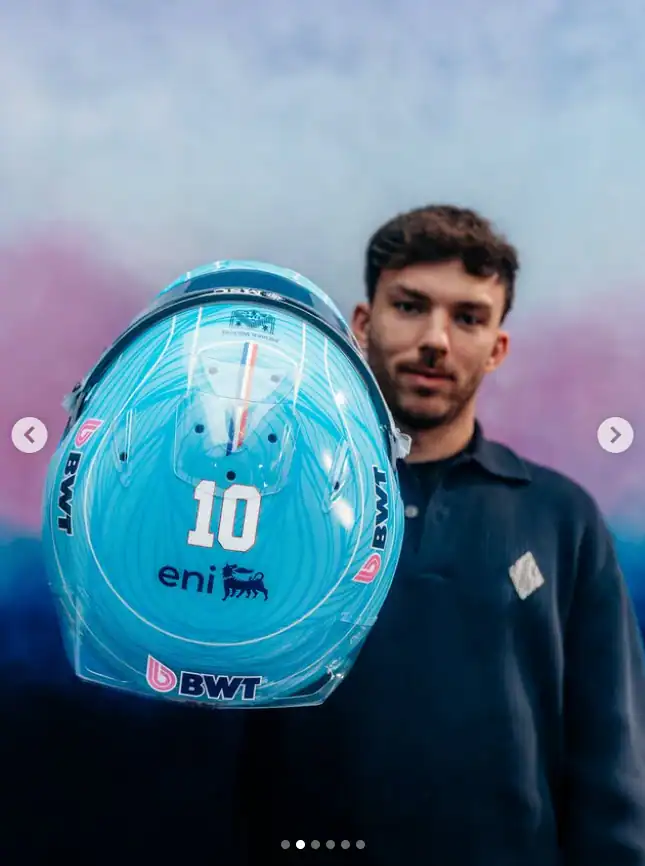
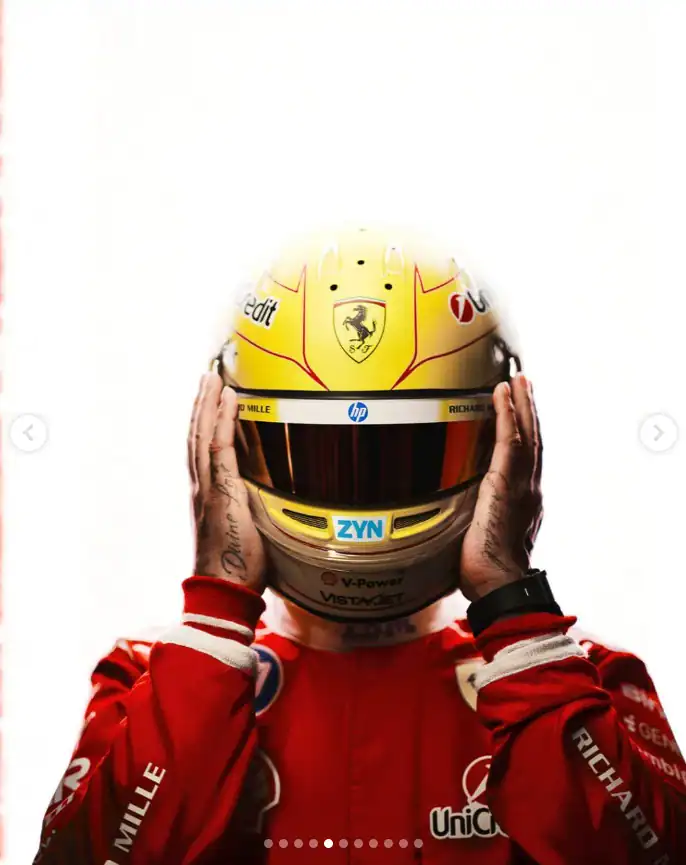
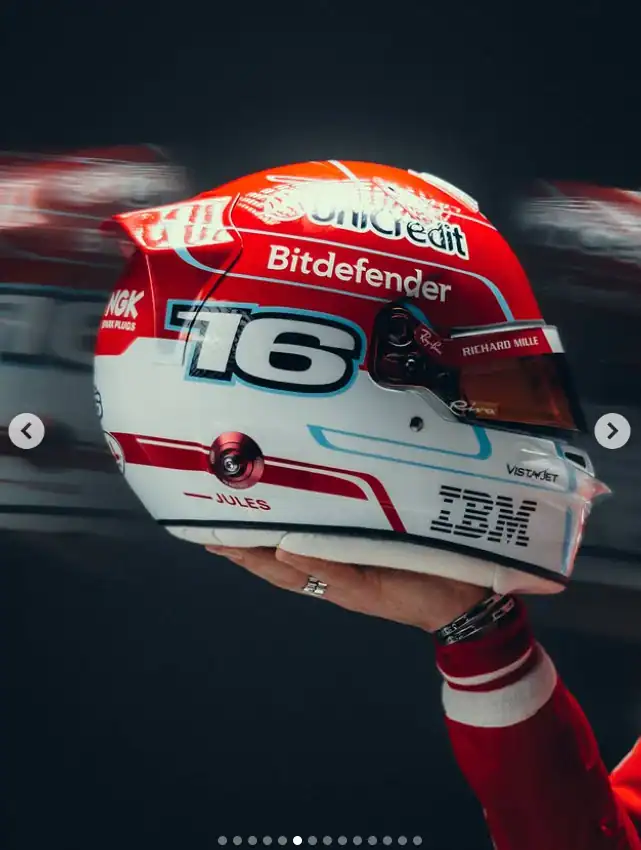
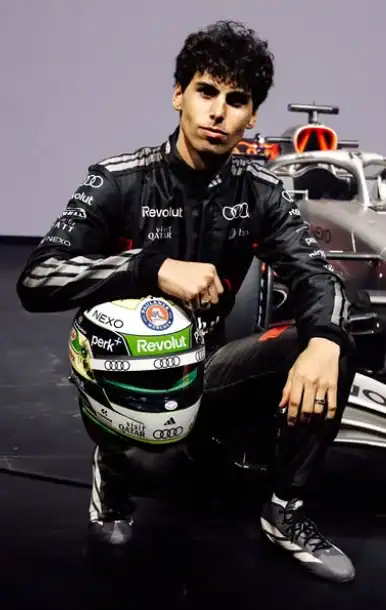
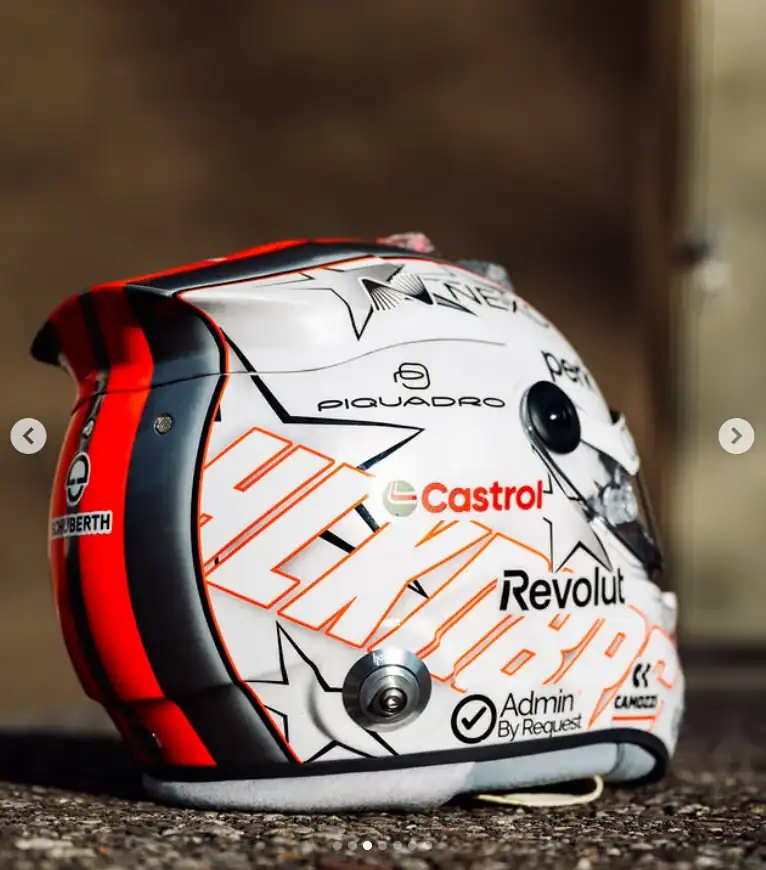
When a junior driver climbs into an F1 car, the helmet is the single most photographed object of the day. It catches sunlight in the pit lane, fills the frame on the grid walk, and dominates every onboard camera angle during the 60-minute session. For collectors who buy full-size 1:1 display replicas, these rookie FP1 appearances are exactly the kind of moment that fuels future demand for limited helmet runs.
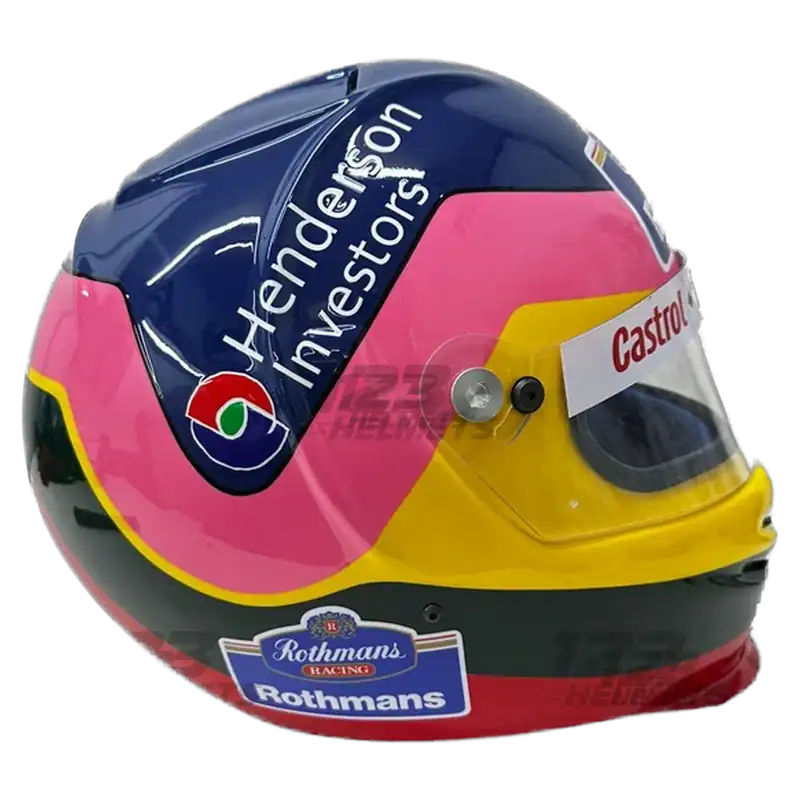
A full-size 1:1 collector helmet typically measures around 29 × 25 × 35 cm at the shell, weighs roughly 1.2–1.5 kg when finished with display-grade paint and clear coat, and is produced from fibreglass or composite shells intended purely for exhibition. The visor opening, mirror tear-off posts, top air intake, and rear duct are all reproduced to match the actual on-track item the driver wore — which is why photographs from sessions like Browning’s FP1 are so valuable to the replica-making process.
What Makes Rookie Helmets Different
Rookie helmets often feature one-off colour schemes, special messages from family or sponsors, or a debut livery the driver may never wear again. That scarcity is what drives collector interest. A helmet seen during a 5th FP1 outing in 2024 may never reappear in the same form, which is exactly why display collectors document these sessions in real time.
Paint and Finish Detail
A typical exhibition-grade 1:1 replica goes through 8 to 12 paint layers, including base coat, design layers, candy pearls or metallics, and a final 2K clear coat polished to a glass finish. Decals are applied between clear layers so logos sit flush with the shell, mimicking the look of the original — but these pieces are display items only, never intended for any protective use.
Williams in 2024: A Season of Rebuilding and Showcasing Talent
The 2024 Williams campaign has been one of patience. The Grove-based outfit, founded in 1977 and a 9-time Constructors’ Champion across its history, is in the early phases of the Vowles-led rebuild. Race drivers Alex Albon and Franco Colapinto have carried the main load, while FP1 slots have been used to evaluate academy talent under live track conditions.
Browning’s 5 FP1 appearances place him among the more experienced rookies in the current junior driver bracket. Each session adds telemetry, tyre management notes, and brake-feel feedback that the engineering team logs against the regular drivers’ baseline. For a display collector tracking the Williams story, these are the data points that contextualise a helmet sitting on a shelf years from now.
The Spanish GP as a Reference Venue
The Circuit de Barcelona-Catalunya is often called the engineer’s circuit. Its 16 corners include high-speed sweeps, medium-speed direction changes, and a hairpin that punishes any setup compromise. For a rookie, completing a clean 60-minute FP1 here without traffic incidents is a meaningful result. The lap time delta to the race drivers is the headline number that media and fans will check first.
Why FP1 Sessions Generate Strong Collector Interest
For the display and replica community, FP1 sessions involving rookies produce three things collectors care about: a documented helmet design, dated photography from a specific weekend, and a clear narrative attached to the piece. A 1:1 replica is fundamentally a storytelling object — it sits on a stand, lit by a 3 W LED, and tells the viewer about a specific moment in a driver’s career.
Browning’s smile in the paddock, captured at the Spanish GP, is the kind of micro-moment that adds value to any future replica run associated with this session. The “lots of paella” quote is now part of the lore. Years from now, when a collector turns over a Browning Williams display helmet on a 360-degree rotating stand, that paddock arrival is part of the object’s biography.
How Collectors Track These Moments
Serious display collectors maintain spreadsheets — driver, team, session, date, livery variant, and photographic reference. A 5th FP1 outing on a Spanish GP Friday is a logged entry. If a 1:1 replica appears later from a licensed manufacturer, the collector can verify the design against the original session photography down to the millimetre on stripe placement and logo size.
Display Standards for 1:1 Helmets
Most premium display setups use an acrylic case roughly 32 × 32 × 38 cm, with a felt-lined base and optional under-lighting. Humidity is kept below 55 % to protect the clear coat over a 10-year window. These are exhibition pieces, never worn, never subjected to impact — purely visual collector items intended for shelves, offices, and dedicated display rooms.
What to Watch During Browning’s FP1 Session
For fans and collectors watching the live timing screens, a few markers will define how the 60-minute session goes. The gap to the lead Williams driver is the first benchmark — anything inside 1.5 seconds on a representative run is considered a solid rookie outing. Tyre choice across the session, whether Browning runs the soft, medium, or hard compound, will indicate the program Williams has set for him.
The number of laps completed is the second marker. A rookie aiming to maximise learning typically targets 25 to 30 laps in the session, depending on red flags and traffic. Each clean lap is one more reference point for the engineers and one more frame of helmet footage for the photographers.
Helmet Visibility During the Session
Onboard cameras mounted on the roll hoop give the clearest top-down view of the helmet. Tear-off strips on the visor, typically 0.15 mm thick on the real item and replicated as decals on display pieces, will be visible as Browning peels them through the session. The forward T-cam captures the helmet from the front and is the angle most often used as photographic reference for future 1:1 replica production.
The Bigger Picture for Williams Academy
Each FP1 outing is a small data point in a much longer talent evaluation. Browning’s smile in the paddock today is one frame in a multi-year story. For display collectors, the patience pays off — the helmets that matter most years from now are often the ones from sessions like this one, when nobody yet knows where the career will lead.
“Lots of paella.”
— Luke Browning on his FP1 preparation, Spanish GP paddock
FAQ
Q: How many FP1 outings has Luke Browning now completed?
The Spanish GP session will be his 5th FP1 appearance, all with Williams as part of the team’s junior driver development program.
Q: Are 1:1 replica helmets of rookie drivers like Browning available?
Licensed 1:1 display replicas of rookie helmets are typically released after a driver gains a full-time race seat. Until then, FP1 photography becomes the reference material for future collector pieces. All such replicas are display items only.
Q: What size is a full-size 1:1 collector helmet?
A standard 1:1 display replica measures approximately 29 × 25 × 35 cm at the shell, weighs around 1.2–1.5 kg, and includes detailed visor, vents, and decals matched to the original livery — strictly for exhibition use.
Q: Why are FP1 rookie sessions important for collectors?
They often feature unique helmet liveries, one-off messages, or debut designs the driver may never wear again. Documented photography from these sessions gives collectors a reference point for future replica releases.
Q: Where can I display a 1:1 F1 collector helmet?
Most collectors use an acrylic case around 32 × 32 × 38 cm with a felt base, kept below 55 % humidity, and lit with a small LED. The helmets are intended for shelves, offices, and dedicated display rooms — not for any protective use.
Browse F1 Helmet Collection
Display and collector replicas only. Not certified for protective use. Full-size 1:1 scale.
This article was written with the help of AI tools. Editorial policy