Blog
Mercedes Questions Ferrari’s 2026 Upgrade Pace
 123Helmets Editorial Team
Toto Wolff openly questioned how Ferrari can sustain its relentless SF-26 upgrade programme under F1’s strict budget cap, calling the Italian team’s spending pace a surprise after the 2026 Austrian Grand Prix.
Key Takeaways
Toto Wolff said Mercedes is ‘a little bit surprised’ Ferrari can sustain its high-volume SF-26 upgrade rate under F1’s 2026 budget cap rules.
Ferrari introduced a new engine specification plus revised front wing elements at the 2026 Austrian Grand Prix alone, on top of major aerodynamic packages in Miami and Barcelona.
The SF-26 debuted the ‘Macarena wing’, a rear-wing upper plane that pivots 180 degrees when Straight Line Mode is activated — one of the most discussed aero innovations of 2026.
Lewis Hamilton took his first Ferrari Grand Prix victory following the Barcelona upgrade package, cementing the SF-26’s mid-season form.
Wolff Breaks Silence on Ferrari’s Spending
Toto Wolff stated directly after the 2026 Austrian Grand Prix that Mercedes is surprised Ferrari can sustain such a high-volume upgrade rate under F1’s budget cap. Speaking in the paddock at the Red Bull Ring, the Mercedes team principal did not hide his frustration: “We’re a little bit surprised that Ferrari can throw these huge updates at the car in the way they do.”
Wolff went further, suggesting the pace of Ferrari’s spending must have limits built into the cap itself. “In my opinion, they need to be running out of money soon, cost cap money, because we can’t do that. We’re simply lacking the buffer in the cost cap to be able to bring so many parts in the way they do.” His comments arrived at a moment when the SF-26 had already received two major aerodynamic overhauls in 2026 — one in Miami, one in Barcelona — plus a cascade of smaller revisions at nearly every subsequent race.
The budget cap era fundamentally changed how teams plan upgrades. Since the FIA introduced the financial regulations, the days of running two wind tunnels around the clock, alongside private test teams completing unlimited laps on hired circuits, are finished. Every aerodynamic revision now costs against a fixed annual ceiling, which means sustained upgrade campaigns raise legitimate questions about how the remaining budget is allocated.
What Ferrari Actually Brought to Austria
At the 2026 Austrian Grand Prix, Ferrari introduced a new engine specification alongside revised front wing elements and several test items on the SF-26 — one of the heaviest single-race upgrade loads seen this season. That package was not an isolated event; it followed a pattern that began after F1’s enforced April break, which came in the wake of the cancellation of both the 2026 Bahrain and Saudi Arabian Grands Prix.
Since that break, Ferrari has added upgrades at almost every race weekend. The headline items were the Miami and Barcelona aerodynamic packages, but the detail work has been equally consistent: revised wing endplates, adjusted floor-edge geometries, and refined underfloor sections. Each of those smaller changes carries a development cost that accumulates quickly against a fixed cap.
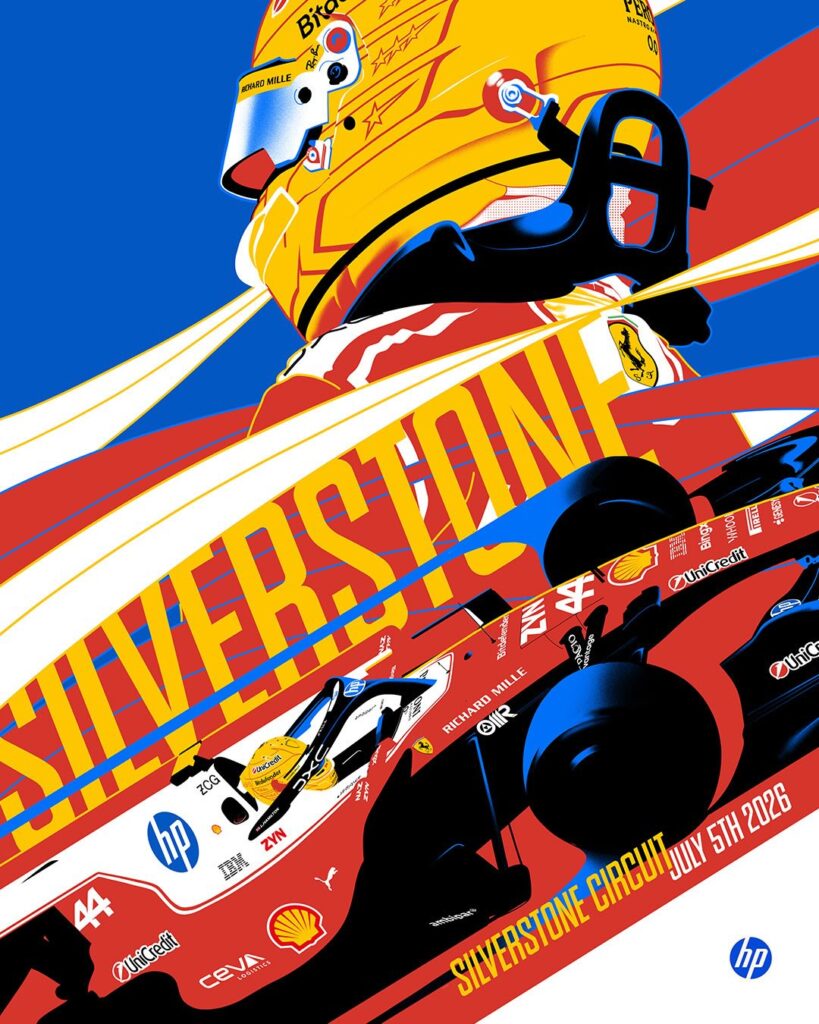
Beyond conventional aero, Ferrari unveiled what engineers and media immediately named the ‘Macarena wing’. The device allows the upper plane of the rear wing to pivot 180 degrees when the driver activates Straight Line Mode, reducing drag on long straights while preserving downforce through corners. The innovation attracted immediate scrutiny from rival teams and FIA technical delegates, making it one of the defining talking points of the 2026 season so far.
Hamilton’s Barcelona Win Changes the Narrative
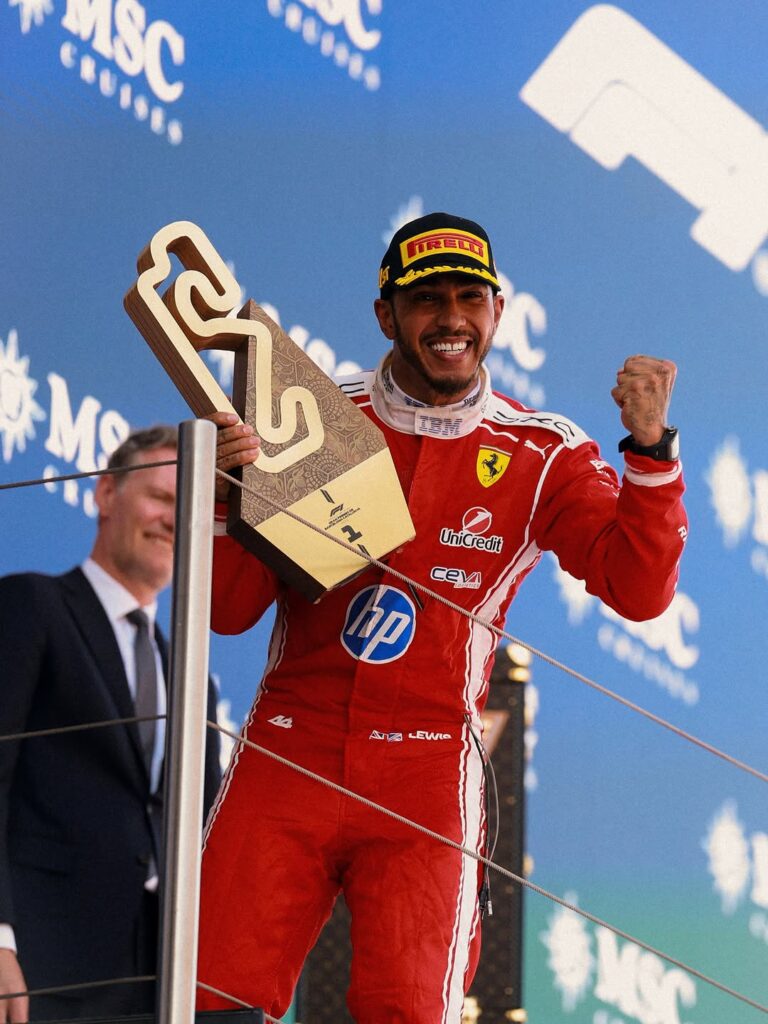
Lewis Hamilton claimed his first Grand Prix victory for Ferrari after the Barcelona upgrade package transformed the SF-26’s competitive position. The win carried enormous symbolic weight: Hamilton joined Ferrari specifically to chase a championship with the Italian team, and the Barcelona result demonstrated the upgrade programme was producing real on-track returns, not just engineering curiosity.
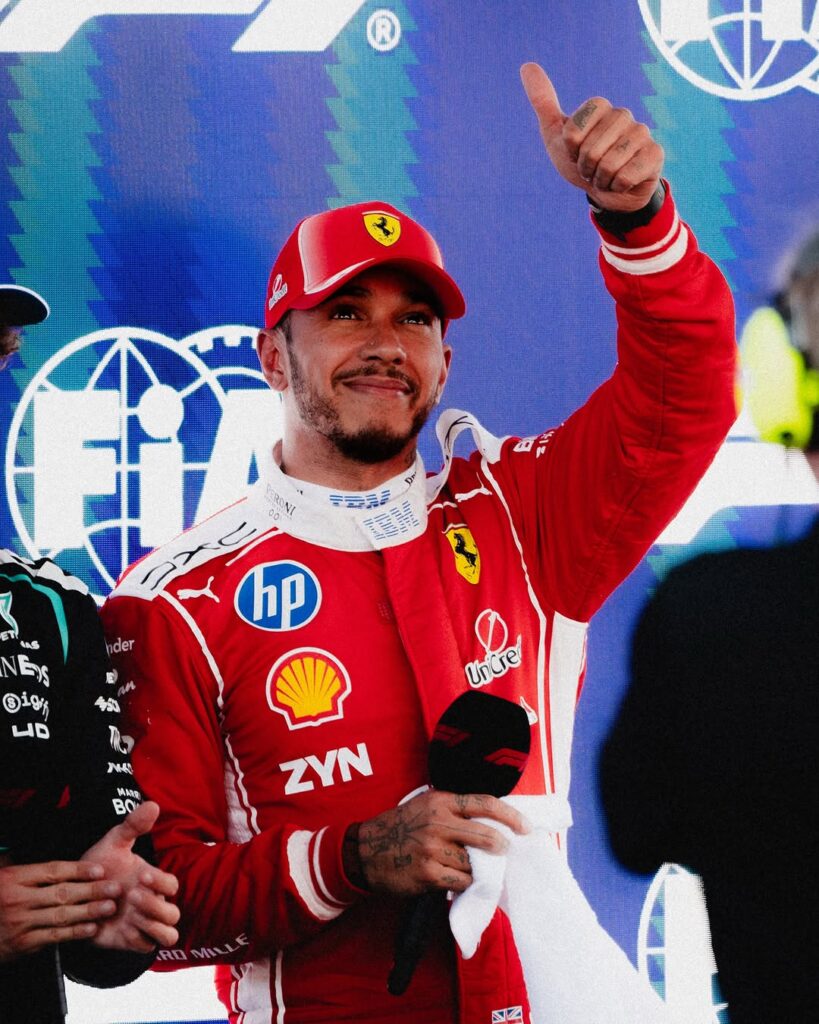
Hamilton’s transition to Ferrari is one of the most watched stories of the 2026 season, and every SF-26 upgrade directly affects his ability to compete for victories. From a collector’s standpoint, his first Ferrari race win is already a landmark moment — the Lewis Hamilton replica helmets from that race weekend represent a clear historical turning point in his career, and in Ferrari’s 2026 chapter.
The Barcelona upgrade also put rivals on notice. Red Bull has made significant changes to its RB21 through 2026, but Ferrari’s SF-26 has been the more substantially remodelled car across the season as a whole. That gap in development aggression is precisely what prompted Wolff’s post-Austria remarks.
Budget Cap Mechanics and the FIA’s Development Rankings
The FIA concluded its first Additional Development and Upgrade Opportunities ranking for the 2026 season, a process that determines how much aerodynamic testing time each constructor is permitted based on its position in the Constructors’ Championship. Teams lower in the standings receive more wind tunnel and CFD allocation; front-runners get less. This system is designed to allow smaller teams to close the gap, but it also means a leading team like Ferrari is operating under tighter testing restrictions precisely when its car is performing well.
That context makes Ferrari’s upgrade volume even more striking. Running closer to the top of the standings restricts available development time, yet the SF-26 continues to arrive at circuits with new parts. Whether that reflects a large pre-season parts reserve, efficient use of permitted tunnel hours, or a different cost accounting strategy, rivals cannot be certain — which is part of what drives the public commentary from figures like Wolff.
Mercedes, by contrast, describes itself as lacking the cost cap buffer to match Ferrari’s pace. That is a significant admission from one of the sport’s best-funded teams. It confirms that the budget cap has genuinely levelled spending power at the top, even if the practical effect on upgrade volume varies by team strategy rather than raw resources alone.
The SF-26 Through a Collector’s Lens
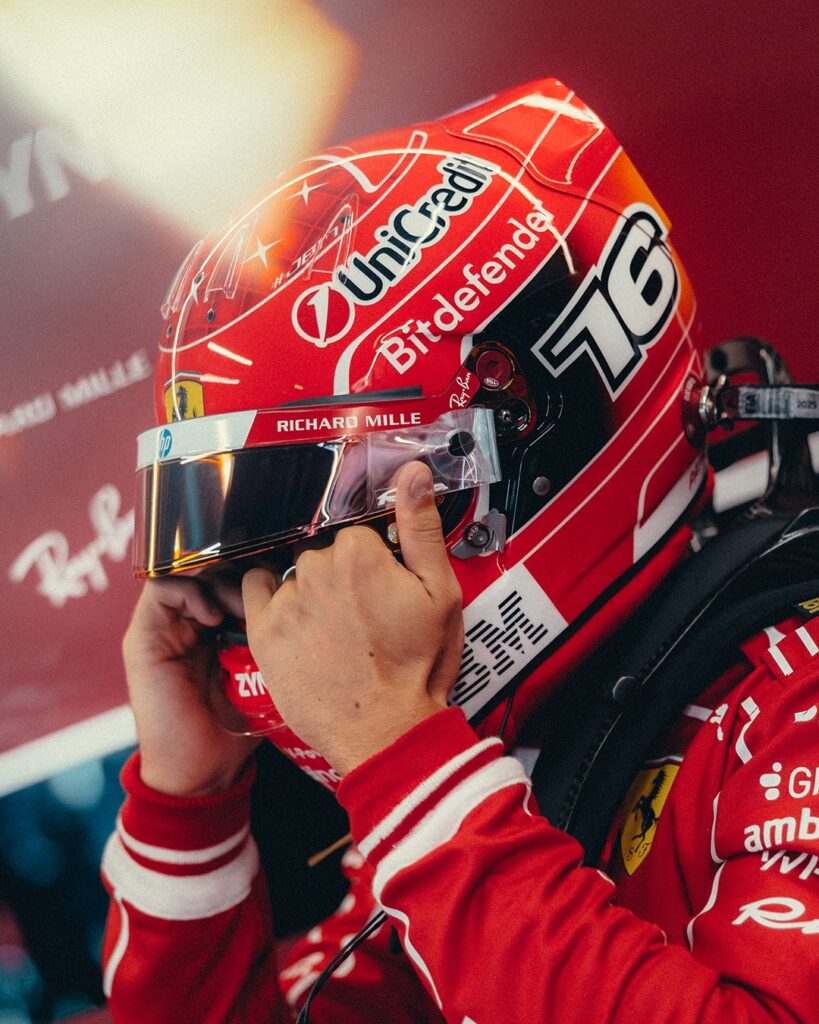
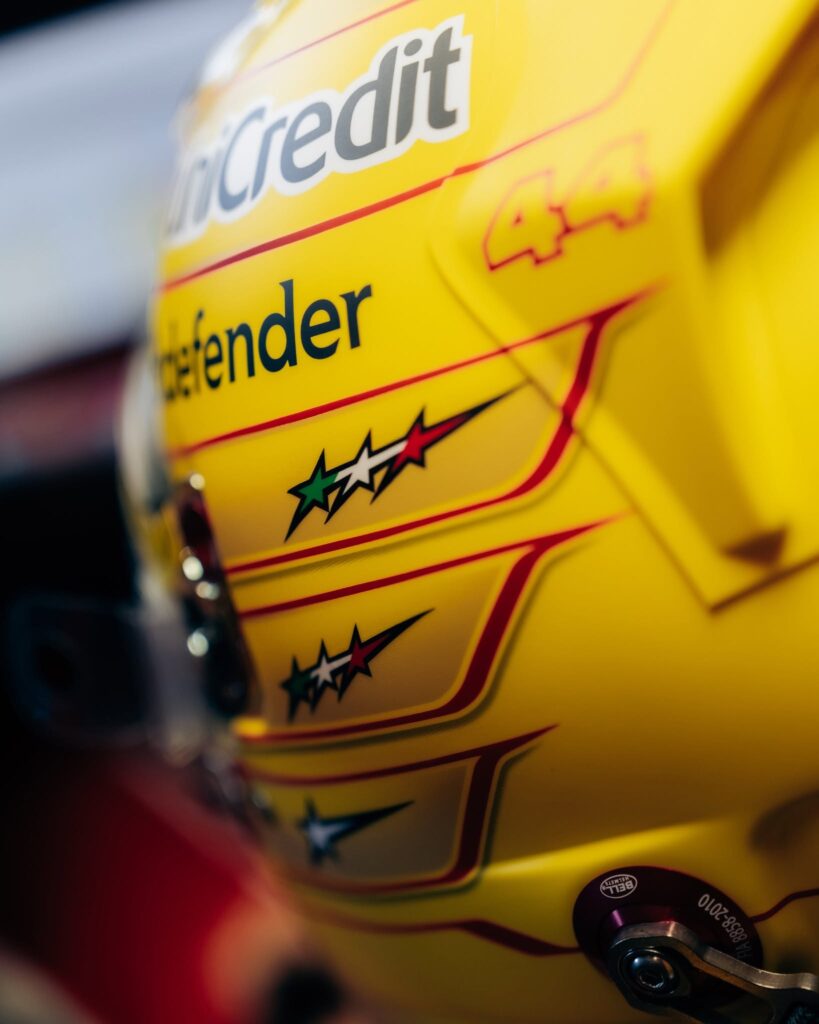
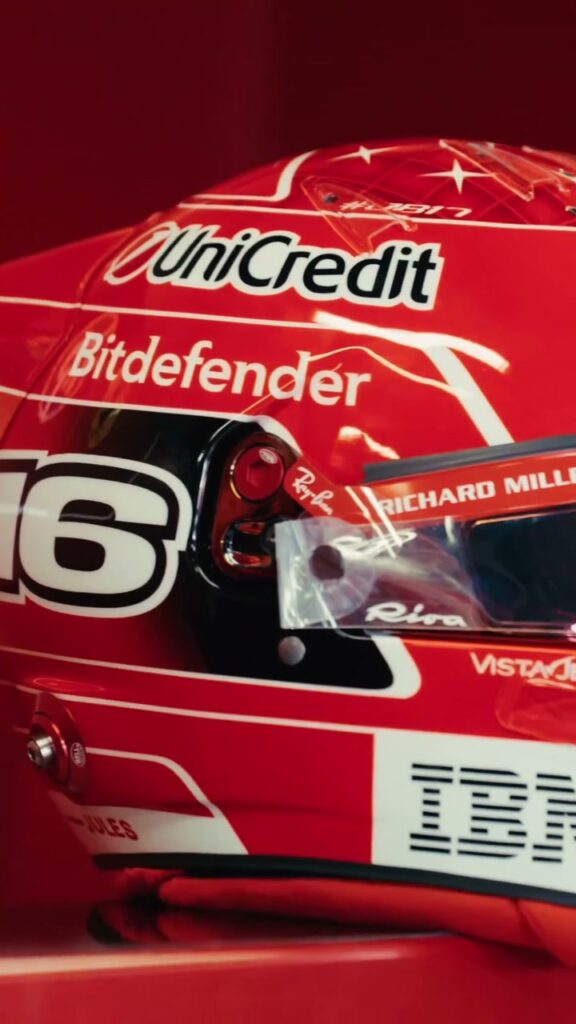
For display replica collectors, the SF-26’s 2026 evolution represents one of the most layered livery and design histories in recent Ferrari seasons. Each major upgrade window — Miami, Barcelona, Austria — has coincided with a specific competitive moment, and those moments attach directly to the helmets worn by Hamilton and Charles Leclerc during that phase of the season.
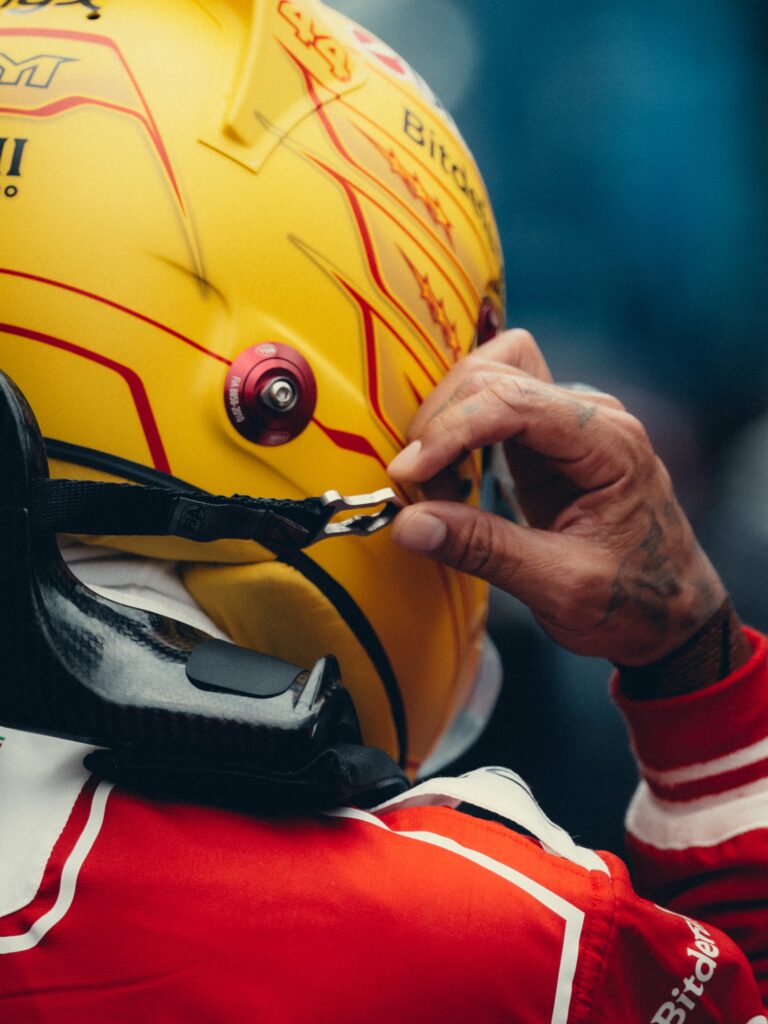
The Charles Leclerc and Hamilton helmet replicas from the 2026 campaign document that evolution in physical, displayable form. A full-size 1:1 replica helmet from the Barcelona weekend, for instance, ties directly to Hamilton’s first Ferrari victory — a date and result that will appear in reference books for decades. The display piece is not simply decorative; it anchors a specific moment in a season defined by technical controversy and competitive drama.
Ferrari’s racing helmet designs for 2026 continue the Scuderia’s tradition of bold colour application, with the SF-26’s aggressive aerodynamic identity reflected in how the team presents its drivers visually. Collector replica helmets produced at 1:1 scale carry the same graphic proportions as the race items, with visor panels measuring to the same geometry as the originals. For a permanent exhibition or private display, that scale fidelity is what separates a genuine collector piece from a scaled-down souvenir.
Why the Upgrade Debate Matters Beyond the Pitwall
When Mercedes questions Ferrari’s upgrade pace publicly, it signals that the competitive narrative of the 2026 season is being written in the engineering department as much as on track. Wolff’s prediction — that Ferrari will run short of budget cap allocation before the season ends and be forced to slow development — sets up a second half of 2026 that collectors and fans should watch closely. If the SF-26 stops receiving new parts while Mercedes accelerates its own programme, the championship picture could shift significantly.
That kind of mid-season reversal is exactly the type of narrative that makes particular race windows historically significant. The helmets worn at the point of momentum change — whether that is a Hamilton championship-leader design or a Leclerc livery from a breakthrough win — become the pieces that define a season in a collection. The 2026 Austrian Grand Prix, the race that prompted Wolff’s comments, is already one of those fixed reference points.
Ferrari’s Heritage of Ambitious Development
Ferrari has pursued aggressive in-season development throughout its history, and the 2026 SF-26 campaign fits a pattern that stretches back decades. The Scuderia has never treated the start of a season as a fixed baseline; the expectation from Maranello has consistently been that the car arriving at the final race should be substantially different from the car that lined up at the first.
That philosophy is part of what makes Ferrari helmet replicas from mid-season upgrades particularly interesting to collectors. The car Hamilton or Leclerc drove at Barcelona after the upgrade is measurably different from the SF-26 that ran in the opening rounds of 2026. A display replica helmet from Barcelona captures a driver at the wheel of a revised machine, at a specific competitive moment, in the middle of a budget cap controversy that defined the 2026 conversation.
Ferrari’s team history in F1 spans more than seven decades of Grand Prix racing, and the SF-26 is the latest chapter in a lineage that collectors have documented through helmets, models, and memorabilia since the sport’s earliest televised era. The 2026 budget cap debate will be a footnote in that history — but it is a footnote that explains why the SF-26 looks the way it does at each race, and why the helmets worn during this season carry the specific graphic identities they do.
For anyone building a display collection around Ferrari’s 2026 season, the window from the April restart through the Austrian Grand Prix represents the most compressed period of SF-26 development. Each race weekend in that stretch produced a slightly different car. The helmets from that window are the physical record of a team that, whatever rivals may say about its budget, refused to stop developing.
“We’re a little bit surprised that Ferrari can throw these huge updates at the car in the way they do. In my opinion, they need to be running out of money soon, cost cap money, because we can’t do that.”
— Toto Wolff, Mercedes Team Principal, 2026 Austrian Grand Prix
“Hopefully that’s going to change towards the end of the season when they won’t be able to bring any parts anymore. At least, let’s say, the logic would say that and we’re going to come with more.”
— Toto Wolff, Mercedes Team Principal, 2026 Austrian Grand Prix
FAQ
Q: Why is Mercedes questioning Ferrari’s 2026 upgrade pace?
Mercedes believes Ferrari’s volume of SF-26 upgrades is difficult to sustain under F1’s budget cap, which places a fixed annual ceiling on all team expenditure including development parts. Toto Wolff said after the 2026 Austrian Grand Prix that Mercedes lacks the cost cap buffer to match what Ferrari has been bringing to each race weekend since the April restart.
Q: What is the ‘Macarena wing’ on the Ferrari SF-26?
The Macarena wing is a rear-wing design in which the upper plane pivots 180 degrees when the driver activates Straight Line Mode, reducing aerodynamic drag on straights while preserving cornering downforce. Ferrari introduced it during the 2026 season as part of its sustained SF-26 upgrade campaign, and it became one of the most discussed technical innovations of the year.
Q: When did Lewis Hamilton win his first race for Ferrari?
Lewis Hamilton claimed his first Grand Prix victory for Ferrari after the team introduced its Barcelona upgrade package during the 2026 season. The win followed a significant aerodynamic revision to the SF-26 that also included changes in Miami earlier in the year.
Q: Are Ferrari helmet replicas available as display collector items?
Yes — full-size 1:1 scale Ferrari replica helmets are available as display and collector pieces for exhibition or private display. These replicas are not certified for protective use and are produced specifically as collector items, documenting the helmet designs worn by drivers such as Charles Leclerc and Lewis Hamilton during the 2026 season.
Q: How does F1’s budget cap affect which upgrades teams can bring?
F1’s budget cap places a fixed ceiling on annual team expenditure, meaning every aerodynamic part developed and produced counts against that limit. The FIA also uses an Additional Development and Upgrade Opportunities ranking that allocates wind tunnel and CFD time based on championship position — teams higher in the standings receive less testing allocation, making sustained upgrade campaigns at the front of the grid particularly demanding on available budget.
Shop Ferrari Helmets — own a full-size 1:1 display replica from the SF-26’s most historic 2026 race weekends.
Display and collector replicas only. Not certified for protective use. Full-size 1:1 scale.
This article was written with the help of AI tools. Editorial policy