Blog
8 Reasons F1 Fans Never Forget Niki Lauda
 123Helmets Editorial Team
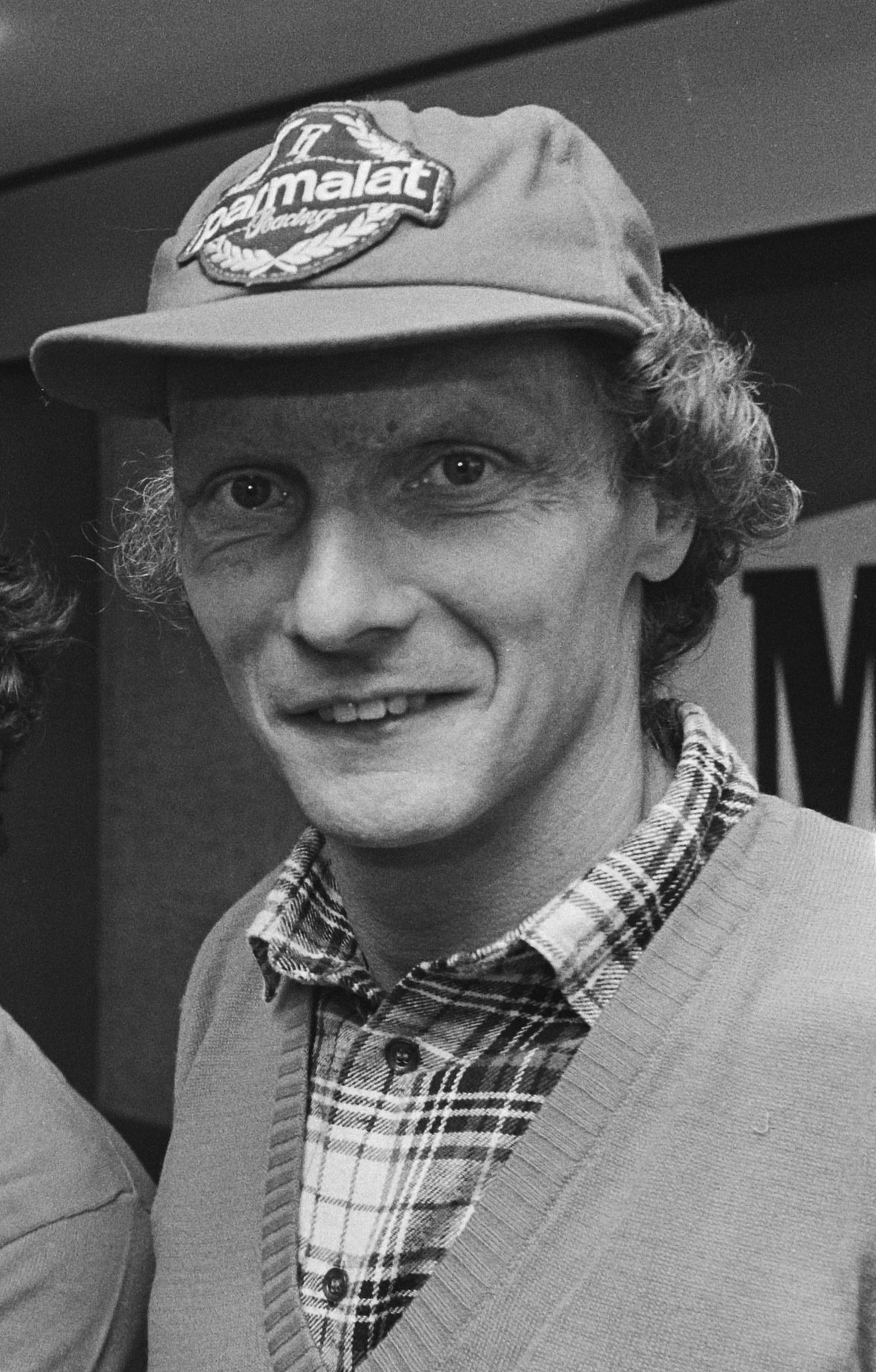
Every time Formula 1 returns to the Red Bull Ring, one name rises above the rest. Niki Lauda won three World Championships, survived what should have been a fatal accident, and left a personality so distinctive that his memory outlasts any trophy. Here are eight reasons the Austrian is impossible to forget.
Key Takeaways
Lauda funded his own F1 career using bank loans secured against his personal life insurance policy — no family money, no backing.
He won three Formula 1 World Championships across two decades and two different manufacturers: Ferrari and McLaren.
Lauda returned to race at the 1976 Italian Grand Prix just 42 days after a crash that left him with severe burns and temporary lung failure.
His legacy lives on in F1 memorabilia culture: helmet replicas from his Ferrari and McLaren eras remain among the most collected display pieces in the sport.
A Self-Made Path Into F1
Niki Lauda built his Formula 1 career entirely on borrowed money — literally. His father worked in business and banking yet refused to support a son who wanted to race cars, so Lauda took out bank loans secured against his own life insurance policy to fund his early motorsport ambitions. That is not a metaphor for determination; it was a documented financial arrangement that put Lauda’s life on the line before he had turned a competitive lap.
The strategy was unconventional and risky. Without notable results in uncompetitive machinery through the early 1970s, and without qualifications in any other profession, Lauda had little to fall back on. He secured a rent-a-drive seat at BRM in 1973, which gave him the exposure he needed. Ferrari noticed. In 1974, Enzo Ferrari — a man not easily impressed — was won over by Lauda’s work ethic and blunt self-confidence. Lauda called the Ferrari 312 “a piece of s***” after his first test, then immediately promised he could make it race-worthy. Ferrari hired him on the spot. That combination of honest criticism and unconditional commitment defined everything that followed.
Three World Championships, Two Eras
Lauda won three Formula 1 World Championships — 1975 and 1976 with Ferrari, and 1984 with McLaren — across a span of nine seasons at the top of the sport. The breadth of that achievement is what separates him from many of his contemporaries. Most champions define a single era; Lauda defined two.
His 1975 title was dominant. His 1984 title, won at the age of 35, was decided by half a point over teammate Alain Prost — the narrowest championship margin in the sport’s history at that time. That 0.5-point margin at the end of the 1984 season remains one of the most cited statistics in F1 records. What makes the 1984 championship especially striking is that Lauda had retired from the sport between 1979 and 1982, returning to McLaren and then beating the fastest qualifier on the grid in the same car. His helmets from those two distinct Ferrari and McLaren chapters — the red and white Parmalat livery of the late 1970s, the red-and-white Marlboro McLaren scheme of 1984 — are among the most recognisable designs in the sport’s visual history, and among the most sought-after display replicas collectors pursue today.
The 1976 Crash and the 42-Day Return
On 1 August 1976, at the Nürburgring Nordschleife, Lauda’s Ferrari burst into flames after leaving the road at the Bergwerk section — and he was pulled from the wreckage with severe burns to his face and head, and dangerously toxic fumes in his lungs. He received last rites at the hospital. Forty-two days later, he started the Italian Grand Prix at Monza, still with open wounds on his scalp, forcing blood from his helmet visor with every lap.
That return on 12 September 1976 is not sporting mythology embellished by time. It is a documented medical fact that astonished the physicians treating him. Lauda finished fourth at Monza, scoring three World Championship points. He went on to contest the remaining races of the season, eventually losing the 1976 title to James Hunt by a single point — a gap he could have closed had he not withdrawn from the rain-soaked Japanese Grand Prix at Fuji on safety grounds, a decision he never regretted and never apologised for. The helmet he wore on his return to Monza — the white Parmalat-Ferrari design with the red band — is one of the single most historically significant pieces of headgear in motorsport, reproduced in full-size 1:1 collector replicas that sit in private collections and exhibitions worldwide.
The Dry Humour and the Straight Talk
Lauda was one of the few F1 figures whose public statements were quoted not because of his title count, but because of what he actually said. His communication style was direct to the point of being jarring, completely free of the diplomatic padding that most figures in motorsport adopt the moment a camera appears. He called the Ferrari 312 a piece of scrap after his first drive. He told team bosses things they did not want to hear. He retired from F1 in 1979 mid-season because he felt the sport had stopped being interesting to him — a reason almost nobody else in professional sport has ever given publicly.
His one-liners in television interviews over the decades became a secondary form of fame. When he returned to F1 as non-executive chairman of the Mercedes works team in 2012, he was candid about driver politics, contract negotiations, and the technical direction of the car in ways that made most team principals look guarded by comparison. Toto Wolff, in his tribute after Lauda’s death in May 2019, described him simply as “someone who would never give up” — four words that captured a character no prepared speech could have improved on.
Why Lauda’s Helmets Matter to Collectors
Lauda’s helmet designs from his racing career are among the most historically loaded pieces of F1 visual identity, which is why full-size 1:1 display replicas of them carry weight that goes beyond decoration. A collector’s display replica is not a piece of safety equipment; it is an exhibition-quality object that anchors a specific moment in F1 history to a physical space — a home office, a study, a private gallery wall.
The Ferrari-era white Lauda helmet with the red Parmalat stripe is the design most associated with his 1975 championship and his 1976 comeback. The red-and-white Marlboro McLaren helmet from 1984 represents his second chapter and his third title. Both designs measure to standard full-size 1:1 scale, making them accurate display references to the real article. For fans who follow the Austrian Grand Prix each season, a Lauda replica on the shelf is a permanent year-round connection to the race’s most enduring story — not an ornament, but a record of something that actually happened on those circuits. Display and collector replicas of this type are exhibition pieces only, not certified for any protective use.
Austria has produced successful constructors and memorable moments across decades of F1 history, but the country’s most powerful contribution to the sport is still a man who started with a bank loan, won three championships, came back from a fatal crash in 42 days, and never once softened what he thought for the benefit of a room. Every time F1 returns to the Red Bull Ring, Lauda is already there.
“Someone who would never give up.”
— Toto Wolff, tribute to Niki Lauda, 2019
“It’s a piece of s*** — but I can make it race-worthy.”
— Niki Lauda, after his first test in the Ferrari 312
FAQ
Q: How many World Championships did Niki Lauda win?
Niki Lauda won three Formula 1 World Championships: in 1975 and 1976 with Ferrari, and in 1984 with McLaren. His 1984 title was decided by just 0.5 points over Alain Prost, the narrowest margin in championship history at that time.
Q: How long after his 1976 crash did Lauda return to racing?
Lauda returned to competitive racing 42 days after his accident at the Nürburgring on 1 August 1976, starting the Italian Grand Prix at Monza on 12 September 1976 and finishing fourth.
Q: How did Lauda fund his early F1 career?
Lauda funded his early career with bank loans secured against his own life insurance policy. His father refused to support his motorsport ambitions, so Lauda borrowed independently to progress through the junior ranks.
Q: What made Lauda’s helmet designs so iconic?
Lauda’s helmet designs are iconic because each is tied to a specific, historically significant era: the white Parmalat-Ferrari helmet represents his 1975 title and 1976 comeback, while the red-and-white Marlboro McLaren design represents his 1984 championship. Full-size 1:1 display replicas of both are among the most collected pieces in F1 memorabilia.
Q: Are Niki Lauda helmet replicas safe to wear?
No. Niki Lauda helmet replicas available as collector items are display and exhibition pieces only — full-size 1:1 scale replicas produced for decorative and collector purposes. They carry no safety certification and are not intended for protective, road, or track use of any kind.
Browse F1 Helmet Collection
Display and collector replicas only. Not certified for protective use. Full-size 1:1 scale.
Cover image: Anefo / Croes, R.C. / Wikimedia Commons, CC0 (cropped)
This article was written with the help of AI tools. Editorial policy