- Keke Rosberg
- Nigel Mansell
- Jenson Button
- Nico Rosberg
- Gilles Villeneuve
- Mika Hakkinen
- Jackie Stewart
- Mika Salo
- Emerson Fittipaldi
- Charles Leclerc
- Lewis Hamilton
- Max Verstappen
- Lando Norris
- Ayrton Senna
- Michael Schumacher
- Fernando Alonso
- Oscar Piastri
- George Russell
- Kimi Antonelli
- Nico Hülkenberg
- Gabriel Bortoleto
- Pierre Gasly
- Franco Colapinto
- Carlos Sainz
- Oliver Bearman
- Sergio Pérez
- Valtteri Bottas
- Isack Hadjar
- Alain Prost
- James Hunt
Verstappen Museum Plans and Mercedes’ GT Praise: F1 Today
Posted by
 123Helmets Editorial Team
123Helmets Editorial Team
F1 TODAY
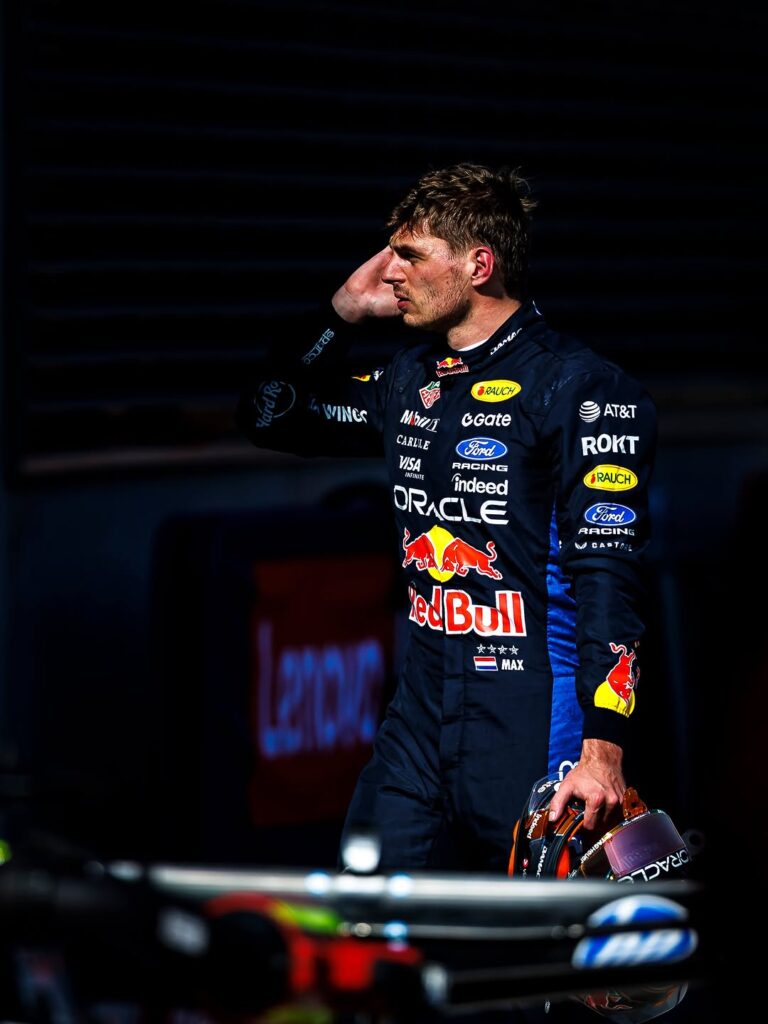
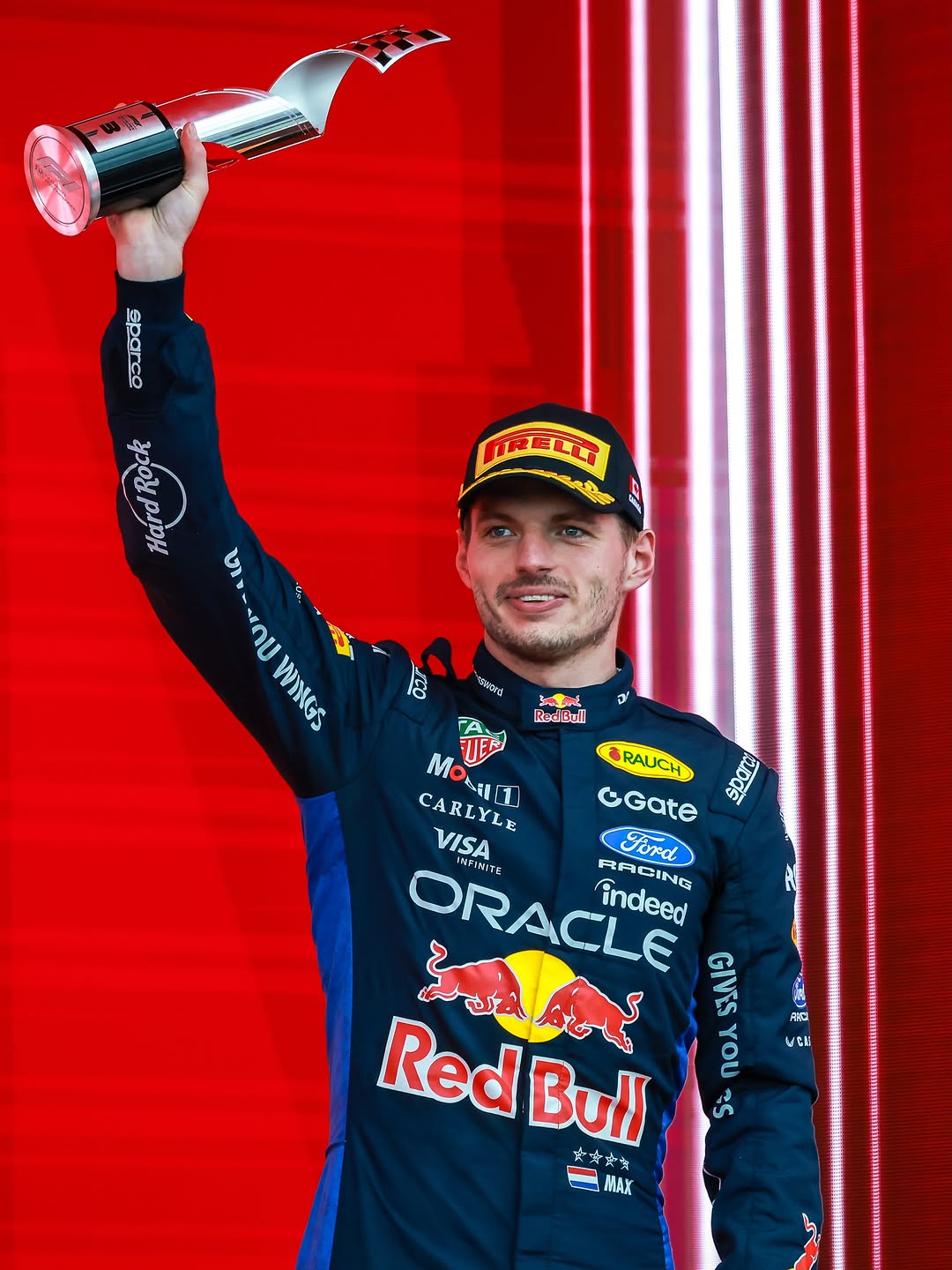
Max Verstappen has revealed plans for a personal museum charting his Formula 1 career, taking inspiration from Fernando Alonso’s own heritage project, while Mercedes motorsport director Stefan Wendl has detailed the impact the four-time champion has had on the German manufacturer’s GT racing program.
Key Takeaways
Max Verstappen has confirmed he is considering a personal museum to document his Formula 1 career, citing Fernando Alonso’s heritage project as an influence.
Alonso, a two-time Formula 1 champion, has long been associated with preserving motorsport memorabilia and career history in a dedicated space.
Mercedes motorsport director Stefan Wendl says Verstappen’s involvement has given a noticeable boost to the manufacturer’s GT racing program.
The comments, reported on 2026-08-07, underline how current Formula 1 stars are increasingly engaged in shaping how their careers are remembered and marketed.
Verstappen’s Museum Ambitions
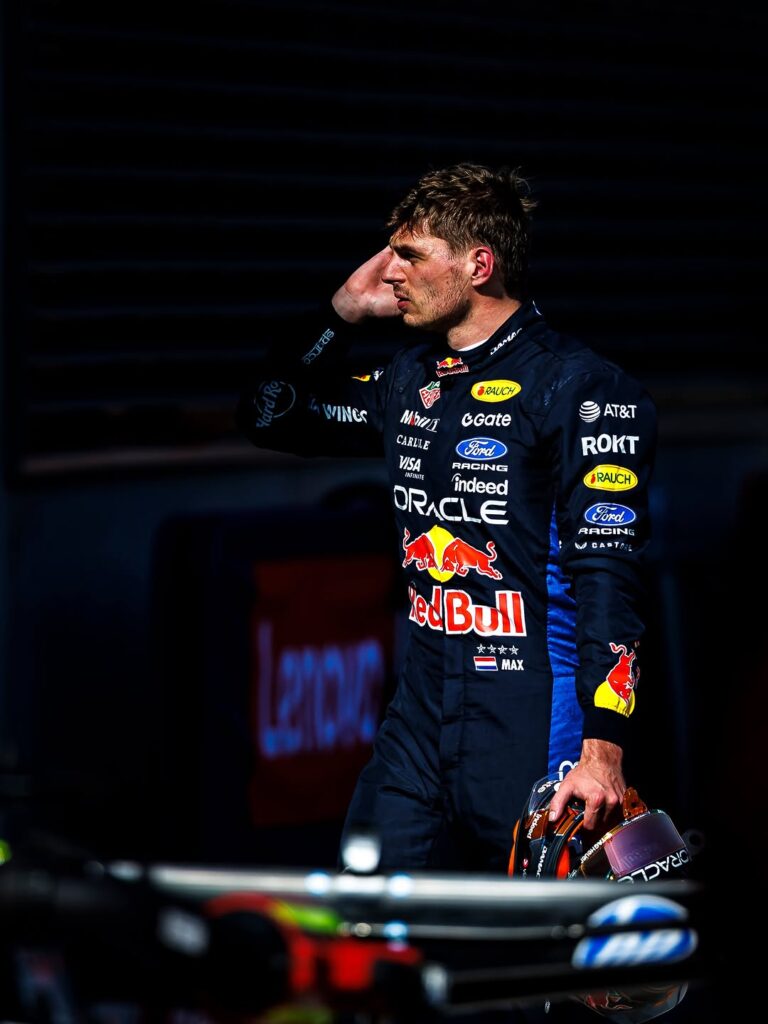
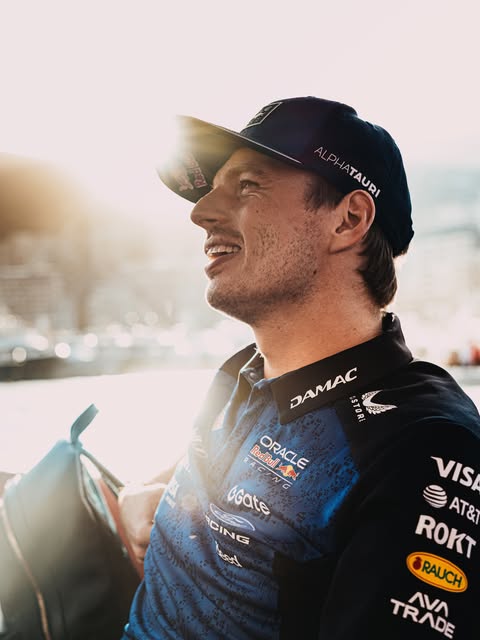
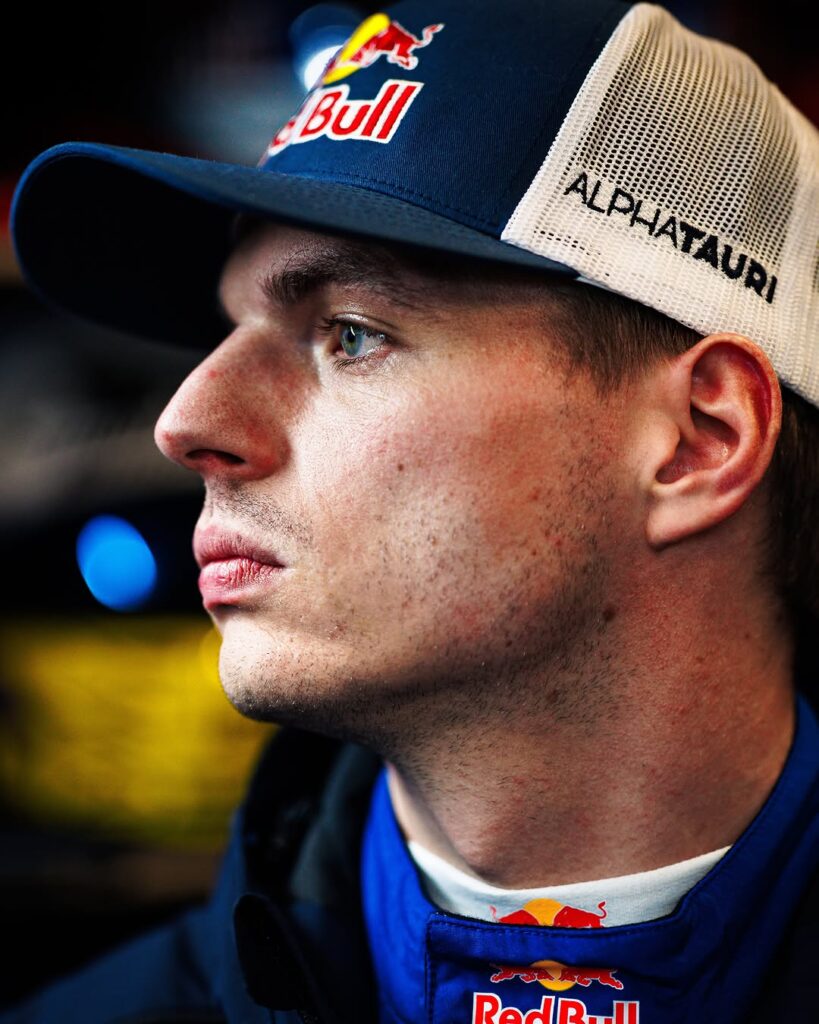
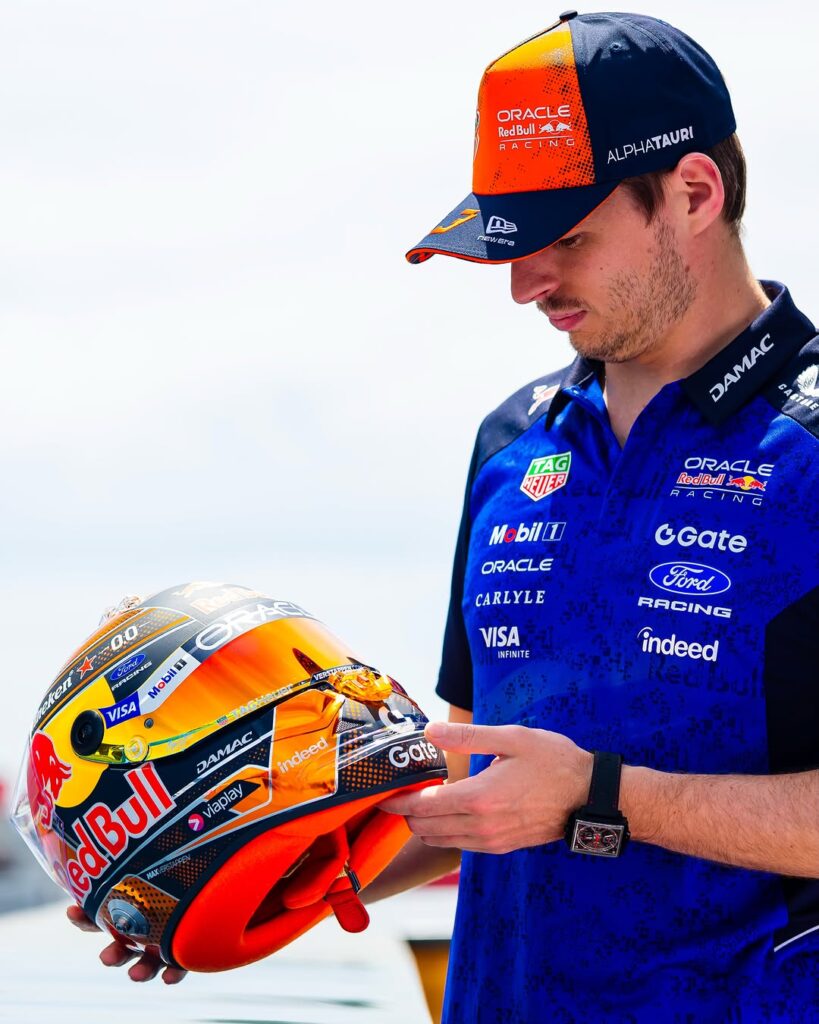
Max Verstappen has said he would like to build a personal museum dedicated to his Formula 1 career, following conversations about how drivers preserve and present their racing history. The four-time Formula 1 world champion has spoken about the idea in the context of looking at how other drivers have handled their own legacies once their careers on track slow down or end.
Verstappen’s comments come as the sport continues to grapple with how to balance the demands of a current, active career with long-term thinking about legacy. For a driver who has spent his career competing for Red Bull, the idea of a museum represents a shift toward thinking about how his achievements will be documented and shown to fans beyond race weekends.
No details have yet been confirmed on location, scale or opening timeline for any such project. What is clear is that the idea has been prompted, at least in part, by observing how a rival world champion has approached the same question.
The Alonso Inspiration
Fernando Alonso is the reference point Verstappen has pointed to when discussing his own museum idea. Alonso, a two-time Formula 1 world champion, has been closely linked with efforts to preserve and display elements of his racing career, and that approach appears to have caught Verstappen’s attention.
Alonso’s own history in the sport spans multiple teams and eras, and his interest in curating that history has made him something of a template for other drivers thinking about how their careers might be remembered. Verstappen referencing Alonso directly suggests the current championship leader sees value in getting ahead of that process rather than waiting until retirement to think about it.
For fans and collectors, the idea of active drivers already planning how their careers will be preserved adds another layer to how memorabilia and career artifacts are viewed while a driver is still competing, rather than only once a career has concluded.
Mercedes and the GT Racing Boost
Mercedes motorsport director Stefan Wendl has said Verstappen’s involvement has given a clear boost to the manufacturer’s GT racing program. Wendl’s comments, reported on 2026-08-07, frame the four-time Formula 1 champion’s presence around the GT effort as a meaningful positive for the wider project rather than a minor side note.
Verstappen has been a visible presence in GT racing alongside his Formula 1 commitments in recent seasons, and Wendl’s remarks suggest that involvement continues to matter to Mercedes beyond the immediate results on track. A driver of Verstappen’s profile lending his name and time to a GT program can shift attention, sponsorship interest and public engagement toward that category in ways a lesser-known name cannot.
“Having a four-time world champion involved gives the whole program a different level of attention and credibility.” – Stefan Wendl, Mercedes Motorsport Director
Wendl’s framing points to something broader than a single event or result: a current Formula 1 champion’s participation is being treated by Mercedes as a strategic asset for its GT racing identity.
Why the GT Connection Matters
Verstappen’s GT racing involvement matters because it links his single-seater profile directly to a category built around endurance, manufacturer branding and a different kind of fan engagement. Formula 1 champions moving into GT racing, even in limited appearances, tend to draw crossover attention from fans who follow both categories.
For Mercedes, having a name like Verstappen’s associated with its GT3 program, even informally, changes how the effort is perceived by sponsors, rival manufacturers and fans who might not otherwise follow GT racing closely. Wendl’s comments suggest this attention has translated into a real, felt difference internally at Mercedes rather than simply being goodwill.
This kind of crossover also reflects a wider trend in modern motorsport, where current Formula 1 drivers increasingly compete in or lend their profile to other categories during the same period they are active in the world championship, rather than waiting until their single-seater careers are finished.
Legacy Planning in a Fast-Moving Sport
Legacy planning in Formula 1 is becoming something drivers address earlier in their careers rather than only at retirement. Verstappen discussing a personal museum while still an active, championship-contending driver, and reportedly inspired by Alonso’s own approach, shows how thinking about career documentation now happens in parallel with racing rather than after it ends.
Combined with Wendl’s comments about the GT program, the picture that emerges on 2026-08-07 is one of a four-time Formula 1 champion whose influence is being felt well beyond his primary championship campaign, from how his own history might one day be displayed to how a manufacturer’s separate racing effort benefits from his name today.
Both threads point to the same underlying idea: at this stage of his career, Verstappen’s profile carries weight in areas of the sport far removed from a single race weekend, and both he and the teams around him appear to be taking that weight seriously.
“Having a four-time world champion involved gives the whole program a different level of attention and credibility.”
— Stefan Wendl, Mercedes Motorsport Director
FAQ
Q: Is Max Verstappen actually planning a personal museum?
Yes, Verstappen has said he is considering building a personal museum to document his Formula 1 career, citing Fernando Alonso’s own heritage project as an inspiration for the idea.
Q: How many Formula 1 championships has Verstappen won?
Verstappen is a four-time Formula 1 world champion, which is the achievement his prospective museum would be built around documenting.
Q: What did Mercedes’ Stefan Wendl say about Verstappen and GT racing?
Wendl said Verstappen’s involvement has given a clear boost to Mercedes’ GT racing program, describing the added attention and credibility a four-time champion’s presence brings to the project.
Q: How is Fernando Alonso connected to Verstappen’s museum idea?
Alonso, a two-time Formula 1 world champion, has been associated with his own project to preserve and display elements of his racing career, and Verstappen has pointed to that approach as the inspiration behind his own museum idea.
Q: Does Verstappen currently compete in GT racing alongside Formula 1?
Verstappen has been involved with GT racing activity alongside his Formula 1 commitments, and Mercedes has credited that involvement with boosting its GT racing program.
Shop Max Verstappen Collection
Display and collector replicas only. Not certified for protective use. Full-size 1:1 scale.