Blog
Kimi Antonelli’s Rivals Issued Warning as Otmar Szafnauer Predicts Further Growth
 123Helmets Editorial Team
Kimi Antonelli’s Rivals Issued Warning as Otmar Szafnauer Predicts Further Growth
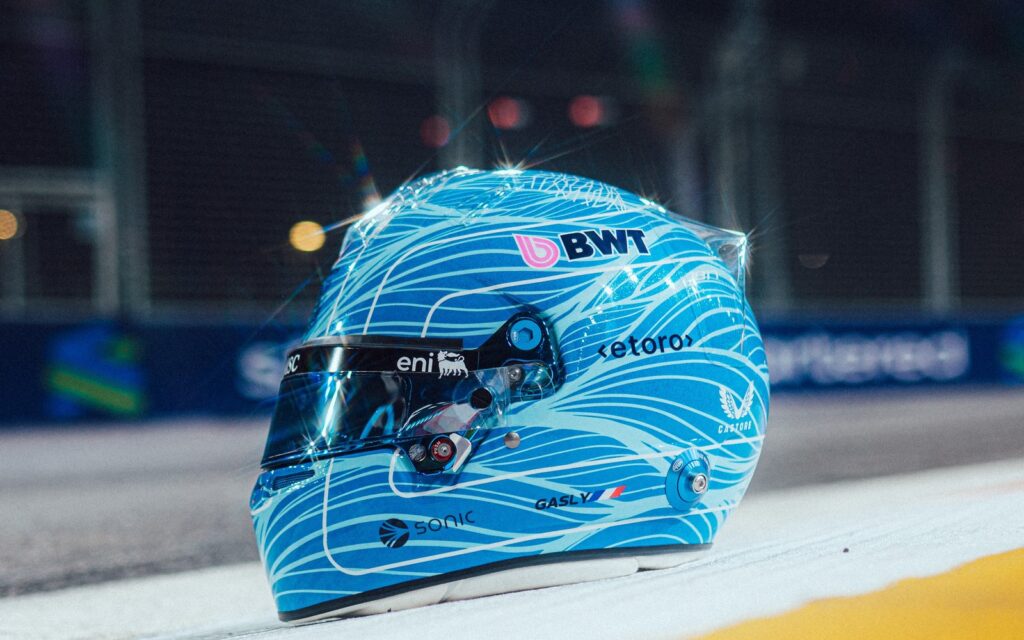
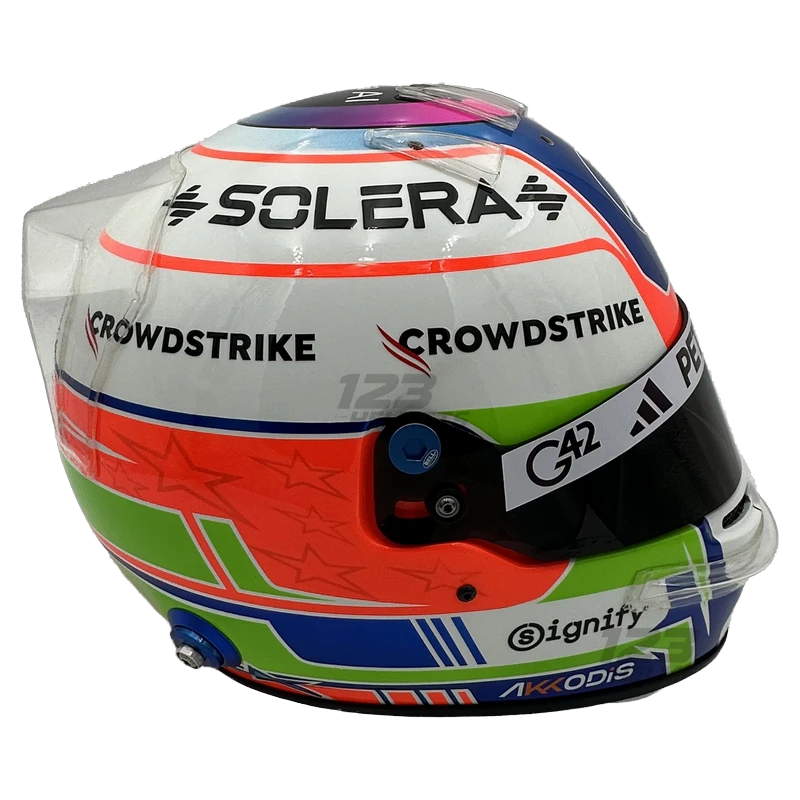
Andrea Kimi Antonelli’s emergence as one of the brightest prospects on the Formula 1 grid has already drawn attention from across the paddock — and now former Alpine team principal Otmar Szafnauer has gone on record predicting that the young Italian will only get stronger. For collectors tracking the rise of a future star, the visual identity surrounding Antonelli’s helmet design and the bold Alpine livery makes this chapter especially compelling for display shelves and exhibition cabinets.
Key Takeaways
Otmar Szafnauer publicly predicts continued growth for Kimi Antonelli, putting rivals on notice.
Antonelli’s helmet design and livery details are increasingly recognisable to 1:1 replica collectors.
The Alpine colourway remains one of the most striking display palettes of the current era.
Podium-adjacent visuals from the weekend offer rich reference material for exhibition-quality replicas.
Szafnauer’s Warning Shot
Few voices in the modern paddock carry the weight of Otmar Szafnauer when it comes to evaluating young talent. The former Alpine team principal, who oversaw one of the most ambitious junior driver pipelines of the last decade, has spoken openly about Andrea Kimi Antonelli’s trajectory — and his message to the rest of the grid was unambiguous.
According to Szafnauer, the Italian rookie is nowhere near his ceiling. The growth curve, he suggests, has barely begun to bend. That is a sobering thought for established names already battling Antonelli on Sunday afternoons, because the version of the driver they see today is, in Szafnauer’s words, still a draft.
Why the warning matters
Szafnauer’s comments resonate because they come from someone who has nothing to gain by inflating the hype. His assessment is rooted in pure observation: race craft, tyre management, communication discipline, and the rare ability to convert qualifying speed into Sunday consistency. Each of these markers, individually, is impressive in a rookie. Combined, they paint the picture of a driver who is rapidly learning to win at the highest level.
The Race Weekend Through a Collector’s Lens
For the 1:1 replica community, every Grand Prix weekend is a visual archive in motion. This one was no exception. The lighting in the pit lane, the reflections off the carbon-finished crowns, and the contrasting hues of competing helmets all combined to give designers and collectors a wealth of reference material for future display pieces.
Kerb-to-kerb storytelling
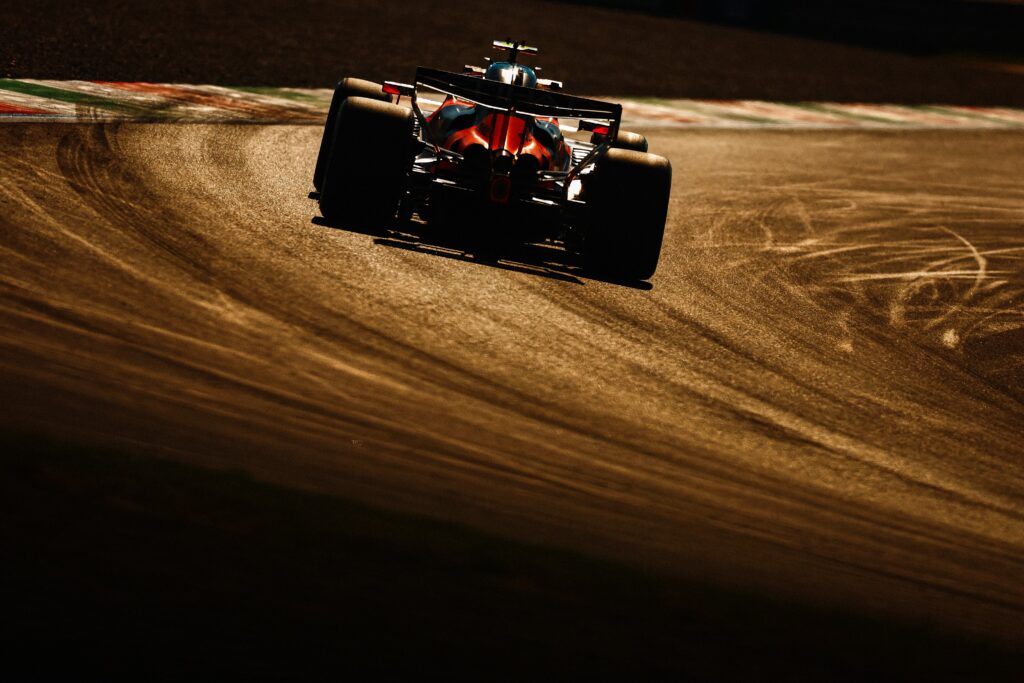
Antonelli’s drive was characterised by patience and precision. He held position when he needed to, attacked decisively when the window opened, and managed his tyre degradation with the kind of maturity that defies his age. Each on-board sequence revealed fresh details on the helmet shell — the matte finishes catching shadows in the cockpit, the visor band reflecting trackside billboards, and the rear plate offering a perfect canvas for the Italian tricolore touches that fans have come to associate with him.
Livery contrasts
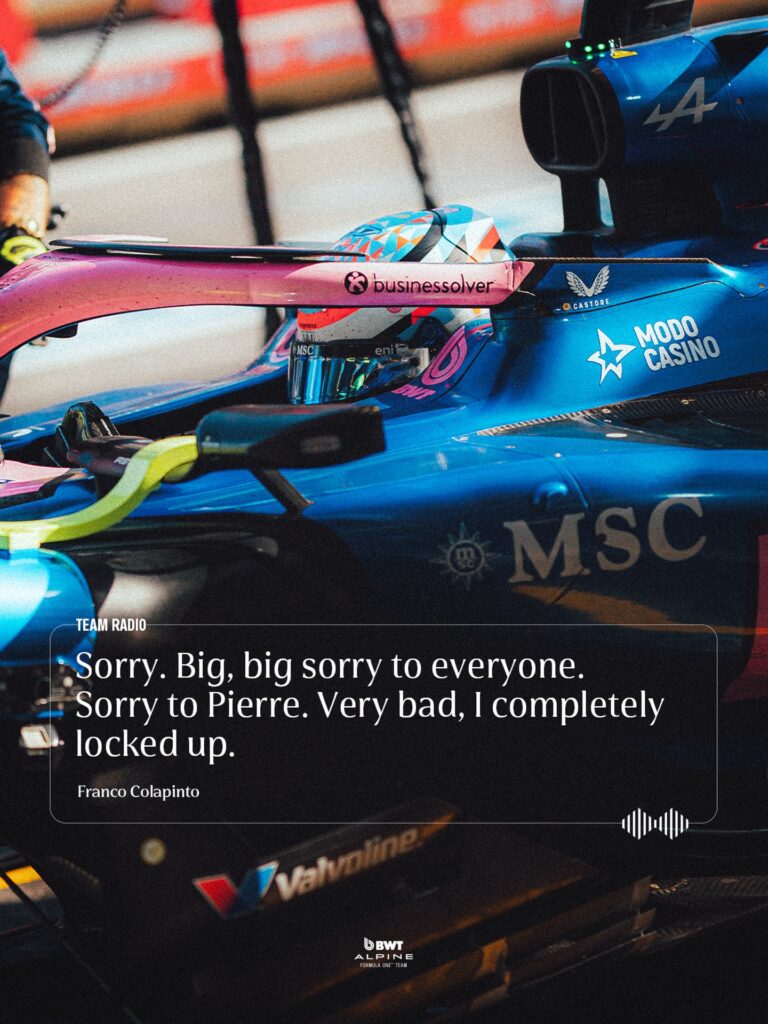
The Alpine livery, with its deep blue and pink accents, remains one of the most photographically rich palettes on the grid. When paired with Antonelli’s helmet design in cinematic broadcast shots, the combination delivers exactly the kind of imagery that collectors want to recreate on their shelves — full-size 1:1 replicas built purely as display pieces and exhibition-quality showcases.
Helmet Design Notes for the Display Cabinet
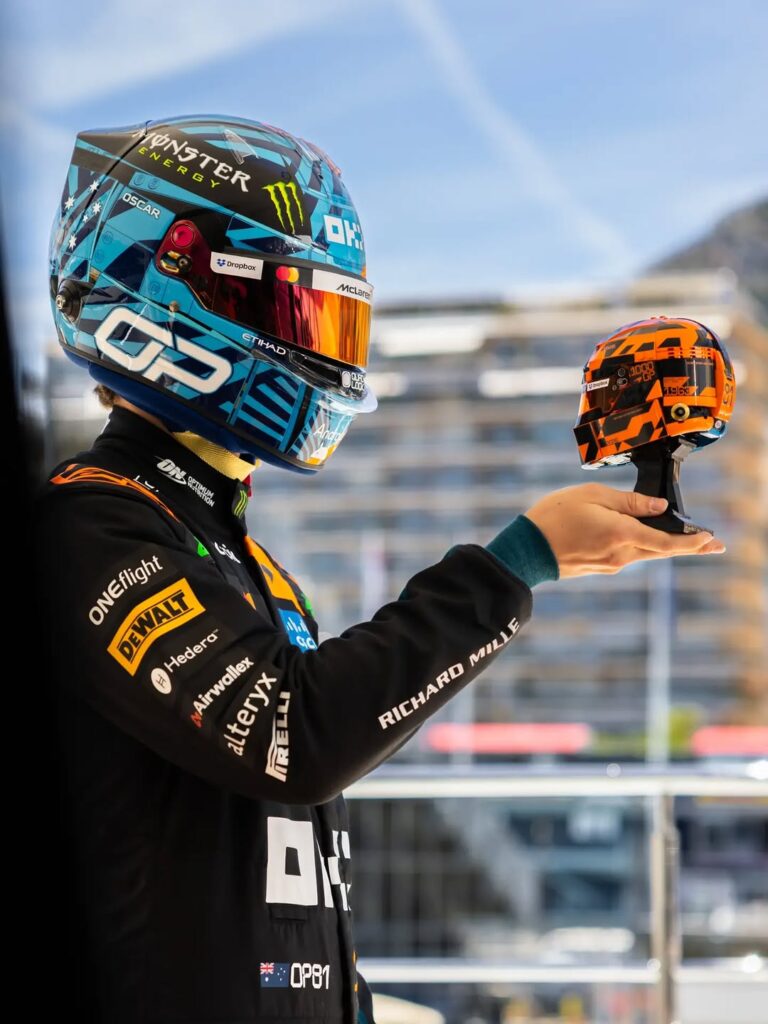
Antonelli’s helmet has evolved into one of the most discussed designs of the season. The colour blocking is bold but never chaotic; the typography is restrained; and the personal motifs are tucked into the shell with the kind of subtlety that rewards close inspection. That last quality is precisely what makes a helmet worth owning as a collector item rather than merely a poster.
Texture and finish
What separates a great display replica from an ordinary one is the way it handles finish — gloss versus satin, metallic flake versus flat colour, transparency in the visor tint. Antonelli’s design plays with all of these variables, which is why exhibition-quality reproductions need to capture not just the artwork but the depth of the paintwork itself.
Why scale matters
A full-size 1:1 replica delivers something that scaled-down models cannot: presence. The shell sits at the same proportion as the one seen on the broadcast, the visor opens to the dimensions a driver actually peers through, and the silhouette dominates the cabinet in a way that turns it into the centrepiece of a room. For Antonelli collectors, that presence is essential — it captures the moment a generational talent introduced himself to the sport.
Rivals on Notice
The competitive landscape Antonelli is entering has rarely been more crowded. Established race winners, second-year drivers still hungry for their breakthrough, and other rookies all populate a midfield-to-front-running pack that allows no margin for error. Szafnauer’s warning lands precisely because it suggests this congested order is about to be reshaped — not theoretically, but lap by lap, race by race.
The growth markers to watch
Three areas, in particular, are worth monitoring for collectors and analysts alike. The first is qualifying — the discipline where raw pace announces itself loudest. The second is wheel-to-wheel combat, where confidence and respect from the field are earned in seconds. The third, and perhaps most decisive, is feedback to engineers, the invisible skill that turns a fast driver into a championship-shaping one.
From challenger to benchmark
Antonelli is not yet a benchmark, but Szafnauer’s prediction implies he is travelling in that direction quickly. The collectors who acquire his helmet replicas now — as display pieces, as exhibition items, as visual time capsules — are effectively bookmarking the beginning of that journey.
Podium-Adjacent Visuals Worth Framing
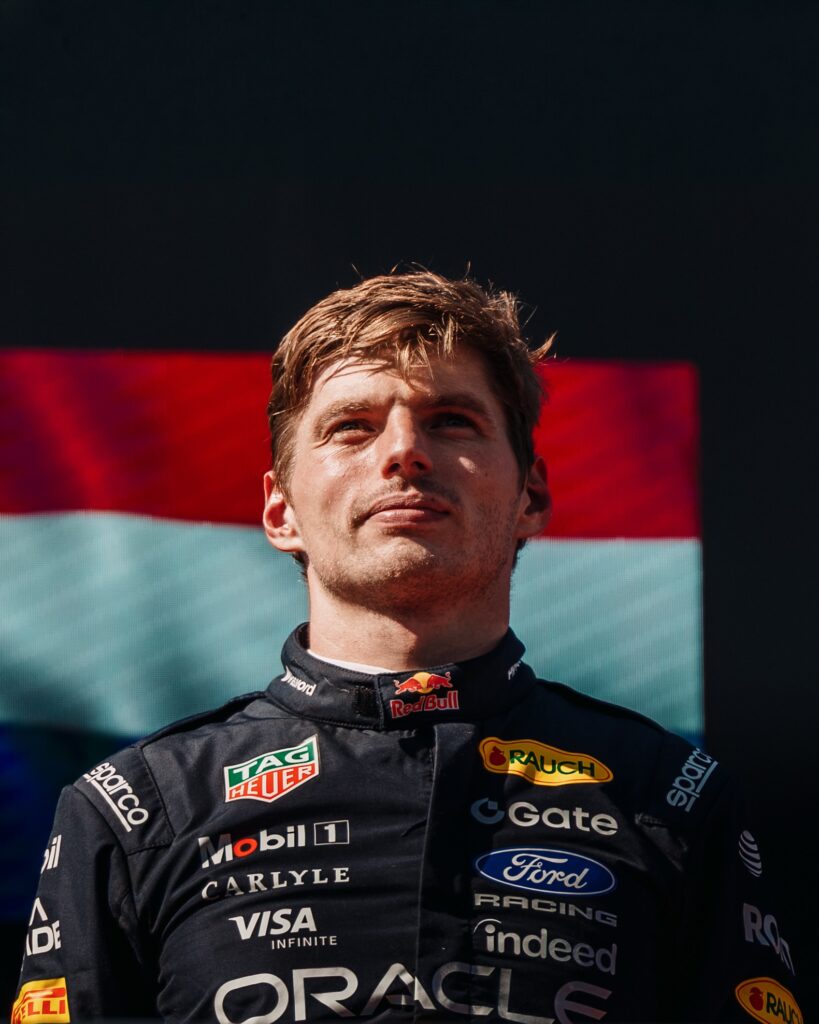
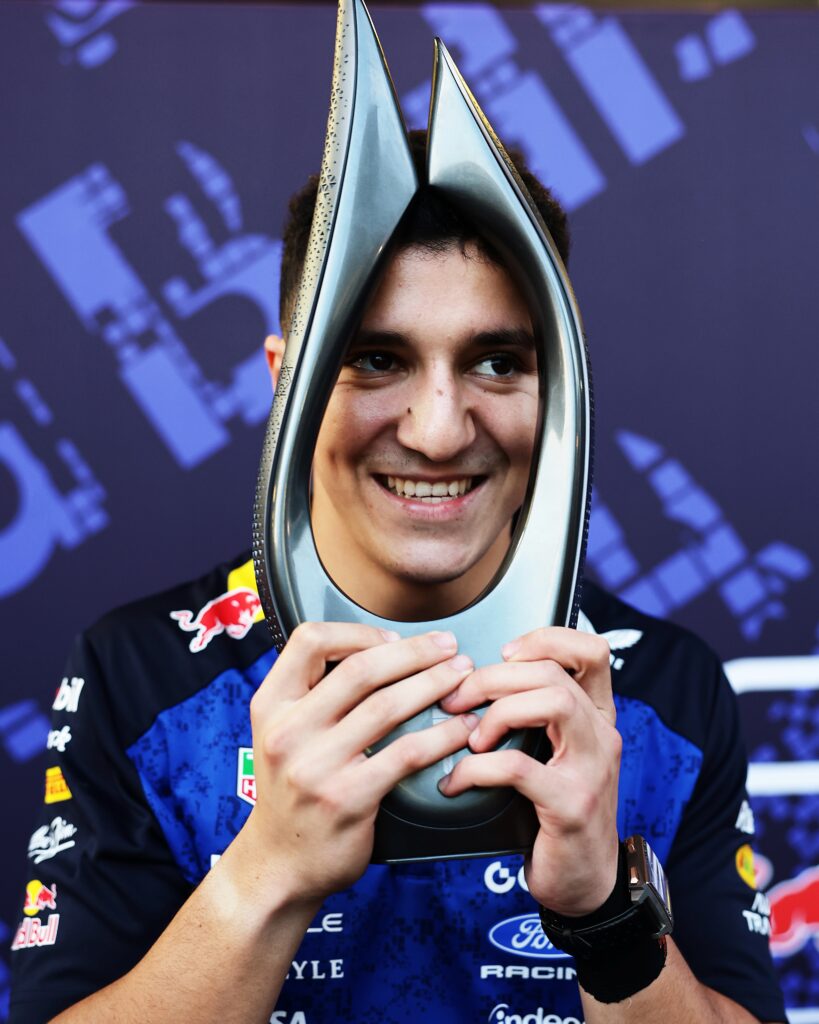
Even when a young driver does not stand on the top step, the moments around the podium often produce the most evocative imagery of the weekend. Helmet removal in parc fermé, the embrace with engineers, the slow walk back through the garage — these are the frames that age beautifully on a collector’s wall and inspire accurate, full-size display replicas.
Why these moments matter to replicas
Photography taken in these unguarded seconds reveals details that broadcast cameras often miss: the wear pattern on the chinstrap area, the way light pools inside the visor, the micro-scratches that document a race distance fought in earnest. Exhibition-quality replicas aim to reproduce that lived-in character — not as functional equipment, but as honest artistic interpretations destined for display only.
The Bigger Picture for Antonelli
Szafnauer’s prediction is, in many ways, less about a single race and more about a trajectory. Formula 1 careers are built across seasons, not weekends, and the drivers who reach the very top tend to combine three things: a sharp learning rate, an unflappable temperament, and an instinct for the right team at the right moment. Antonelli appears to be developing the first two in real time.
What collectors should watch next
For the replica community, the immediate priorities are clear. Track every helmet evolution — special editions, home-race tributes, season-finale variations. Note the livery iterations that frame those helmets on track. And document the milestone moments: first points finishes, first podium appearances, first front-row qualifying laps. Each of these becomes a candidate for a future 1:1 display piece, a collector item that captures a single irreplaceable instant from a career still gathering momentum.
“He is going to keep growing. The rivals who think they have measured him already are going to be surprised.”
— Otmar Szafnauer, former Alpine team principal
FAQ
Q: Who is Andrea Kimi Antonelli?
Antonelli is a young Italian Formula 1 driver widely regarded as one of the most promising rookies of his generation, known for distinctive helmet design choices.
Q: Why did Otmar Szafnauer warn Antonelli’s rivals?
Szafnauer believes Antonelli’s growth curve is still steep, meaning the rest of the grid is competing against a driver who is improving rapidly from race to race rather than plateauing.
Q: What makes Antonelli’s helmet design appealing to collectors?
The combination of bold colour blocking, restrained typography, and personal Italian motifs makes his helmet visually distinctive — exactly the kind of design that translates beautifully into a full-size 1:1 display replica.
Q: Are 1:1 replica helmets functional?
No. The replicas discussed here are display and collector items only — exhibition-quality pieces designed for shelves, cabinets, and showrooms, not for any form of protective or wearable use.
Q: What makes the Alpine livery stand out on display?
The deep blue and pink accent palette photographs exceptionally well and creates strong visual contrast in display settings, making it one of the most striking choices for exhibition-quality replica showcases.
Shop Alpine Helmets
Display and collector replicas only. Not certified for protective use. Full-size 1:1 scale.
This article was written with the help of AI tools. Editorial policy