
Blog
Montreal Sideshow: Exotic Dancers’ Strike Casts Unusual Shadow Over Canadian Grand Prix Weekend
 123Helmets Editorial Team
Montreal Sideshow: Exotic Dancers’ Strike Casts Unusual Shadow Over Canadian Grand Prix Weekend
While Formula 1 prepared its paddock at Circuit Gilles Villeneuve, downtown Montreal made headlines of its own as exotic dancers announced a strike targeting the Canadian Grand Prix weekend — a uniquely Montreal collision of motorsport, nightlife and labour politics that framed one of the most visually striking race weekends on the calendar.
Key Takeaways
Montreal’s nightlife strike became an off-track talking point, but the on-track helmet artistry stole the visual story.
Circuit Gilles Villeneuve continues to deliver some of the most photogenic podium backdrops on the F1 calendar.
Special Canadian GP helmet designs remain among the most collected exhibition pieces for display rooms.
Montreal’s blend of culture, controversy and racing reinforces why this round is a favourite for collectors and photographers alike.
A Montreal Weekend Like No Other
The Canadian Grand Prix has always been more than a race. It is a downtown festival, a cultural pulse, a weekend where Crescent Street, the Old Port and Île Notre-Dame seem to vibrate to the same rhythm of V6 hybrid engines and late-night crowds. This year, however, the city added an unexpected chapter to its racing folklore when Montreal’s exotic dancers announced a strike specifically timed to coincide with the Grand Prix weekend, one of the most lucrative tourism windows in the local calendar.
The strike, organised around long-running disputes over working conditions in the city’s downtown clubs, drew international attention precisely because it was scheduled to land during Formula 1’s annual visit. Tabloid headlines in Europe and North America picked up the story within hours, and the paddock — never short of a curious sideshow — found itself answering questions that had little to do with tyre compounds or downforce levels.
For Formula 1, the optics were complicated but ultimately peripheral. The sport’s organisers focused on the racing product, the fan zones and the famous Montreal hospitality. Yet the story underlined something that long-time F1 followers already know: Canadian GP weekends are never just about the racing. They are about a city that throws itself entirely into the event, with all the complexity that implies.
Why Montreal Matters to the F1 Calendar
Few host cities embrace Formula 1 the way Montreal does. The downtown core transforms into an open-air celebration, with brand activations, paddock-themed pop-ups and crowds spilling into the streets late into the night. The strike news, however jarring, was in many ways a reminder of how deeply intertwined the Grand Prix is with the city’s economy and identity.
Circuit Gilles Villeneuve: A Backdrop Built for Display
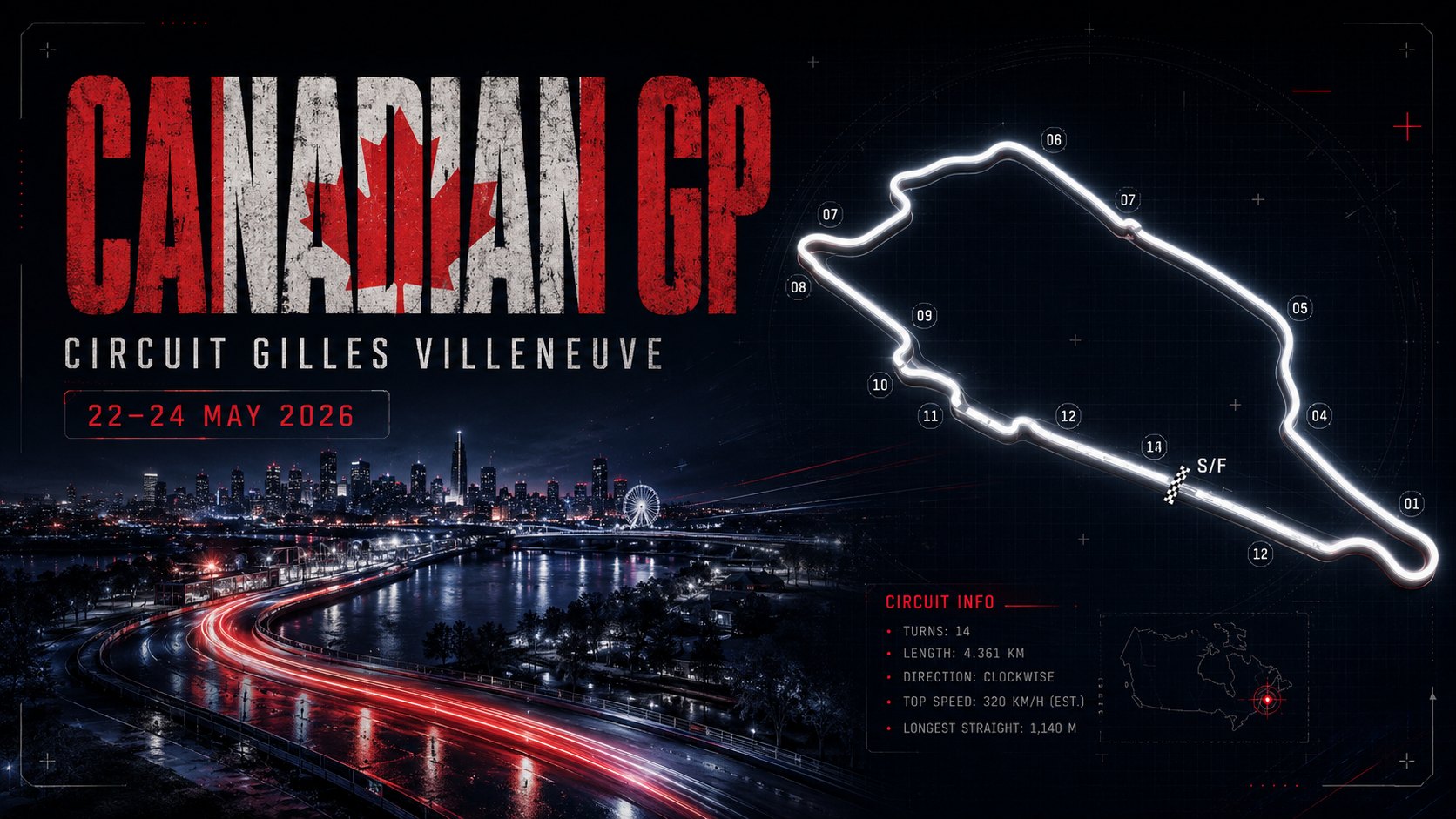
From a purely visual standpoint, the Canadian Grand Prix remains one of the most rewarding races on the calendar. Circuit Gilles Villeneuve, carved onto Île Notre-Dame, offers a backdrop that photographers and collectors prize: the river, the towering downtown skyline, the famous “Wall of Champions” at the final chicane, and the iconic pit straight where podium ceremonies unfold against the Montreal panorama.
For those who curate display rooms or trophy walls dedicated to Formula 1, the Canadian Grand Prix delivers some of the most replayed and reprinted images of the season. The combination of architecture, water and asphalt provides a palette that lifts every livery and every helmet design into a kind of moving art installation.
The Wall of Champions, Still Watching
That infamous concrete barrier on the exit of the final chicane has claimed world champions and rookies alike. It remains one of the great character markers of the modern F1 calendar — a piece of trackside furniture that, in collector terms, is as recognisable as Eau Rouge or the Senna S. For display-piece enthusiasts, helmets associated with famous Montreal moments carry a particular weight on the shelf.
Helmet Artistry in Montreal: A Canvas for Special Liveries
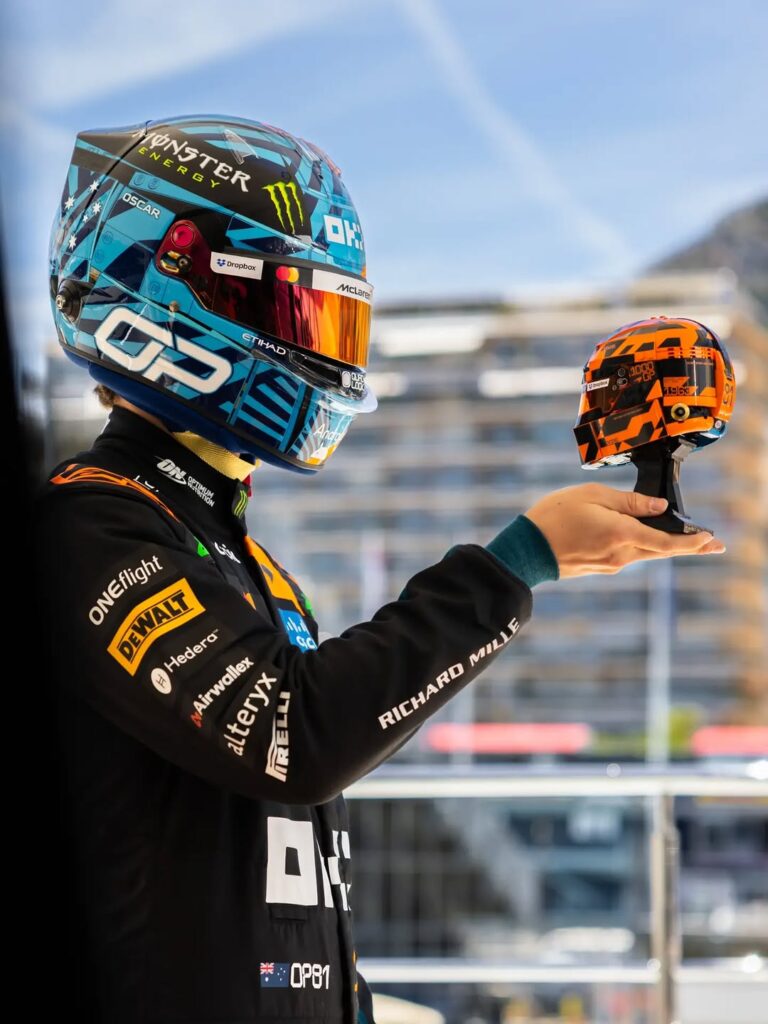
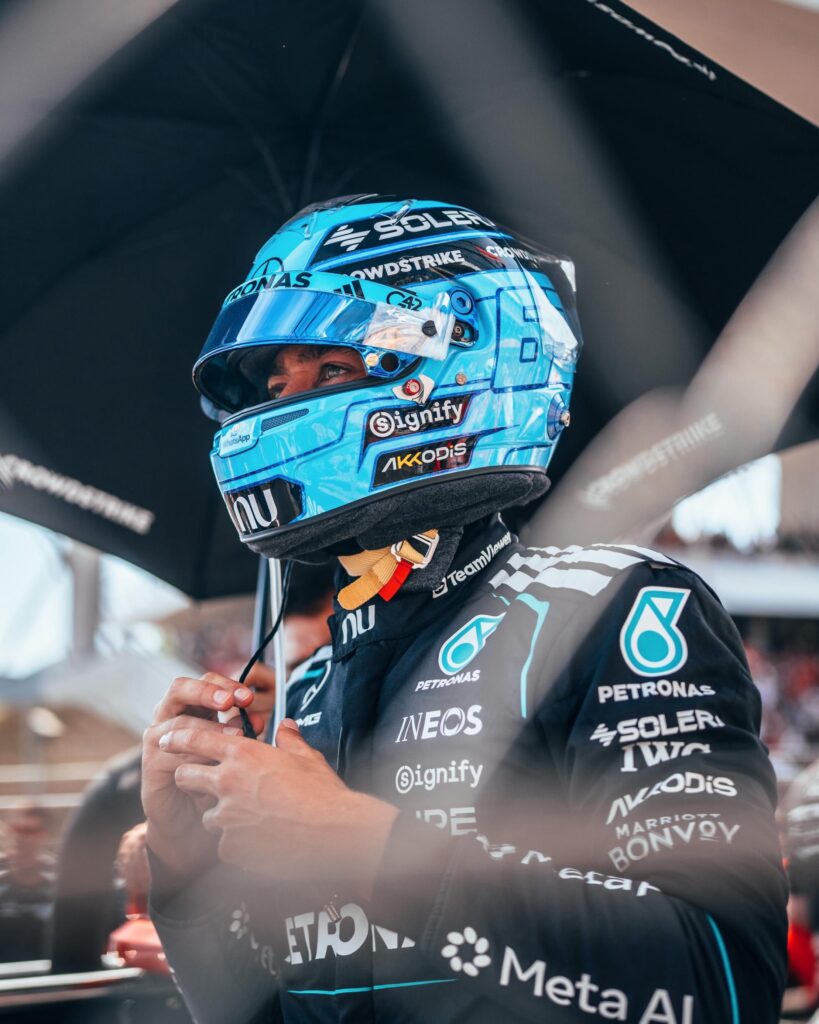
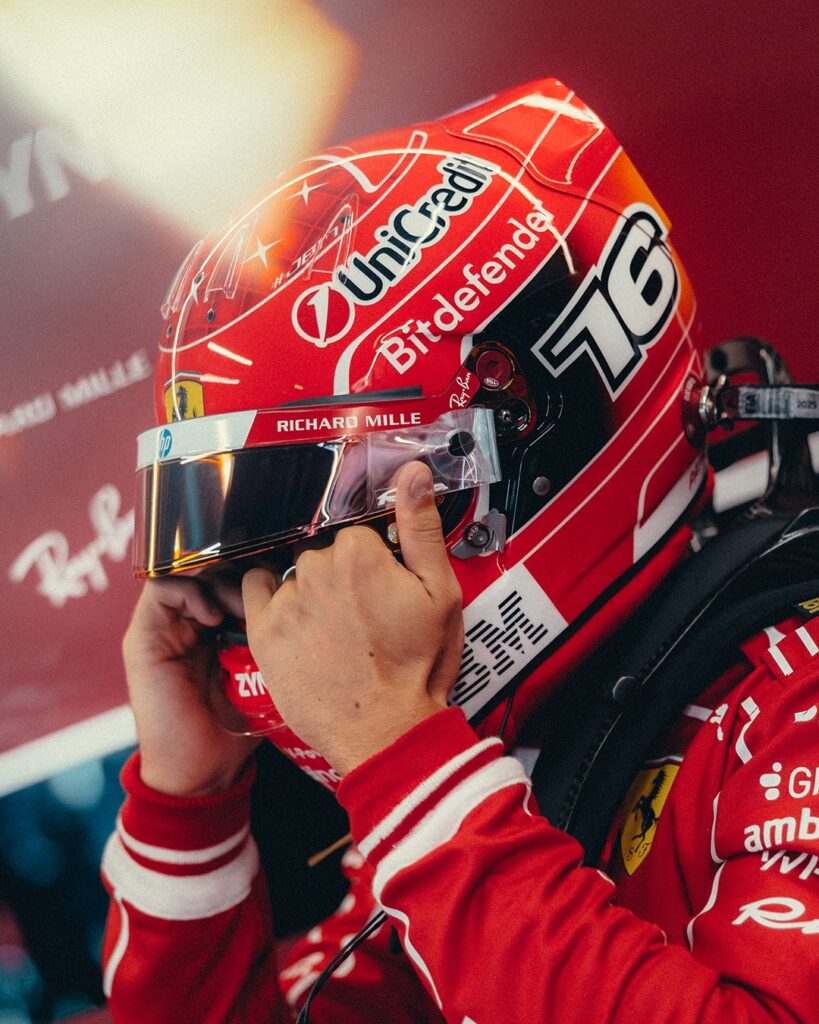
The Canadian Grand Prix has become a favourite venue for drivers to unveil one-off helmet designs. Whether nodding to maple leaf motifs, Montreal’s jazz heritage, the city’s bilingual identity or the broader Canadian audience, special Montreal helmets have produced some of the most collectible exhibition pieces of recent seasons.
Walking the paddock in any modern Canadian GP weekend, you will see a parade of helmets touched up specifically for this round. Some lean into bold red and white palettes inspired by the Canadian flag, others adopt subtle metallic flakes that catch the unique north-eastern light at sunset. A handful of designs each year stand out as immediate candidates for the display cabinet — full-size 1:1 replicas of these helmets become objects of pursuit for collectors months after the chequered flag falls.
Why Montreal Helmets Resonate With Collectors
Three factors make Canadian GP helmets so attractive as exhibition pieces. First, the design specificity: a one-off helmet tied to a single weekend carries a story that generic season-long liveries cannot match. Second, the photographic record: Montreal’s media coverage is intense, meaning each design lives on through thousands of images. Third, the emotional resonance — Canada has long been a backdrop for career-defining drives, and helmets worn during those weekends acquire an almost mythical status when reproduced as collector items.
For anyone building a display wall organised by circuit, the Canadian Grand Prix is one of the most reliable sources of standout pieces. Even rounds without a particularly dramatic race result tend to leave behind a visually striking helmet or two.
Liveries Under the Montreal Sun
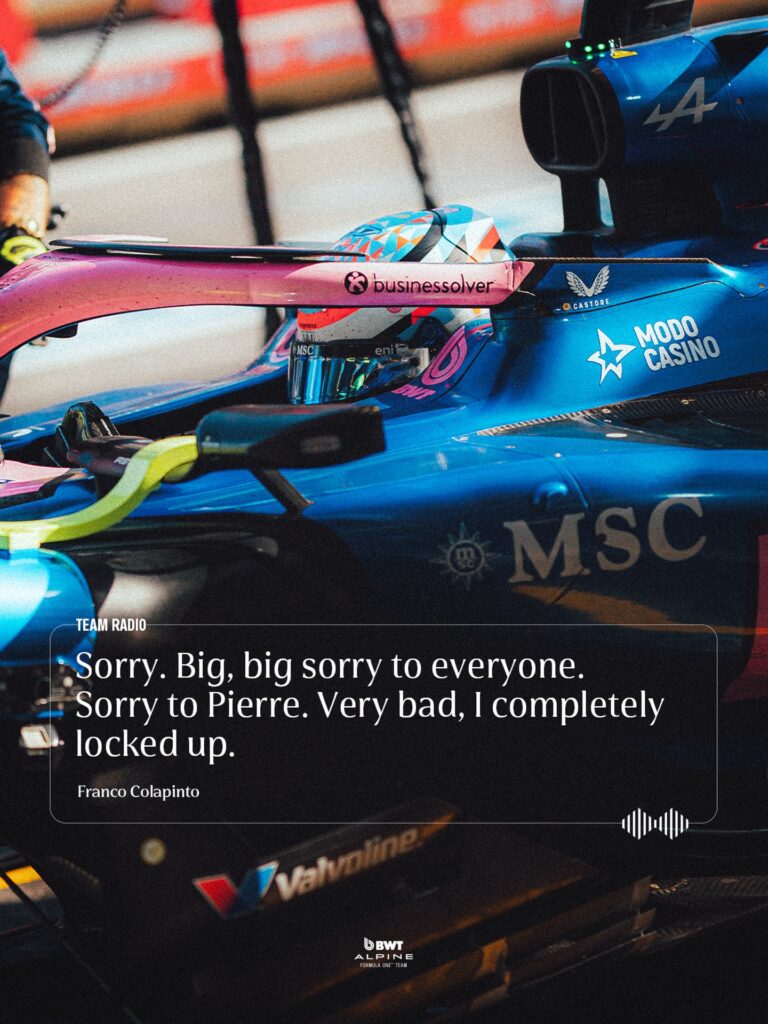
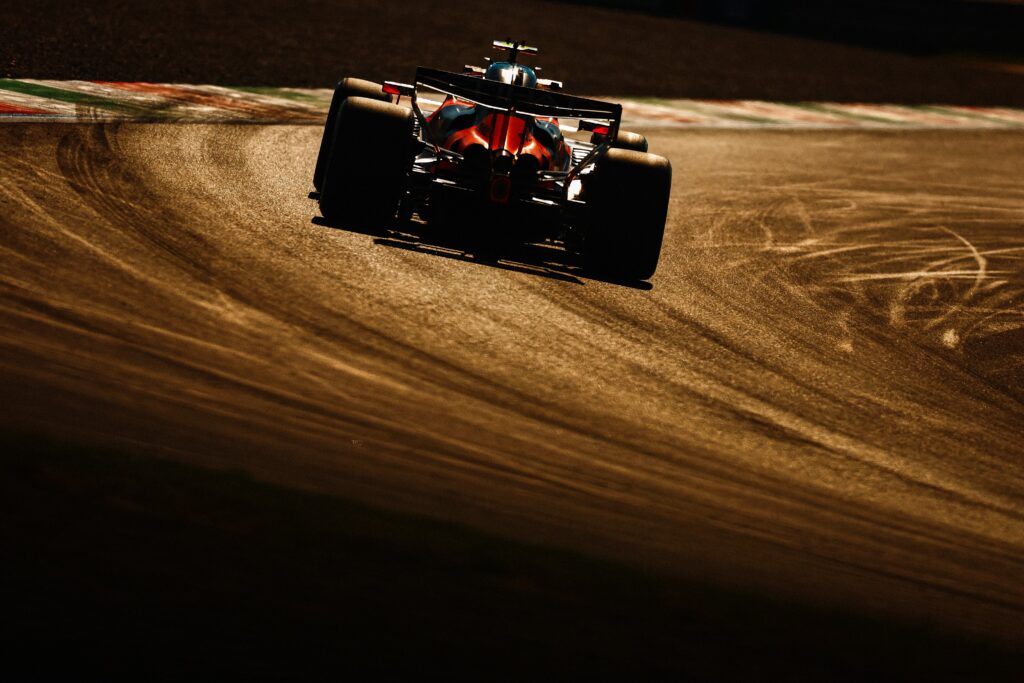
Beyond helmets, Canadian Grand Prix livery presentation deserves its own appreciation. The lighting in Montreal — particularly during qualifying hour and the late-afternoon race window — has a quality that flatters carbon fibre. Matte finishes look deeper, gloss finishes pop with reflections of the river and bridges, and sponsor decals seem to leap off the bodywork.
The teams know this. Hospitality units along the paddock are styled with photography in mind, and the cars themselves are often presented with extra polish for the weekend’s media commitments. For collectors of display-grade memorabilia, Canadian GP photography forms a significant portion of the visual library used to inspire shelf arrangements and lighting setups in home display rooms.
Podium Visuals: A Postcard Every Year
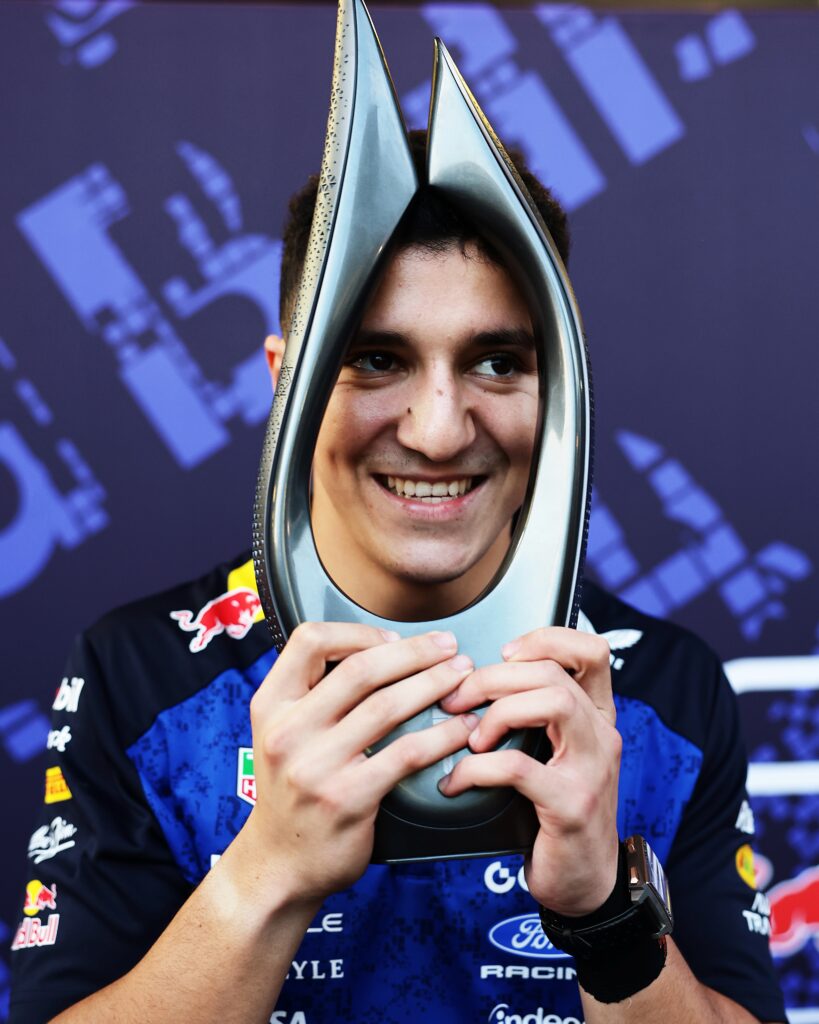
The Canadian Grand Prix podium remains one of the most photogenic moments on the calendar. The ceremony unfolds with the grandstands, the pit lane and a slice of Montreal skyline in the frame. Champagne sprays catch the late-afternoon light. Trophies — themselves often beautifully designed — are lifted against a backdrop that practically guarantees a wallpaper-grade image.
For those who arrange display rooms, framed prints of Canadian GP podiums sit comfortably alongside full-size 1:1 helmet replicas. The two formats — photographic memory and sculptural object — reinforce each other, creating exhibition corners that feel curated rather than merely accumulated.
The City, the Strike and the Sport
Returning to the off-track headline that opened this weekend: the dancers’ strike was a genuinely Montreal story. It spoke to the city’s long tradition of labour activism, its complicated nightlife economy, and the unique pressure that mega-events like the Grand Prix place on local workers in entertainment and hospitality sectors. F1 was not the target of the action — the dispute was rooted in long-standing local issues — but the Grand Prix calendar provided the megaphone.
The paddock, to its credit, largely refrained from commentary. The race weekend continued without disruption to track activities. But the story is a useful reminder that Formula 1 does not arrive in a vacuum. Every host city brings its own politics, culture and contradictions, and Montreal has perhaps the richest mix of any modern stop.
The Lasting Image
When the season’s review reels are eventually cut together, this Canadian Grand Prix weekend will likely be remembered for its on-track moments — the helmets, the liveries, the podium panorama — rather than the downtown headlines. But the headlines added texture. They reminded everyone that the Grand Prix is woven into a real city, with real workers, real disputes and real consequences.
Building a Canadian GP Display Corner
For collectors inspired by this weekend, a Montreal-themed display corner is a rewarding project. Full-size 1:1 replica helmets from Canadian Grand Prix appearances form the natural centrepiece. Around them, framed photography of Île Notre-Dame, scale models of cars associated with famous Montreal moments and printed circuit maps complete the exhibition.
Lighting is critical. Montreal’s outdoor light has a cool, slightly silvered quality that is difficult to replicate at home, but warm spot lighting from above — angled to catch the visor and the crown of the helmet — produces a museum-grade effect. Glass cases keep dust away from matte finishes, which are particularly common on modern special-edition helmets.
Curating With Intent
The best display corners are not exhaustive but selective. Choosing two or three Canadian GP helmets that represent distinct eras or distinct designers produces a more compelling shelf than attempting to collect every single Montreal one-off. The story matters as much as the object — and the Canadian Grand Prix, with its mix of glamour, controversy and visual richness, never lacks for stories.
“Montreal is the one weekend where the city, the circuit and the sport feel like a single living organism — and the helmets that come out of it always tell that story.”
— Paddock observer, Canadian GP weekend
FAQ
Q: Did the Montreal dancers’ strike affect the Canadian Grand Prix on-track schedule?
No. The strike was a downtown labour action rooted in long-standing local disputes. Circuit Gilles Villeneuve operated to its normal schedule throughout the weekend.
Q: Why are Canadian Grand Prix helmets so popular with collectors?
Drivers frequently unveil one-off designs for Montreal, and the city’s intense media coverage ensures those helmets are captured in iconic imagery, making full-size 1:1 replicas highly desirable as display pieces.
Q: What makes Circuit Gilles Villeneuve so photogenic?
The combination of the river, the Montreal skyline, the Wall of Champions and the late-afternoon light produces backdrops that flatter every livery and helmet, making it one of the most visually rewarding rounds on the calendar.
Q: Are the helmets sold by 123Helmets.com intended for protective use?
No. All pieces are full-size 1:1 collector replicas intended strictly for display and exhibition. They are not certified for any protective or wearable application.
Q: How should I display a Canadian GP-themed helmet at home?
A glass case with warm spot lighting angled toward the visor and crown produces a museum-grade effect. Pairing the helmet with framed Montreal podium photography and a printed circuit map creates a curated exhibition corner.
Discover full-size 1:1 collector replicas inspired by F1’s most iconic weekends — Browse F1 Helmet Collection at /shop/ and start curating your own Montreal-worthy display corner.
Display and collector replicas only. Not certified for protective use. Full-size 1:1 scale.
This article was written with the help of AI tools. Editorial policy