Blog
Will Germany Return to F1? Nürburgring vs Hockenheim
 123Helmets Editorial Team
Formula 1’s return to Germany is being treated as a matter of timing rather than possibility, with F1 CEO Stefano Domenicali confirming that talks are underway. The question now is which venue gets the call: the Nürburgring or Hockenheim.
Key Takeaways
Stefano Domenicali has confirmed discussions about restoring a German round to the F1 calendar are ongoing
Hockenheim hosted the most recent German Grand Prix in 2019; the Nürburgring staged the Eifel Grand Prix in 2020 under a different name
Both circuits have hosted championship-defining German GP weekends and produced some of the sport’s most photographed podium liveries
Any comeback depends on financing and calendar space rather than driver or fan demand, which remains strong on both sides
Why Germany Fell Off the F1 Calendar
Germany dropped off the Formula 1 calendar mainly because neither Hockenheim nor the Nürburgring could commit to the hosting fees and multi-year contracts that newer venues on the calendar now pay. Hockenheim staged the last full German Grand Prix in 2019, while the Nürburgring returned briefly in 2020 to host the Eifel Grand Prix, a one-off race added when the pandemic forced a reshuffled calendar. Since then, Germany — a country with three current or recent world champions in its motorsport history and a fan base that fills grandstands whenever a race is confirmed — has had no home round at all.
The financial gap is the core issue. Circuits that pay to join the calendar now typically operate under state or tourism-board backing, something neither German venue has secured on comparable terms. Both tracks have kept themselves in F1 conversation through domestic support series, historic events and their own commercial arguments about location, access and heritage, but neither has closed a deal with Formula One Management.
The Case for Hockenheim
Hockeinheim’s case rests on its recent hosting record and infrastructure built specifically for modern F1 weekends. It last held the German Grand Prix in 2019 and has run full grand prix layouts, paddock buildings and grandstand capacity that would need comparatively little new investment to reactivate. Its shortened modern layout, built around 4.574 km per lap in its current configuration, was designed with television production and run-off standards in mind, which matters when F1 assesses venue readiness against current technical requirements.
The circuit’s argument to F1 is speed to market: fewer construction unknowns, an existing relationship with promoters, and a track configuration already familiar to current cars and current drivers. Its weakness remains the same one that ended its tenure last time — a promoter model that has struggled to turn a profit without direct government support, which is the detail any renewed contract negotiation will need to solve before dates are confirmed.
The Case for the Nürburgring
The Nürburgring’s case is built on history and a layout that current drivers have specifically praised for being demanding. Its grand prix circuit runs to roughly 5.148 km, longer than Hockenheim’s, and its Eifel Grand Prix appearance in 2020 demonstrated it could still deliver a fully organized F1 weekend on short notice during a difficult season. The venue’s broader Nordschleife reputation also gives it commercial appeal beyond a single race weekend, something F1 has increasingly valued when picking new or returning hosts.
Its challenge is largely financial and structural: the circuit has changed ownership and management arrangements repeatedly since its last permanent tenure on the calendar, and rebuilding a stable, long-term promoter relationship is what any Nürburgring return would need to prove before F1 commits grid dates. Domenicali’s comments suggest talks are active, but active discussions and a signed multi-year deal remain two different things.
Podium Moments Worth Remembering
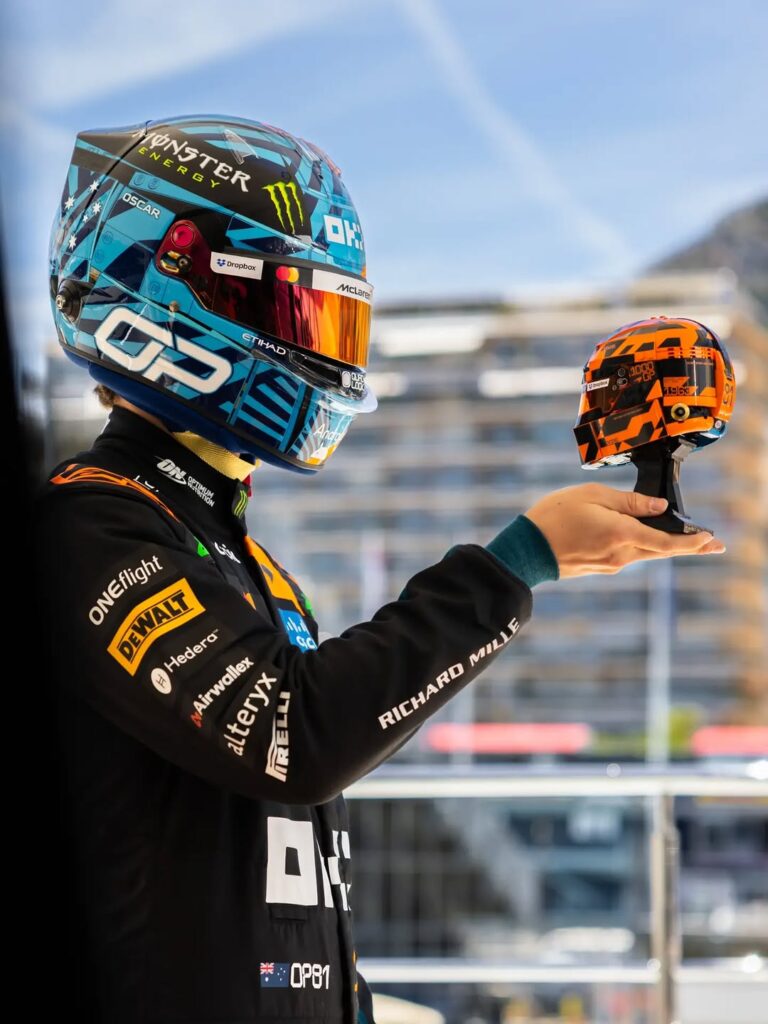
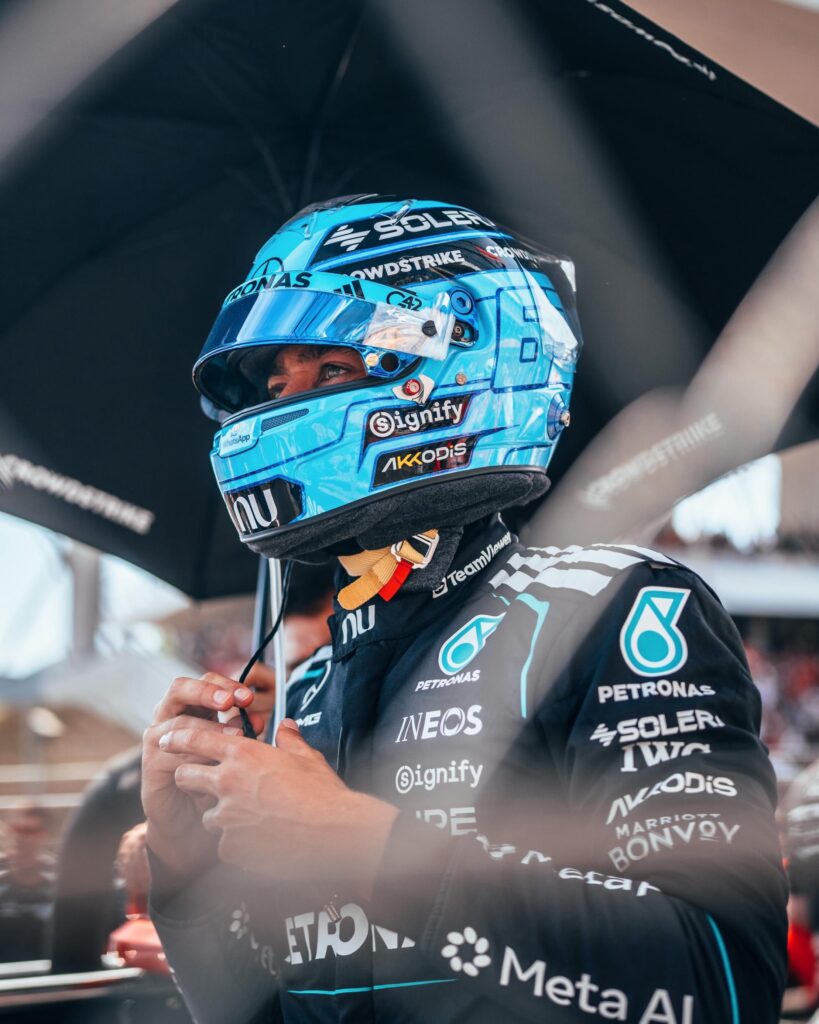
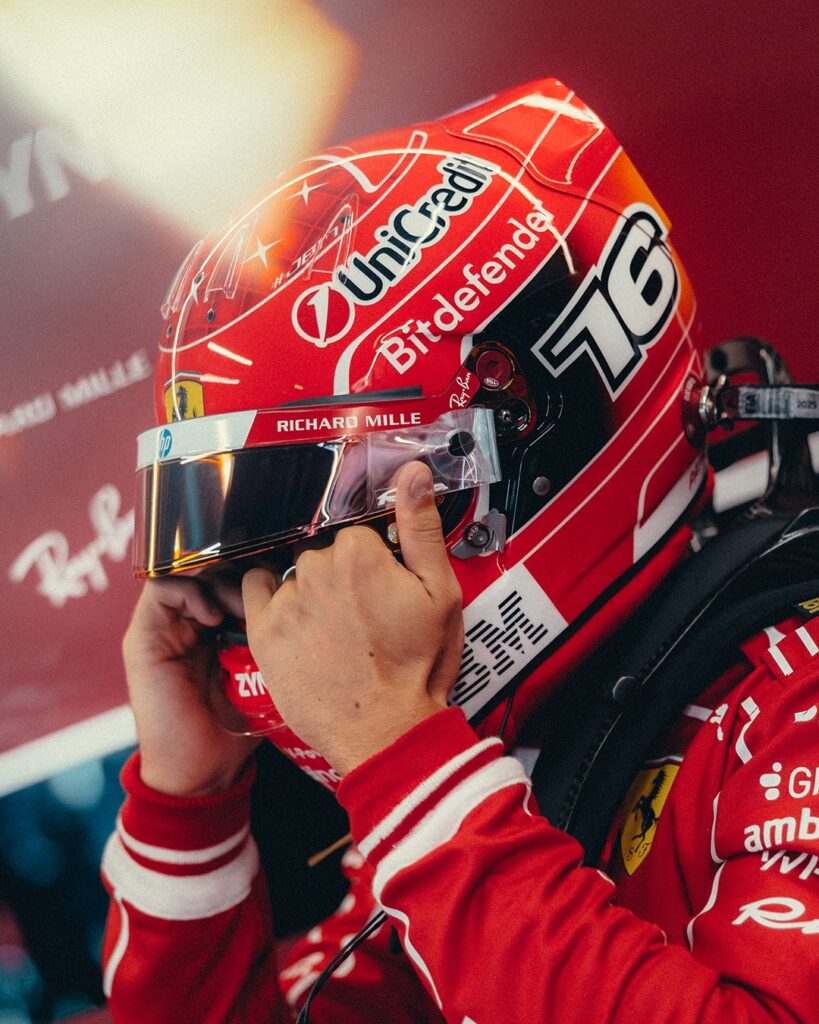
German Grand Prix weekends at both circuits have produced some of the most recognizable podium and livery moments in the sport’s history, which is part of why fans keep pushing for a return. Home wins and home podiums at Hockenheim and the Nürburgring have historically drawn some of the loudest grandstand reactions of any round on the calendar, turning race-winning helmet designs from those weekends into pieces fans still talk about years later. A German round returning to the calendar would immediately become one of the most watched livery reveals of any season it lands in, given the design attention teams put into home-market weekends.
For collectors and fans following current liveries, the wait for an actual German round gives extra reason to look back at past championship helmets from drivers who won or podiumed on German soil, several of which remain some of the most evocative full-size display pieces in F1 helmet collecting today.
What Happens Next
The next step is a finalized promoter agreement, not another announcement of talks. Domenicali’s comments confirm discussions are happening at an official level, which is further than the German GP question has progressed in recent seasons, but F1 calendars are typically locked twelve to eighteen months ahead of a season, meaning any 2027 or 2028 return would need commercial terms agreed well before a date is printed on a provisional calendar.
Both circuits are expected to keep pushing their case through 2026, with fan campaigns, domestic broadcaster interest and manufacturer presence in the sport — several current constructors have German ownership or engineering roots — all cited as reasons the calendar gap will eventually close. Whether that means Hockenheim, the Nürburgring, or a rotation between the two remains the open question.
“Discussions about Germany returning to the calendar are ongoing, and it is something we are actively working on.”
— Stefano Domenicali, F1 CEO
FAQ
Q: When did Germany last host a Formula 1 race?
Hockenheim hosted the last full German Grand Prix in 2019, and the Nürburgring staged the Eifel Grand Prix in 2020 as a one-off pandemic-era replacement round.
Q: Is a German Grand Prix confirmed for a future season?
No confirmed date exists yet. Stefano Domenicali has confirmed talks are underway, but no contract or calendar slot has been announced.
Q: How long is the Nürburgring Grand Prix circuit compared to Hockenheim?
The Nürburgring grand prix layout runs to roughly 5.148 km per lap, longer than Hockenheim’s current configuration of about 4.574 km.
Q: Which circuit is more likely to host a returning German Grand Prix?
Neither has a signed deal yet; Hockenheim has the more recent hosting record while the Nürburgring offers a longer, historically demanding layout and broader brand appeal.
Q: Why did Germany lose its Formula 1 race in the first place?
Financial terms were the main reason, since neither circuit could sustain the hosting fees and multi-year commitments that other calendar venues now pay, often with government backing.
Browse F1 Helmet Collection
Display and collector replicas only. Not certified for protective use. Full-size 1:1 scale.
This article was written with the help of AI tools. Editorial policy