
Blog
Sainz’s Unprecedented Penalty Overshadows Silverstone Helmets
 123Helmets Editorial Team
Charles Leclerc won the 2026 British Grand Prix at Silverstone, which ran its full 52 laps and finished behind the safety car after Max Verstappen’s lap 48 crash at Stowe, four laps from the end, but the headline afterward belonged to Carlos Sainz, who became the first Formula 1 driver penalized with a lap added to his final classification.
Key Takeaways
Max Verstappen crashed at Stowe on lap 48, forcing the final four laps of the 2026 British Grand Prix to run behind the safety car.
Charles Leclerc won for Ferrari as the race concluded under caution at Silverstone.
Carlos Sainz crossed the line 12th but was dropped to 17th after becoming the first F1 driver penalized with a lap added to his final classification.
The penalty stemmed from Williams misreading FIA lapped-car messaging tied to Silverstone’s unusual pit lane and safety car line layout.
Verstappen’s Stowe Crash Triggers a Safety Car Finish
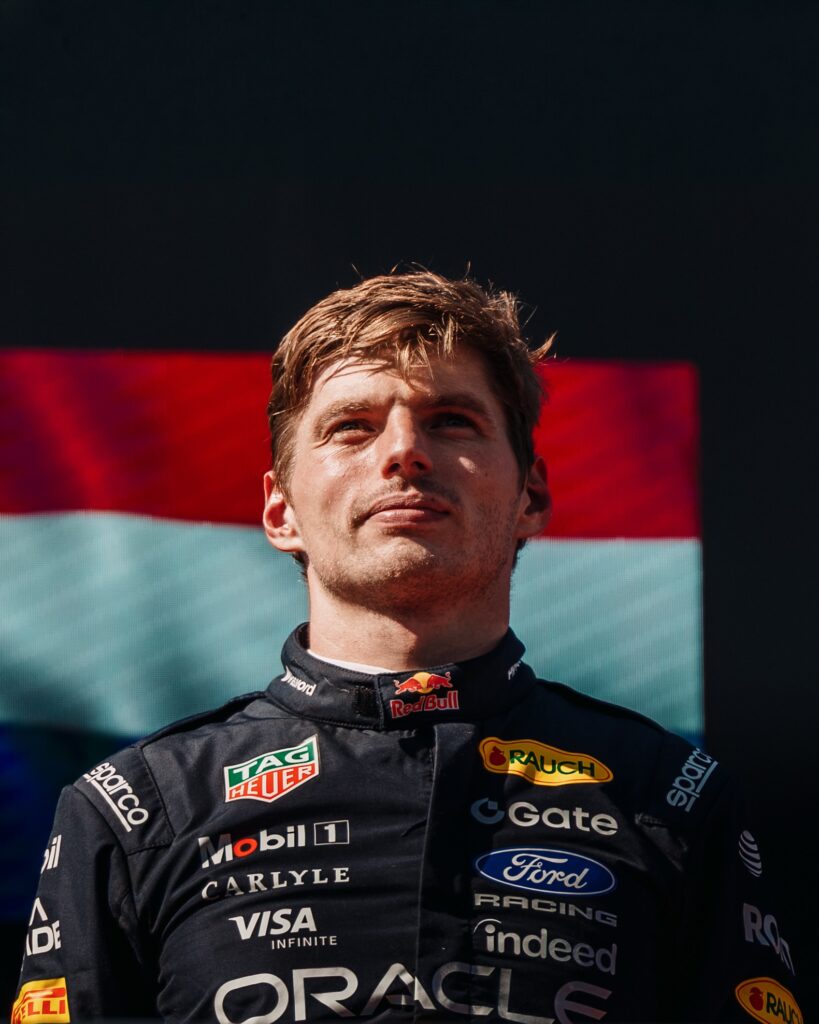
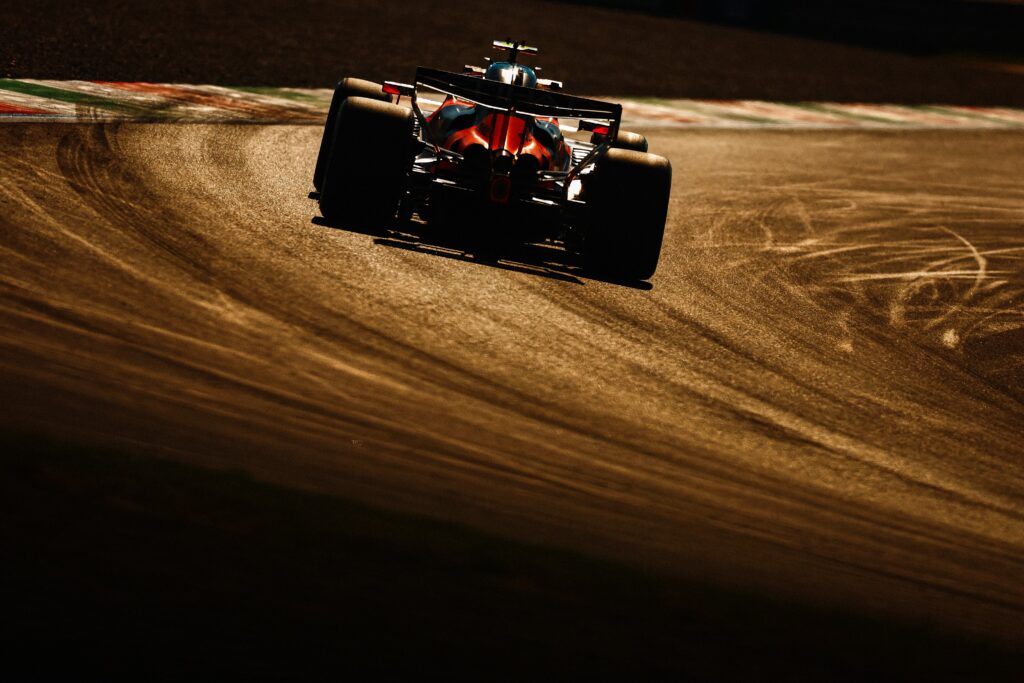
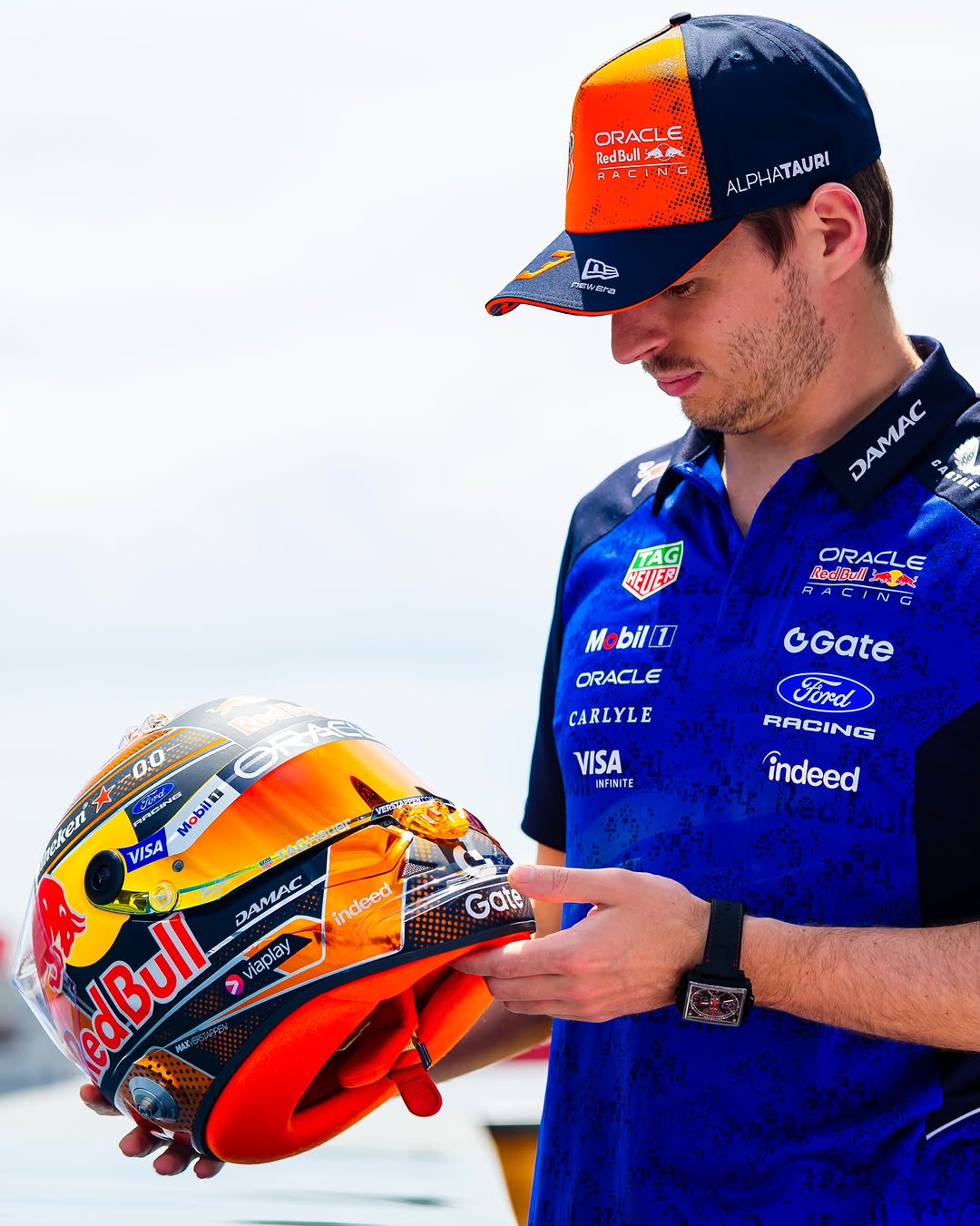
Max Verstappen’s crash at Stowe on lap 48 of the 2026 British Grand Prix forced Silverstone’s final four laps to run under safety car conditions. The incident brought a chaotic close to a race that had otherwise been building toward a straight fight at the front, and it reshaped the entire endgame for teams still working through pit strategy. With the safety car deployed so late, race control had to manage lapped traffic in real time, a process that would go on to produce one of the most unusual penalty decisions in recent F1 history.
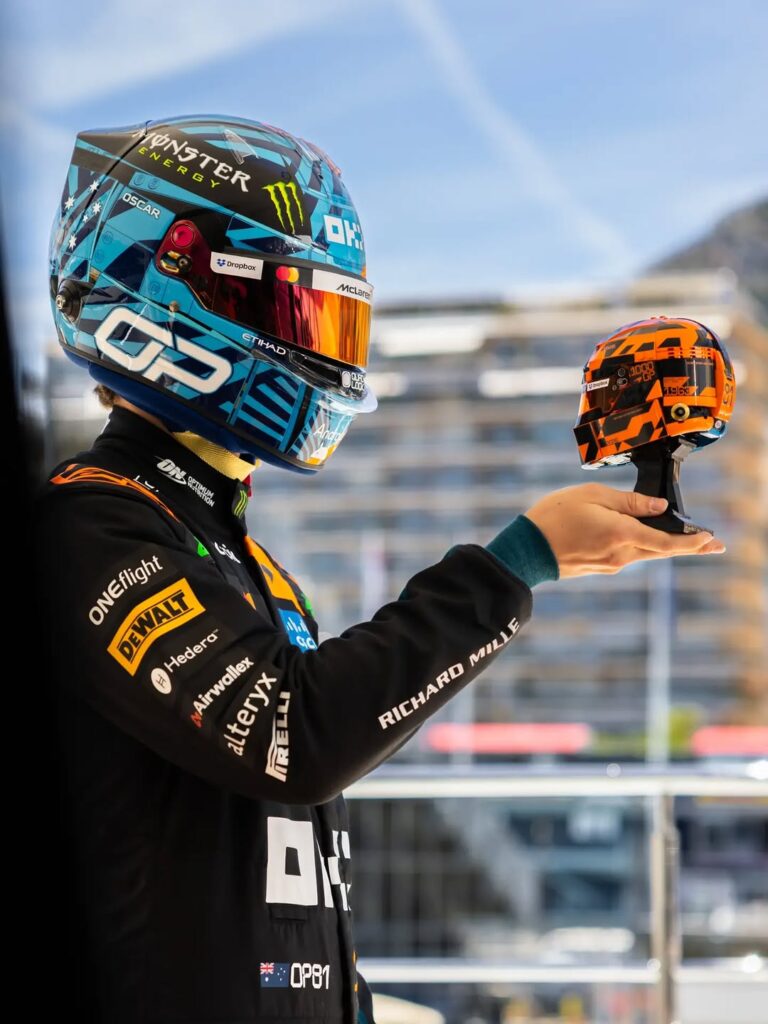
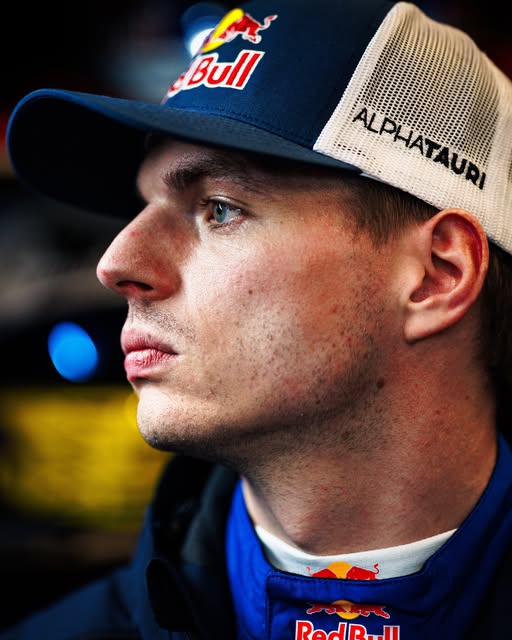
For collectors following the Max Verstappen story this weekend, the Stowe incident is now part of the visual record of the 2026 British Grand Prix. Display-quality 1:1 replica helmets tied to specific race weekends carry that context, and Silverstone 2026 will be remembered as much for its late safety car drama as for who crossed the line first.
Leclerc Takes the Win as the Race Ends Behind the Safety Car
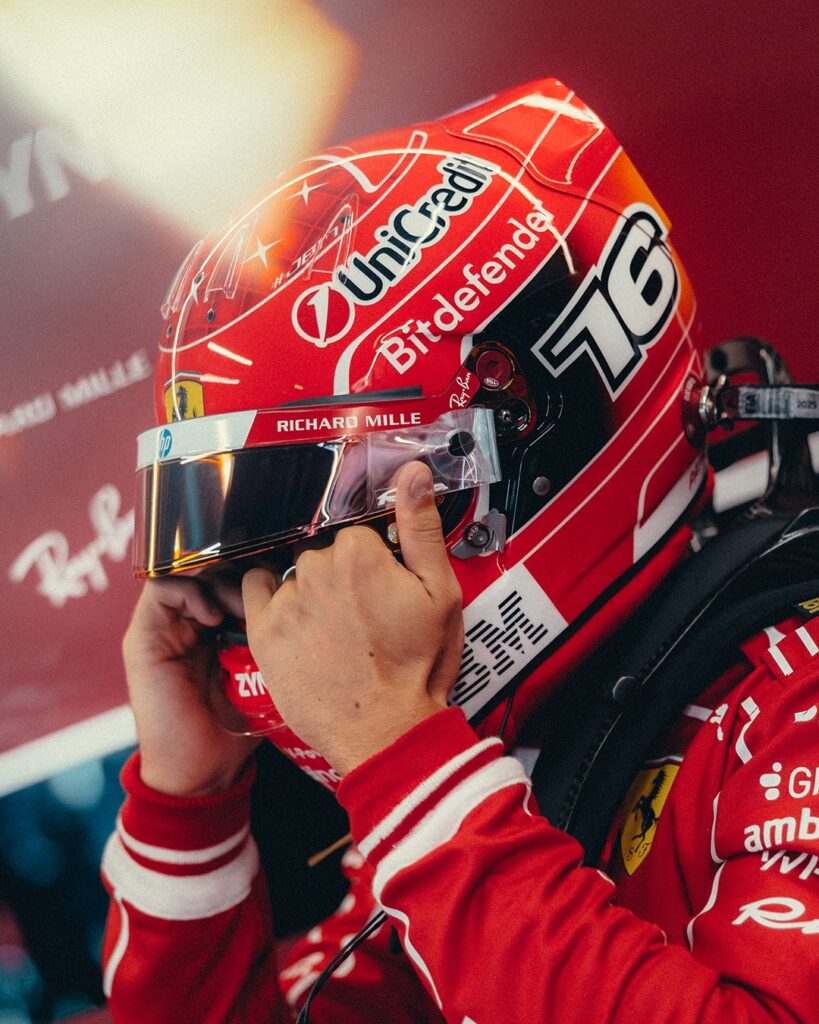
Charles Leclerc won the 2026 British Grand Prix for Ferrari after the race concluded under safety car conditions following Verstappen’s lap 48 crash. The closing four laps were run at reduced pace, denying the field a green-flag shootout but securing Leclerc’s result at Silverstone, one of the calendar’s most storied circuits. Podium visuals from a safety car finish differ from a fought-out chequered flag, but the moment still produces exhibition-quality helmet imagery worth cataloguing for any full-size replica collection built around this era of the sport.
Race winners’ helmets from Silverstone weekends are consistently among the most memorable display pieces in F1 collector circles, and a 2026 edition finished under caution adds a specific talking point: a win shaped by an incident rather than a final-lap pass.
Sainz’s Unprecedented Penalty Explained
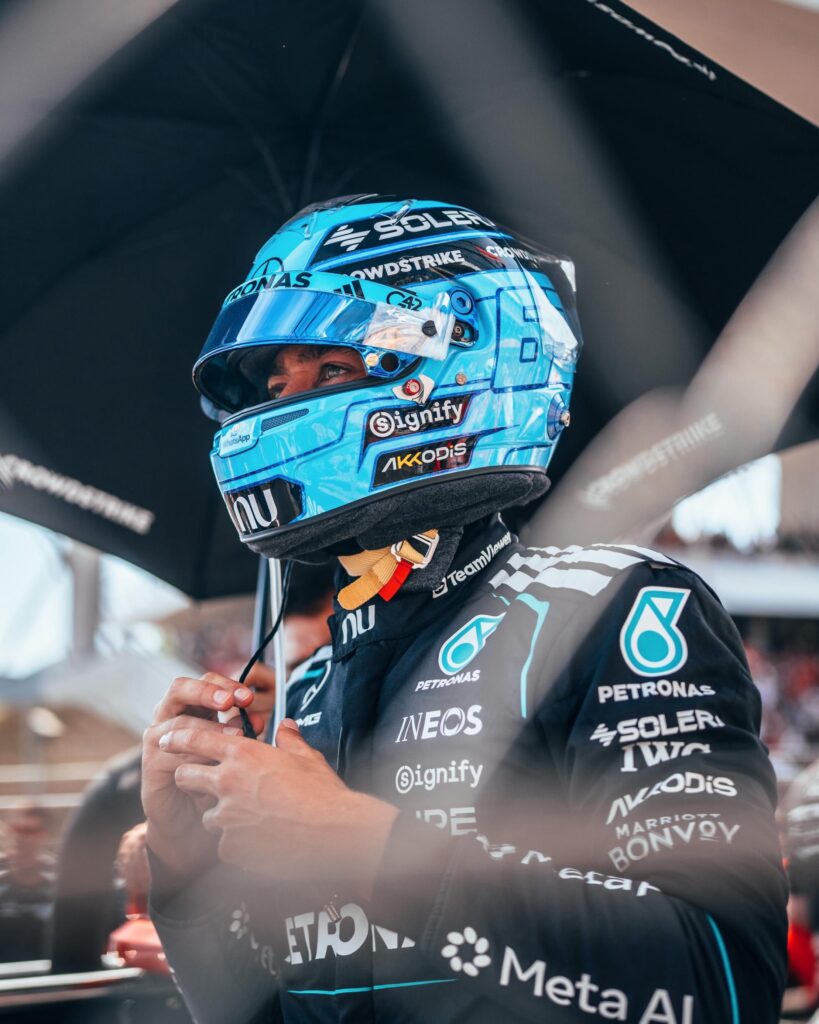
Carlos Sainz became the first Formula 1 driver penalized with a lap added to his final classification after incorrectly unlapping himself during the late safety car period at Silverstone. The Williams driver crossed the line in 12th position but was demoted to 17th, a lap down, hours after the chequered flag once stewards completed their review. According to the FIA report, stewards examined positioning and marshalling system data, video, timing data and in-car footage before reaching their decision.
The penalty traced back to Sainz’s car’s status at safety car line one and safety car line two during the pit stop sequence. Although Sainz’s Williams was lapped at safety car line one entering the pit lane, Silverstone’s specific track and pit lane configuration meant the car had temporarily unlapped itself by the time it crossed the line at the end of that same lap, crossing safety car line two a second time after the safety car had been deployed. That technicality meant his car was not a lapped car under Article B5.13.4(c) at the moment the ‘lapped cars may now overtake’ message was shown, so Sainz was not entitled to pass the safety car when he did.
The stewards’ report noted that after completing his pit stop, Sainz’s car became a lapped car again once it rejoined the track, only compounding the confusion around his exact status at each phase of the sequence. Williams, for its part, failed to recognize in real time that Sainz was not among the cars covered by the lapped-cars message, and that misread is what ultimately produced the unprecedented penalty applied to his final result.
Why Silverstone’s Layout Created the Confusion
Silverstone’s track and pit lane configuration is what stewards pointed to directly when explaining how Sainz’s car’s lapped status could change twice within a single lap. The circuit’s safety car line one and safety car line two are positioned such that a car can be lapped at one point on the lap and unlapped by the time it crosses the finish line moments later, particularly when a pit stop is involved in the same sequence. The FIA’s report explicitly stated that stewards understood how the situation could arise given Silverstone’s exceptional layout, effectively acknowledging that this was not a simple team error in isolation but a product of a genuinely difficult set of circumstances to track in real time.
For teams and broadcasters alike, this kind of scenario underlines how technical modern safety car procedures have become, with lapped-car status now depending on split-second positioning relative to two separate reference lines rather than a single, straightforward marker.
Podium and Paddock Helmets Worth Adding to a Collection
Race weekends with safety car finishes and rare penalty rulings like Silverstone 2026 tend to generate some of the most talked-about display pieces in F1 helmet collecting. A full-size 1:1 replica helmet tied to a specific Grand Prix carries the story of that weekend, whether it is Leclerc’s winning livery, Verstappen’s incident-marked weekend, or the visual identity Williams and Sainz carried into a race that ended with an unprecedented ruling against them.
Exhibition-quality replicas built to 1:1 scale let collectors keep a permanent, display-worthy record of moments like this one. As the 2026 season continues to produce technical and on-track drama in equal measure, weekends like the British Grand Prix become natural focal points for any serious collector building out a season-by-season archive.
“Consequently, car 55 was not a lapped car for the purposes of Article B5.13.4 c) and was therefore not entitled to overtake the safety car when the ‘lapped cars may now overtake’ message was displayed.”
— FIA Stewards’ Report, 2026 British Grand Prix
FAQ
Q: What penalty did Carlos Sainz receive at the 2026 British Grand Prix?
Carlos Sainz had a lap added to his final classification, dropping him from a 12th-place finish to 17th. It made him the first F1 driver penalized in this specific way, following his incorrect unlapping during the late safety car period at Silverstone.
Q: Why was the 2026 British Grand Prix run under safety car conditions?
Max Verstappen crashed at Stowe on lap 48, prompting race control to deploy the safety car for the final four laps of the Grand Prix, which ultimately finished under caution.
Q: Who won the 2026 British Grand Prix?
Charles Leclerc won the race for Ferrari, with the result confirmed after the race concluded behind the safety car following Verstappen’s late crash.
Q: Why did Williams fail to prevent Sainz’s penalty?
Williams did not recognize in real time that Sainz’s car, number 55, was not included in the FIA’s ‘lapped cars may now overtake’ message, because Silverstone’s specific track and pit lane layout meant his lapped status changed twice within a single lap.
Q: Are these Max Verstappen and Williams helmet replicas true race specification?
These are full-size 1:1 scale display and collector replicas built for exhibition quality, not certified protective equipment, designed for collectors who want an accurate visual record of race weekends like Silverstone 2026.
Shop Max Verstappen Collection
Display and collector replicas only. Not certified for protective use. Full-size 1:1 scale.
This article was written with the help of AI tools. Editorial policy