
Blog
Guenther Steiner Slams Miami GP Stewards: The Verstappen Recap and the Case for a Penalty Time Limit
 123Helmets Editorial Team
Guenther Steiner Slams Miami GP Stewards: The Verstappen Recap and the Case for a Penalty Time Limit
Former Haas team principal Guenther Steiner has reignited the debate over Formula 1’s stewarding process after the Miami Grand Prix, calling for a strict time limit on post-race penalties. With Max Verstappen once again at the heart of the conversation, the South Florida round delivered a visual feast of liveries, helmet designs and podium moments worthy of any collector’s display shelf.
Key Takeaways
Guenther Steiner publicly criticised Miami GP stewards and proposed a firm time limit on post-race penalty decisions.
Max Verstappen’s Miami weekend reinforced his status as the most collected driver in modern F1 display culture.
The Miami paddock delivered some of the season’s most photogenic helmet and livery details, ideal for 1:1 replica showcases.
Podium visuals from Miami underline why full-size collector helmets remain the centrepiece of any serious F1 display room.
Shop Max Verstappen Collection
Steiner’s Outburst: Why Miami’s Stewarding Lit the Fuse
Few voices in the modern Formula 1 paddock cut through the noise quite like Guenther Steiner’s. The former Haas team principal, now one of the sport’s most quoted pundits, did not mince words after the Miami Grand Prix. His frustration was aimed squarely at the stewards, whose post-race deliberations once again stretched long after the chequered flag had fallen and the champagne had dried on the podium.
Steiner’s argument is simple and, for many fans, overdue: there should be a time limit on post-race penalties. When a Grand Prix ends, the spectacle ends with it. Trophies are lifted, anthems play, and millions of viewers around the world settle on a result. To then have that result rewritten hours later, Steiner contends, undermines the emotional contract between the sport and its audience.
A Recurring Problem in Formula 1
Miami was not the first event where late penalties shifted the narrative, and it will not be the last unless the regulatory framework is tightened. Steiner’s intervention echoes a sentiment shared by drivers, engineers and supporters who believe that clarity at the flag is non-negotiable in a sport built on precision. For collectors, the stakes are emotional too: a podium photograph, a winner’s helmet, a victory livery — these become artefacts only when the result they represent is firm and final.
Verstappen in Miami: A Weekend Built for the Display Cabinet
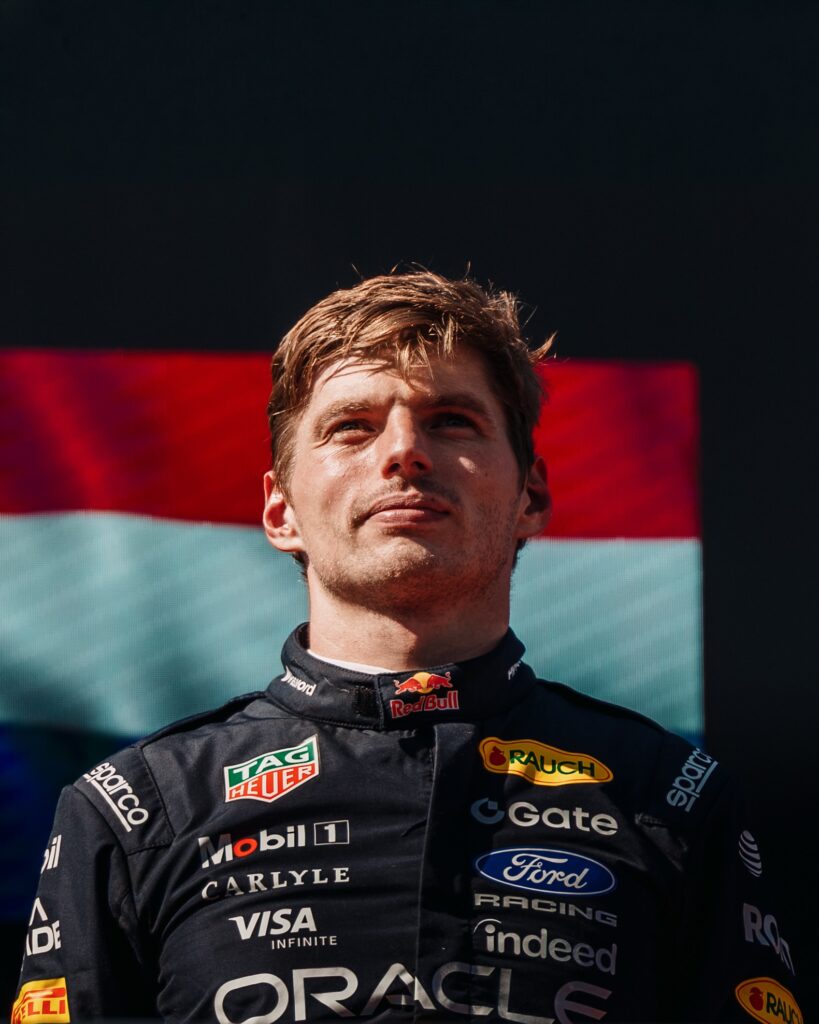
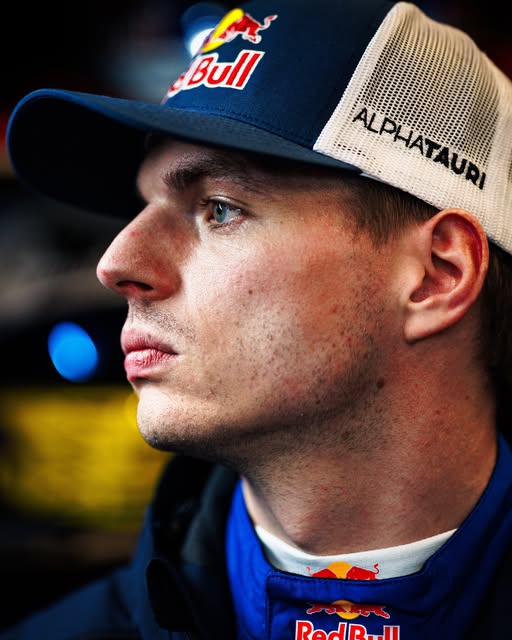
Max Verstappen arrived in South Florida carrying the weight of expectation that has defined his recent seasons. The three-time World Champion remains the benchmark against which every rival is measured, and Miami offered yet another canvas for him to add to his already iconic body of work. From practice through to the race itself, the Dutchman’s rhythm, racecraft and sheer presence dominated the broadcast.
The Helmet That Stole the Spotlight
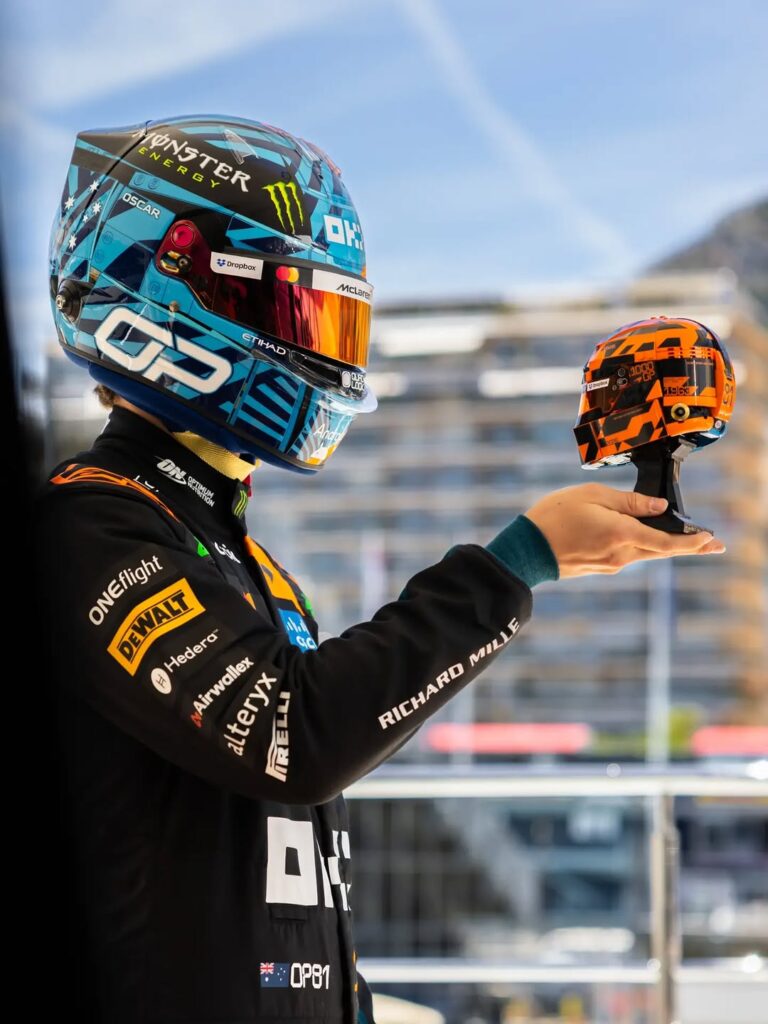
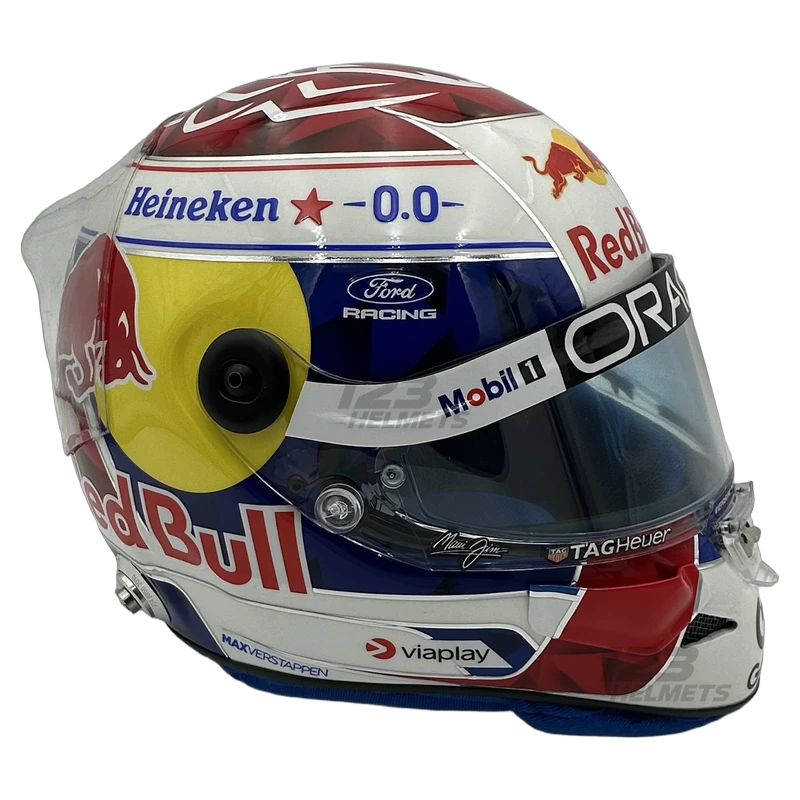
Verstappen’s helmet design in Miami carried the bold colour palette his fans have come to recognise instantly: the deep blue base, the assertive lion motif, and the metallic accents that seem engineered for camera flashes. Under the Florida sun, the finish glinted with a vibrancy that any 1:1 collector replica must capture if it hopes to do the original justice. For display purposes, this is precisely the kind of helmet that anchors a room — not because of what it does on track, but because of what it represents on a shelf.
The Red Bull Livery in Miami Light
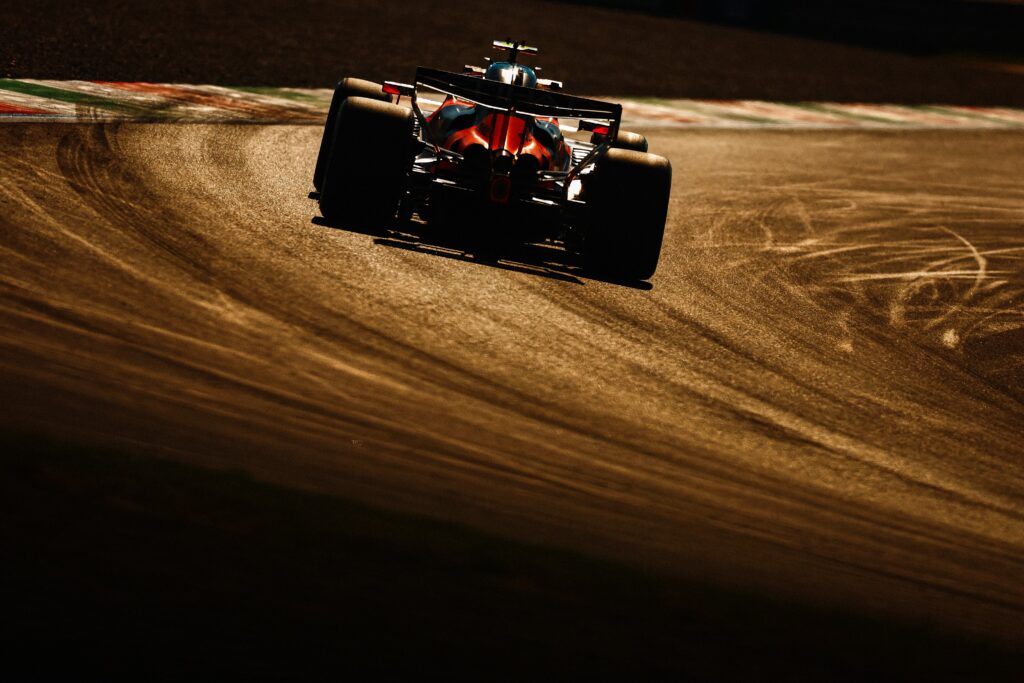
The Red Bull RB chassis, draped in its familiar navy with red and yellow accents, looked particularly cinematic against Miami’s pastel backdrop. The contrast between the team’s traditional palette and the city’s art-deco hues produced photographic moments that will live on in coffee-table books and collector prints for years. When paired with a full-size Verstappen helmet replica, the visual story of the weekend assembles itself almost automatically.
Race Recap: Strategy, Tension and the Late-Race Drama
The Miami Grand Prix unfolded with the kind of tactical layering that has become a hallmark of the current era. Tyre management, undercut windows and DRS trains shaped the early stints, while the inevitable mid-race shuffle threw up genuine wheel-to-wheel battles. Verstappen, as ever, navigated the chaos with a composure that belies his aggressive reputation.
Key Moments That Defined the Result
The opening laps set the tone, with the front-runners managing their hard compound carefully to extend the first stint. The middle phase saw the strategic chess match intensify, as teams gambled on traffic and track evolution. By the closing stages, the leaders had separated themselves, but the battle behind for the remaining podium positions provided the kind of drama that Miami’s promoters dream of.
The Penalty Cloud
It was in those final laps and immediately after the flag that the stewarding controversy ignited. Investigations launched late in the race carried over into the post-race period, leaving teams, drivers and fans waiting for verdicts that arrived long after the trophies had been distributed. This is precisely the scenario Steiner wants to eliminate, and it is hard to argue with the logic when the integrity of a podium ceremony hangs on a clock that never stops ticking.
Why Miami Mattered for the Collector Community
Beyond the sporting result, Miami delivered exactly the kind of visual heritage that drives the collector market. Every Grand Prix produces moments, but only a handful produce iconic moments — the ones that justify a full-size 1:1 helmet replica taking pride of place in a study, a man-cave or a dedicated display room.
Podium Visuals Worth Preserving
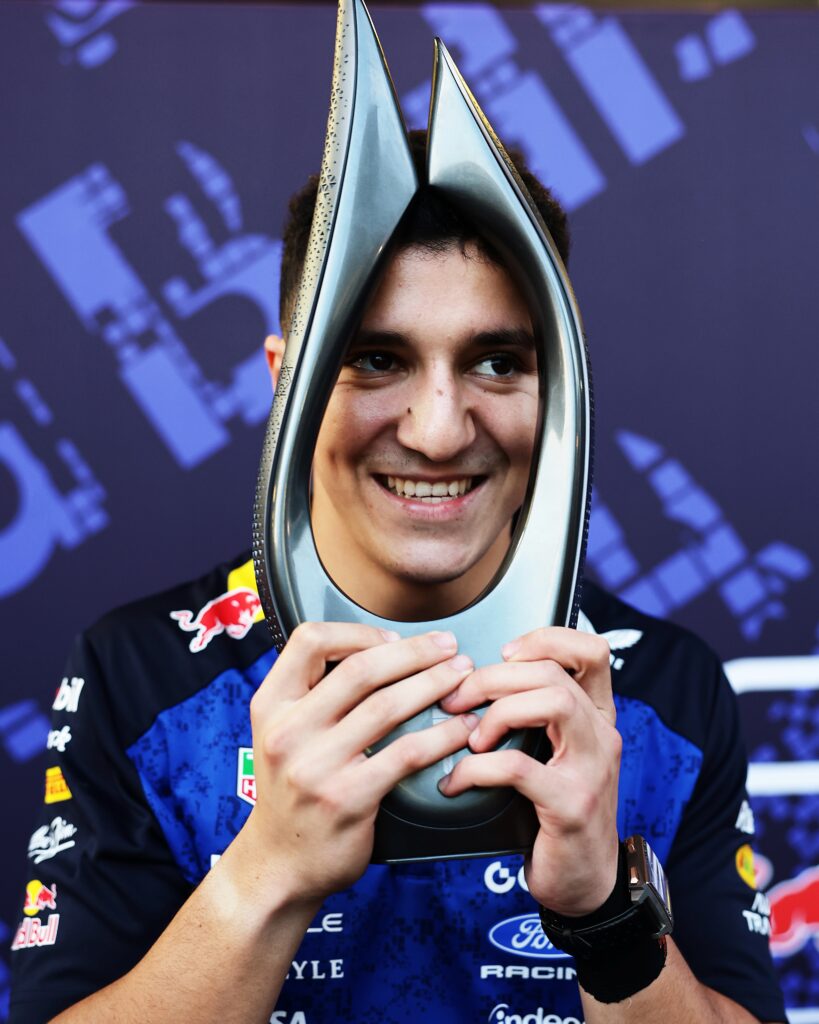
The Miami podium, with its dramatic backdrop and meticulously choreographed celebrations, produced photographs that will be referenced for years. The angle of the helmets resting on the podium edge, the sun catching the metallic flakes in the paintwork, the team caps and racing suits forming a colour story — all of it speaks to why exhibition-quality replicas exist. They allow the home collector to recreate, in three dimensions, what television could only show in two.
The Argument for Full-Size 1:1 Replicas
Mini helmets have their place, but nothing matches the visual gravity of a full-size piece. A 1:1 replica delivers the proportions, the visor depth and the sponsor placement exactly as they appear on the grid. For a driver of Verstappen’s stature, anything less feels like a compromise. Miami’s helmet design is a textbook example: every graphic element is scaled for the real thing, and a smaller version simply cannot deliver the same impact when placed under display lighting.
The Steiner Doctrine: What a Penalty Time Limit Could Look Like
Steiner’s proposal is not merely a complaint — it is a constructive challenge to the FIA. A defined window, perhaps thirty minutes after the chequered flag, within which all penalty decisions must be issued, would force the stewards to operate with the same urgency that defines every other element of a Grand Prix weekend.
Benefits for the Sport
A time limit would protect the emotional climax of the race. Fans would leave the circuit, or switch off their televisions, knowing the result is final. Broadcasters would have cleaner narrative arcs. Sponsors would see their podium moments preserved without the asterisk of a pending investigation. And, crucially, the integrity of the sport’s archival material — the photographs, the footage, the trophies — would remain untouched by retrospective revision.
Benefits for Collectors
For the collector community, finality matters more than most realise. A helmet from a winning Grand Prix carries a narrative weight that a contested result cannot match. When results stand firm at the flag, the story attached to a 1:1 display piece is clean, complete and unambiguous. Steiner’s proposal, whether or not the FIA adopts it, speaks to a deeper truth: a sport that respects its own results creates a richer culture of memorabilia around them.
Looking Ahead: The Verstappen Display Legacy
Whatever the regulatory outcome of the Miami debate, Max Verstappen’s place in the modern collector landscape is secure. His helmet designs have evolved into a recognisable visual language — bold, confident, unmistakably Dutch — and each Grand Prix adds a new chapter to that aesthetic story. Miami simply reinforced what serious collectors already know: a Verstappen full-size replica is not just a tribute to a driver, it is a tribute to an era.
Building a Verstappen-Centric Display
For those constructing a dedicated Verstappen corner, the Miami helmet sits naturally alongside his championship-winning designs and his special-edition tributes. Lighting matters: warm directional light brings out the metallic flakes, while cooler ambient light flatters the matte sections. Mounting at eye level, on a rotating plinth or within a glass case, transforms the piece from object to centrepiece.
“When the race is over, the race is over. You cannot keep changing the result hours later — it is not fair to the fans, the teams or the drivers.”
— Guenther Steiner, speaking after the Miami GP
FAQ
Q: What did Guenther Steiner say about the Miami GP stewards?
Steiner publicly criticised the length of post-race investigations and called for a strict time limit on penalty decisions, arguing that results should be finalised shortly after the chequered flag rather than hours later.
Q: Why is Max Verstappen’s Miami helmet popular with collectors?
Verstappen’s Miami helmet features his signature deep-blue base, lion motif and metallic accents — a combination that translates exceptionally well into a full-size 1:1 collector replica designed for exhibition display.
Q: Are 123Helmets replicas suitable for actual racing or riding?
No. All helmets sold by 123Helmets.com are display and collector replicas only. They are full-size 1:1 reproductions intended for exhibition and are not certified for any protective or on-track use.
Q: What makes a full-size 1:1 helmet better for display than a mini helmet?
A 1:1 replica preserves the true proportions, visor depth, sponsor placement and graphic scale of the original. This delivers a far more authentic visual presence on a shelf or in a display case than a scaled-down version can offer.
Q: How should I display a Verstappen full-size replica helmet?
Place the helmet at eye level under warm directional lighting, ideally inside a glass case or on a rotating plinth. This highlights the metallic finishes and design details while protecting the piece from dust and direct sunlight.
Shop Max Verstappen Collection — bring home a full-size 1:1 collector replica and turn your display space into a tribute worthy of a champion.
Display and collector replicas only. Not certified for protective use. Full-size 1:1 scale.
This article was written with the help of AI tools. Editorial policy