
Blog
Esteban Ocon Miami GP 2026 Helmet Reveal — Haas Race-Week Unveil
 123Helmets Editorial Team
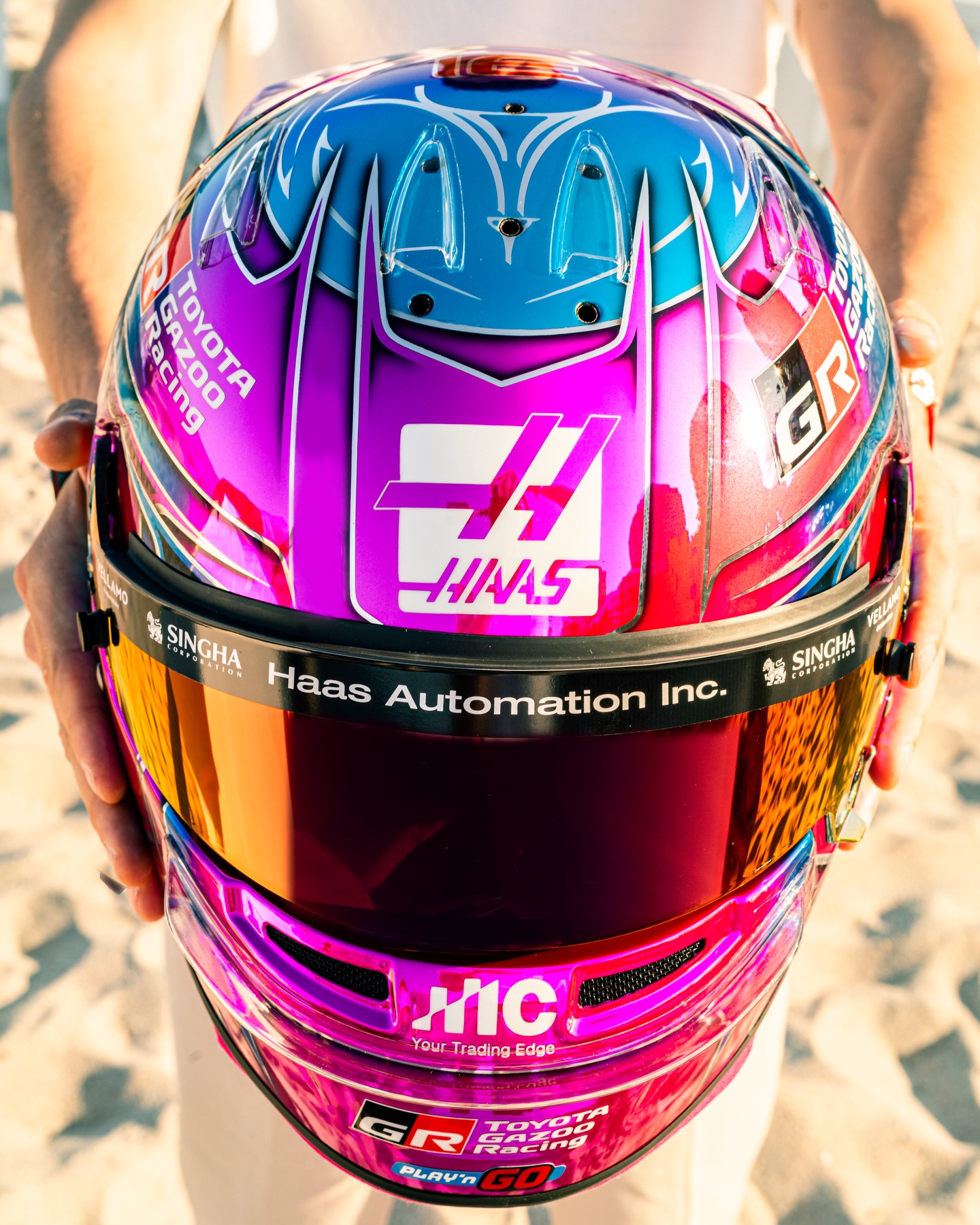
Esteban Ocon Miami GP 2026 Helmet Reveal — Haas Race-Week Unveil
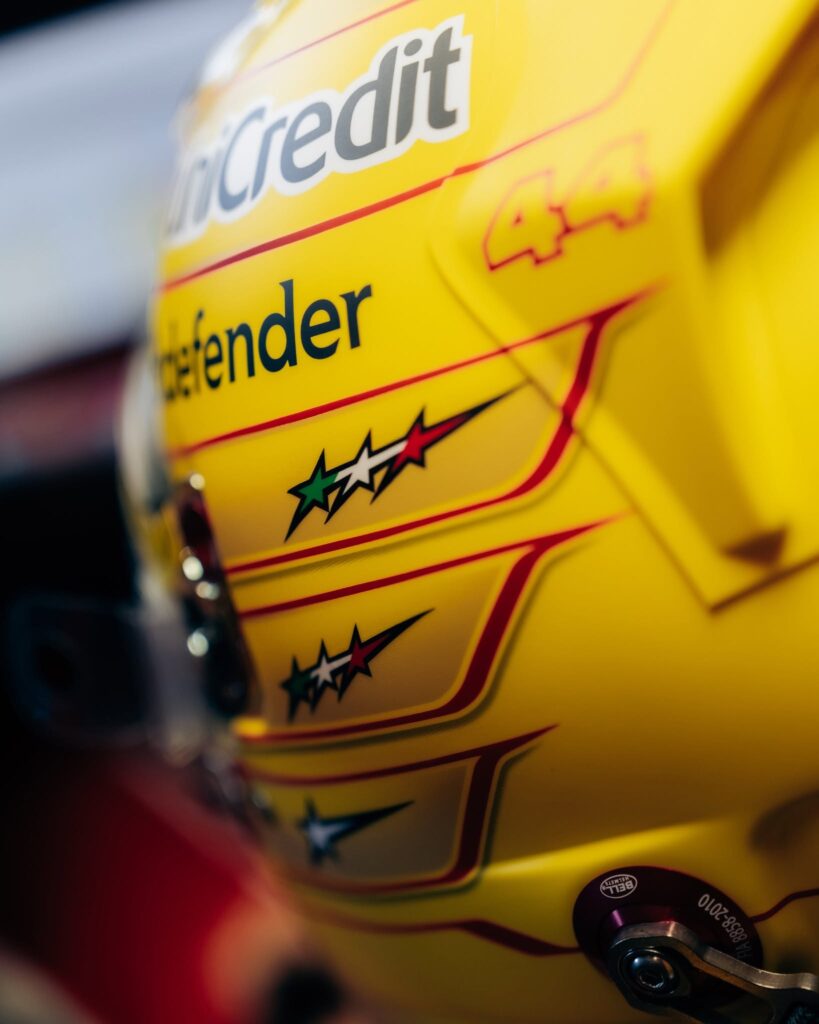
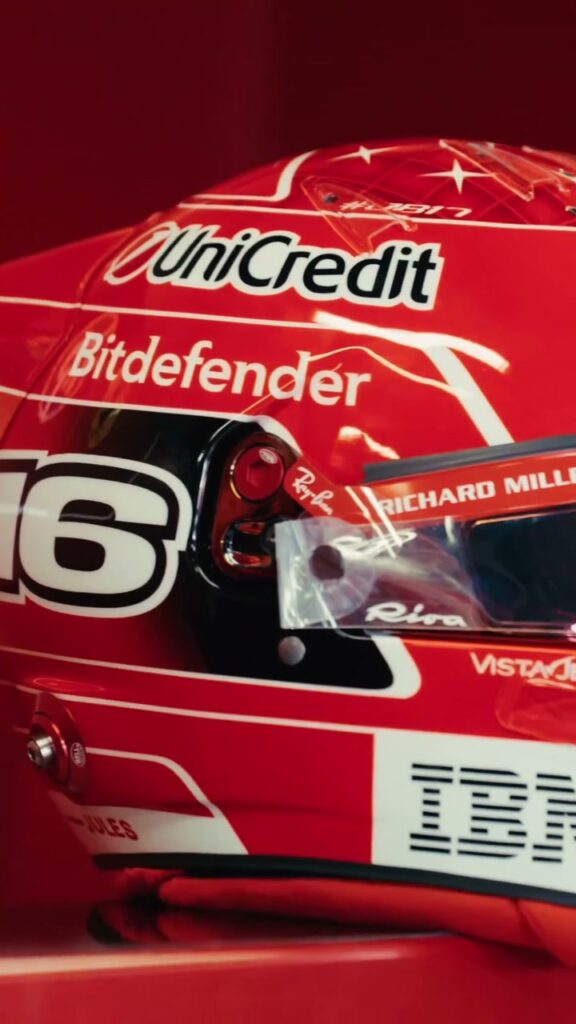
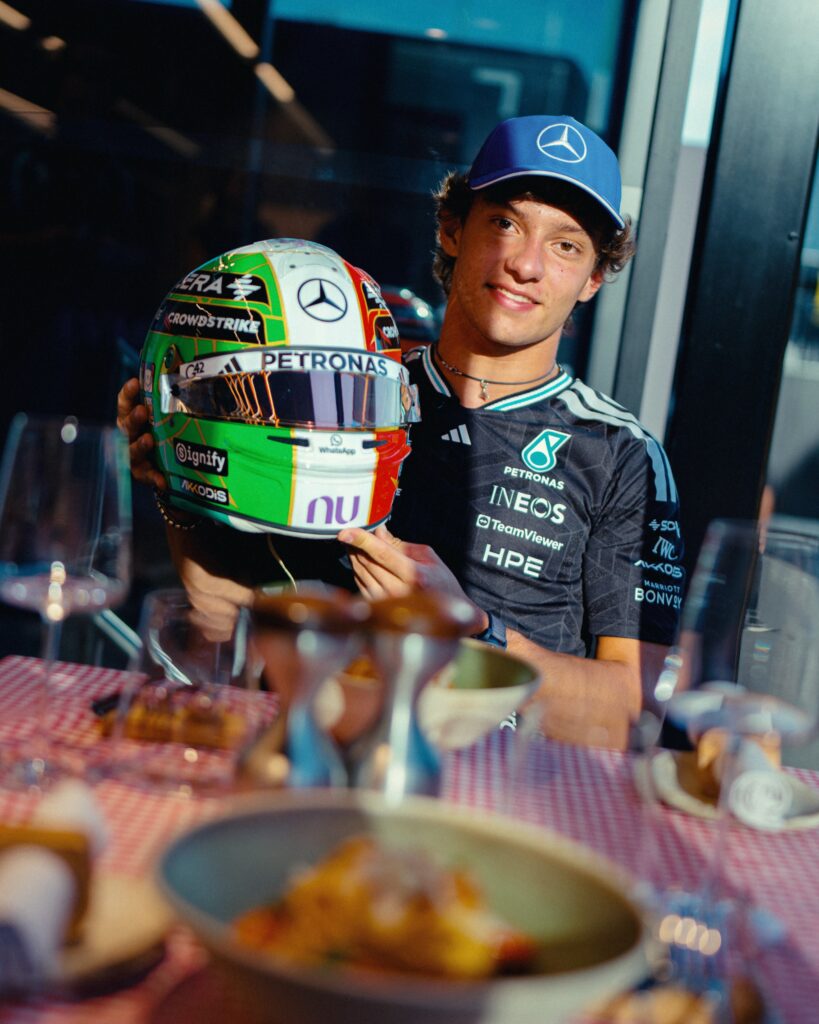
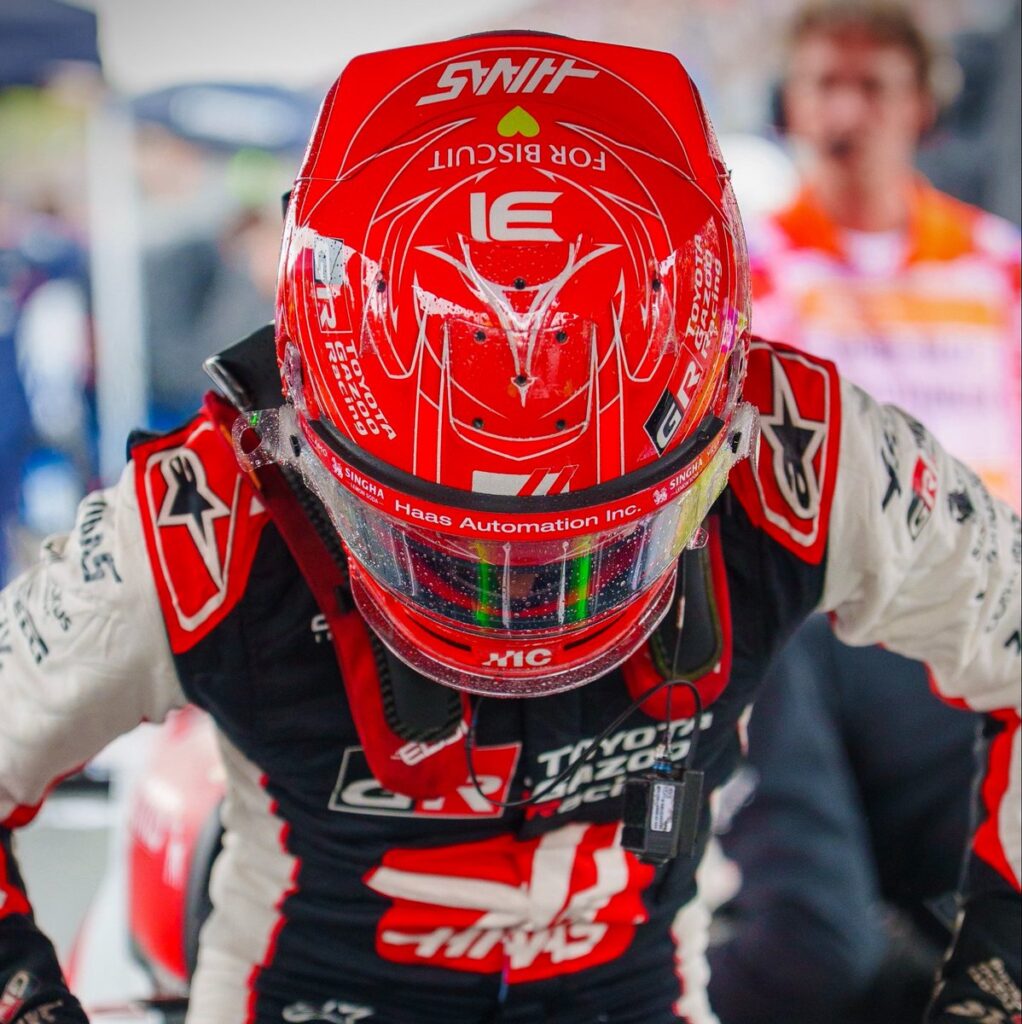
Esteban Ocon arrives in Florida with a fresh lid for the Haas garage, and the Miami GP 2026 reveal instantly becomes one of the most talked-about designs of the spring calendar. From the white-and-red livery cues to the bold sponsor architecture, this is a helmet built for the cameras of South Beach.
Key Takeaways
Ocon’s Miami 2026 lid blends Haas race-week branding with a sharper personal graphic identity
The white base and red accents make this an unusually photogenic design under directional lighting
Sponsor architecture mirrors the VF-26 livery for a cohesive garage aesthetic
Limited race-week visibility means Miami 2026 replicas will be a defining shelf piece for Ocon collectors
A Race-Week Reveal Built for South Beach
Miami has become the unofficial fashion week of Formula 1, and Esteban Ocon understood the assignment. Walking into the Haas garage on race week, the Frenchman pulled the cover off a helmet that immediately set the tone for his 2026 American campaign — a striking white shell punctuated with deep red flashes, a tightly arranged sponsor matrix, and the unmistakable Bell shape that has become his visual signature since his rookie days.
For collectors, Miami reveals carry a particular weight. Unlike Monaco — where tradition often dictates restraint — South Beach invites theatrics. Drivers know the Hard Rock Stadium paddock will be photographed from every angle, and helmet designers tailor their graphics for that exact spotlight. Ocon’s 2026 lid leans into that visibility without becoming chaotic, which is precisely what makes it such a compelling design to study up close.
The Haas Context
Ocon’s move to Haas reframed his entire visual identity. Gone are the muted Alpine blues; in their place sits a crisp white canvas that gives the Miami helmet a luminous, almost showroom quality. The race-week reveal in Florida was the first opportunity for fans to see how that new palette translates into a high-profile street circuit setting, and the answer arrived with confidence.
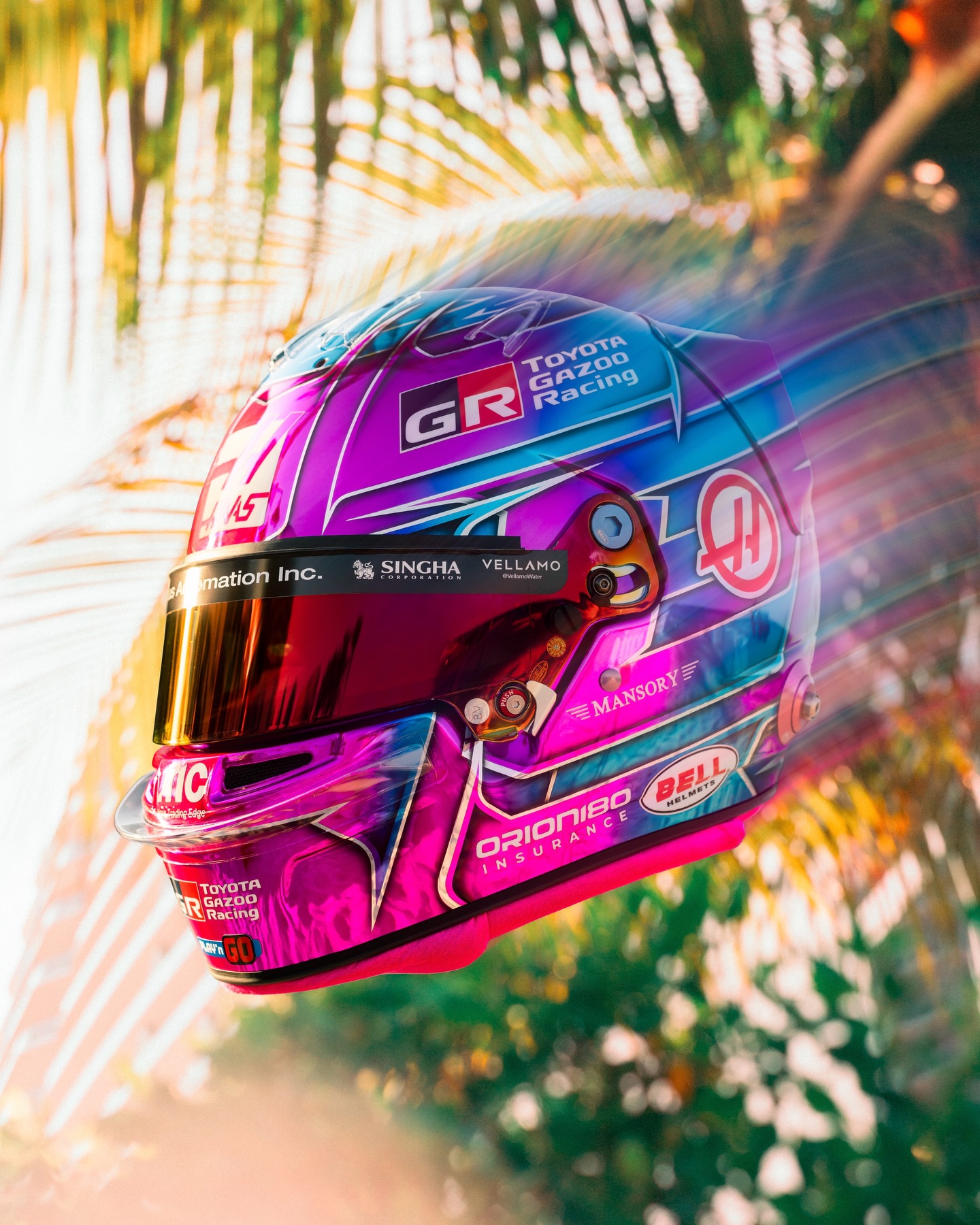
Decoding the Livery: White, Red, and Personal Codes
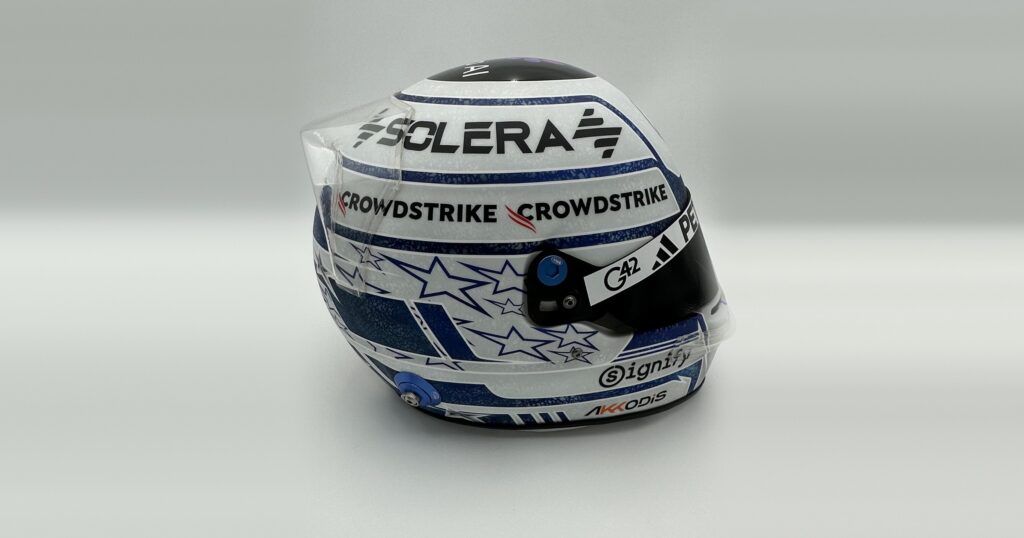
The dominant white base is the first storytelling element. It functions as a clean stage for the layered graphic work, allowing the red accents and sponsor decals to breathe rather than compete. On a collector shelf, this kind of high-contrast arrangement photographs exceptionally well — particularly under directional LED lighting, where the lacquer finish picks up subtle reflections without washing out the detail work.
The Red Accent System
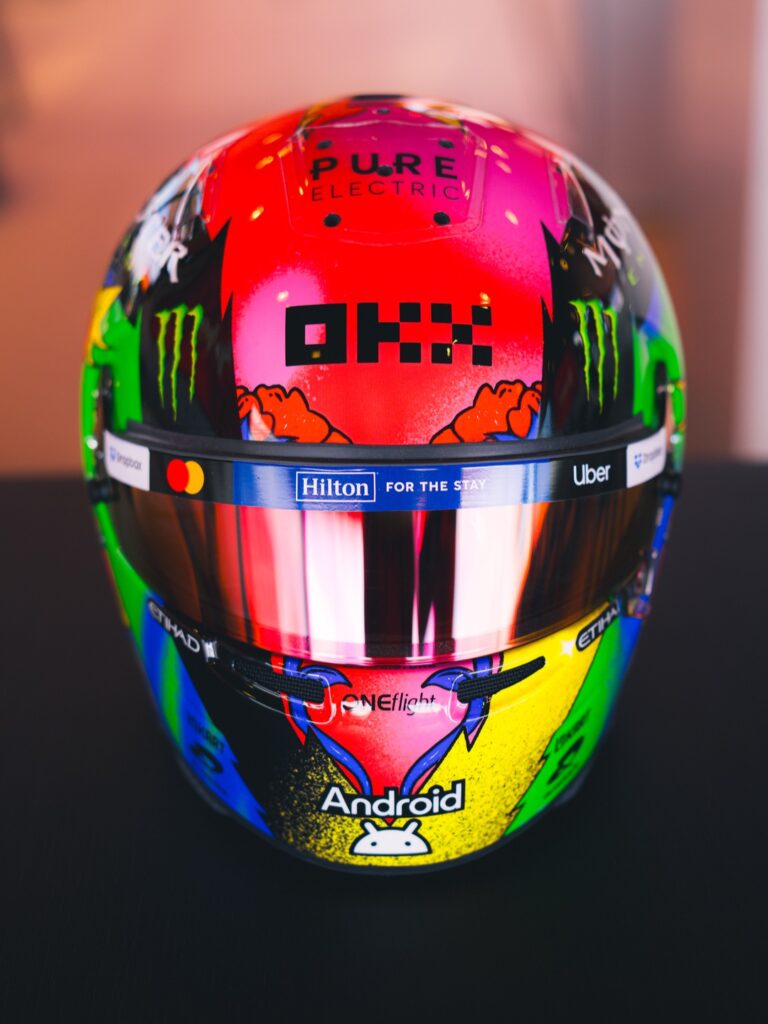
Red is doing heavy lifting here. It threads through the visor surround, traces along the aero ridges on the crown, and reappears in geometric flashes near the chin bar. This isn’t decorative red; it’s structural red, used to define the volumes of the helmet shell. For a 1:1 replica, that structural use of color is what separates a generic display piece from a faithful collector item — every contour reads correctly because the graphic was designed to follow the helmet’s actual geometry.
Personal Iconography
Ocon has always favored helmets that carry small, personal codes — references to family, to his Normandy roots, to the journey that took him from karting paddocks to the F1 grid. The Miami 2026 lid continues that tradition, with discrete graphic elements tucked into the rear and side panels that reward close inspection. Seen from every angle, the helmet reveals new details at each turn — exactly the kind of design depth that rewards close study.

The Haas Sponsor Architecture
One of the defining features of any modern F1 helmet is how it negotiates the sponsor real estate, and the Haas commercial roster gives Ocon’s Miami lid a distinctly American-industrial flavor. The decals are arranged with the kind of disciplined hierarchy you’d expect from a top-tier livery program — primary partners occupy the high-visibility crown and visor strip zones, while secondary marks fill the side panels in a balanced, almost editorial layout.
Why Sponsor Layout Matters for Display
For a collector, sponsor architecture is more than commercial detail — it’s chronological evidence. A helmet’s decal arrangement timestamps the exact moment in the season it was used. The Miami 2026 configuration will differ from the season-opener spec and from later European rounds, which is why race-specific replicas command particular interest. The Miami iteration is a frozen frame of Ocon’s Florida weekend, complete with the partner mix that defined that specific race window.
Cohesion With the VF-26
The helmet’s color logic mirrors the broader Haas VF-26 livery, creating a cohesive garage aesthetic. Set beside a nose-cone replica or a steering wheel reproduction, a helmet with this color logic speaks the same visual language. That consistency is what elevates a single helmet from standalone object to centerpiece of a curated F1 corner.
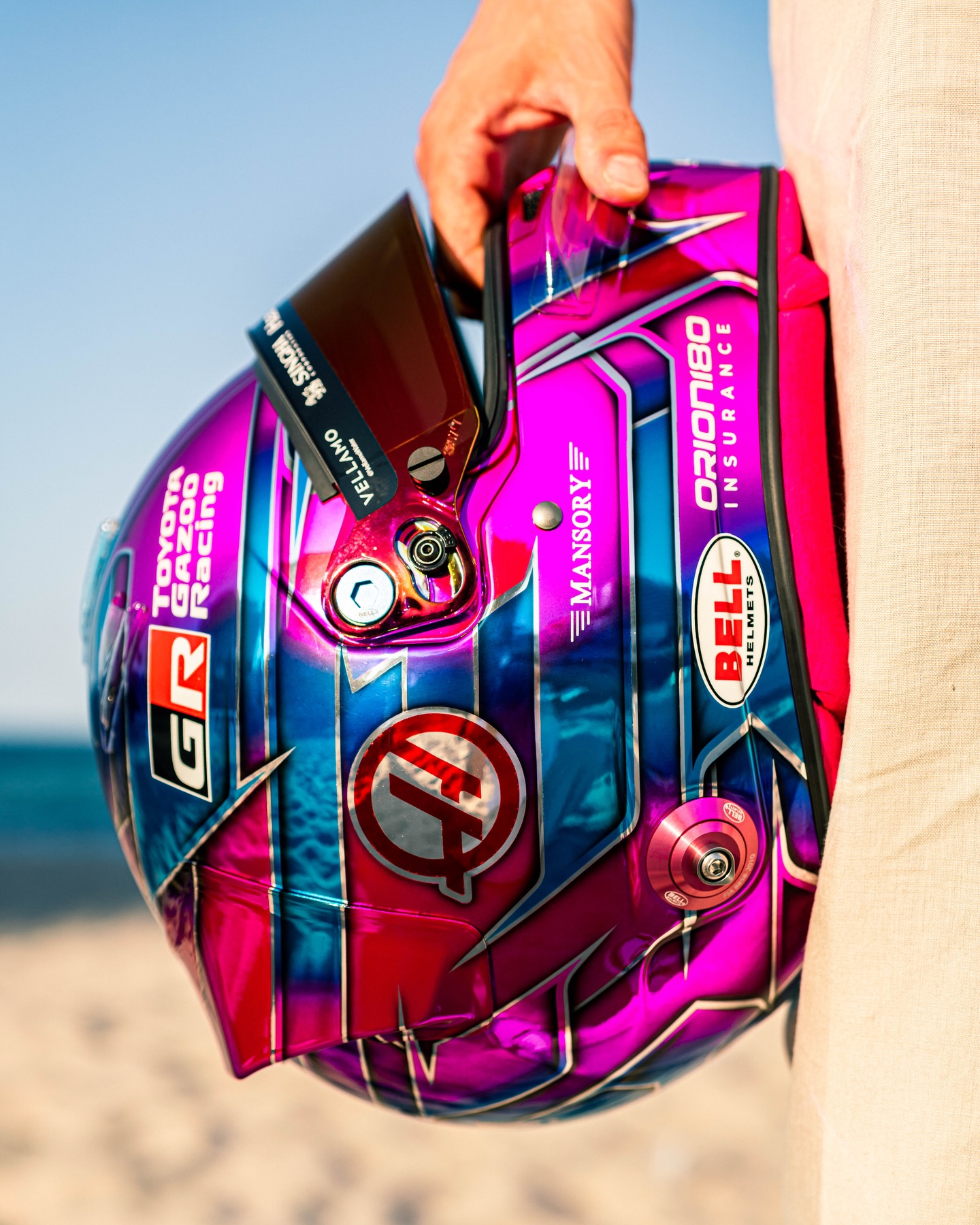
Why Miami Helmets Become Collector Cornerstones
Among the twenty-four rounds of a modern F1 season, only a handful generate genuine collector demand for race-specific helmets. Monaco, Silverstone, Monza, Las Vegas, and Miami sit at the top of that list — all events with cultural weight that extends beyond the sporting result. Miami in particular has matured rapidly into a marquee weekend, and helmets associated with it carry a specific kind of cachet rooted in spectacle, celebrity proximity, and the visual identity of the circuit itself.
The South Beach Effect
The Miami International Autodrome wraps around the Hard Rock Stadium, and the paddock atmosphere bleeds into the entire weekend’s aesthetic. Helmets revealed in this environment tend to feature bolder palettes, sharper contrasts, and more deliberate photo-friendly geometry. Ocon’s 2026 reveal sits firmly in that tradition — a lid engineered as much for the Sunday morning grid walk imagery as for the racing itself.
Display Longevity
A well-designed Miami helmet ages exceptionally well on a collector shelf. The South Beach context gives it instant narrative recognition, and the typically high-contrast graphics resist the visual fatigue that can affect more subtle designs over years of display. For collectors building a rotating seasonal exhibit, Miami helmets earn their place through both story and stamina.
Building the 1:1 Display Setup
This Miami design is not part of the 123Helmets catalogue; the principles below apply to any full-size display helmet. Presenting a helmet correctly is what transforms it into a genuine collector statement. Full-scale F1 helmet replicas demand specific environmental conditions to maintain their finish, and serious collectors approach display the same way museums approach artifact conservation.
Lighting Strategy
Direct sunlight is the enemy of any painted helmet replica. UV exposure fades reds and yellows fastest, and red-led liveries such as Ocon’s Miami design are the most exposed. A north-facing room or a cabinet with UV-filtered glass preserves chromatic integrity for years. Within the cabinet, warm directional LEDs at roughly 3000K bring out the lacquer depth without distorting the white base toward yellow.
Mounting and Rotation
A weighted base or a transparent acrylic stand keeps the helmet stable while letting the graphic work breathe. Some collectors prefer powered rotating displays, which suit helmets whose details reward 360-degree inspection. Avoid contact mounts that touch the painted surface — even soft felt can leave marks over years of pressure.
Curating the Surroundings
Context amplifies the piece. A framed race print, a team-liveried scale model, or a small display card noting the race weekend gives a helmet narrative anchoring. The goal isn’t clutter — it’s storytelling. Each adjacent item should reinforce the central piece without competing for attention.
Where the Ocon Miami Lid Sits in His 2026 Helmet Run
Across a full F1 season, drivers typically rotate through several helmet specifications — a base season livery, one or two special editions, and occasional tribute or charity designs. Ocon’s 2026 sequence with Haas is still unfolding, but the Miami reveal already carves out a distinctive position within that arc.
A Mid-Season Highlight
Miami’s calendar slot — early in the season but after the opening flyaways — gives its helmet reveals a particular momentum. By Florida, drivers have settled into the car, the team’s competitive picture is clearer, and helmet designs tend to reflect a more confident, fully-realized version of the season’s visual identity. Ocon’s lid feels exactly like that: not a tentative opener, but a polished statement piece.
Future Comparisons
As the season unfolds, the Miami 2026 design will invite comparison with whatever Ocon unveils for later marquee rounds. That comparative dimension is part of what makes serial helmet collecting so rewarding — each piece gains additional meaning when placed in conversation with its siblings across the season.
“A helmet reveal in Miami isn’t just about graphics — it’s about how a driver wants to be seen for the rest of the season.”
— 123Helmets Editorial
FAQ
Q: What makes Esteban Ocon’s Miami GP 2026 helmet stand out visually?
The combination of a luminous white base, structural red accents, and the Haas sponsor architecture gives this lid exceptional visual presence. It photographs well under directional lighting and offers layered detail rewarding close inspection.
Q: Are these full-size helmet replicas suitable for any kind of protective use?
No. These are display and collector replicas only — full-size 1:1 reproductions designed for exhibition, shelving, and collection purposes. They are not certified for protective use of any kind.
Q: Why are race-specific helmet replicas like the Miami 2026 edition more sought after?
Race-specific replicas timestamp a precise moment in the season — including the exact sponsor configuration and graphic spec used at that event. Collectors value this chronological accuracy because it transforms the helmet into a frozen frame of a specific weekend rather than a generic season livery.
Q: How should a full-size display helmet be lit?
Use warm directional LEDs around 3000K within a UV-filtered cabinet. Avoid direct sunlight, which fades red pigments quickly. North-facing rooms or enclosed display cases protect chromatic integrity over years of exhibition.
Q: How does the Miami 2026 lid relate to other Haas memorabilia?
Its color logic mirrors the VF-26 livery, so it shares its visual language with Haas-liveried scale models, framed prints, or steering wheel replicas. Coordinated displays enhance the storytelling impact of each individual piece.
Browse F1 Helmet Collection
Display and collector replicas only. Not certified for protective use. Full-size 1:1 scale.
This article was written with the help of AI tools. Editorial policy