



- Keke Rosberg
- Nigel Mansell
- Jenson Button
- Nico Rosberg
- Gilles Villeneuve
- Mika Hakkinen
- Jackie Stewart
- Mika Salo
- Emerson Fittipaldi
- Charles Leclerc
- Lewis Hamilton
- Max Verstappen
- Lando Norris
- Ayrton Senna
- Michael Schumacher
- Fernando Alonso
- Oscar Piastri
- George Russell
- Kimi Antonelli
- Nico Hülkenberg
- Gabriel Bortoleto
- Pierre Gasly
- Franco Colapinto
- Carlos Sainz
- Oliver Bearman
- Sergio Pérez
- Valtteri Bottas
- Isack Hadjar
- Alain Prost
- James Hunt
Pierre Gasly’s 2026 Japanese Grand Prix Special Edition Helmet: A Collector’s Spotlight
Posted by
 123Helmets Editorial Team
123Helmets Editorial Team
Special Edition Spotlight
Pierre Gasly’s 2026 Japanese Grand Prix Special Edition Helmet: A Collector’s Spotlight
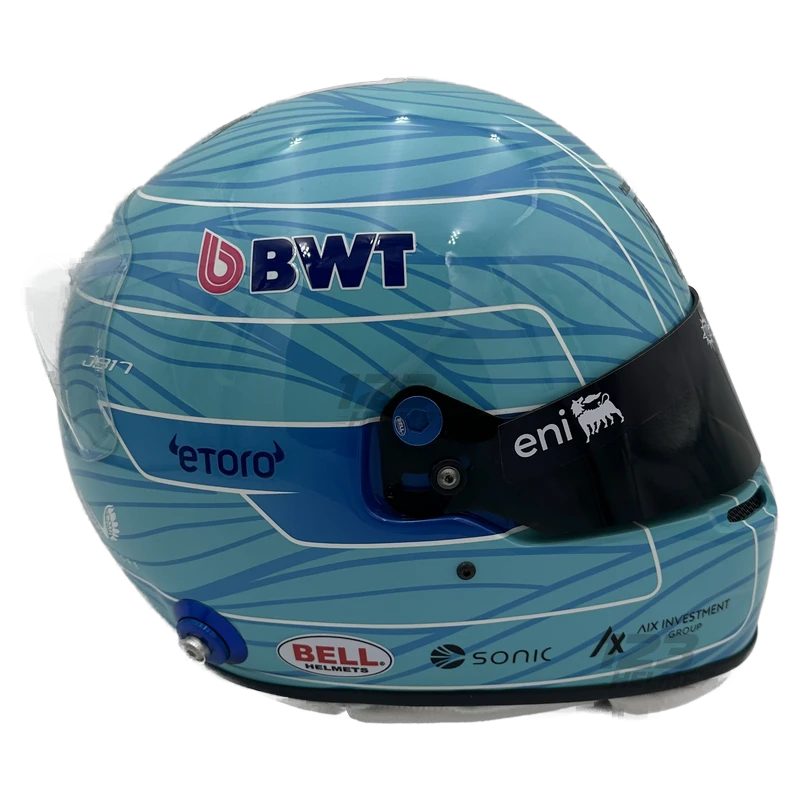
Pierre Gasly arrives at Suzuka’s legendary circuit wearing a helmet that transcends the race weekend itself — a meticulously crafted special edition design that fuses Japanese cultural heritage with Alpine’s bold motorsport identity. For collectors and display enthusiasts, this 2026 Japanese Grand Prix lid represents one of the most visually compelling replica pieces of the season.
Key Takeaways
Gasly’s 2026 Japanese GP helmet features a culturally rich design inspired by Japanese artistic traditions, making it a standout special edition in his career helmet catalogue.
The full-size 1:1 replica captures every livery detail at exhibition quality, from colour gradients to custom iconography specific to the Suzuka tribute concept.
Alpine’s team colour palette — deep blue, red accents and contrasting whites — is elegantly woven into the Japan-specific motifs, creating a visually layered collector display piece.
As one of the most iconic circuits on the F1 calendar, Suzuka gives this helmet its unique cultural weight, elevating its long-term display and collector value for F1 enthusiasts.
Suzuka and Gasly: A Helmet Born from Cultural Reverence
Pierre Gasly’s 2026 Japanese Grand Prix Special Edition Helmet
A Display Piece Rooted in Culture and Competition
When Pierre Gasly races at Suzuka, it carries a different emotional charge than most other rounds on the calendar. Japan holds a special place in the heart of the French driver — his years racing in Japanese Super Formula, his deep affinity with the culture, and his consistent ability to perform at one of the sport’s most technically demanding tracks all converge every time the paddock lands in Mie Prefecture.
For 2026, Gasly has commissioned a special edition helmet design specifically for the Japanese Grand Prix — a gesture that speaks volumes about his personal connection to the country and the race. Rather than simply slapping a flag graphic onto his standard livery, this helmet represents a genuine creative collaboration, drawing on specific visual languages that resonate with Japanese artistic culture while maintaining the unmistakable Alpine colour architecture that defines his 2026 season identity.
As a full-size 1:1 display replica, this piece captures all of that intent and craftsmanship in a format that collectors and F1 enthusiasts can bring directly into their homes, offices or dedicated display spaces. It is not merely a helmet — it is a cultural document, frozen at a specific moment in motorsport history.
Design Deep-Dive: Unpacking the Visual Language of the Suzuka Lid
Alpine Blue Meets Japanese Aesthetic Tradition
The foundational colour of Gasly’s 2026 Japanese GP helmet remains the deep, saturated blue that has become synonymous with the Alpine F1 project — a shade that carries institutional weight and is instantly recognisable in any paddock photography or race broadcast. But what elevates this special edition beyond a standard race helmet is the way that base is interrupted, layered and reinterpreted through a Japanese visual lens.
The helmet’s crown features wave-form graphic elements that nod directly to the tradition of Japanese woodblock art. While not a direct reproduction of any single historical work, the flowing, stylised curves echo the visual vocabulary of that tradition — a deliberate design choice that places the helmet in dialogue with centuries of Japanese artistic history. When displayed under directional lighting, these elements shift in tone as the angle changes, giving the piece an almost dynamic quality even in a static display context.
Red, White and the Rising Sun Palette
Complementing the blue foundation, the design incorporates rich red accents that serve a dual purpose: they maintain the Alpine team colour language while simultaneously evoking the red of Japan’s national flag and the broader aesthetic tradition of red-and-white in Japanese design. This is colour storytelling at its most considered — each hue is doing multiple jobs simultaneously.
The white portions of the helmet — primarily visible through the lower jaw section and specific graphic breaks across the visor zone — provide breathing room in what could otherwise be an overwhelming composition. They also serve as the canvas for the most intricate detail work on the piece: fine linework that on close inspection reveals layered geometric structures inspired by traditional Japanese textile patterns.
Typography and Personal Insignia
Gasly’s name appears in its standard race format but has been given a treatment specific to this helmet — a subtle integration of Japanese character aesthetics into the letterform spacing and weight. His racing number, 10, appears on the rear in a format that blends his personal identity with the thematic framework of the overall design. For display collectors, these typographic choices add another layer of visual interest when the piece is examined at close range.
The Suzuka Circuit: Why This Race Produces Special Helmets
Suzuka’s Place in the Emotional Geography of F1
Not every round on the Formula 1 calendar inspires drivers to create special edition helmet designs. The races that do tend to share certain characteristics: they are venues with deep emotional resonance, either personally for the driver or collectively for the sport; they attract enormous passionate followings; and they carry a weight of history that makes showing up with something special feel appropriate rather than performative.
Suzuka checks every single one of those boxes. It is a circuit that has produced some of the most consequential moments in Formula 1 history — championship-deciding collisions, legendary duels, heartbreaking mechanical failures and moments of pure transcendent driving skill. The figure-eight layout, the Esses, Spoon Curve, and the terrifyingly fast 130R corner all combine to make it one of the few tracks that drivers consistently cite as their favourite in the world.
Gasly’s Personal History with Japan
For Pierre Gasly specifically, Japan carries biographical weight. His stint racing in the Japanese Super Formula championship gave him an immersion in Japanese motorsport culture that few European drivers have experienced. He developed a fanbase in Japan, an appreciation for Japanese racing discipline and precision, and a personal relationship with the country that goes far beyond passport stamps.
This context matters enormously when evaluating the 2026 Japanese GP helmet as a display and collector piece. The design choices are not arbitrary aesthetic decisions made by a marketing team — they reflect a genuine personal narrative. That authenticity is the kind of provenance that serious collectors recognise and value.
Exhibition Quality: What Makes This Replica Stand Apart
Full-Size 1:1 Scale Precision
The 123Helmets full-size 1:1 replica of Gasly’s 2026 Japanese GP special edition helmet is produced at exactly the same external dimensions as the race-day original. This is not a scaled-down display model or a miniature collectible — it is a full-size replica built to deliver the same visual presence and spatial impact as the genuine article. When placed on a dedicated display stand, it commands the room in precisely the way you would expect a race-worn helmet to do.
Every millimetre of the external shell geometry has been faithfully reproduced, including the visor aperture dimensions, the vent channel positions, and the overall crown profile that gives Gasly’s helmet its distinctive silhouette. For enthusiasts who appreciate technical accuracy alongside visual fidelity, this level of dimensional precision is non-negotiable.
Livery Reproduction at Exhibition Standard
The livery application process on this replica has been executed to exhibition quality standards. The colour matching process references the specific Pantone and custom mix specifications of the original design, ensuring that the deep Alpine blue reads correctly under a wide range of lighting conditions — from natural daylight to the warm incandescent tones of a dedicated display cabinet.
The wave-form graphic elements on the crown and the detailed linework across the jaw and chin sections have been reproduced using high-resolution print processes that capture even the finest detail gradients. Under a loupe or macro lens, the quality of reproduction is immediately apparent — this is not a blurred approximation but a precise facsimile of the original artwork.
Display Versatility
As a collector display piece, this helmet works across a wide range of presentation contexts. Mounted on a clear acrylic stand on a home office desk, it reads as a sophisticated lifestyle object with an unmistakable racing heritage. Displayed on a dedicated helmet plinth in a motorsport collection, it holds its own alongside any other piece in a serious collection. Presented under a glass dome in a commercial or hospitality environment, it functions as a conversation-starting focal point that communicates passion and expertise simultaneously.
The full-size dimensions ensure that it never looks diminished in any of these contexts — it always presents with the authority and visual weight that its subject matter deserves.
Collector Context: Where This Helmet Sits in Gasly’s Career Narrative
A Career Marked by Distinctive Helmet Choices
Pierre Gasly has always been a driver with a strong visual identity. His helmet choices throughout his career have reflected a consistent aesthetic intelligence — he is not a driver who simply adopts a team-issued generic design and races with it year after year. His helmets tell a story, and the 2026 Japanese GP special edition is one of the most articulate chapters in that ongoing visual biography.
From his Red Bull years through his emotional AlphaTauri period — which included his extraordinary 2020 Italian Grand Prix victory at Monza — to his move to Alpine, Gasly’s helmet designs have tracked his personal and professional evolution. The Japan-specific pieces have always held particular significance, given his personal connection to the country, and the 2026 edition continues and elevates that tradition.
The Long-Term Value of Special Edition Race Helmets
Within the broader collector category of motorsport memorabilia, special edition circuit-specific helmets occupy a particularly valued position. They are produced for a single event, they carry cultural and contextual specificity that standard season helmets do not possess, and they represent a driver at a particular moment of creative and competitive engagement rather than simply a generic representation of their racing identity.
The 2026 Japanese GP edition, with its culturally layered design and its connection to Gasly’s personal narrative with Japan, exemplifies the qualities that make special edition helmets compelling long-term display investments. It is a piece that rewards sustained attention — the more time you spend with it, the more design decisions you notice, and the richer the story it tells becomes.
A Perfect Tribute to a Landmark Circuit
Suzuka is the kind of circuit that deserves to be commemorated. For any serious F1 display collector, having a helmet specifically designed to honour one of motorsport’s greatest venues — and designed by a driver with a genuine personal relationship with Japan — represents a uniquely compelling opportunity. The 2026 Gasly Japanese GP replica brings all of those threads together in a single, exhibition-quality display piece that speaks to both the technical brilliance of Formula 1 and the cultural richness of its global footprint.
How to Display Your Gasly 2026 Japanese GP Replica
Choosing the Right Display Environment
A helmet of this visual complexity and cultural richness deserves a display environment that does justice to its design. The layered blues and the intricate graphic work respond particularly well to neutral or dark background tones — a deep charcoal wall or a matte black display cabinet will allow the Alpine blue and red accents to read with maximum clarity and impact.
Directional LED lighting — particularly cool-white or daylight-balanced sources — will bring out the full spectrum of the wave-form graphic elements on the crown and activate the metallic or pearlescent finish layers that give special edition helmets their characteristic depth. Avoid warm incandescent sources as a primary light, as they can push the deep blue into more greenish or greenish-grey territory.
Stand and Mounting Recommendations
For the Gasly Japanese GP replica, a single-post clear acrylic chin stand is the cleanest presentation option, lifting the helmet to eye level and allowing 360-degree viewing without visual interruption. If you prefer a more integrated display approach, a rotating motorised stand allows guests and visitors to appreciate the design from all angles without physically handling the piece — ideal for a hospitality or commercial display context.
Pairing the helmet with relevant framed race photography or circuit maps from Suzuka can create a thematic display grouping that contextualises the piece and amplifies its narrative impact. This kind of curated presentation is the difference between a collection and a truly considered display.
Disclaimer: This is a display and collector replica only. Not certified for any protective use. Full-size 1:1 scale reproduction for exhibition and collection purposes.
“Japan is a place that genuinely means something to me — the culture, the fans, the racing history. When I put a special helmet on for Suzuka, it’s because I want to show that connection, not just wear a flag.”
— Pierre Gasly — on his personal relationship with Japan and the Japanese Grand Prix
“The best special edition helmets are the ones where the cultural reference isn’t decorative — it’s structural. The design should feel like it could only have been made for that place, by that driver, at that moment.”
— 123Helmets.com Editorial — on the collector value of circuit-specific special edition helmets
FAQ
Q: Is the Pierre Gasly 2026 Japanese GP helmet replica a full-size 1:1 reproduction?
Yes. The 123Helmets replica is produced at full 1:1 scale, matching the exact external dimensions of the original race helmet. It is designed exclusively as a display and collector piece, not for any protective or functional use.
Q: What makes this helmet a special edition compared to Gasly’s standard 2026 season helmet?
The 2026 Japanese GP edition features a bespoke livery design created specifically for the Suzuka race weekend. It incorporates Japanese cultural visual elements — including wave-form motifs inspired by traditional Japanese woodblock art — that do not appear on Gasly’s standard 2026 Alpine race helmet.
Q: Is this replica certified for road, track or race use?
No. This is strictly a display and collector replica. It carries no safety certifications and is not intended or suitable for use as protective headgear in any context. It is produced and sold exclusively as an exhibition-quality display piece.
Q: How should I care for and maintain the helmet replica to preserve its display quality?
Keep the replica out of direct prolonged sunlight to prevent UV-related colour fade. Dust with a soft, dry microfibre cloth. Avoid chemical cleaning agents on the livery surface. Store or display in a stable temperature and humidity environment. A display dome or enclosed cabinet will significantly extend the longevity of the finish.
Q: Why do circuit-specific special edition helmets tend to hold stronger collector interest than standard season helmets?
Special edition circuit-specific helmets are produced for a single event, giving them a documentary specificity that standard season helmets lack. They capture a driver at a particular moment of creative engagement, carry cultural context related to the host country, and are typically produced in far smaller replica quantities. In the collector market, this combination of specificity and scarcity consistently drives higher long-term interest.
Shop Pierre Gasly Collection
Display and collector replicas only. Not certified for protective use. Full-size 1:1 scale.
Related Posts
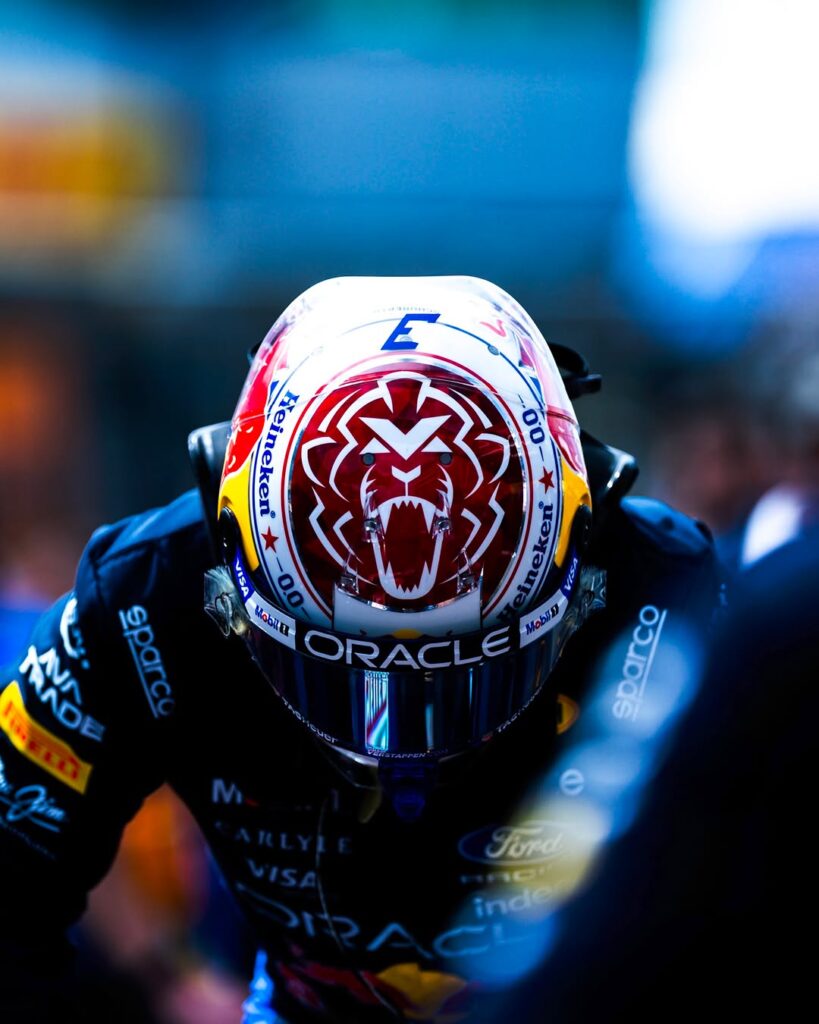
Red Bull’s World Lion Day Helmet Tribute in 2026
Red Bull Racing’s World Lion Day post puts its helmet livery and sponsor branding in the spotlight, giving collectors a fresh look at the details that define the 2026 design.
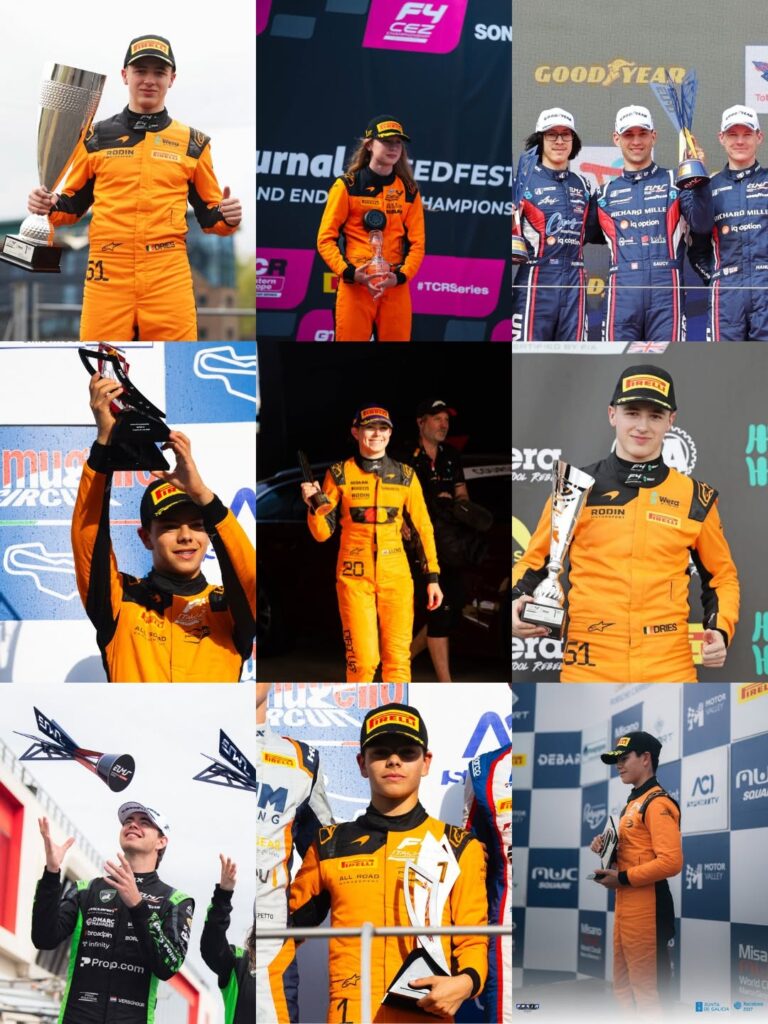
McLaren’s 2026 Podium Helmets: Livery Breakdown
A closer look at the papaya-and-black helmet designs Lando Norris and Oscar Piastri wore across McLaren’s 2026 podium run, and what makes them collector-worthy.
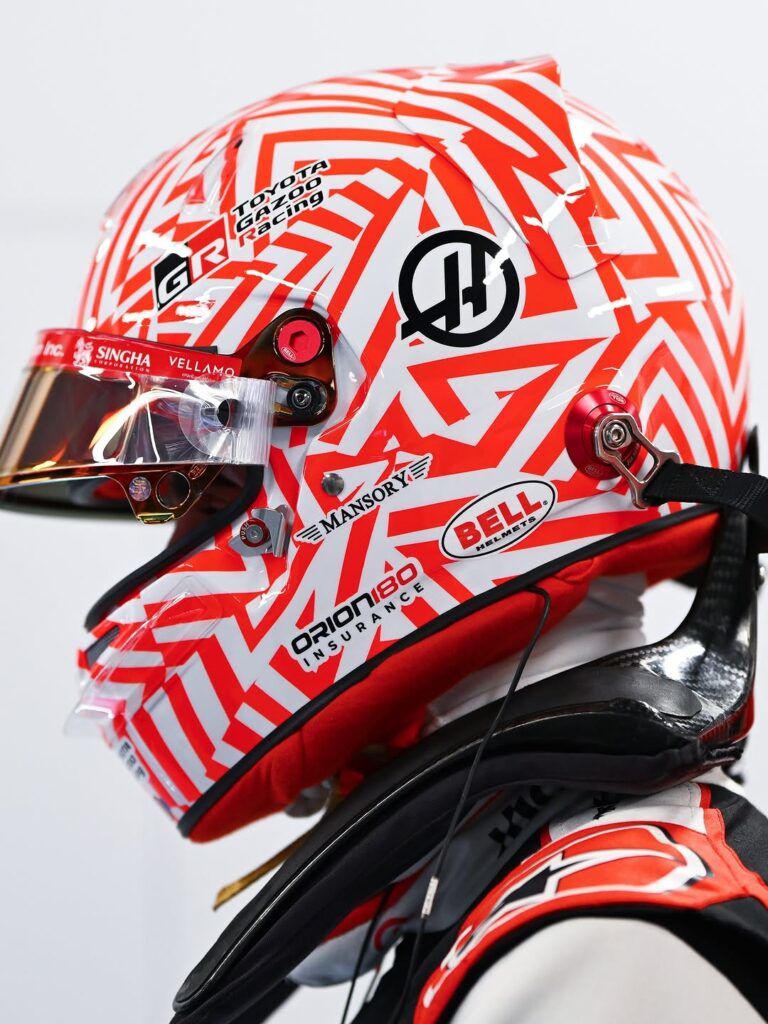
Haas 2026 Helmet Haul: Every Lid of the Season So Far
Haas shares a six-photo gallery of its 2026 season helmets so far, with Esteban Ocon and Oliver Bearman’s designs showing sponsor growth and shell continuity.

Ocon’s Spider-Man F1 Helmet Shines at London Premiere
Esteban Ocon brought his Spider-Man tribute helmet to the London premiere of Brand New Day, revealing only three were made and one goes to Tom Holland.

Racing Bulls’ Summer Break Meme Puts Its Helmet Center Stage
Racing Bulls’ 2026-07-30 summer break post pairs humor with a helmet glimpse — here’s what the image reveals about the team’s livery and collector appeal.
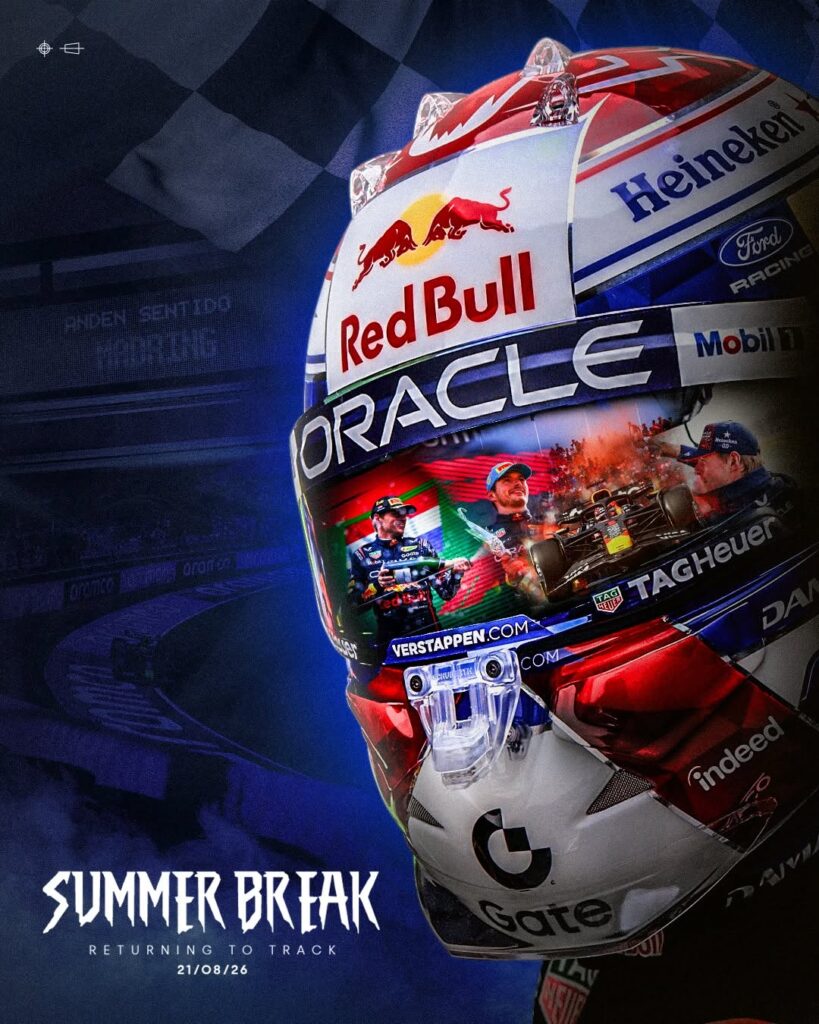
Red Bull Teases Verstappen’s Return-to-Track Helmet for 2026
Red Bull’s July 2026 teaser points to a new helmet look for Max Verstappen’s return to track on 21/08/26 after the summer break.
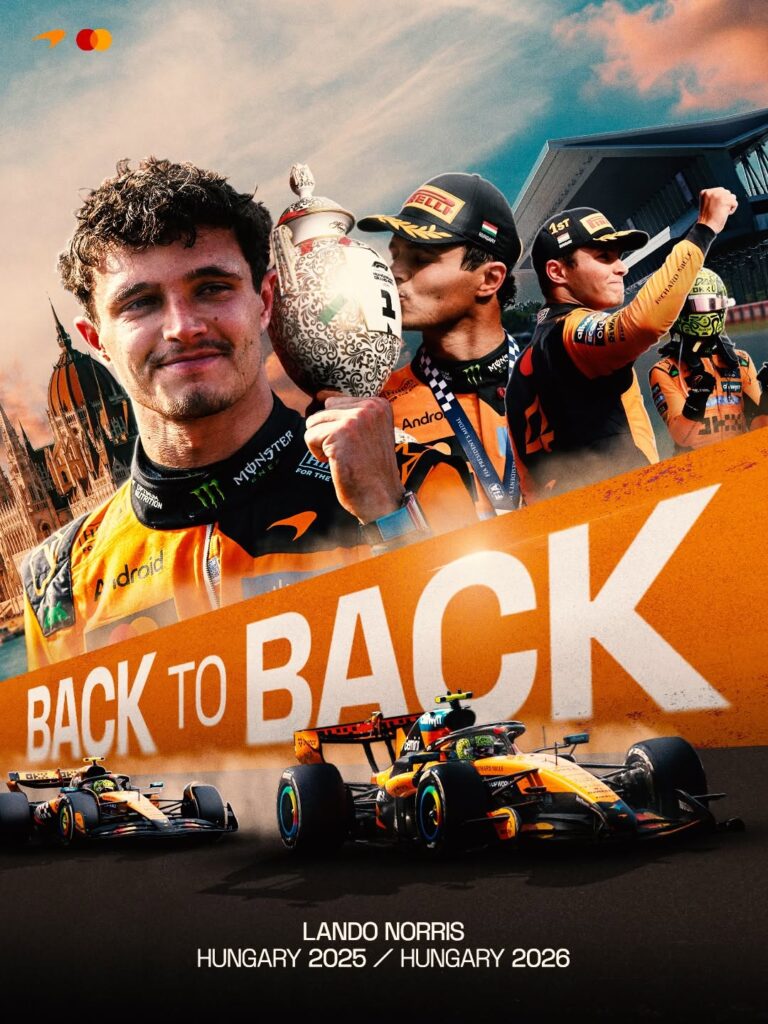
Norris Back-to-Back Budapest Wins: 2026 Helmet
McLaren marks Lando Norris’s back-to-back Hungarian GP wins (2025-2026) with a commemorative design. Here’s the livery breakdown and collector significance.
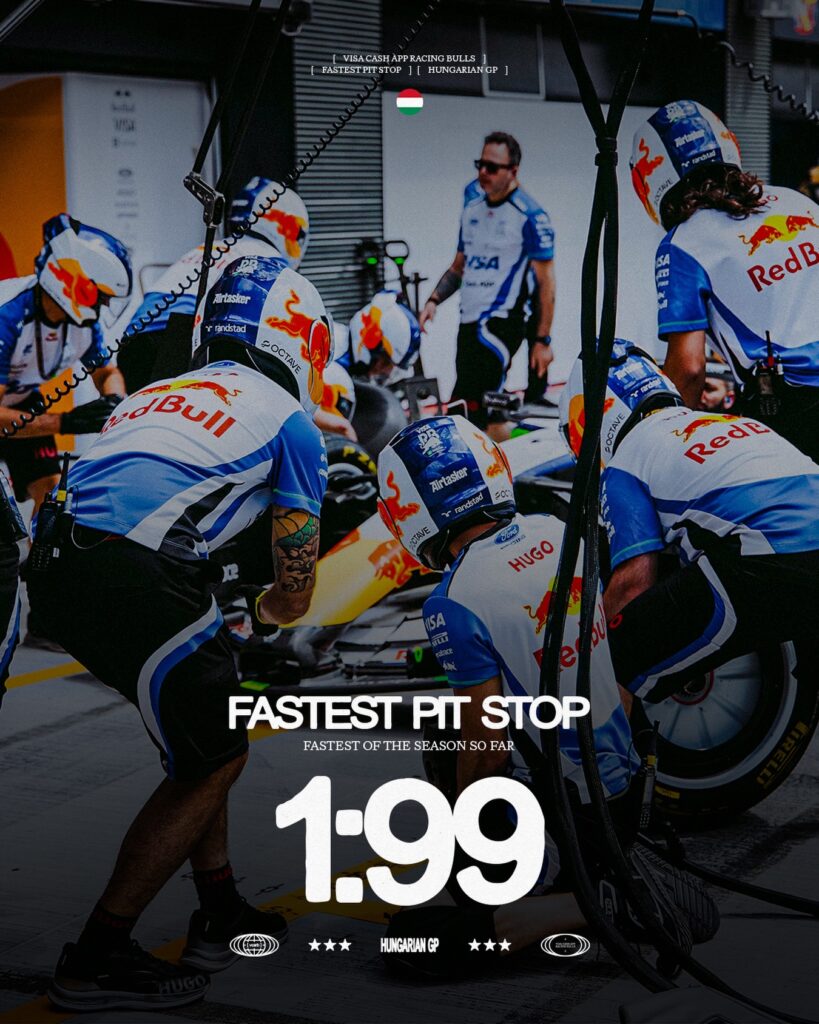
Racing Bulls Hungarian GP 2026 Pit Stop Glory
Racing Bulls delivered the 1st and 3rd fastest pit stops of 2026 at the Hungarian GP — here’s the livery, helmet detail, and collector angle behind that headline.
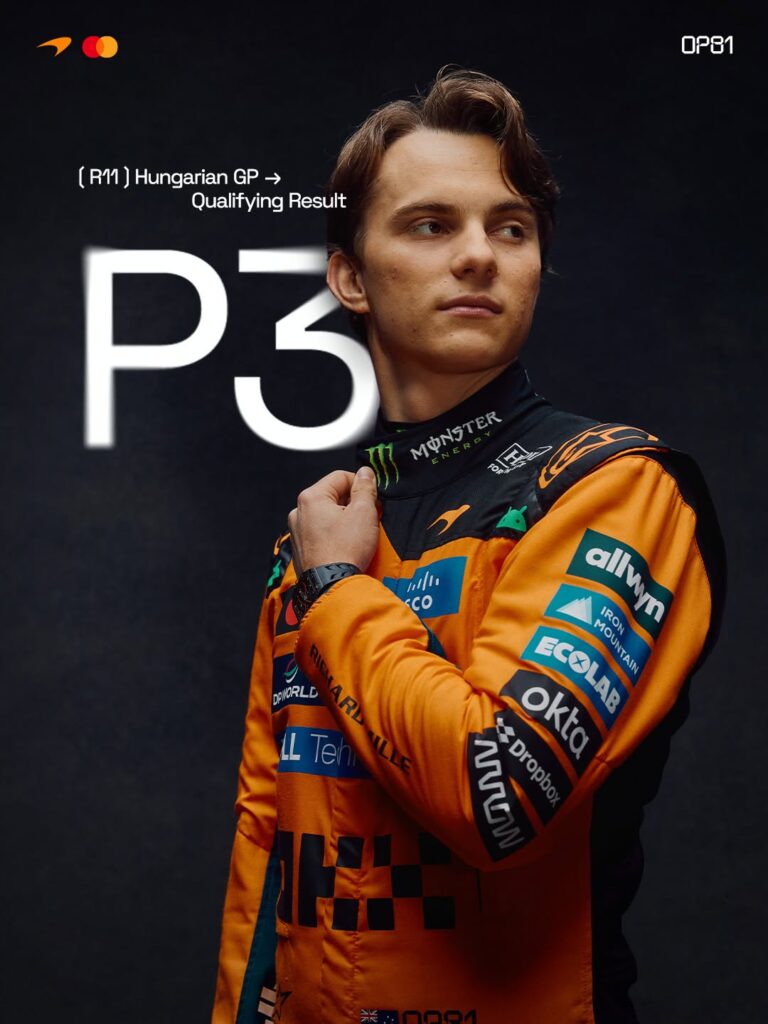
Piastri P3 Promotion: Hungarian GP 2026 Helmet Breakdown
Oscar Piastri’s OP81 helmet takes center stage after his P3 qualifying promotion at the 2026 Hungarian GP. Full livery breakdown for collectors.
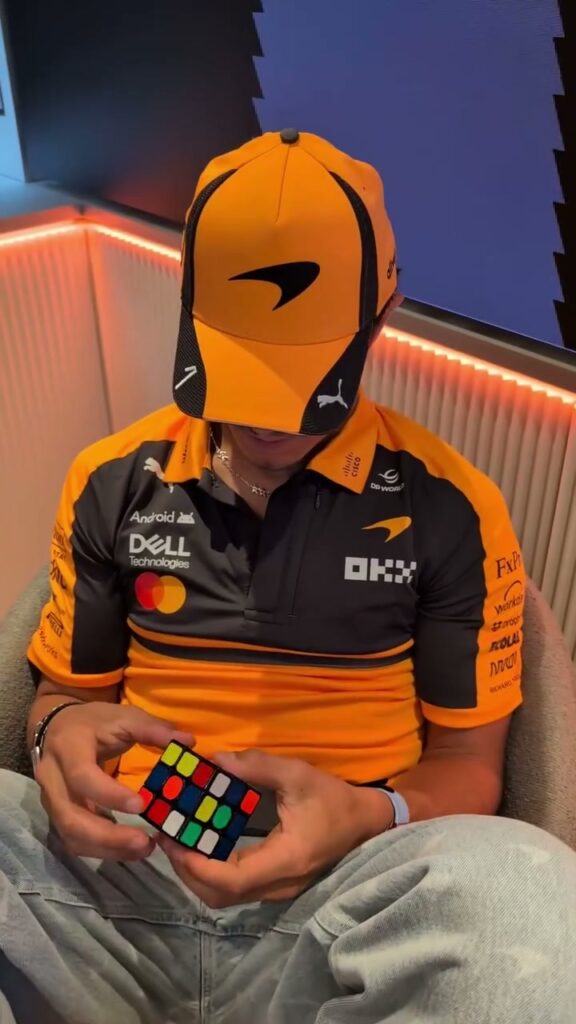
McLaren’s ‘Puzzle Masterminds’ Helmet Teaser: 2026 Breakdown
McLaren’s July 24, 2026 ‘Puzzle Masterminds’ teaser hints at new helmet artwork. Here’s the visual breakdown and what it means for collector replicas.
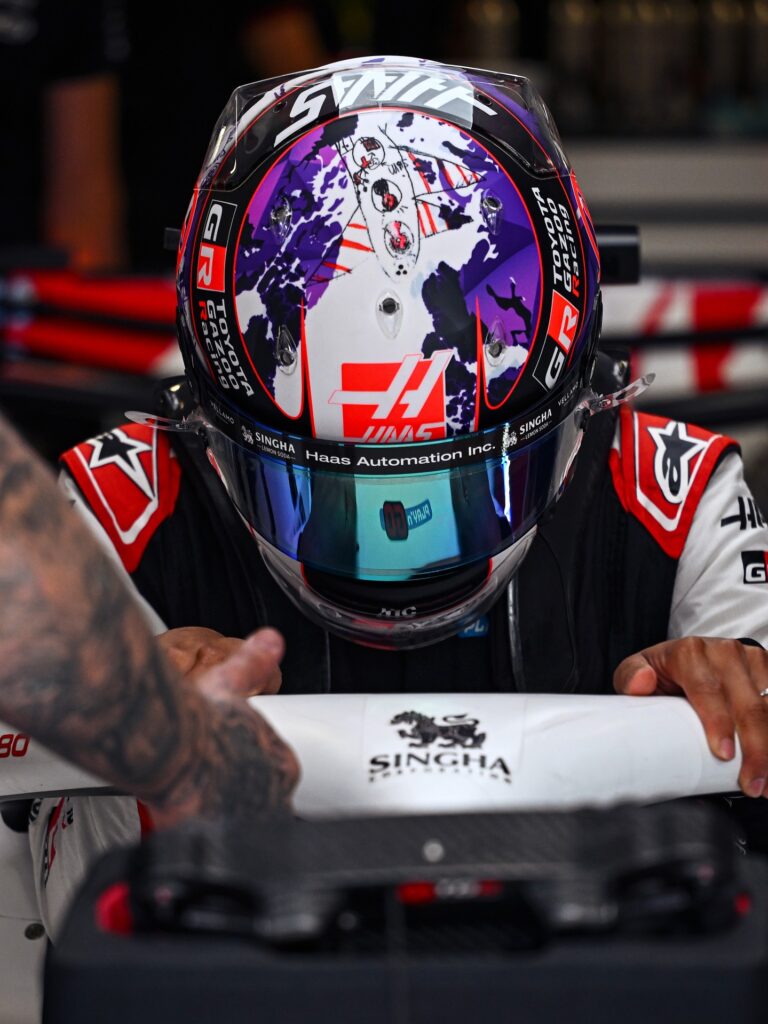
Ryo Hirakawa’s Daughter-Art Helmet Debuts in Hungary FP1
Ryo Hirakawa’s FP1 helmet at the 2026 Hungarian GP features his daughter’s hand-drawn artwork alongside GAZOO Racing branding, a personal touch collectors will want on display.
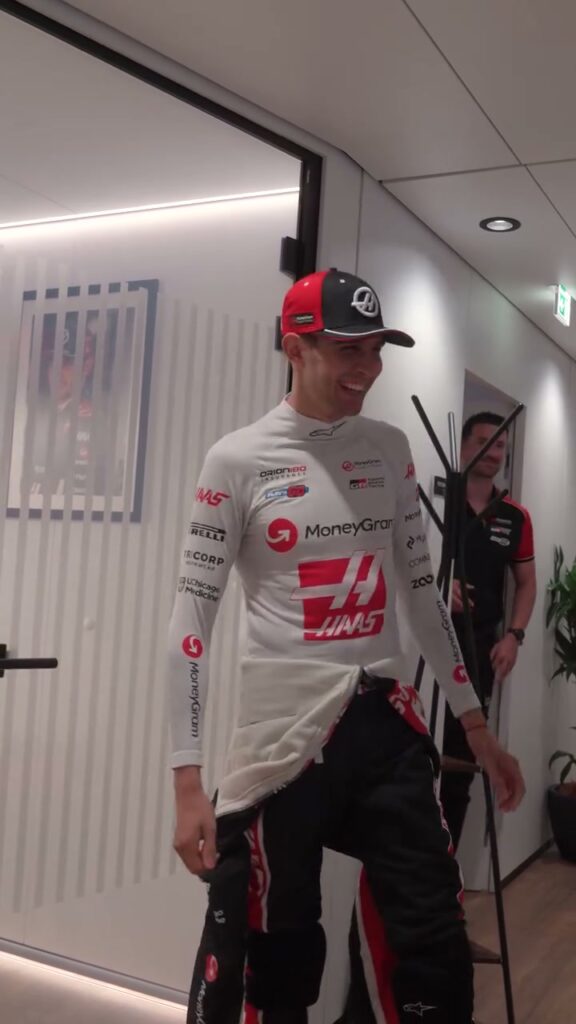
Ocon’s Falcon Moment: Haas Helmet Culture in 2026
Haas revisits Ocon’s 2025 Falcon meet-up in a 2026 throwback post, spotlighting the collector appeal of full-size 1:1 Haas helmet replicas.