Blog
Racing Bulls SQ3 Helmet Reveal: Silverstone 2026 Design
 123Helmets Editorial Team
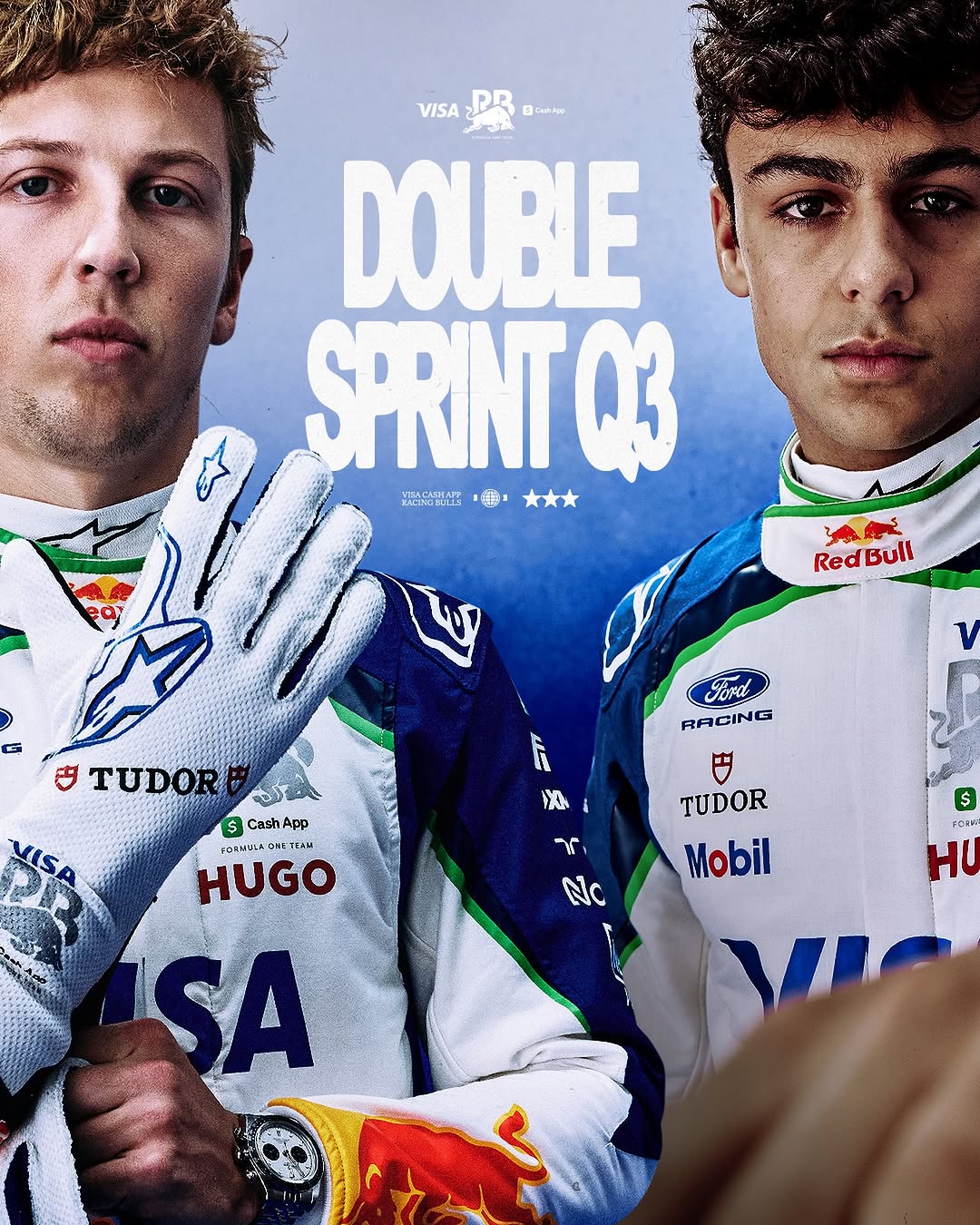
Racing Bulls used a single pun — ‘the S in Silverstone stands for SQ3’ — to unveil a British Grand Prix helmet design built around one goal: getting into Saturday’s top-ten shootout on home soil for the sport.
Key Takeaways
Racing Bulls unveiled a Silverstone-specific helmet design on 2026-07-03, tied to the team’s ‘SQ3’ wordplay ahead of British GP qualifying.
The design keeps the team’s core navy-and-white identity while adding Union Jack-inspired accents specific to the Silverstone round.
Silverstone’s Grand Prix circuit runs 5.891 km per lap, and the British GP is traditionally raced over 52 laps, giving the livery a high-speed backdrop.
As a full-size 1:1 display piece, a replica of this shell typically measures around 29 × 25 × 35 cm and weighs close to 1.2–1.5 kg, matching genuine helmet proportions.
A Pun With Purpose: Decoding the SQ3 Wordplay
The caption ‘the S in Silverstone stands for SQ3′ is Racing Bulls’ shorthand for a helmet built around one target: qualifying inside the top ten at the team’s home round on 2026-07-03. Silverstone sits in Northamptonshire, England, and has hosted the British Grand Prix since the sport’s inaugural world championship season, making it one of the calendar’s most historically loaded venues for a team based in Faenza and racing under a Milton Keynes-linked banner.
Wordplay liveries have become a recurring trick across the grid whenever a Grand Prix carries symbolic weight — a home race, a milestone event, or a circuit with a nickname worth borrowing. By hanging the design concept on ‘SQ3’ rather than a generic Union Jack theme, Racing Bulls signals that this helmet is a performance statement first and a nationality tribute second. For collectors, that distinction matters: helmets built around a specific session or target tend to carry more narrative weight than pure celebration designs, because they tie the physical object to a documented on-track goal rather than just a date on the calendar.
The reveal itself dropped as a single image posted by the team on 2026-07-03, timed to land in the build-up to the British Grand Prix weekend rather than after any session had run — consistent with how Racing Bulls has handled special-livery reveals in past seasons, publishing the artwork before Friday practice to maximize visibility across the sport’s global fanbase.
Livery Breakdown: Silverstone-Specific Design Cues
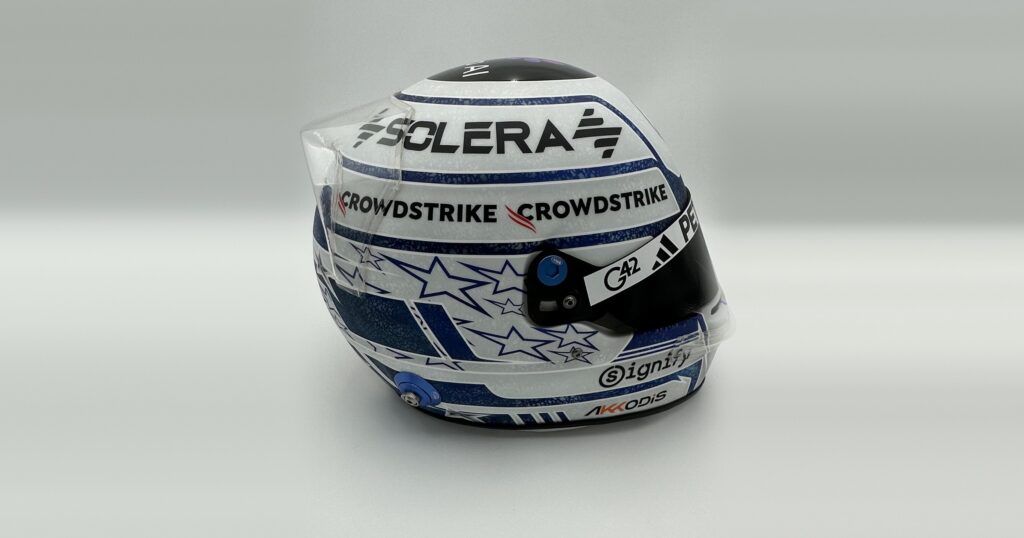
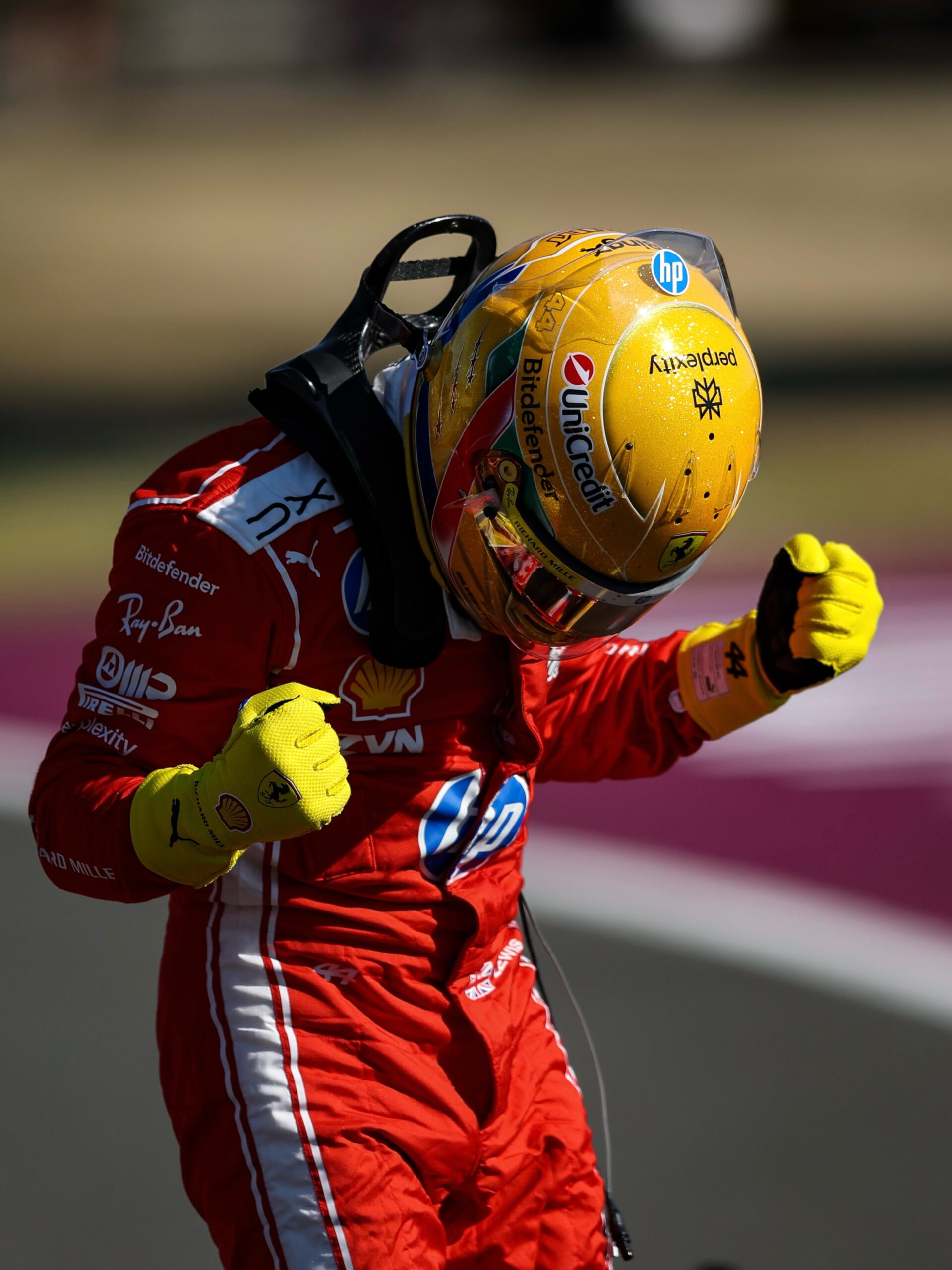
The Silverstone helmet retains Racing Bulls’ established navy, white, and red identity while introducing accents specific to the British round. The base shell keeps the team’s dark navy as its dominant tone, a carryover from the squad’s 2026 livery language, with sharper geometric striping cut across the crown to visually echo the flowing corners of the Silverstone Circuit — Copse, Maggotts, Becketts, and Chapel — long regarded as one of the most demanding high-speed sequences left on the calendar.
Where the design breaks from the season-standard helmet is in its detailing around the lower shell and chin bar, where finer linework nods toward British motorsport heritage without leaning on an overt flag graphic. This restraint is typical of Racing Bulls’ recent visual direction: rather than wrapping a helmet in a full Union Jack, the team tends to isolate one or two heritage elements and integrate them into the existing sponsor-and-team framework, keeping brand partner logos legible while still making the special-edition status obvious at a glance.
For a team competing in the /product-category/team/racing-bulls/ colors throughout 2026, this kind of single-round variation gives collectors a genuine point of differentiation from the standard-issue helmet worn at every other Grand Prix — a detail that consistently drives demand for exhibition-grade replicas tied to specific circuits rather than generic season-long designs.
Visor, Vents and Finish: Technical Presentation
The finish combines a gloss-and-matte contrast typical of current-generation F1 helmet shells, using layered paintwork to separate the navy base from the sharper white striping introduced for Silverstone. Full-size 1:1 display replicas of this style of shell are generally built to the same external dimensions as the originals worn in the cockpit, with a typical finished helmet measuring approximately 29 × 25 × 35 cm and weighing close to 1.2–1.5 kg once mounted on a display stand — figures consistent with genuine top-tier open-face racing helmet proportions before any internal padding is fitted.
Modern F1 helmet shells are built up from multiple layers of paint and clear coat to achieve the depth seen in reveal photography, often 8 to 12 layers depending on how intricate the graphic work is around vents and the visor aperture. The visor aperture itself follows the same central cut-out shape used across the current generation of FIA-regulated helmet designs, with tinted or clear visor inserts typically finished at 2 to 3 mm thickness on display-grade replicas, thin enough to preserve the sharp shell lines while still reading clearly in photographs and under studio lighting for reveal posts like this one.
Because the Silverstone design modifies striping and accent color rather than the underlying shell geometry, the vent placement — top intake, chin bar intake, and rear exhaust vents — remains identical to the team’s season-standard helmet, keeping the special edition instantly recognizable as a Racing Bulls product even from a distance on the grid.
Collector Significance: Why This Design Matters
Single-round special liveries carry more long-term collector interest than standard season helmets because they are tied to one specific date, one specific circuit, and one specific narrative — in this case, 2026-07-03 and the push for Q3 at Silverstone. Once a British Grand Prix weekend concludes, that particular graphic combination typically does not reappear in the same form, which is why fans and collectors tend to prioritize photographing and archiving these reveals the moment they are published.
The ‘SQ3’ framing adds a second layer of significance beyond the visual design. It documents a stated team objective ahead of a session that had not yet been run at the time of the reveal, giving the helmet a clear before-and-after context once qualifying results are confirmed. That kind of documented intent — visible in the original caption and reveal image — is exactly the sort of detail that separates a well-referenced display piece from a generic Silverstone-themed collectible with no tie to an actual competitive target.
Racing Bulls has built a reputation over recent seasons for using helmet design as a storytelling tool rather than pure decoration, and the Silverstone reveal fits that pattern: a navy-and-white base, restrained heritage detailing, and a caption built entirely around a qualifying goal rather than a broad nationality tribute.
British GP Weekend: What to Watch For at Silverstone
The British Grand Prix weekend is scheduled around 2026-07-03 to 2026-07-05 at Silverstone Circuit, a 5.891 km layout that has hosted the race since the world championship’s earliest seasons and is traditionally run over 52 laps. As of this reveal, no practice, qualifying, or race sessions had been completed, so the helmet’s ‘SQ3’ framing remains a stated ambition rather than a confirmed outcome.
Silverstone’s characteristic high-speed corner sequence through Maggotts, Becketts, and Chapel places a premium on aerodynamic confidence and driver commitment, making Q3 entry a genuinely difficult target rather than a formality for any team fighting in the midfield. That competitive context is exactly why Racing Bulls chose to frame this helmet around a specific session rather than the race result itself — Q3 qualification is the measurable, session-specific goal that the design references.
Fans following the weekend can expect further imagery across official channels as sessions unfold, with the helmet design itself remaining a fixed reference point regardless of how Saturday’s qualifying plays out.
“The ‘S’ in Silverstone stands for SQ3 😏”
— Visa Cash App Racing Bulls F1 Team, official reveal caption, 2026-07-03
FAQ
Q: What does the ‘SQ3’ pun on the Racing Bulls Silverstone helmet mean?
It is wordplay linking Silverstone to Q3, the top-ten qualifying shootout, framing the helmet’s design concept around the team’s goal of reaching Q3 at the 2026 British Grand Prix rather than a generic heritage theme.
Q: When was the Racing Bulls Silverstone helmet revealed?
The design was posted by the team on 2026-07-03, ahead of the British Grand Prix weekend running from 2026-07-03 to 2026-07-05 at Silverstone Circuit.
Q: Does the Silverstone helmet change the standard Racing Bulls shell shape?
No, the underlying shell geometry and vent placement stay the same as the team’s season-standard helmet; the Silverstone version modifies striping and accent detailing rather than the shell’s structural design.
Q: How big is a full-size 1:1 display replica of an F1 helmet like this?
A typical full-size 1:1 collector replica measures approximately 29 × 25 × 35 cm and weighs around 1.2–1.5 kg, matching the external proportions of a genuine top-tier open-face racing helmet used for display purposes.
Q: Is this Racing Bulls helmet a race-used item?
This article covers a display and collector replica of the reveal design; it is not certified for protective use and is intended purely as a full-size 1:1 exhibition piece for collectors.
Browse F1 Helmet Collection
Display and collector replicas only. Not certified for protective use. Full-size 1:1 scale.
This article was written with the help of AI tools. Editorial policy