
Blog
Alonso’s Q2 Run Signals Aston Martin Progress in 2026
 123Helmets Editorial Team
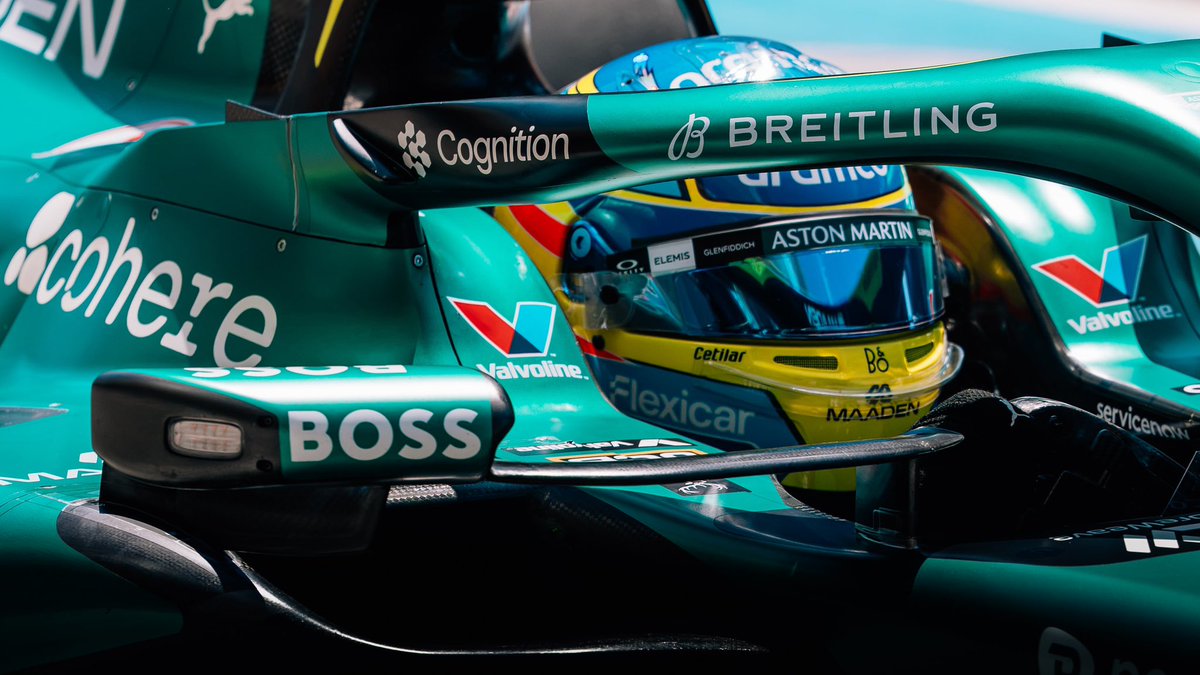
Fernando Alonso’s advance into Q2 gave Aston Martin a rare moment of reassurance this weekend, with the two-time world champion telling reporters that correlation between simulation and track data mattered more than the raw result itself after the team brought what he described as ‘nearly a new car’ for the 2026 season.
Key Takeaways
Fernando Alonso reached Q2 in qualifying, a step the team treated as validation rather than celebration given Aston Martin’s 2026 car overhaul.
Alonso stressed correlation between simulation data and on-track performance was the real story, not just the grid position itself.
The team admits it is ‘still not on top of the package,’ with balance issues re-emerging session to session.
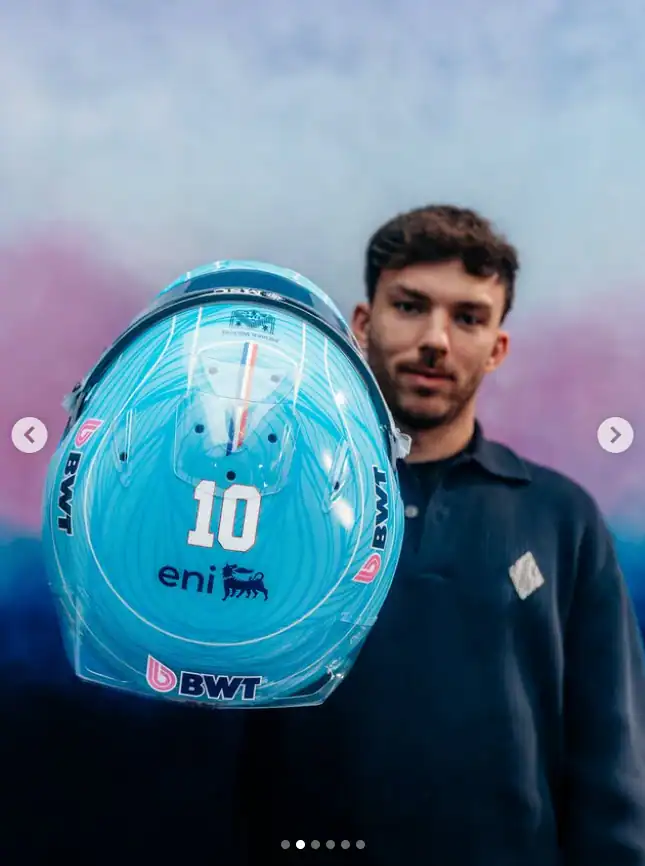
Collectors following Aston Martin’s 2026 rebuild can mark the moment with a full-size 1:1 display helmet honoring the team’s green livery era.
Why Q2 Mattered More Than It Looked
A place in Q2 was treated internally at Aston Martin as a positive marker rather than a headline result. As journalist Adam Cooper relayed from the paddock, Alonso explained the significance himself:
“I think when you bring nearly a new car, you always believe that it is important to have the correlation right, and you deliver what you expect to deliver. Even if it’s what we expected, I think it was important to have it, and not have a nasty surprise.”
That framing matters. For a team executing a substantial car overhaul under the 2026 regulation cycle, the first tangible measure of success is not necessarily a strong grid slot — it is whether the simulator numbers and the wind tunnel projections translate into the same lap time and the same car behavior once the tires are on Tarmac. Reaching Q2 gave Aston Martin exactly that confirmation, without the alarm of a car that behaves nothing like its models predicted.
A Team Still Searching for the Full Package
Aston Martin is not yet extracting the full potential of its 2026 car, and Alonso was direct about it. He noted that “we’re still not on top of the package,” adding that qualifying kept revealing new information about balance that the team had not fully anticipated. That is a familiar pattern for outfits introducing a heavily revised chassis under a new technical rulebook: each session — practice, Q1, Q2 — surfaces a slightly different characteristic of the car, forcing engineers to keep adjusting setup on the fly rather than simply confirming a known window. Alonso’s own comment that “if we had another session, I think we will change” underlines how fluid the car’s balance still is from one qualifying segment to the next, even within a single race weekend.
Reading Between the Lines of ‘Nearly a New Car’
Alonso’s phrase ‘nearly a new car’ is a precise description of what a major regulation year does to a mid-grid team. Rather than an evolution of last season’s chassis, the 2026 rules cycle has pushed teams including Aston Martin toward a substantially reworked package, meaning historical setup data and prior-season correlation tools carry less weight than usual. That raises the stakes of every qualifying session early in the year: engineers are effectively re-learning the car’s aerodynamic and mechanical behavior in real time, race weekend by race weekend, rather than fine-tuning a platform they already understand. Alonso’s insistence that Q2 was about confirming expectations — not exceeding them — reflects a team still in the validation phase of that process.
Alonso’s Experience Shapes the Messaging
Fernando Alonso, a two-time world champion, brings a long-view perspective to weekends like this one, which is why his post-qualifying comments focused on process rather than position. Drivers with fewer seasons at the sport’s top level might treat a Q2 appearance as either a triumph or a disappointment depending on where rivals finished; Alonso instead framed it purely in terms of whether the car did what the simulation predicted it would do. That instinct — prioritizing correlation over the raw number on the timing screen — is typical of a driver who has driven through multiple regulation resets across a career spanning more than two decades in Formula 1, and who understands that early-season qualifying results under new rules are a diagnostic tool as much as a competitive marker.
Collecting the 2026 Aston Martin Story
For collectors, moments like Alonso’s Q2 run mark a meaningful point in Aston Martin’s 2026 rebuild narrative, one worth preserving through full-size display pieces. A 1:1 scale replica helmet finished in the team’s green livery captures this transitional period of the sport — a season defined by wholesale car changes, re-learned balance windows, and incremental gains rather than instant results. Exhibition-quality helmets built to true scale replicate the shell shape, visor geometry, and paintwork detail of the originals, making them a fitting way to mark a season where the story is as much about engineering correlation as it is about lap times. As Aston Martin continues chasing consistency through the middle of 2026, a display helmet from this era becomes a tangible marker of the team’s rebuilding process.
“I think when you bring nearly a new car, you always believe that it is important to have the correlation right, and you deliver what you expect to deliver. Even if it’s what we expected, I think it was important to have it, and not have a nasty surprise. We’re still not on top of the package. Now in qualifying, we again re-learn something on the balance of the car. So if we had another session, I think we will change.”
— Fernando Alonso, via Adam Cooper (@adamcooperF1)
FAQ
Q: Why did Aston Martin see Q2 as a positive result in 2026?
Because it confirmed correlation between the team’s simulation tools and the actual on-track performance of a heavily revised 2026 car, rather than exposing a gap between expected and real behavior. Alonso stressed this was more important than the grid position itself at this stage of the rebuild.
Q: What did Alonso mean by ‘nearly a new car’?
He was describing how substantially Aston Martin’s 2026 challenger differs from its predecessor under the new technical regulations, to the point that it behaves like an almost entirely new platform rather than an incremental update.
Q: Is Aston Martin fully competitive with its 2026 package?
Not yet, according to Alonso, who said the team is ‘still not on top of the package’ and continues to uncover new balance characteristics of the car in each qualifying segment.
Q: Does a Q2 appearance guarantee a strong race result?
No, Q2 only reflects qualifying pace and is not a race outcome; Alonso himself framed it as a diagnostic marker of correlation rather than a predictor of the Grand Prix result.
Q: Are 123Helmets replicas exact match to Alonso’s race helmet?
123Helmets offers full-size 1:1 scale display and collector replicas built to exhibition quality, designed for showcasing rather than on-track use, and not certified for protective purposes.
Browse F1 Helmet Collection
Display and collector replicas only. Not certified for protective use. Full-size 1:1 scale.