Blog
Piastri Reacts to Sainz Lapped-Car Incident in 2026 GP
 123Helmets Editorial Team
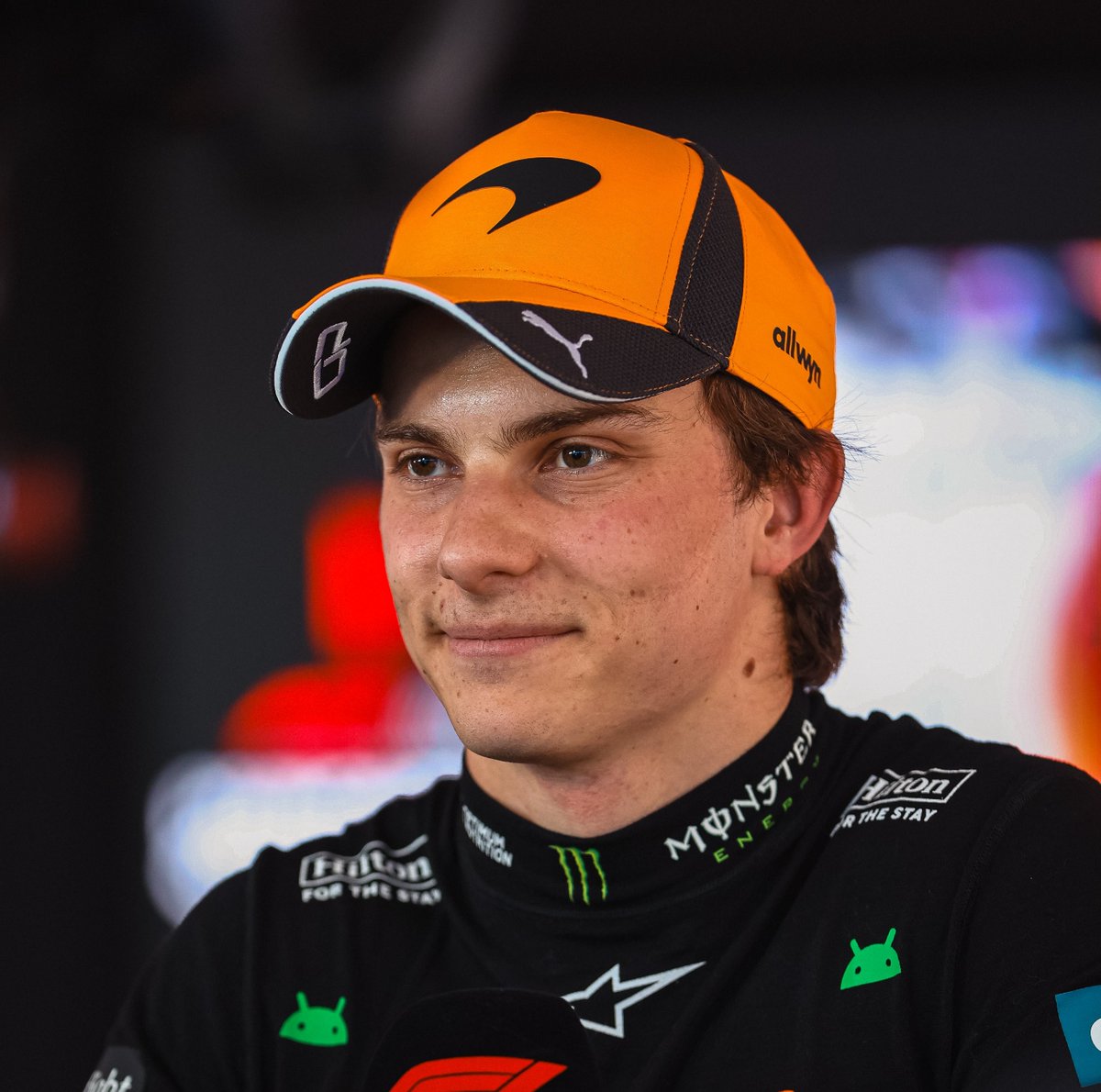
Oscar Piastri did not hide his frustration after being hit by a lapped Carlos Sainz during a 2026 Grand Prix weekend, telling reporters he ‘couldn’t believe’ what happened as the McLaren driver was collected from behind while running his own race.
Key Takeaways
Oscar Piastri says he was running directly behind Carlos Sainz for a full sector before contact occurred, calling the incident ‘unacceptable’ regardless of intent.
Piastri confirmed Sainz was fighting Fernando Alonso for last place on track when the pair made contact with Piastri’s car.
The comments were relayed by veteran F1 journalist Adam Cooper, giving fans a direct, unfiltered account of Piastri’s post-session reaction.
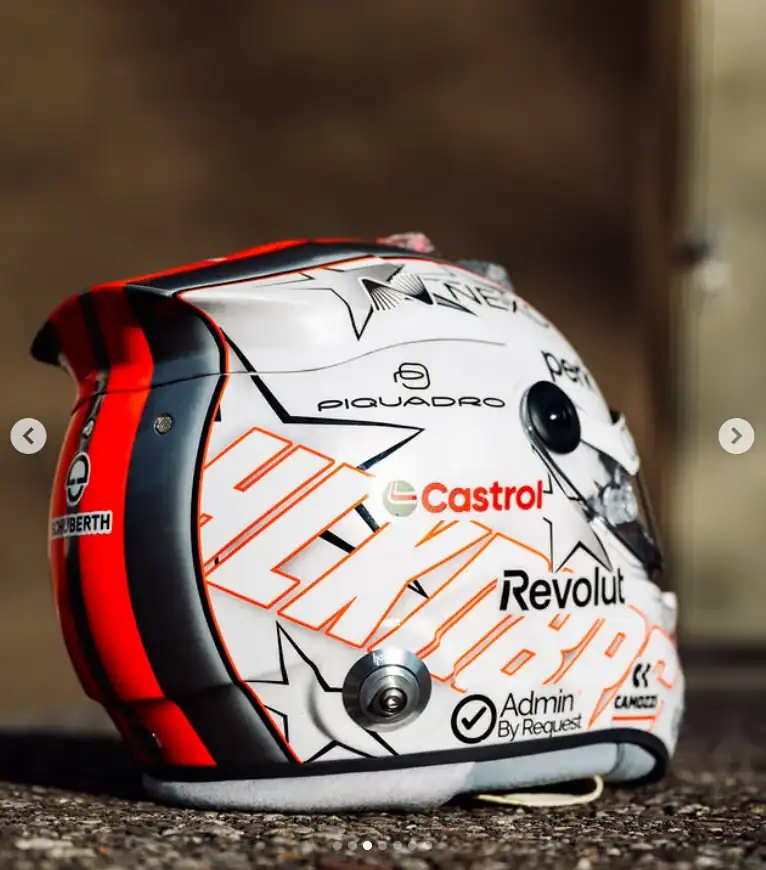
For collectors, incident-era moments like this often drive renewed interest in full-size 1:1 display helmets from the drivers involved.
What Piastri Said About The Contact
Oscar Piastri says he was directly behind Carlos Sainz for a full sector before the lapped car made contact with his McLaren, and that the outcome was something he simply could not process in the moment. Speaking to journalist Adam Cooper after the session, Piastri described his own vantage point in blunt terms: “I was right behind him for a sector, and I couldn’t believe what happened.”
The phrasing matters. Piastri was not surprised by contact in a general racing sense — wheel-to-wheel incidents are part of the 2026 calendar — but by the specific circumstance of being caught out by a car that was a full lap down. “Getting crashed into by a lapped car is never one of the things you expect that can go wrong in your race, and today it was,” he said, framing it as an outcome outside the normal range of risk a leading or midfield driver plans for during a Grand Prix.
He was equally direct about where responsibility lies. “So, I don’t really care if he didn’t see me. The fact that he didn’t, or no one told him, or there was a lack of complete awareness, is unacceptable,” Piastri said, rejecting the idea that visibility or communication breakdowns are an acceptable excuse once contact has occurred between cars a lap apart on track.
Sainz And Alonso Fighting For Last Place
Piastri revealed that Carlos Sainz was fighting Fernando Alonso for last place on track at the exact moment the contact happened. His own description captured the mismatch in stakes: “He was fighting Fernando for last place like it was the World Championship,” Piastri said, pointing out the contrast between the intensity of that battle and its actual position on the leaderboard.
That detail reframes the incident. Rather than a straightforward case of a backmarker simply failing to notice a faster car approaching, Piastri’s account suggests Sainz’s focus was locked onto his own scrap with Alonso, two cars fully committed to a fight that had no bearing on the podium or points battle further up the field.
For fans following the Carlos Sainz and Fernando Alonso storylines through the 2026 season, this kind of late-race duel — fought hard regardless of final classification — has become a recurring theme, and it is exactly the sort of moment that ends up defining a driver’s on-track reputation independent of results.
Why Lapped-Car Contact Is Treated So Seriously
Lapped-car contact is treated seriously in Formula 1 because it removes an element of control from drivers who are racing for position, points or a podium and have no way to anticipate being struck by a car outside that fight. Piastri’s language — “never one of the things you expect” — reflects a broader view among frontrunning and midfield drivers that being lapped comes with an implicit responsibility to stay aware of approaching traffic, especially when a driver is deep in his own battle for track position.
Race control and stewards routinely assess these situations using in-car telemetry, sector timing data and radio communication logs to determine whether a lapped driver received adequate warning before contact. Piastri’s comment that responsibility exists “if he didn’t see me, or no one told him, or there was a lack of complete awareness” outlines the three most common explanations stewards typically weigh in this exact type of incident.
Regardless of the technical finding, moments like this tend to stick in a driver’s memory and in the memory of fans watching the 2026 season unfold — turning a passing radio exchange into one of the more talked-about clips of a race weekend.
The Collector’s View Of Incident Moments
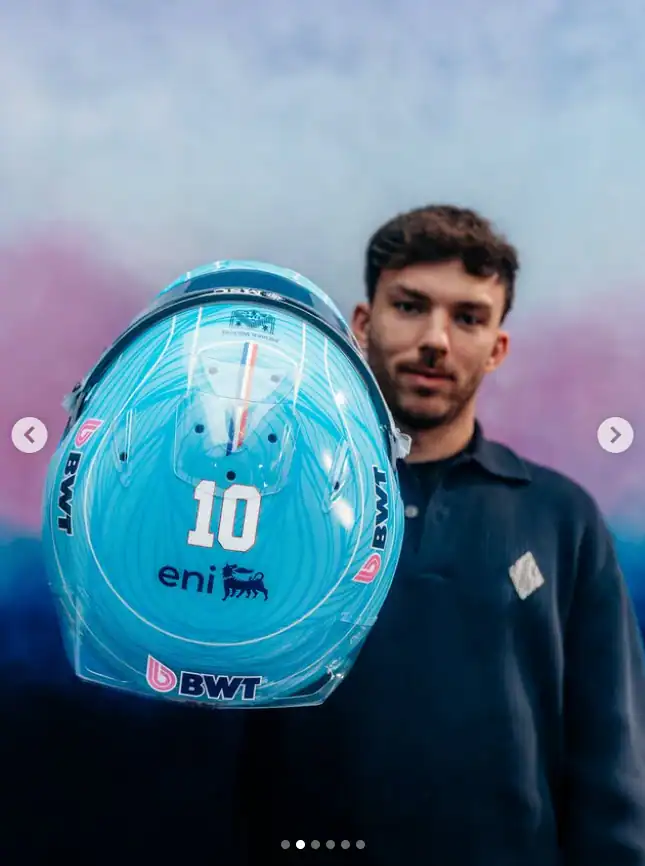
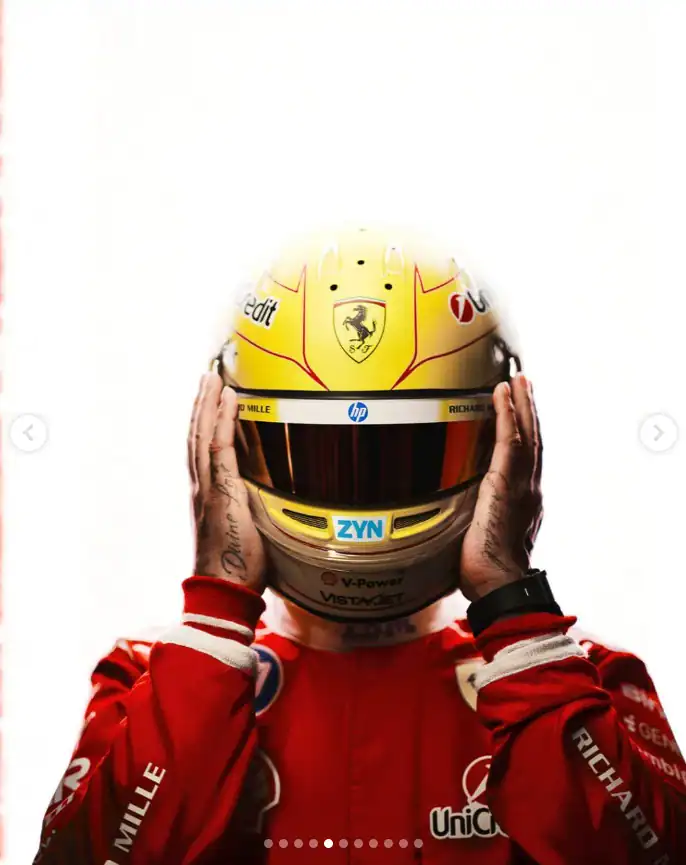
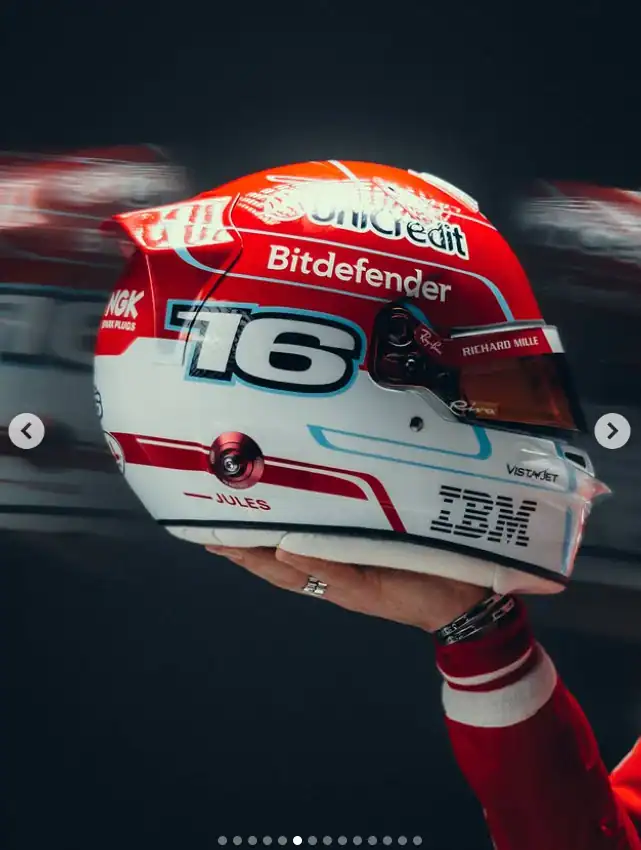
Incident-driven moments like this one regularly boost interest in full-size 1:1 display helmets connected to the drivers involved, because collectors want a tangible piece linked to a story fans were talking about that week. A McLaren-liveried display helmet tied to Piastri’s 2026 campaign, or a Ferrari-liveried piece connected to Sainz, becomes more than decoration — it becomes a marker of a specific race weekend and its talking points.
These exhibition-quality pieces are built as full-size 1:1 replicas, matching the scale and shell geometry collectors expect from a genuine display item rather than a scaled-down souvenir. Typical display specifications in this category run around 27 × 35 cm in overall dimensions and roughly 1.45 kg in weight, giving the piece the same physical presence on a shelf or mount that the on-track helmet has in a paddock photo.
None of these display pieces are intended for on-track or protective use — they are collector items built for exhibition, designed to sit on a stand, in a cabinet, or mounted on a wall as a record of a driver’s season, incident and all.
What To Watch As The 2026 Season Continues
The next flashpoint to watch is how stewards and both teams frame this incident publicly as the 2026 season moves into its next rounds. Piastri’s comments put clear pressure on the narrative around lapped-car awareness, and it would not be unusual for McLaren to reference the exchange in future driver briefings or media notes, especially with the championship fight still live.
On the other side, Ferrari will likely want the story to move past this single sector of contact quickly, particularly given Sainz’s focus was reportedly on a battle for last place rather than anything title-relevant. How both sides handle the aftermath, and whether stewards issue any further comment beyond the in-race outcome, will shape how this moment is remembered heading into the rest of the 2026 calendar.
“I was right behind him for a sector, and I couldn’t believe what happened. Getting crashed into by a lapped car is never one of the things you expect that can go wrong in your race, and today it was.”
— Oscar Piastri, via Adam Cooper (@adamcooperF1)
“He was fighting Fernando for last place like it was the World Championship.”
— Oscar Piastri
FAQ
Q: What did Oscar Piastri say about the incident with Carlos Sainz?
Piastri said he was directly behind Sainz for a full sector before contact and called it unacceptable regardless of whether Sainz saw him or was informed by his team, describing his own reaction as disbelief at being hit by a lapped car.
Q: Was Carlos Sainz racing for position when the contact happened?
Piastri confirmed Sainz was fighting Fernando Alonso for last place on track at the time, describing the intensity of that battle as comparable to a fight for the World Championship despite its actual position on the leaderboard.
Q: Who reported Piastri’s comments about the incident?
Journalist Adam Cooper (@adamcooperF1) relayed Piastri’s direct quotes after asking him about the incident, giving fans an unfiltered account of the McLaren driver’s reaction.
Q: Are 123Helmets.com replicas made for racing or protective use?
No, every helmet in the collection is a full-size 1:1 display piece and collector item built for exhibition quality presentation, not for protective, road or track use.
Q: What size and weight are typical full-size display helmets?
Full-size 1:1 display helmets in this category typically measure around 27 × 35 cm and weigh close to 1.45 kg, matching the scale and presence of the helmets seen in the paddock without being intended for wear.
Relive standout 2026 season moments with a full-size 1:1 display helmet. Browse F1 Helmet Collection — exhibition-quality collector pieces, not certified for protective use.
Display and collector replicas only. Not certified for protective use. Full-size 1:1 scale.