Blog
Piastri Battled Wing Damage to P8 at Spanish GP
 123Helmets Editorial Team
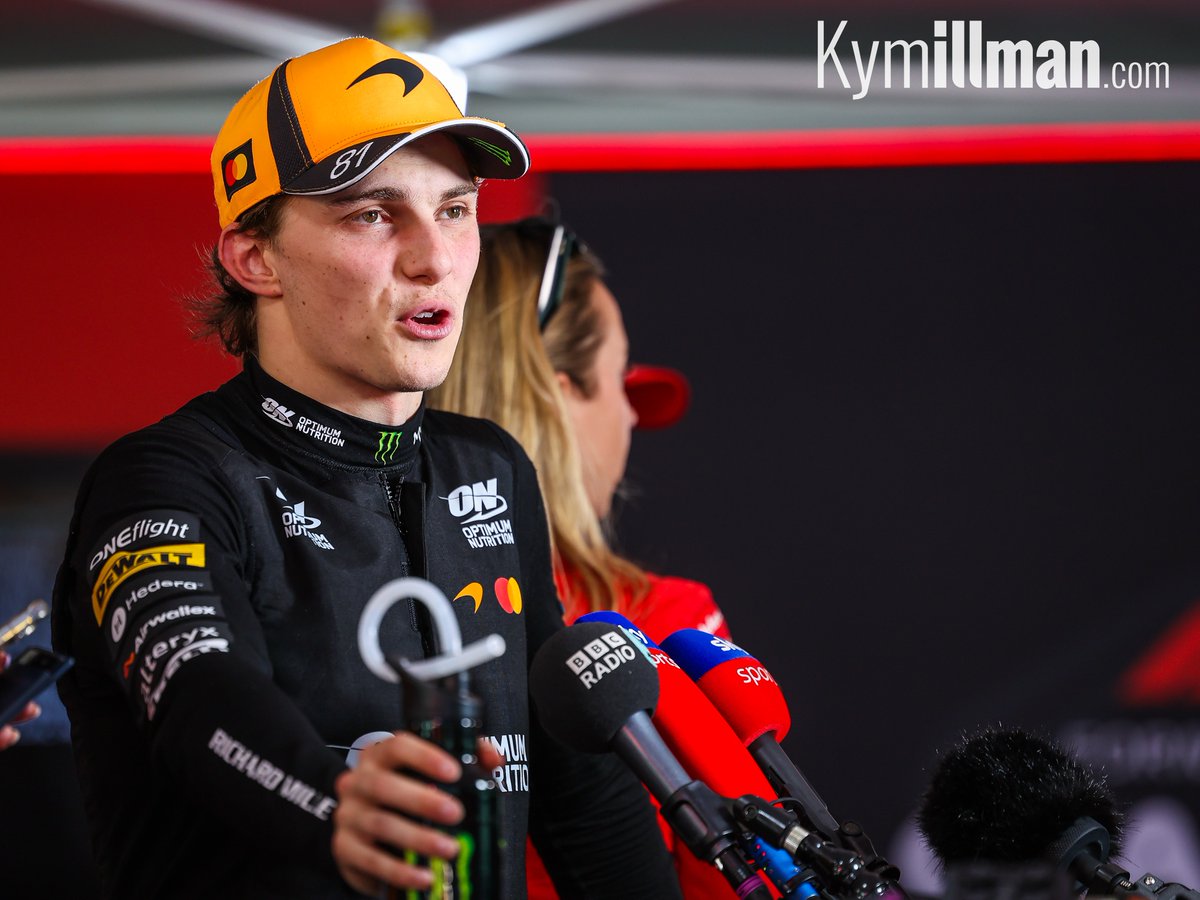
Oscar Piastri brought his McLaren home in eighth place at the Spanish Grand Prix after an early clash with George Russell left his front wing damaged for the remainder of the race.
Key Takeaways
Oscar Piastri made contact with George Russell in the early stages of the Spanish Grand Prix, damaging his front wing.
The McLaren driver elected not to pit for a replacement wing, judging the damage did not cost enough time to justify the stop.
Piastri carried the damaged wing to the finish and crossed the line in P8, collecting four championship points.
The result left Piastri frustrated, unable to show the pace he believed his car had on the day.
What happened between Piastri and Russell
Oscar Piastri made contact with George Russell in the early stages of the Spanish Grand Prix, picking up front wing damage that stayed with his McLaren for the rest of the race. The incident unfolded during the opening laps as both drivers jostled for position, with Piastri’s front wing taking the worst of the contact. Russell, driving for Mercedes, continued on largely unaffected, while Piastri was left managing a compromised car from that point onward.
Race incidents of this kind are common in the opening laps of a Grand Prix, when the field is tightly bunched and overtaking opportunities are at their most contested. For Piastri, the contact set the tone for a race that never allowed him to show his true pace.
Why McLaren chose not to pit for a new wing
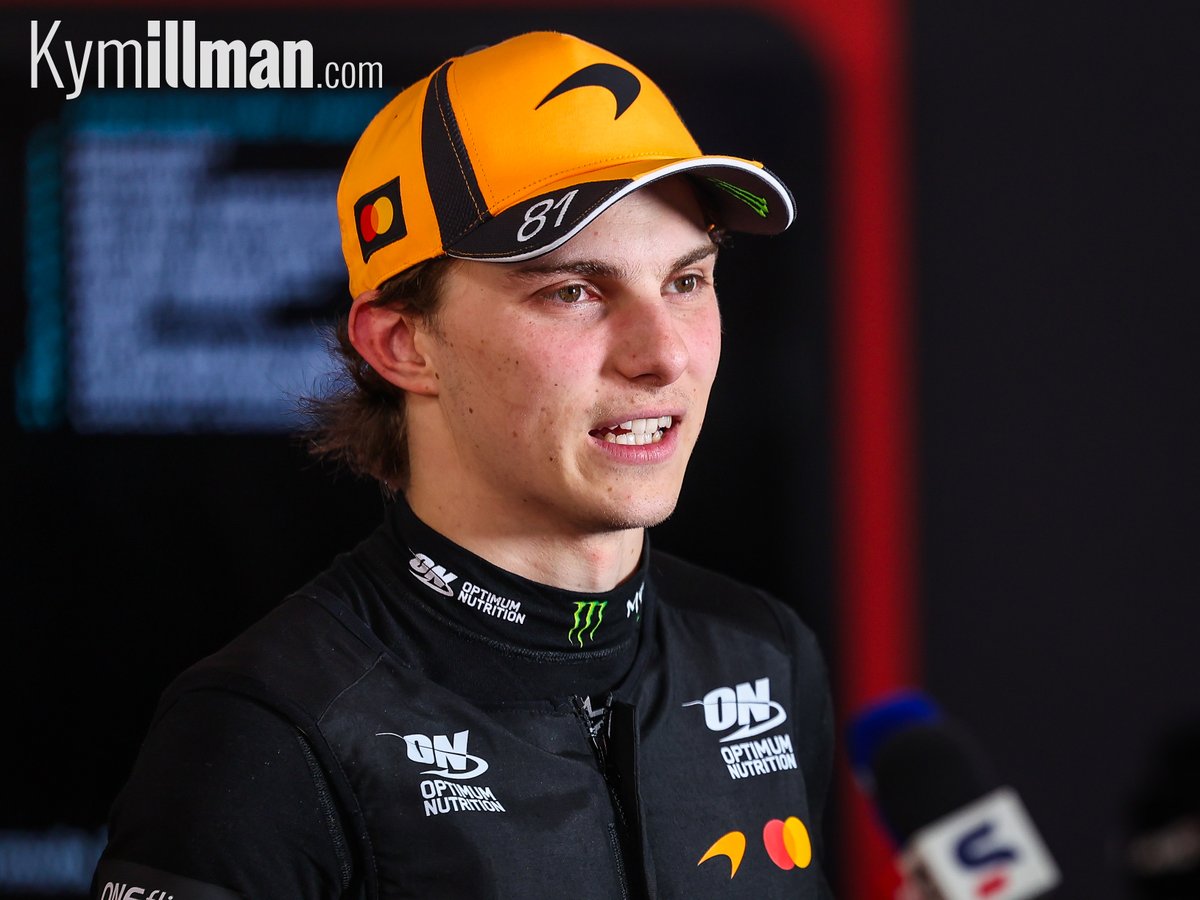
McLaren decided against a pit stop for a replacement front wing because the team judged the damage was not costing Piastri enough lap time to justify the time loss of an additional stop. A full pit stop for a wing change typically costs a driver more than 20 seconds once pit lane time and the wing swap itself are factored in, a penalty that can drop a car several positions in a tightly packed midfield. With Piastri running in a position where places were being fought over in seconds, the team calculated that carrying the damage was the smaller cost.
This is a routine strategic trade-off in modern Formula 1: engineers weigh the estimated lap-time deficit from visible damage against the guaranteed time loss of pitting. In Piastri’s case, the wing damage was judged survivable to the flag.
Carrying the damage to the finish
Piastri completed the entire remaining race distance with the damaged front wing still fitted to his McLaren. Running compromised aerodynamics for lap after lap typically costs a driver downforce through medium and high-speed corners, making the car harder to place on corner entry and slower through direction changes. Despite this handicap, Piastri kept his car in the points, eventually crossing the line in eighth place.
Finishing P8 in the current points system is worth four championship points, a result that keeps a driver in touch with the midfield battle even after an early setback. For Piastri, holding onto that position after sustaining damage so early in the race was itself an achievement, even if the final result underplayed his potential pace.
A frustrating day despite the points
Oscar Piastri’s frustration stemmed from never getting the chance to show the pace he believed his McLaren had on the day. The contact with Russell effectively ended his race as a genuine points-scoring opportunity above P8 before it had properly begun, turning what could have been a stronger result into a damage-limitation exercise. Drivers in this situation often describe the sensation of racing with one hand tied behind their back, managing a car rather than attacking with it.
For a team fighting in a competitive midfield, four points from P8 is not a disaster, but it is far from the ceiling Piastri and McLaren had targeted heading into the weekend.
Piastri’s growing reputation for resilience
Oscar Piastri has built a reputation for extracting results from compromised weekends rather than throwing points away. Carrying front wing damage to the flag without dropping out of the top ten shows car control and race management under pressure, qualities that matter as much in a title fight as outright single-lap speed. Fans following Oscar Piastri this season have seen him repeatedly turn difficult circumstances into salvageable results.
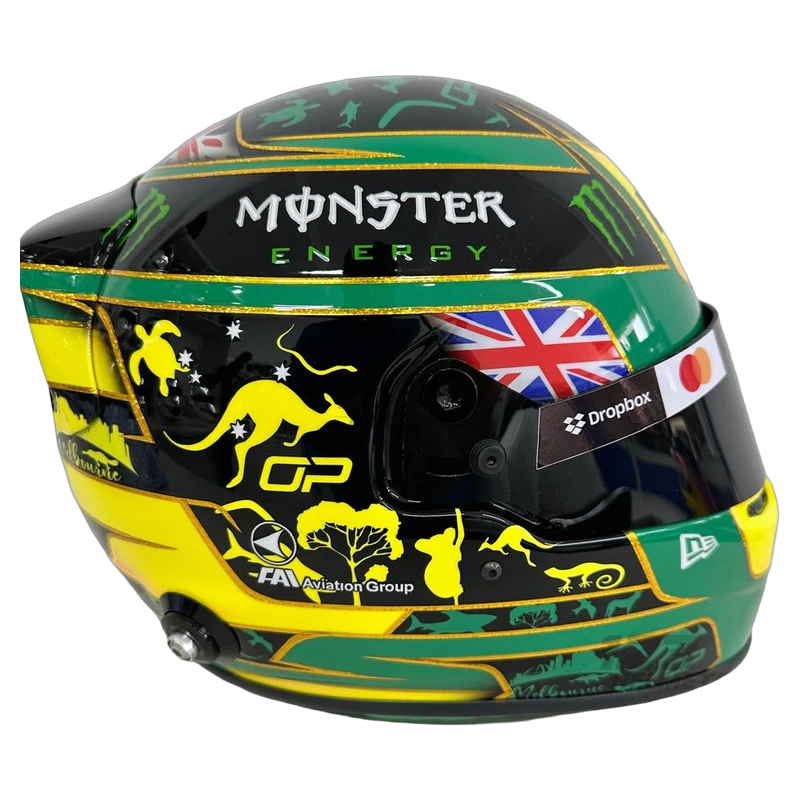
Moments like this Spanish Grand Prix incident also feed the wider story of a season, and for collectors following Piastri’s rise, race weekends packed with drama add another layer of context to the McLaren driver’s helmet designs and liveries from the year.
“A frustrating result for Oscar, who never got the chance to maximise the pace he had today.”
— Race weekend report
FAQ
Q: Where did Oscar Piastri finish at the Spanish Grand Prix?
Oscar Piastri finished P8 at the Spanish Grand Prix, earning four championship points despite carrying front wing damage for most of the race.
Q: How did Piastri’s front wing get damaged?
Contact with George Russell in the early stages of the race caused the damage. The incident happened during the opening laps as the two drivers raced closely together.
Q: Why didn’t McLaren pit Piastri for a new front wing?
The team judged the damage wasn’t costing enough lap time to justify a pit stop. A wing-change stop typically costs well over 20 seconds once pit lane time is included, so McLaren opted to have Piastri manage the damage instead.
Q: Did the damage affect Piastri’s race pace?
Yes, running with a damaged front wing reduces downforce and hurts cornering performance. Piastri was left unable to show the pace McLaren believed the car had, contributing to his frustration after the race.
Q: How many points does P8 earn in the current F1 scoring system?
Eighth place earns four championship points under the current points system. That kept Piastri’s result from being a total loss despite the early contact with Russell.
Shop Oscar Piastri Collection
Display and collector replicas only. Not certified for protective use. Full-size 1:1 scale.